


Best camera phones under Rs 30,000 in India: Realme, Vivo and more for 2026
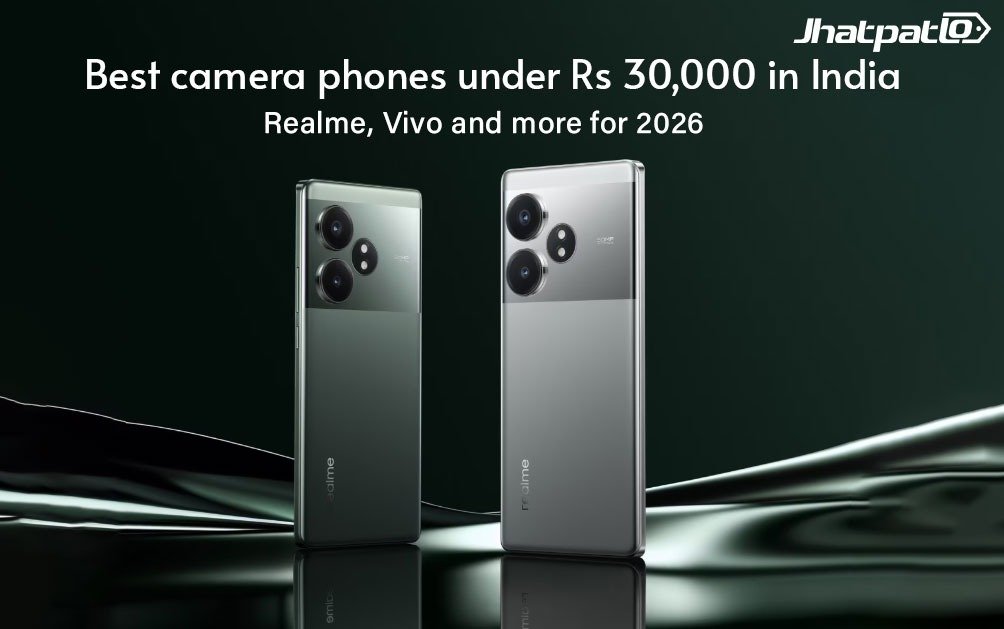
If you think you need a flagship price tag for pro-grade photos, think again. The mid-range segment under Rs 30,000 is now a photography playground in India, thanks to smarter ISPs, better low-light performance, and clever hardware tweaks. Realme, Motorola, Nothing, Vivo, and others are proving that you don't have to break the bank to get sharp portraits, solid zoom, and vlog-friendly video.
So, what does this mean for you if you're a creator or someone who just likes taking great photos on the go? More choices, better cameras, and features that used to live on premium models are suddenly common in sub-30k devices. Here's a clear, practical guide to the current best bets, plus a quick look at what each one brings to the table.
Why mid-range cameras are finally catching up
Camera performance isn't just about sensor size anymore. Modern mid-range phones pack:
- Better ISPs that handle dynamic range and noise in low light
- OIS on main or telephoto lenses for steadier shots
- Periscope and telephoto lenses that deliver real zoom without artifacts
- Smart software features like night modes, multi-frame HDR, and professional portrait options
That combination makes them viable for high-quality vlogging, portrait photography, and detail-rich landscapes — all without the flagship price tag.
Top picks under Rs 30k: at a glance
The following table sums up the best-real-world performers you'll actually notice in daily use. It focuses on camera setups, front cameras, processors, and charging power — the things that matter most for everyday creators.
| Smartphone | Variant & Price | Rear Camera Setup | Front Camera | Processor | Battery & Charging |
|---|---|---|---|---|---|
| Realme 15 | 8GB + 128GB: Rs 25,999; 8GB + 256GB: Rs 27,999 | 50 MP main (Sony IMX882, OIS) + 8 MP ultra-wide | 50 MP | Dimensity 7300+ 5G | 7000 mAh with 80W SuperVOOC |
| Motorola Edge 70 | 8GB + 256GB: Rs 29,999 | 50 MP main (OIS) + 50 MP ultrawide/macro | 50 MP | Snapdragon 7 Gen 4 | 5000 mAh with 68W wired / 15W wireless |
| Nothing Phone (3a) Pro | 8GB + 128GB: Rs 29,999 | 50 MP main + 50 MP telephoto (3x) + 8 MP ultrawide | 50 MP | Snapdragon 7s Gen 3 | 5000 mAh with 50W wired |
| Vivo T4 Pro | 8GB + 128GB: Rs 27,999; 8GB + 256GB: Rs 29,999 | 50 MP main (OIS) + 50 MP 3x periscope telephoto | 32 MP | Snapdragon 7 Gen 4 | 6500 mAh with 90W FlashCharge |
| Motorola Edge 60 Pro | 8GB + 256GB: Rs 28,999 | 50 MP main (OIS) + 50 MP ultrawide + 10 MP 3x telephoto | 50 MP | Dimensity 8350 Extreme | 6000 mAh with 90W TurboPower |
Real-world takeaways from each model
Let's break down what these phones actually offer in practice, not just the spec sheet.
- Realme 15 brings a strong all-round package for creators on a budget. The 50 MP main with OIS helps steady shots in low light, while the big 7000 mAh battery keeps daily shooting sessions going. The 144 Hz display makes UI feel snappy, which matters when framing quick stories or switching lenses on the fly.
- Motorola Edge 70 stands out for its camera versatility. OIS on the main sensor and a dedicated ultrawide/macro combo give flexible options for landscapes and close-ups. Performance is reliable with a flagship-grade feel in day-to-day use, and the 68W charging is a practical perk when chasing long shooting days.
- Nothing Phone (3a) Pro emphasizes natural tones and clean software. The 50 MP main paired with a capable telephoto makes portraits pop with less aggressive processing. The Nothing OS keeps the camera app quick and unobtrusive, which helps when a moment needs to be captured fast.
- Vivo T4 Pro is all about flagship-like imaging in a mid-range shell. The 50 MP main with OIS plus a 50 MP periscope telephoto offers slick zoom and steady shots, while the 32 MP front camera is strong for vlogging and selfies in varied lighting. A big battery and fast charging seal the deal for on-the-go creators.
- Motorola Edge 60 Pro brings a balanced trio: strong main, solid ultrawide, and a capable telephoto. It's a dependable choice if portrait photography and video are key, backed by a robust charging setup and durable build.
How to pick the right one for your needs
Choosing the best camera phone under Rs 30,000 isn't a one-size-fits-all decision. Here are quick pointers to help decide:
- Portraits and skin tones: Look for a main camera with good OIS and a telephoto option on the same device.
- Low-light and night modes: Prioritize devices with modern ISP improvements and bigger aperture advantages in the main sensor.
- Vlogging: Front-camera quality matters, plus steady video features and reliable autofocus help a lot.
- Zoom and versatility: A periscope or telephoto lens in the sub-30k range is a big win for distant subjects.
- Battery life: Bigger batteries and fast charging matter if long shoots or daily usage go hand in hand.
- Software experience: A clean camera app and dependable autofocus speeds can matter more than a few extra megapixels.
Putting it all together
Rs 30,000 phones in 2026 are beyond just being satisfactory enough for shooting, but they are tools for content producers who need flexibility while not having to spend flagship phone amounts. The Realme 15 value, Edge 70 photography versatility, Nothing 3a Pro's clean software and accurate colour, Vivo T4 Pro flagship camera capability, and Edge 60 Pro's overall balance have all shown us that the midrange category has started to present competition to the higher end in a number of ways.
Conclusion
The best camera phone under Rs 30,000 isn't a single answer; it's a choice that matches your shooting style. If portraits and a long-lasting battery top the list, the Edge 70 or Edge 60 Pro are strong bets. If you want a clean, reliable camera experience with strong video options, the Nothing Phone (3a) Pro is compelling. For sheer value and a balanced package, Realme 15 hits hard. And for those chasing flagship-like periscope zoom at a sub-30k price, the Vivo T4 Pro is a standout.
So, which one would fit your daily creator routine best? Are you prioritizing low-light performance, zoom reach, or front-camera quality for social posts?
Related Products



 Launches in India.webp)
Nothing Phone (4a) Launches in India Next Week With Periscope Camera
Upcoming smartphone launches in India March opens with a lineup of smartphones poised to reach Indian buyers. Nothing will unveil the Phone (4a) globally and in India on March 5, followed by Motorola’s Edge 70 Fusion on March 6. Realme is also staging multiple launches in the period, incl...

Realme 16 5G Goes on Sale in India and the hidden battery surprise
Realme 16 5G sale begins in India Realme 16 5G is now on sale in India through Flipkart and the Realme online store after its launch on April 2. The phone comes in two colour options and three storage variants, with prices starting at Rs. 31,999 and going up to Rs. 36,999. On Monday, Rea...

Motorola Edge 70 Pro Plus on Sale in India at Rs 47,999
Motorola Edge 70 Pro+ is now on sale in India, with the first sale live across Flipkart, Motorola.in, and offline stores. The launch sits in the sub-Rs 50,000 premium-midrange segment, where display quality, battery size, charging speed, and camera hardware matter most. Motorola Edge 70 Pro+...

Motorola Edge 70 Pro Launches in India at Rs 38,999 with Dimensity 8500
Motorola Edge 70 Pro arrives in India Motorola Edge 70 Pro Launches in India, with pricing starting at Rs 38,999 for the 8GB RAM and 256GB storage variant. The new smartphone goes on sale exclusively through Flipkart from April 29, and the launch offer can bring the starting price down to Rs...

Redmi Note 15 Pro Series Goes on Sale in India
Redmi Note 15 5G smartphones were released into Indian markets on January 29. Redmi's newest phones feature high-resolution, high-quality photography capabilities with 200 megapixel camera sensor modules integrated into the rear of both models. Both devices are equipped with two different pro...

Motorola Edge 70 Pro India Launch Set for April 22 With AI Low Light Photography
Motorola Edge 70 Pro Set for India Launch on April 22 Motorola has confirmed the India launch of the Edge 70 Pro for April 22 at 12 pm, with the smartphone set to go on sale through Flipkart. The company has also teased improved low-light photography powered by AI, while the dedicated microsi...