


Tensor G6 3nm process confirmed for Pixel 11 series
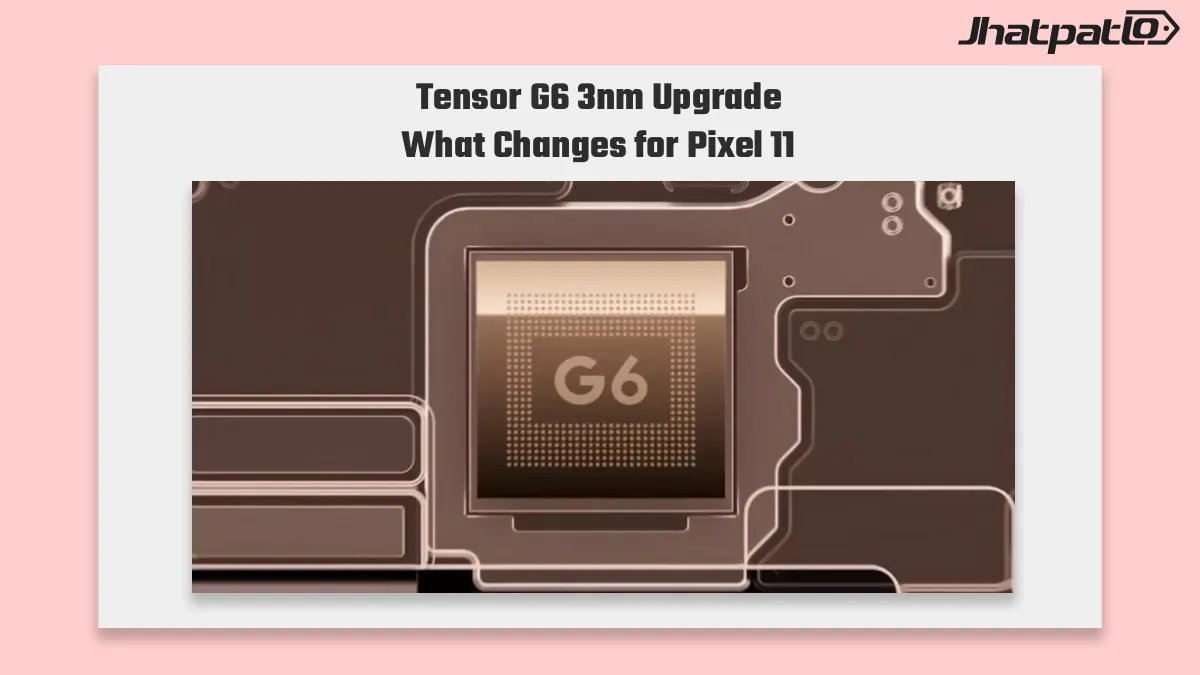
Google’s Tensor G6 3nm process chip is set to use TSMC’s enhanced 3nm process confirmed across the Pixel 11 lineup, not the 2nm node that rumours had pointed to earlier. That matters because the real story here is less about fabrication hype and more about what Google says the chip brings to the Pixel 11, Pixel 11 Pro, Pixel 11 Pro XL and Pixel 11 Pro Fold. The company is highlighting stronger TPU performance, better power efficiency and a refreshed image pipeline.
Google says the Tensor G6 is built on TSMC’s enhanced 3nm node for the full Pixel 11 series, replacing the earlier 2nm speculation. The move sets a clearer baseline for the next Pixel generation, especially as Google leans on on-device AI, faster browsing and camera processing improvements rather than a headline-grabbing manufacturing leap.
Tensor G6 TPU upgrade brings more on-device AI headroom
The main performance change appears to be inside the chip itself. Google claims the Tensor G6 3nm process delivers 50% more TPU compute compared with Tensor G5. That is the part that matters most for the Pixel 11 line, since more TPU headroom usually translates into better on-device AI handling without relying as heavily on cloud processing.
Google also says the chip adds Gemini Nano on-device AI support. In practical terms, that suggests the Pixel 11 series is being built to handle more AI tasks locally. The company is also pointing to up to 30% better CPU power efficiency versus Tensor G5. That kind of improvement does not sound flashy on its own, but it can matter a lot in daily use, especially for users who keep several apps open or lean on AI features throughout the day.
For the premium Android segment, these changes may be more important than the earlier 2nm talk. Fabrication nodes tend to get attention first, but people usually notice smoother performance, better battery behaviour and faster AI responses more than they notice the exact process confirmed node printed on a spec sheet.
- 50% more TPU compute versus Tensor G5
- Gemini Nano on-device AI support
- Up to 30% better CPU power efficiency versus Tensor G5
Pixel 11 camera and browsing gains come from the ISP too
Google is also pointing to gains outside raw compute. According to the company, Tensor G6 should enable faster web browsing and quicker app launches across the Pixel 11 range. Those are the kind of changes that are easy to miss in a spec list, but they are often the ones users feel right away.
Camera performance is another area Google wants to improve. The updated image signal processor, or ISP, is meant to speed up Night Sight processing and improve digital zoom. That gives the Pixel 11 series a more practical camera advantage, especially for users who care about low-light photography and zoom quality. It also matters for the Pixel 11 Pro Fold, where chip-level improvements can help balance the extra demands of a foldable design.
In that sense, the Tensor G6 story is less about chasing the most advanced node and more about making the Pixel 11 family feel more consistent. Faster image processing, better AI support and improved CPU efficiency all add up to a more complete upgrade. For Google, that seems to be the real message behind the Tensor G6 launch: measured changes, but ones that are likely to show up in everyday use.
The Pixel 11 series now looks set to lean on practical performance rather than fabrication bragging rights. If Google delivers on these Tensor G6 claims, the upgrade could matter more in regular use than the rumoured 2nm shift ever would have.

Related Products





Google Pixel 11a specs leak points to Tensor G6 and a 6.3-inch display
Google Pixel 11a specs leak details point to a more substantial update than the Pixel 10a got, with Tensor G6 leading the rumored changes. The reported 6.30-inch 1080p display, 8GB of RAM, and 2,250-nit peak brightness suggest Google may be trying to make the a-series feel more competitive...

Pixel 11 series launch date set for August 12 with Tensor G6
Google has now set a Pixel 11 series launch date for August 12, and the timing matters for more than just the event itself. With Tensor G6 expected to arrive alongside the next hardware cycle, the new lineup is entering one of the busiest periods in the smartphone calendar. Here is what th...

Pixel 11 Pro EPREL drop test shows 180 drops vs 270 on siblings
Google’s Pixel 11 Pro EPREL drop test data puts the smaller Pro behind the rest of the lineup, with 180 repeated drops compared with 270 on the Pixel 11 and Pixel 11 Pro XL. All four Pixel 11 phones still carry a B rating overall, but the result raises a durability question for buyers look...

Google Pixel 11 Pro Fold leaks point to 8-inch display and quad camera
Google Pixel 11 Pro Fold render leaks now point to an 8-inch inner display foldable with a quad-camera setup, plus a Pixel Glow notification LED on the rear. If accurate, the leaks suggest Google is leaning harder into hardware differentiation ahead of the August 12 launch, with Samsung’s...

Google Pixel 11 Pro Leaked Renders Show Thinner Bezels and New Camera Module
Google Pixel 11 Pro renders surface with design changes Leaked CAD renders of the Google Pixel 11 Pro have surfaced online, suggesting the rumoured phone could arrive with a redesigned rear camera module, thinner bezels and a slightly slimmer body. The images were published by Android Headlin...

Google Pixel 11 Pro XL Leaked CAD Renders Show Pixel 10 Pro XL Like Design
Google Pixel 11 Pro XL CAD Renders Surface Online Leaked CAD-based renders of the Google Pixel 11 Pro XL have appeared in a report, giving an early look at the top-end model in the Pixel 11 series. The visuals suggest a design that is closely aligned with the Pixel 11 and Pixel 11 Pro, while...