


Choosing Headphones Feels Simple Until You Have to Live With Them
Introduction
Choosing headphones sounds easy right up until you actually live with the pair you bought. Then the little stuff starts showing up: the clamping pressure, the cable that never sits right, the sound leak on a quiet train, the awkward moment when your phone doesn’t have the jack you expected. Suddenly this isn’t just a sound choice. It’s a daily comfort choice, a travel choice, a gaming choice, and sometimes a compatibility choice too.
That’s why comparing over-ear, on-ear, and in-ear options, plus USB C headphones for smartphones, stops feeling abstract pretty quickly. The best pair isn’t the one with the fanciest spec sheet. It’s the one that fits the way you actually move through your day.
Quick Highlights
- Over-ear gives the biggest sound and the most comfort.
- On-ear keeps things lighter, but feels less forgiving.
- In-ear wins when portability matters most.
- USB-C matters if your phone doesn’t have a jack.
- Daily use beats “best on paper” every time.
What looks like a simple purchase turns into a set of compromises: size, comfort, portability, isolation, and whether your phone even has a jack anymore. And honestly, that’s the part people don’t think about enough. We tend to shop for headphones like they’ll live on a desk forever. But most of the time, they end up in backpacks, coat pockets, office drawers, gym bags, or on your head for three hours straight. That changes the decision fast.
Why one pair feels right at home and wrong everywhere else
The first real choice is not sound quality alone but where the headphones will live most of the time. A pair that feels perfect at a desk can feel ridiculous on a train, and the reverse is just as true. That’s the tricky thing about headphones: the context changes the experience more than people expect.
Some styles are built for staying put. Others are built for movement. And once you notice that, the whole buying process gets clearer. For example, over-ear headphones for gaming usually make sense for long sessions because they’re designed to be worn without becoming annoying after an hour or two. But if you’re someone who wears headphones on the go, every day, all week, that same bulk can start to feel like too much.
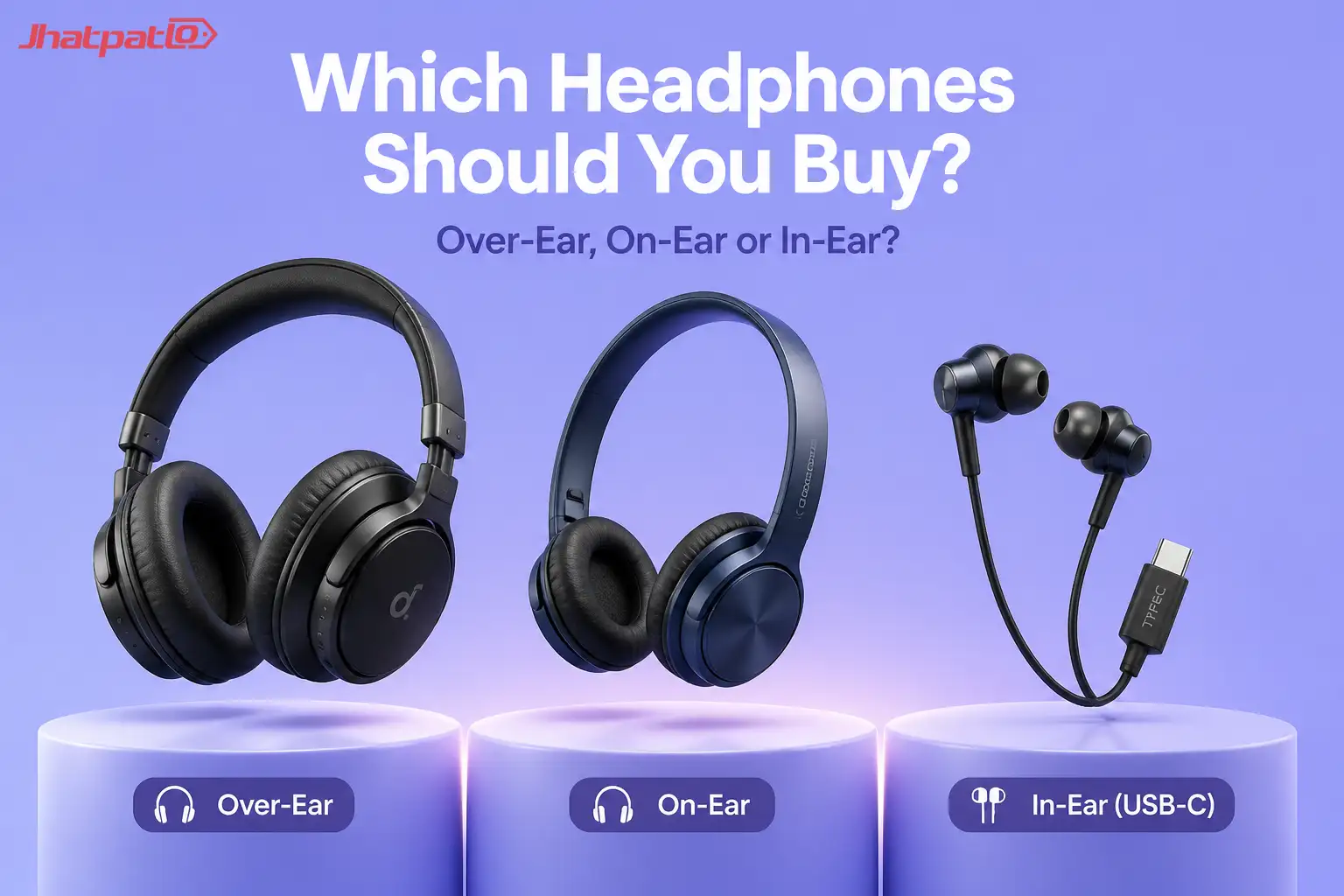
Over-ear headphones: the immersive default
Over-ear headphones are the ones that cover the ear instead of sitting on it, and that one difference changes a lot more than people realize. The ear cups create a larger sound chamber, which is one reason the sound tends to feel fuller and more spacious. They also usually do a better job of blocking outside noise passively, so you don’t have to crank the volume quite as high to get immersed.
That matters in real life. If you’ve ever put on a pair and instantly felt like the outside world softened a little, that’s the appeal. Over-ear headphones are especially nice for movies, bass-heavy music, and long sessions where comfort starts to matter more than being able to shove them in a pocket. They’re the classic “sit down and stay awhile” option.
They’re also a very reasonable choice for people who work from home or spend a lot of time at a desk. The cushioning helps, and the less direct pressure on the ear can make them easier to wear for longer stretches. Still, all that comfort comes with a trade-off: they take up space, and they’re not the most convenient thing to carry around all day.
On-ear headphones: the middle ground that is not really middle ground
On-ear headphones for daily use sit in a strange spot. They’re lighter than over-ear models, easier to carry, and often less bulky in a bag. That sounds like the perfect compromise at first. But in practice, “middle ground” doesn’t always mean “best of both worlds.” Sometimes it just means you get a little less of everything.
They sit directly on the ear rather than around it, which is why some people find them comfortable and others notice the pressure fast. That pressure is subtle at first, then very noticeable an hour later. So if you’ve tried on-ear headphones and thought, “These are fine,” that may be true for the first half hour. The real test is whether they still feel fine after a full commute, a work session, or a couple of long calls.
The over-ear vs on-ear headphones comparison usually lands here: less bulk, less isolation, less commitment. That’s not a bad thing. In some situations, it’s exactly what you want. If you’re wearing headphones in a shared office or hopping between meetings, the lighter feel can be a genuine advantage. But if you want deep isolation or a big, room-filling sound, on-ear models usually don’t win that argument.
When portability starts beating sound depth
There comes a point where portability simply matters more than sonic scale. That’s where in-ear headphones for travel start making a lot of sense. They change the conversation because they make the whole decision smaller, more practical, and easier to live with. You can carry them in a tiny pouch, a jacket pocket, or just tucked into the side of a bag without thinking twice.
And that’s not a minor convenience. If you commute, travel often, or like to keep your setup as light as possible, in-ear headphones can be the ones you end up actually using. The in-ear vs over-ear headphones trade-off is pretty blunt: portability and practicality on one side, scale and immersion on the other. Neither is inherently better. They just solve different problems.
There’s also something nice about not having to “plan” for in-ear headphones. You don’t need a full backpack setup. You don’t need a special case. You just carry them because they’re easy to carry. For a lot of people, that’s what makes them the everyday default.
USB-C is no longer a side note
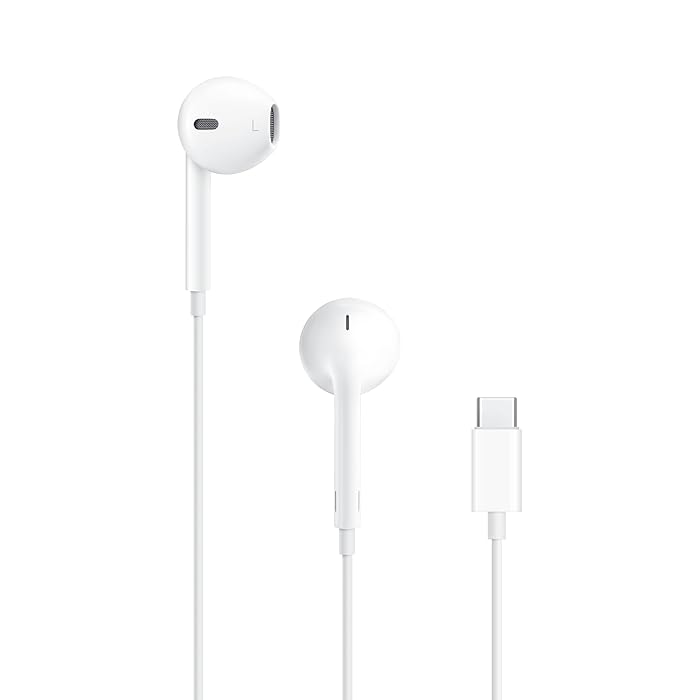
Now here’s where the phone question matters. For phones without a 3.5 mm jack, type-C earphones and type-C headphones for phones become less of a niche and more of a practical answer. The device landscape changed first. Headphones just had to catch up.
That means USB C headphones for smartphones aren’t some weird accessory category anymore. They’re part of the normal decision process. If your phone no longer has a headphone jack, then compatibility is not a tiny footnote. It’s the main event. You can love a pair of wired headphones on principle, but if they can’t plug into your phone without a dongle, adapter, or extra hassle, that love fades quickly.
This is where it helps to be realistic. A lot of people don’t want to think about adapters every single day. They just want something that works when they reach for it. USB-C solves that neatly for many users, especially Android owners who want a simple wired setup without relying on Bluetooth charging or extra accessories.
The part people keep skipping: what they actually need day to day
The useful question is not which type is “best,” but which one survives your routine without annoying you. That’s the part people keep skipping, because it sounds less exciting than chasing the highest sound quality or the sleekest design. But daily life has a way of making the practical choice the right one.
Gaming, calls, travel, workouts, and desk work all pull in different directions. Over-ear headphones for gaming make sense because they’re comfortable over long sessions and usually give you that more immersive feel. On-ear headphones for daily use can be handy when you want something lighter for the office or casual listening. In-ear headphones for travel are often the easiest to live with when you’re moving around. And type-C earphones for Android become the obvious answer when the phone itself won’t accept anything else without help.
That’s the real mental shift. You stop asking, “Which is the best headphone type?” and start asking, “Which one fits my day without getting in the way?” That question is much more honest, and usually much more useful.
If you like seeing the differences side by side, this simple comparison helps make the trade-offs feel less fuzzy:
| Type | Best for | Trade-off |
|---|---|---|
| Over-ear | Gaming, movies, long listening | Bulkier to carry |
| On-ear | Office use, casual daily listening | Less isolation |
| In-ear | Travel, workouts, pocket carry | Less spacious sound |
| USB-C / Type-C | Modern smartphones | Tied to device compatibility |
The buying decision gets clearer when compatibility, budget, and use case sit next to each other instead of floating around as separate concerns. Budget matters, obviously. But the cheapest pair is rarely the cheapest if you stop using it because it’s uncomfortable or awkward. Compatibility matters too, because a pair that needs extra dongles or won’t connect cleanly ends up feeling more complicated than it should.
And then there’s the everyday annoyance factor, which is the one most product pages never talk about. Some headphones sound fine but feel tiring. Some are portable but flimsy. Some work beautifully at home and feel inconvenient the moment you leave the house. The better decision is usually the one that avoids those little frustrations.
That’s also why people often settle into a pattern without realizing it. One pair for the desk. One pair for travel. Maybe one pair for the gym. That doesn’t mean you need to buy three sets right away, but it does show how different the use cases really are. The “one perfect pair” idea sounds neat. Real life is messier.
FAQ
These are the smaller doubts that usually show up after the main comparison feels obvious, but not quite resolved. And fair enough — this is the point where the details start mattering.
Q: Which type of headphones is best for sound quality?
Over-ear headphones usually deliver the richest, most immersive sound, especially when the goal is depth rather than portability. They tend to feel bigger and more spacious, which is often what people mean when they talk about “better” sound.
Q: Are over-ear headphones better than in-ear?
For long listening and sound isolation, often yes. For travel or pocket carry, in-ear headphones are easier to live with. So it depends on whether you care more about comfort and immersion or convenience and movement.
Q: What are the advantages of in-ear headphones?
They’re compact, easy to carry, and practical for commuting, workouts, and phones where a lighter setup matters. They also make sense when you don’t want to deal with bulky gear or a bag full of accessories.
Q: How do I choose between type-C headphones for phones and regular wired ones?
Start with the phone itself. If there is no 3.5 mm jack, USB-C is not a preference so much as the path of least resistance. If your device supports both, then convenience and sound quality can guide the rest of the decision.
Conclusion
The right choice is the one that fits your routine without asking you to compromise every day, which is really what the headphone types comparison comes down to. That’s the part worth remembering when the options start blurring together.
If you want immersion, go bigger. If you want movement, go smaller. If your phone demands it, USB-C decides for you. And once you look at headphones that way, the decision gets a lot less mysterious — not perfect, maybe, but definitely more honest.

Mahi Gupta
✉ mahigupta708076@gmail.comRelated Products

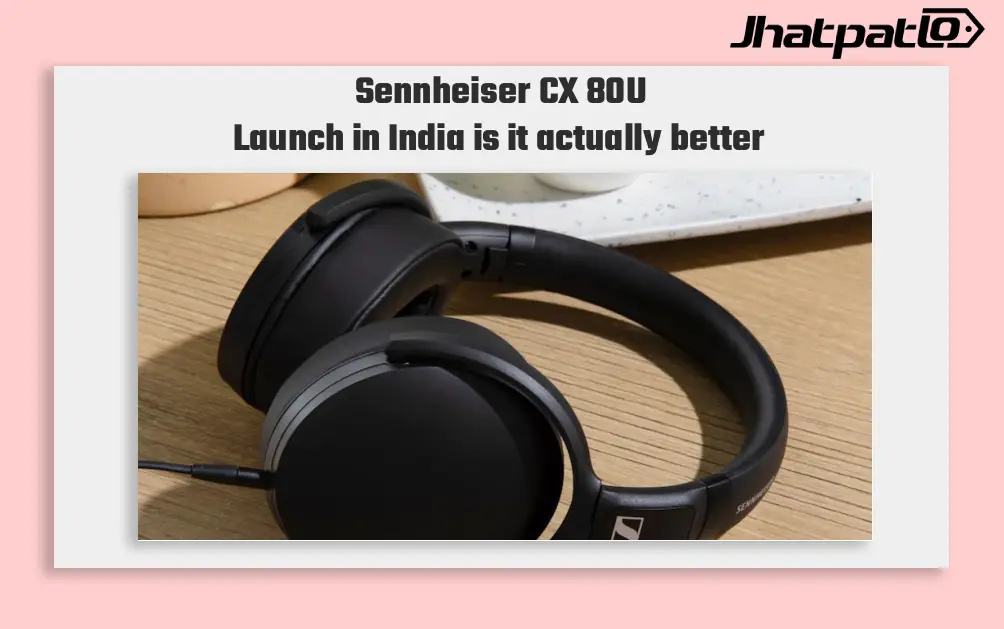
Sennheiser CX 80U and HD 400U Launch in India With USB Type-C Audio
Sennheiser launches two USB Type-C wired headphones in India Sennheiser CX 80U Launch in India, with both models using USB Type-C connectivity and support for up to 24-bit and 96kHz digital audio playback. The company has priced the CX 80U at Rs. 1,990 and the HD 400U at Rs. 5,990, with sales...

Vivo Enters Premium Audio With Its First ANC Headphones Ahead of May 29 Launch
Vivo moves beyond earbuds Vivo has officially confirmed its first wireless over-ear ANC headphones ahead of its May 29 launch event in China, marking a new step for the company’s audio lineup. The headphones will arrive alongside the Vivo S60 series and bring active noise cancellation, triple...

OPPO Enco Air 5 Pro Brings 55dB ANC to India at Rs 4,999
OPPO Brings Enco Air 5 Pro to India With Premium Audio Features OPPO Enco Air 5 Pro Launches in India at Rs 4,999, placing the earbuds in a crowded budget audio market while adding features usually found at higher price points. The launch comes alongside the Find X9 series, and the earbu...

Samsung Galaxy Buds Able Could Bring Open Ear Audio Into the Mainstream
Samsung’s reported open ear push Samsung could soon join the growing race for open-ear earbuds with a new clip-style model reportedly called Galaxy Buds Able. A new report says the earbuds are being developed as open-ear wireless earbuds that sit on the ear rather than sealing the ear canal....

Sony ColleXion Leak Points to Metal Hinge Fix and EUR 629 Price
Sony’s ColleXion Leak Puts Hinge Redesign in Focus Leaked renders of Sony’s upcoming ColleXion headphones point to a redesigned metal hinge and a reported EUR 629 price, putting build quality at the center of the discussion around the brand’s next premium audio product. The leak arrives as Sony...

Boat Launches Storm Call 4 and Ultima Vogue 2 With USB-C Charging
Boat Shifts Budget Smartwatch Talk to USB-C Charging Boat Launches Storm Call 4 and Ultima Vogue 2 in India, and the company says the two budget smartwatches are the first in the country with direct USB Type-C charging. The models are priced at Rs 1,599 and Rs 2,799, and they remove the need...