


Google Pixel 11 Pro XL Case Renders Hint Subtle Camera Module Redesign

Early visual hints from ThinBorne case renders
Renders of a protective case for the Google Pixel 11 Pro XL, shared by accessory maker ThinBorne, offer an early look at potential changes to the phone’s rear design. The images suggest the overall size and thickness may stay largely the same as the current model, but the camera area on the back appears to receive adjustments. The visuals provide one of the first public indications of how Google could evolve the Pixel flagship’s design on the rear panel.
The listing shows the case is constructed from aramid fibre and is said to support MagSafe-style accessories. Case makers typically receive design dimensions well before a phone’s release so they can craft compatible accessories, and ThinBorne’s listing fits that pattern.
In addition to seeing a different shape where the factory opening for the camera is located, it appears that the overall lip area where the camera opening is located will have a smaller footprint than what we've seen on previous generations of Pixel phones - which may also lead to less pronounced bulges from camera modules once they've been installed in products. While there are likely some broader implications for grip, aesthetics, and overall device balance due to this design change, it is being described as more of a subtle change rather than a radical transformation.
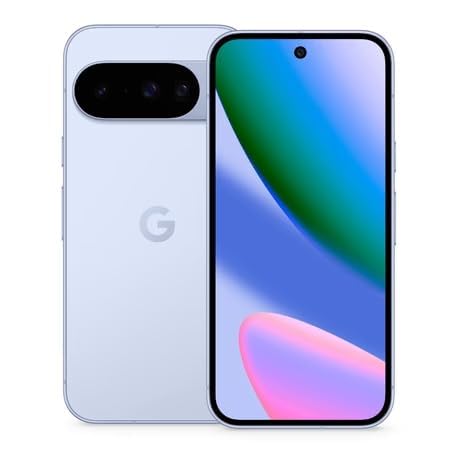
In terms of design tweaks, changes to the camera module, and launch context, one of the biggest design alterations is the shape of the camera module itself. Rather than using an extended oval module (like in past Pixel phones), the case has formed a rectangular oval shape that should provide a "smoother" appearance on the back of the phone compared to previous Pixel phones - possibly providing an overall improved design appearance. This kind of shift could reframe how the rear camera system sits within the panel, even as the overall dimensions of the handset remain similar to the previous generation.
In addition to these design notes, other reports mention Google may be exploring an under-display infrared system intended to enable more secure facial recognition for the Pixel 11 series. While unconfirmed in this listing, such a feature would align with a broader push toward biometric options in newer Pixel devices.
The Pixel 11 Pro XL is reportedly codenamed “kodiak” or PKK4, according to earlier reports. The Pixel 11 Pro is said to carry the codename “grizzly” or CGY4, while the standard Pixel 11 could be identified internally as “cubs” or 4CS4. There is also talk of a Pixel 11 Pro Fold being developed under the codename “yogi” or 9YI4. Google is expected to unveil the Pixel 11 lineup later this year, with the usual third-quarter timeframe cited in several previews and industry chatter.
The case listing from ThinBorne and related chatter illustrate how accessory makers repeatedly obtain advance design data ahead of a phone’s release. The previews assist in defining the overall ecosystem for protection and help construct a broader idea of what to expect from Google's Precious Pixel line coming to the next flagship version of the device.
In summary, based on these recent renders of the new type of phone cover case, the lenses bump out or are recessed less (thinner profile), so that you will not have an obvious appearance adjustment from last year's version when you hold either model.
While the visual difference between #10 and #11 may be minimal on both devices, any change to either camera's profile could change the feel of the back of the device while holding it well before the devices have been formally released.
- Material: aramid fibre
- Will allow for MagSafe-compatible accessories
- Camera bump may be lower and less protruding
- Shape of camera bar is wider with rounded rectangle profile
All other details (including identified teleportation references) cannot be confirmed until each device has been announced either through media announcements or demonstrations at trade shows.
Related Products




Google Pixel 11 Pro Leaked Renders Show Thinner Bezels and New Camera Module
Google Pixel 11 Pro renders surface with design changes Leaked CAD renders of the Google Pixel 11 Pro have surfaced online, suggesting the rumoured phone could arrive with a redesigned rear camera module, thinner bezels and a slightly slimmer body. The images were published by Android Headlin...

Google Pixel 11 Leak Shows Thinner Bezels and Black Camera Bar
Google Pixel 11 leak points to small design changesGoogle’s Pixel 11 may still be months away, but leaked CAD renders have already shown what could be the first look at the next standard Pixel phone. The images, first shared by Android Headlines from leaker OnLeaks, suggest only limited changes to t...

Pixel 11 Pro Fold Leaks Show Redesigned External Camera Module
Design and Camera Module Changes Google’s next generation foldable phone, the Pixel 11 Pro Fold, appears in purported CAD renders that show a redesigned external camera module. Android Headlines, collaborating with tipster Steve H.McFly (OnLeaks), published images that offer multiple an...

Google Pixel 11 Pro XL Leaked CAD Renders Show Pixel 10 Pro XL Like Design
Google Pixel 11 Pro XL CAD Renders Surface Online Leaked CAD-based renders of the Google Pixel 11 Pro XL have appeared in a report, giving an early look at the top-end model in the Pixel 11 series. The visuals suggest a design that is closely aligned with the Pixel 11 and Pixel 11 Pro, while...

Google Pixel 11 Pro Fold leaks point to 8-inch display and quad camera
Google Pixel 11 Pro Fold render leaks now point to an 8-inch inner display foldable with a quad-camera setup, plus a Pixel Glow notification LED on the rear. If accurate, the leaks suggest Google is leaning harder into hardware differentiation ahead of the August 12 launch, with Samsung’s...

Pixel 11 Pro Fold Pine leak shows new colorway and camera redesign
Google Pixel 11 Pro Fold leaks are pointing to a fresh Pine finish, a lighter gold frame, and a cleaner rear camera layout. The details are still based on renders and reports, but they give a fairly clear early look at how Google may be shaping its next foldable ahead of launch. Google Pi...