


Xiaomi 17 Pro Max – The iPhone Lookalike That Impresses
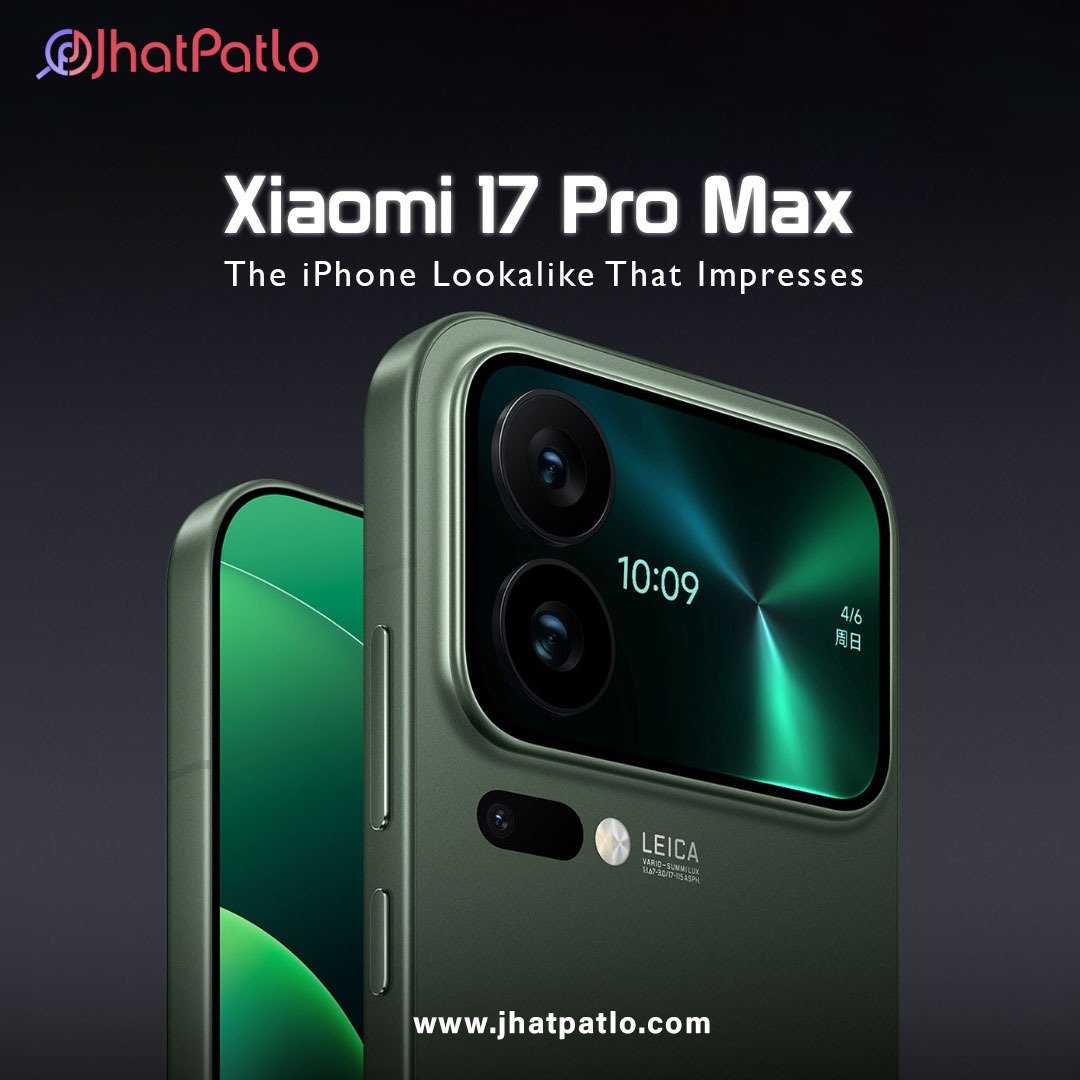
Xiaomi 17 Pro Max – The Phone That Looks Like an iPhone but Plays Its Own Game
Every year, new smartphones try to do something bold. But sometimes, a phone doesn’t just try—it borrows from the best and still finds its own way to impress. That’s exactly what the new Xiaomi 17 Pro Max does. At first glance, it might remind anyone of the latest iPhone 17 Pro Max. But dig a little deeper and you will realize it is more than a look alike—it is a mix of clever engineering, solid performance and a few unexpected surprises that make it worth talking about.
The Box That Builds Curiosity
The first thing that catches attention is the box itself. It is taller than a normal smartphone box which instantly makes you curious about what’s packed inside. Opening it feels like unboxing something premium. Inside sits a 100W charger, compact yet powerful, along with a Type-A to Type-C cable, some documentation, and a hard-shell protective case that actually feels sturdy.
Even before switching the phone on, Xiaomi gives off a sense that it’s trying to balance between luxury and practicality—something that not many brands manage well.
A Design That Feels Familiar Yet Bold
It’s impossible to ignore how heavily the design is inspired by the iPhone 17 Pro Max. The edges, the finish, and even the feel in hand give that déjà vu vibe. But Xiaomi didn’t just stop at copying; it went ahead and tried to outplay Apple in some areas.
The camera module tells the story. Instead of three cameras like the iPhone, Xiaomi placed two main cameras and added a tiny display around the camera module—a feature that instantly stands out. That little screen isn’t just for show; it’s functional, bright, and smooth. Below it, there’s another camera-like strip that mimics Apple’s dynamic island look.
And surprisingly, the fit of its protective case almost matches the iPhone’s dimensions. If you try, it even fits—just the button placement differs slightly.
Power That Pushes Limits
The Xiaomi 17 Pro Max houses a massive 7500mAh battery, something no flagship phone has offered till now. Despite this huge battery, the device is lighter than the iPhone 17 Pro Max, which is impressive. The phone supports 100W fast charging, 50W wireless charging, and even 22.5W reverse wireless charging. That’s serious power management.
On top of that, it runs on the latest Snapdragon 8 Elite J5 processor, paired with 12GB RAM and UFS 4.1 storage. These specs make it one of the strongest Android devices around. Early benchmarks show some optimization issues since the unit is an imported variant, but the hardware clearly has potential.
When tested with heavy games like Genshin Impact and BGMI, the performance was smooth, and heating stayed around 39°C—a sign that Xiaomi’s thermal design is on point.
The Display That Shines (Literally)
The main display is a 6.9-inch LTPO panel, supporting Dolby Vision and HDR10+, with a mind-blowing 3500 nits of peak brightness. To put that in context, the iPhone 17 Pro Max peaks at 3000 nits. So yes, this screen can practically light up your face under bright sunlight.
The colors on the Xiaomi display are vibrant and crisp, though Apple still has an edge in natural color accuracy. But when it comes to visual punch and brightness, Xiaomi clearly takes the lead.
That Tiny Rear Display – Not Just a Gimmick
The small display around the camera module is one of the coolest things about this phone. It’s not just there to look different—it’s surprisingly functional. You can check notifications, control the camera, see the clock, scan QR codes, and even receive calls.
Even better, this mini display uses the same LTPO technology as the main screen and supports the same 3500 nits peak brightness. That means it’s not a low-grade panel—it’s top-notch quality.
And yes, you can use it to take selfies using the main camera setup, just like the Samsung foldables do. It’s small touches like these that make the phone stand out.
The Gaming Case That Doubles as a Controller
Here’s where Xiaomi gets creative. The company designed a special case for the 17 Pro Max that turns into a mini gaming controller. It connects via Bluetooth, adds physical controls, and even has its own small display where mini-games can be played. Sadly, it requires a Chinese account to activate right now, but the concept itself feels next-level.
The case also supports charging, which is wild. It’s like Xiaomi decided to throw in a gaming accessory straight into the phone’s package instead of selling it separately.
Cameras That Mean Business
Coming to the camera department—there are three 50MP sensors on the back, including a 5X telephoto lens. The results are sharp, detailed, and full of Leica’s signature color science. Xiaomi’s partnership with Leica continues to pay off, giving images that look artistic yet balanced.
The photos are detailed, though skin tones on the Chinese model seem tuned for local preferences—slightly brighter and smoother. The front camera also comes with a 50MP sensor, delivering crisp selfies with rich colors.
What’s special is that even the rear mini-display allows full camera control. It can record 8K videos while showing the live viewfinder on that small screen. That’s something even many dual-display phones skip.
Software That Feels a Bit Too Familiar
The Xiaomi 17 Pro Max runs on HyperOS 3.0, the latest version of Xiaomi’s custom skin. It brings smoother animations and a refined interface. But here’s the thing—it looks a lot like iOS.
From icon design to the control center layout, Wi-Fi toggles, and even lock screen customization—it all feels like déjà vu. The way fonts, colors, and menus behave is eerily similar to the iPhone. Xiaomi clearly wanted users to feel at home if they were switching from iOS.
Still, it’s not a bad thing. The UI feels stable, responsive, and packed with features. It’s just that originality seems to have taken a back seat here.
Price and Final Thoughts
In China, the Xiaomi 17 Pro Max is priced around ¥6000, which roughly translates to ₹85,000–₹90,000 in India. For what it offers—a large LTPO display, dual high-quality screens, flagship chipset, huge battery, and premium design—it’s a pretty balanced package.
Sure, it borrows a lot from Apple, but it also adds enough of its own magic to stand out. The gaming case, 7500mAh battery, and that crazy bright rear display are all things you won’t find on an iPhone.
Xiaomi’s approach this year seems clear: take the best ideas from Apple, refine them with its own twist, and make something that feels powerful, flashy, and futuristic. Whether that’s innovation or imitation is up for debate—but one thing’s sure: the Xiaomi 17 Pro Max is one of the boldest Android flagships of the year.
Final Thought
Phones like this remind us that inspiration and competition often walk hand in hand. Maybe Xiaomi borrowed a lot, but it also dared to go where others didn’t. The real question is—does originality matter more, or is it okay if a phone simply delivers what users want even if it feels familiar?
Related Products


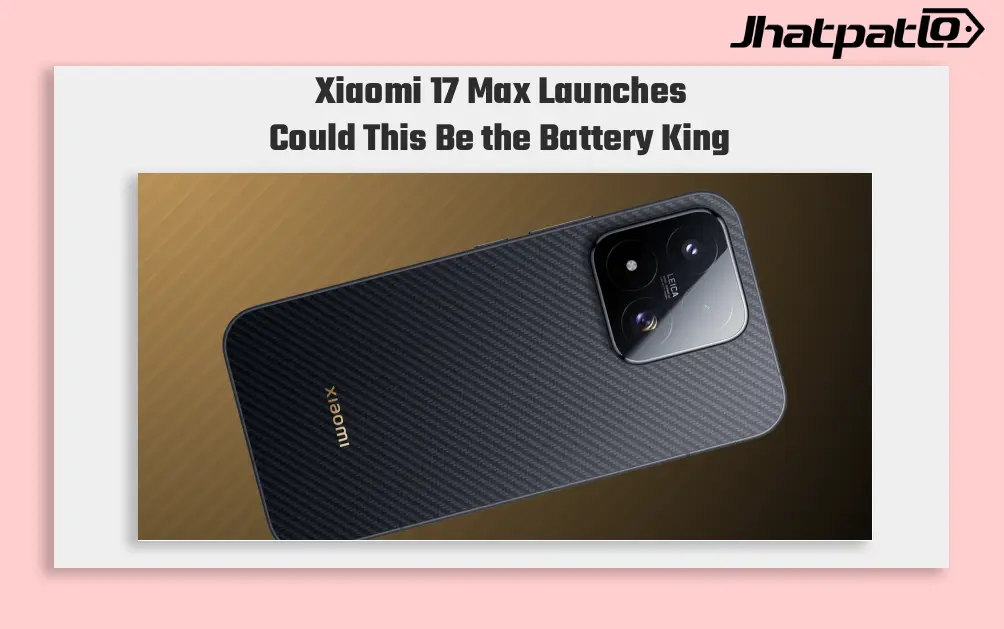
Xiaomi 17 Max Launches May 21 With 8,000mAh Battery Focus
Xiaomi puts battery endurance at the center of its new flagship Xiaomi 17 Max Launches in China for May 21, introducing the first Max model in its flagship smartphone lineup. The phone is set to combine Qualcomm’s Snapdragon 8 Elite Gen 5 chip with an 8,000mAh battery and a Leica-backed tripl...
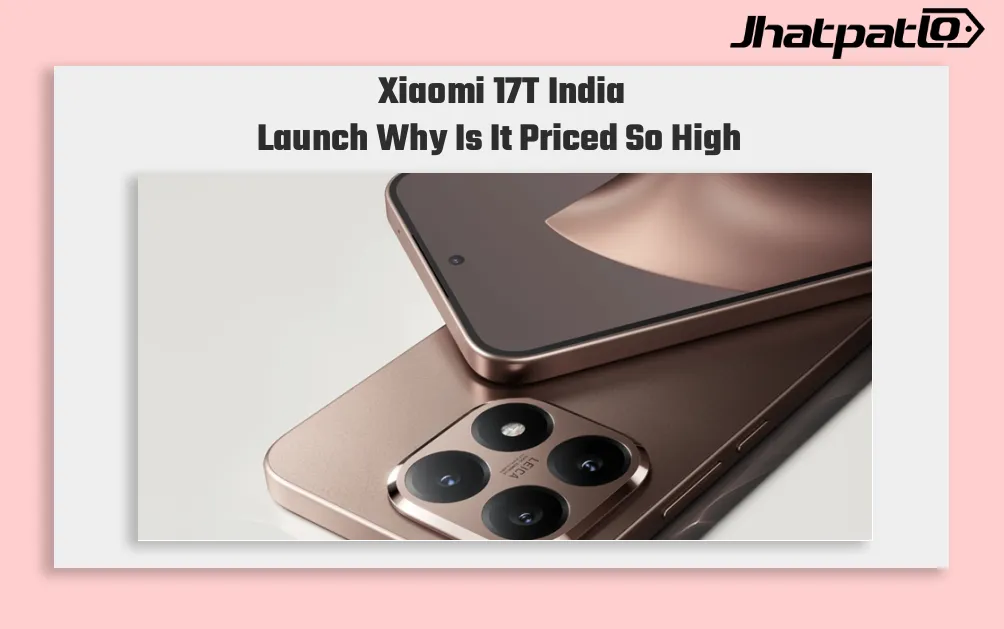
Xiaomi 17T India Launch Puts Camera Focus Above Raw Value
Xiaomi confirms June 4 India launch for 17T Xiaomi 17T India Launch on June 4, and the phone is already drawing attention for the gap between its premium positioning and its chipset choice. The device is expected to use the Dimensity 8500 Ultra, the same processor already seen in lower-priced...

Xiaomi 17 Launches in India With Snapdragon 8 Elite Gen 5 and Leica Triple Camera
Xiaomi today unveils the Xiaomi 17 for India, launching alongside the Xiaomi 17 Ultra. The standard flagship model in the lineup runs on Qualcomm's Snapdragon 8 Elite Gen 5, a 3nm-based processor paired with an Adreno GPU and the Qualcomm AI Engine. Xiaomi positions the handset as part of it...
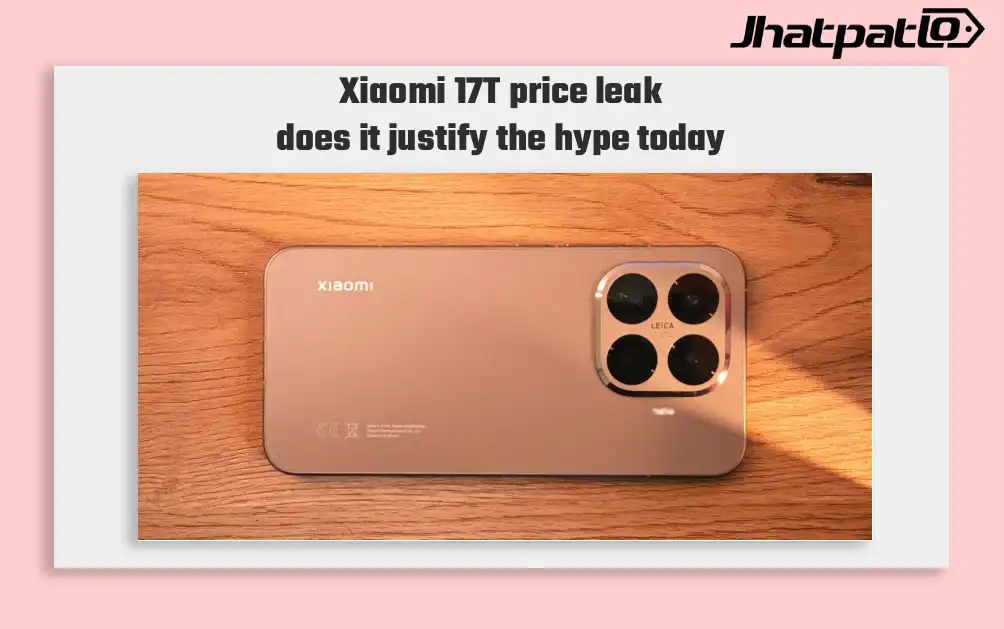
Xiaomi 17T Leaked With 6500mAh Battery 120Hz Display And €749 Price
Xiaomi 17T and 17T Pro specs leak before launch A new leak has listed what appears to be the full specifications and pricing for the Xiaomi 17T and Xiaomi 17T Pro, after the Xiaomi 17T was recently certified in Brazil and spotted in the Geekbench database. The details point to AMOLED displays...
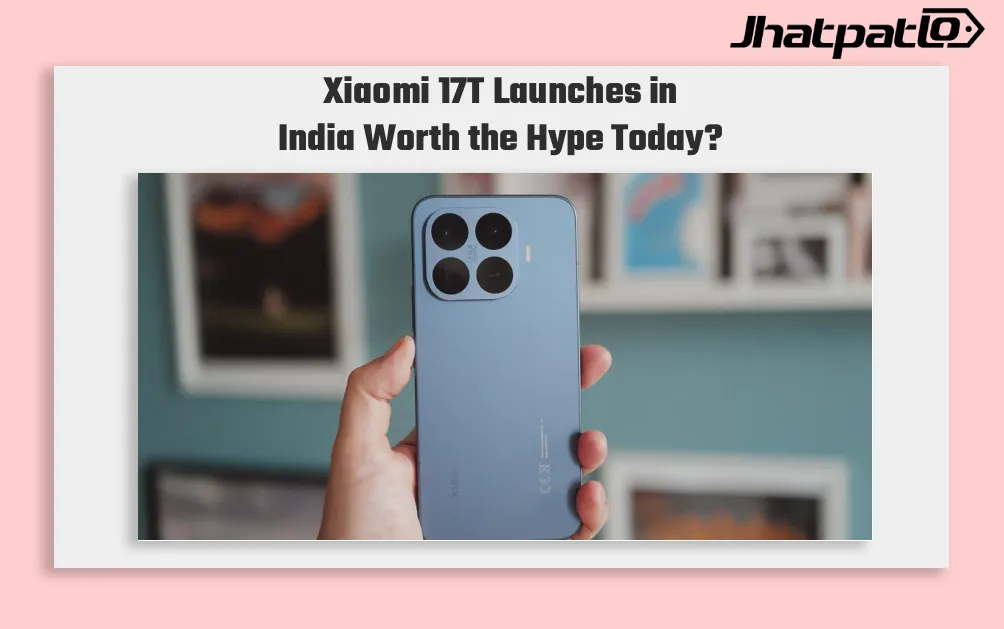
Xiaomi 17T Launches in India With 5x Leica Periscope Camera
Xiaomi 17T Launches in India with a clear focus on zoom photography, premium hardware, and launch pricing that includes bank offers and buyback support. The phone brings a 5x Leica periscope camera, Dimensity 8500-Ultra chip, and a 6,500mAh battery for buyers comparing it with othe...
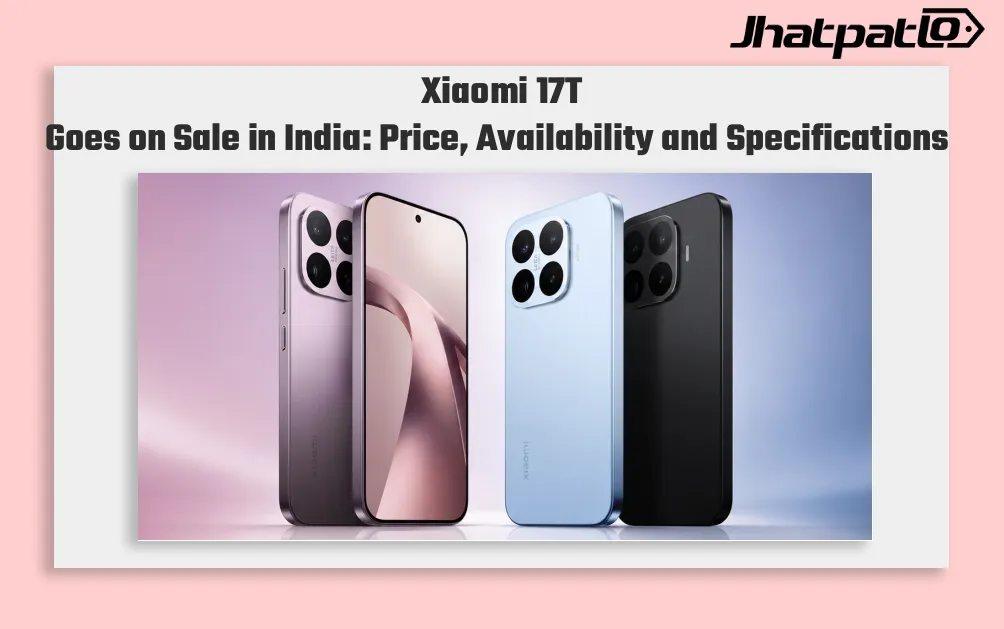
Xiaomi 17T Now on Sale in India With Dimensity 8500 Ultra and 6,500mAh Battery
Xiaomi 17T is now on sale in India through Xiaomi’s online store, Amazon.in, and retail outlets, with pricing starting at Rs 59,999. The phone combines a Dimensity 8500 Ultra chip, Leica-backed cameras, HyperOS 3, and a 6,500mAh battery, putting it in a crowded upper-midrange segment where spe...