


How to Buy the Perfect Phone in 2026: A Practical Guide to Value and Features

We spend hours scrolling, swiping, and snapping photos. So choosing a phone shouldn’t feel like decoding a new language. Here’s a straight path to the best phone in 2026 for any budget.
Set a Realistic Budget First
Budgeting isn’t just about a number; it’s about expectations. In 2026, prices drift upward. Budget phones under ₹10,000 still exist, but they trade off display and performance. Mid-range phones between ₹15,000 and ₹25,000 hit a sweet spot for most people. Above ₹25,000, the market begins leaning toward premium mid-range or flagship territory. The key is to pick a bracket and then stick to it so the next few years don’t feel like chasing the market’s latest hype.
Common pitfall: putting a ₹20,000 budget and ending up with a ₹23,000 phone that then gets upgraded to a ₹25,000 offline upsell. So plan with your actual ceiling in mind. The price shift in 2026 means it’s worth budgeting a bit more if possible to unlock better panels, cameras, and software support.
Display Matters More Than You Think
You spend most of your day looking at the screen. That makes the display a top-priority spec. Here’s how to think about it for price pools:
- Under ₹10,000: IPS display is acceptable if it keeps the price low and battery life reliable.
- ₹15,000–₹25,000: Full HD+ AMOLED plus 120Hz is a must for smooth scrolling and vibrant colors.
- Above ₹25,000: Aim for at least 1.5K resolution AMOLED with 120Hz and solid color accuracy.
Another piece: TÜV Rheinland certification. This may feel like a small thing, but it helps limit blue-light exposure, reducing eye strain after long sessions. If a display hits the right brightness, color, and certification, chances are your eyes will thank you after marathon sessions and late-night chats.
| Price range | Display rule |
|---|---|
| Under ₹10,000 | IPS acceptable |
| ₹15,000–₹25,000 | Full HD+ AMOLED + 120Hz |
| Above ₹25,000 | 1.5K AMOLED + 120Hz minimum |
In 2026, if a phone doesn’t meet these display standards for its price range—avoid it. If it offers more, that’s great.
Camera Reality Check: What Really Makes Photos Look Great
Megapixels still get a lot of attention, but they aren’t everything. In 2026, camera quality hinges on three things: the sensor, image processing, and stabilization. A phone can boast a 108MP or 200MP count and still disappoint if the sensor isn’t paired with good software and reliable OIS. The magic usually happens when these three align:
- Sensor: a modern high-quality sensor from Sony tends to perform consistently in most lighting.
- Image quality: color accuracy, dynamic range, and skin tones that look natural in real life.
- Stabilization: OIS (Optical Image Stabilization) helps in low light and when zooming or handholding in motion.
For genuinely camera-focused phones in 2026, aim for:
- Sony sensor
- OIS
- Telephoto or periscope lens
If any of these are missing, the phone isn’t delivering a true camera-centric experience. A simple rule helps shoppers decide quickly:
- ₹15k–₹20k: OIS is a must
- ₹20k–₹30k: OIS + Sony sensor
- ₹30k–₹40k: OIS + Sony sensor + telephoto/periscope
With that in mind, the practical take is: plan to spend at least ₹25,000 if camera performance really matters for everyday photos you’ll actually use.
Performance, Storage, and Longevity: What Keeps a Phone Fresh
Performance isn’t just about gaming; it’s about how long a phone stays responsive. A processor handles the heavy lifting, multitasking, and long-term app support. The ecosystem matters as well—clean software with fewer bloatware helps older devices feel snappier for longer.
One simple hack cuts through the noise: check the AnTuTu score relative to price. It’s not perfect, but it’s a good signal for value. A rough guide:
- Under ₹15,000: 4–5 lakh AnTuTu
- Under ₹20,000: 7–8 lakh
- ₹20,000–₹30,000: 1 million+
- Above ₹30,000: 1–1.5 million (with faster storage like UFS 4.0)
Storage speed matters for gaming and app load times too. Under ₹25k, UFS 3.0 is the minimum; above ₹30k, UFS 4.0 becomes common. If a phone promises top-tier speeds but ships with older storage, that’s a mismatch worth ducking.
Battery is another practical concern. Bigger isn’t always better if the software isn’t optimized. The combination to aim for is a big battery (6000–7000 mAh) plus strong charging capabilities (65W–90W). That pairing tends to translate into more reliable all-day use and shorter refuel times, especially when streaming or gaming on the fly.
Software, Updates, and Brand Trust
Hardware is half the story; software is the other. A phone that runs cleanly, with minimal bloatware and reasonable customization, tends to feel fast longer. In 2026, the expectation is clear:
- At least 3 years of OS updates, and
- 4 years of security updates for phones above ₹20,000
AI features are everywhere now, but the real value comes from consistent updates and dependable performance. The brand’s after-sales support matters too. When something goes wrong, quick service and accessible repair centers save a lot of frustration.
Brand Trust and the Real-World Filter
Trust isn’t flashy, but it’s essential. Before buying, check three things:
- Brand reliability
- Nearby service centers
- After-sales feedback from real users
If the support network isn’t reliable, expensive repairs and long downtimes become the new normal. The goal is a phone that serves as a reliable companion for years, not something that needs a rescue mission every few months.
Putting It All Together: A Practical Buying Chart
For a quick, practical snapshot, consider the following framework when sizing up options. It aligns price with the features that typically matter most in 2026:
| Price range | Key expectations |
|---|---|
| Under ₹10k | IPS display acceptable; good battery; basic camera |
| ₹15k–₹25k | Full HD+ AMOLED + 120Hz; OIS optional; decent camera block; TÜV is a plus |
| Above ₹25k | AMOLED 1.5K+; 120Hz; OIS + Sony sensor + telephoto; 1–1.5M AnTuTu; UFS 4.0 |
Another quick reminder: software support should include at least three years of OS updates and four years of security updates for mid-to-high tier devices. Cameras improve with a good sensor, stabilization, and telephoto options; storage speeds matter for gaming and app load times. When all these align, the phone becomes a trustworthy daily driver rather than a marketing promissory note.
So, what matters most here? Is display quality your top priority, or does the camera, battery, and future updates weigh heavier? The rules above reduce the guesswork and reveal whether a device is truly value-driven or just well-marketed.
If this guide helped, feel free to share with family and friends. And before picking the next device, take a second to jot down the one feature that would make or break the decision for you—would it be better display, camera versatility, or longer software support?
Related Products




iQOO Neo 10 Price in India Updated with New Colour Variants
iQOO Neo 10 Gets New Colours in India iQOO Neo 10 has arrived in two new colour variants, Alpine White and Asphalt Black, while the existing options remain Inferno Red and Titanium Chrome. The phone continues with the same hardware, including a 6.78-inch AMOLED display, Snapdragon 8s Gen 4 ch...

iQOO 15T Specs Leak Suggests 200MP Camera and 8000mAh Battery
Leaks around the iQOO 15T specs leak are pointing to a spec-heavy phone that could sit between the standard iQOO 15 and the rest of the brand’s lineup. Reports from Weibo tipsters Experience More and Digital Chat Station suggest the phone may arrive with a Dimensity 9500 chipset, a 6.82-inch 2...
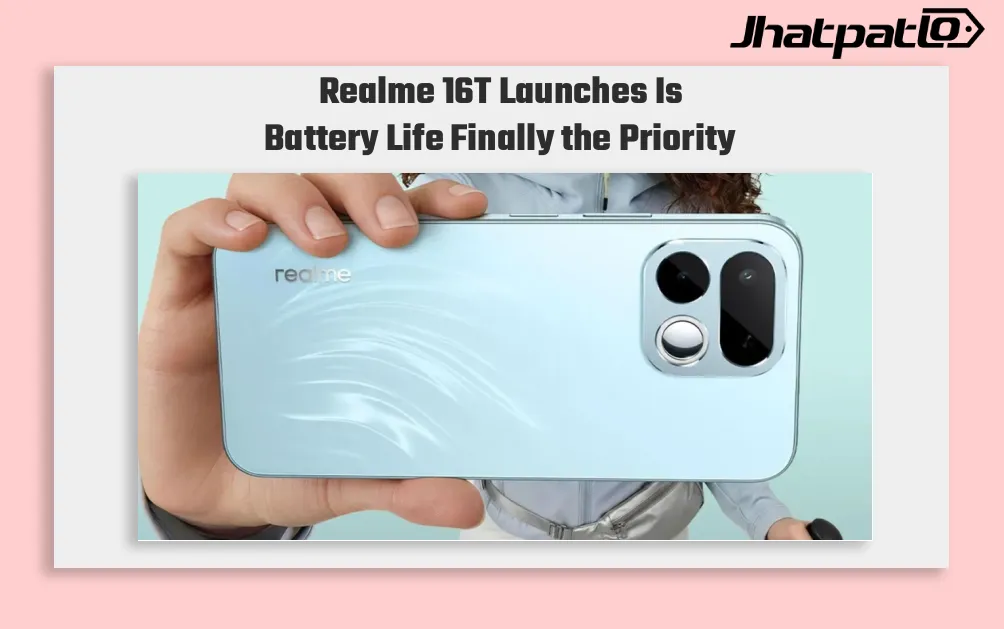
Realme 16T Launches in India With 8000mAh Battery and Rs 29999 Price
Realme 16T launches with battery and durability focus Realme has launched the 16T in India with an 8,000mAh battery, putting endurance at the centre of its midrange pitch. The phone starts at Rs. 29,999 and brings a 144Hz display, Android 16, IP69 protection and bypass charging support. The l...

OPPO Find X9 Ultra Brings Native 10x Zoom to India at ₹1.69 Lakh
OPPO Is Turning the Find X9 Ultra Into a Camera First Flagship OPPO Find X9 Ultra launches in India at ₹1,69,999, putting native 10x optical zoom at the centre of the device’s pitch. The phone arrives as an ultra-premium Android flagship with a penta-camera system co-engineered with Hasselbla...

Realme 16T Price Leak Points to Rs 29,999 Battery Focus
Realme 16T Leak Signals a Battery First Mid Range Strategy Realme 16T Price Leak of Rs 29,999 for the 6GB plus 128GB variant ahead of its May 22 launch. The leak points to an 8,000mAh battery, AI camera features and a position below the standard Realme 16 lineup. The details suggest Realme is l...

OnePlus 16 Leak Points to 185Hz Display and 200MP Zoom Camera
OnePlus 16 Leak Points to a Bigger Flagship Push A new leak about the OnePlus 16 claims the phone is being tested with a 185Hz LTPO OLED display, a 200MP 3x periscope telephoto camera, and a 9,000mAh battery. The details, if accurate, suggest OnePlus is aiming well beyond standard flagship sp...