


Smartwatches, Fitness Bands & Smart Rings Worth Buying in 2025
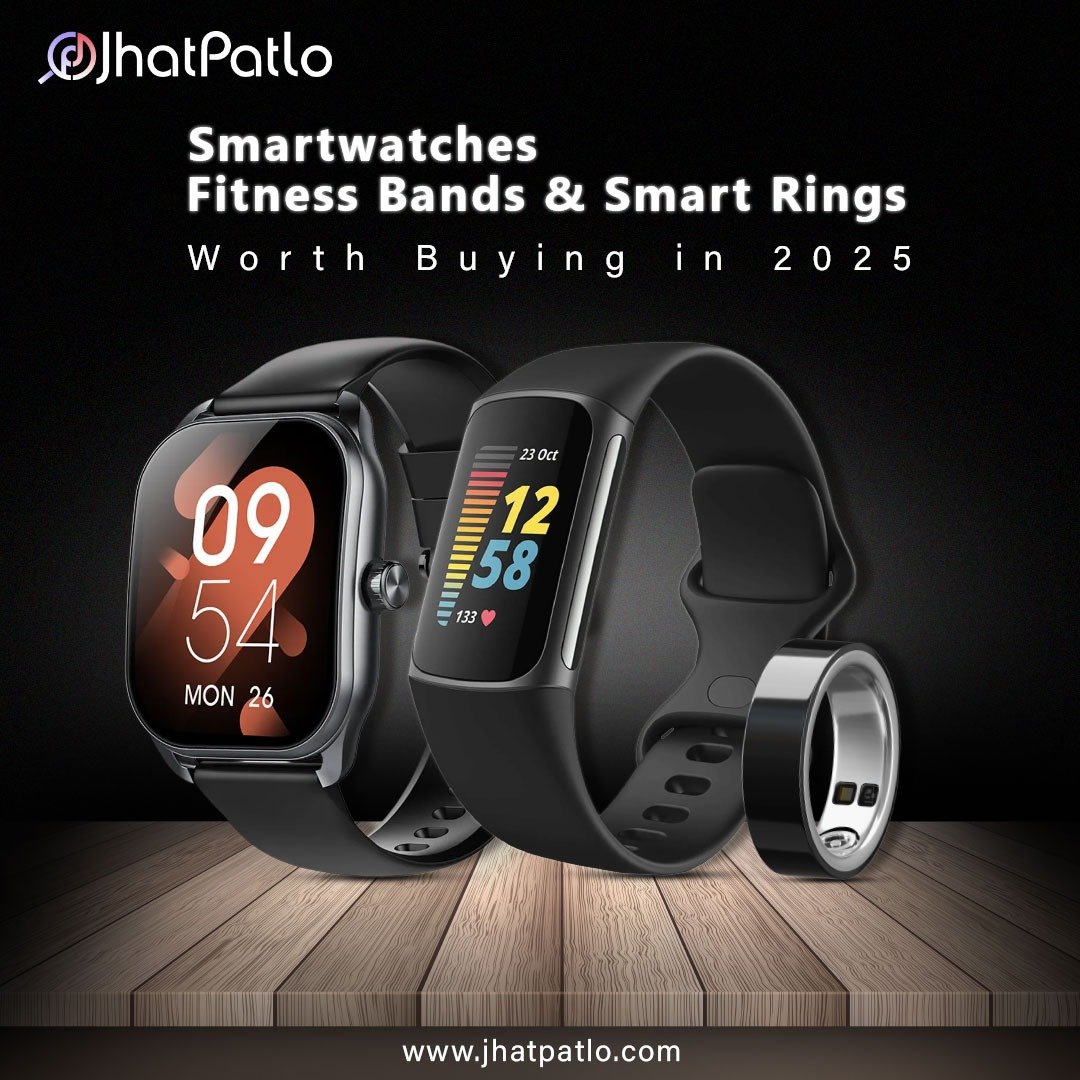
Smartwatches, Fitness Bands, and Smart Rings — What’s Actually Worth Buying?
Walk into any tech store today and you’ll see shelves full of wearables — smartwatches, fitness bands, even smart rings. Everything claims to make your life “smarter.” But do they really? Not always.
If you’ve been thinking about buying one and don’t know where to start, this guide will help you figure out what’s genuinely useful and what’s just hype.
The Market That Grew Around Smartphones
Think about it — most of us start with a smartphone. Then slowly, we add accessories around it: earphones, power banks, smartwatches, and so on. The wearable market basically grew out of this ecosystem.
Phones have become so powerful that brands started looking for the “next thing” to attach to them. That’s how fitness bands, smartwatches, and now smart rings started showing up everywhere.
People wanted to track their health, get notifications faster, or simply look modern — and the market responded quickly. But with growth comes noise. Along with a few genuinely good products, there are dozens that exist just to look fancy, not to perform well.
The Harsh Truth About Cheap Smartwatches
Let’s talk about those low-cost smartwatches — the ones between ₹1,000 and ₹3,000, sometimes even higher. They look fine on paper and the boxes promise all kinds of features — heart rate, SpO₂, sleep tracking, and step counting.
But the truth? Most of them are just toys. The sensors are inaccurate, the software is glitchy, and the companion apps are usually half-baked. You’ll open them twice, get random numbers for your steps and heart rate, and then stop caring.
Sure, they can show you the time and a few notifications, but that’s where it ends. If that’s all you want — something that lights up when your phone rings — fine. But if you actually want reliable health data, these cheap watches won’t give you that.
In short, they’re designed more to look “techy” than to actually help you.
Why Fitness Bands Still Make Sense
Now here’s the thing — if your main goal is to stay fit and track your daily activity, a fitness band still beats most smartwatches.
Good fitness bands from trusted brands have better sensors, stable apps, and longer battery life. They track steps, sleep, heart rate, and sometimes even stress with decent accuracy. They’re lightweight and comfortable enough to wear 24/7.
Because they focus only on health tracking, they do that job much better. You don’t get the flashy features of a full smartwatch, but you get what actually matters — consistent tracking and long-lasting battery.
So, if fitness is your main goal, skip the cheap watches. Go for a proper fitness band instead.
What Real Smartwatches Offer
Then there’s the upper end — the real smartwatches. These are the ones that genuinely extend your phone’s power: think Apple Watch, Samsung Galaxy Watch, or Garmin models.
They can handle calls, messages, payments, navigation — even stream music or track workouts independently if they have LTE. You can literally leave your phone behind and still stay connected.
Of course, they’re expensive. But here’s the difference — they work. You get verified sensors, proper app support, accurate data, and regular updates.
So if you truly want a smartwatch experience — not just a screen on your wrist — these are the only ones worth buying. Everything else is just pretending.
Smart Rings — The Minimalist Option
There’s another interesting category rising quietly — smart rings. They’re small, subtle, and meant for people who don’t want a big screen strapped to their wrist all the time.
A smart ring looks like a regular ring, but it keeps tracking your sleep, heart rate, and activity in the background. You don’t even feel it most of the time, and that’s kind of the point.
But again, avoid the ultra-cheap ones. The accuracy isn’t there. If you’re going to trust something for health data, make sure it’s from a brand that actually tests its sensors and provides a proper app experience.
Smart rings are great for minimalists — but only when you buy a good one.
What’s the Best Setup?
If I had to give one solid piece of advice, it would be this:
- Don’t waste money on cheap smartwatches.
- If you care about tracking your health — get a good fitness band.
- If you want premium convenience — get a branded smartwatch.
- If you like minimal tech — maybe a smart ring.
A lot of people now prefer wearing a simple analog watch along with a fitness band. It looks classy, lasts longer, and still gives you all the tracking data you need.
A Casio or Timex on one wrist and a smart band on the other — honestly, that’s a solid combo for most people.
The Reality of the Budget Market
Let’s be real — most of the budget smartwatch market runs on marketing, not innovation. The same watch is often made in one factory, rebranded a dozen times, and sold at different prices with fancy packaging.
You’ll see ads everywhere — influencers promoting “next-gen smartwatches” that are basically identical copies of each other. They make it sound like life-changing tech, but inside, it’s all the same low-quality hardware.
That’s how these products survive — because people keep buying them thinking they’re getting a deal. But what you’re really paying for is poor quality, short battery life, and unreliable tracking.
The Bottom Line
Wearables are amazing when they’re done right — but they’re not all equal. Before you buy one, ask yourself why you want it.
- If it’s to stay active — get a good fitness band.
- If you want full connectivity — go with a branded smartwatch.
- If you want minimalism — try a good smart ring.
Just avoid the cheap stuff. Most of it is a waste of money and doesn’t live up to the “smart” name. In the end, the right wearable is the one that fits your lifestyle — not the one that just looks good on an ad.
Related Products


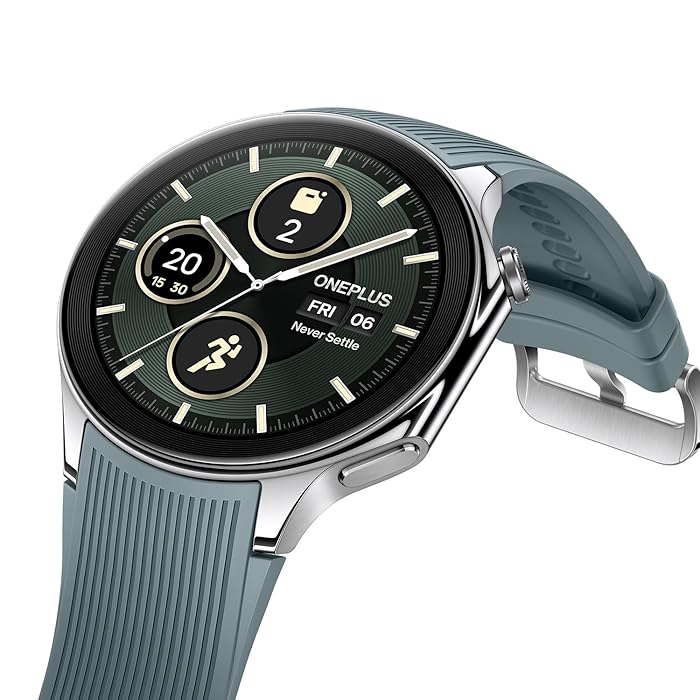



Realme Launches Buds Air8 Pro and Watch S5 on May 22
Realme widens its ecosystem push Realme Buds Air8 Pro and Watch S5 Launch in India on May 22, alongside the Realme 16T. The new products place the company’s focus on affordable ecosystem devices, with features such as 55dB adaptive ANC in the earbuds and a claimed 20-day battery life for the...

CMF Watch 3 Pro Launches in India with ChatGPT and 13 Day Battery
CMF Watch 3 Pro launches in India as the successor to the CMF Watch 2 Pro, which arrived two years ago. The new smartwatch goes on sale on May 8 through Flipkart, with a launch offer bringing the price down to ₹6,999 for a limited period. The standard price is ₹7,999, while the orange variant...

Boat Launches Storm Call 4 and Ultima Vogue 2 With USB-C Charging
Boat Shifts Budget Smartwatch Talk to USB-C Charging Boat Launches Storm Call 4 and Ultima Vogue 2 in India, and the company says the two budget smartwatches are the first in the country with direct USB Type-C charging. The models are priced at Rs 1,599 and Rs 2,799, and they remove the need...
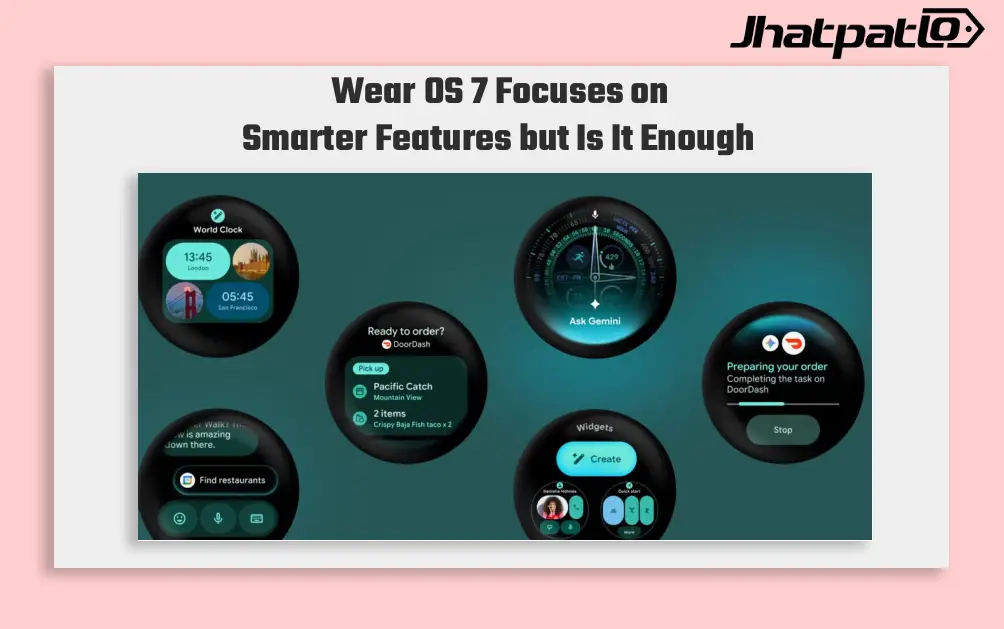
Wear OS 7 Adds Live Updates and Smarter Widgets for Android Watches
Wear OS 7 focuses on everyday smartwatch use Google used I/O 2026 to present Wear OS 7 as a usability update rather than a routine redesign. The update brings Live Updates, redesigned Wear Widgets, Gemini-linked voice actions and up to 10 percent better battery life, with the changes aimed at...

Apple Could Launch Screenless Health Tracker Beyond Apple Watch
Apple is reportedly exploring a screenless health tracker that could sit outside the Apple Watch line, with lighter hardware, new price tiers, and AI health alerts under review. The move matters because Apple is trying to keep health-focused users from switching to Oura and Whoop while exp...
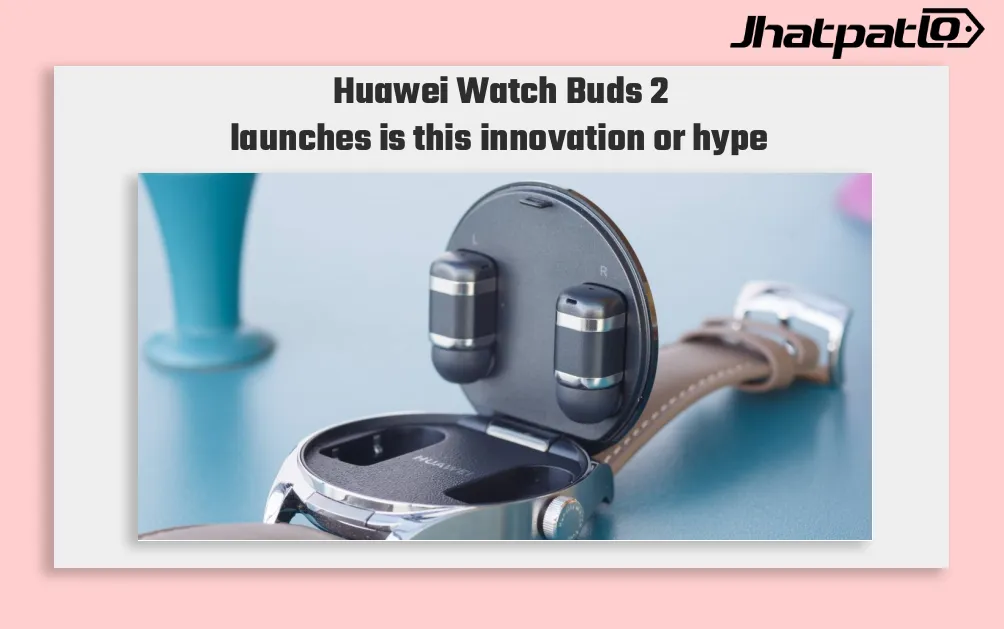
Huawei Watch Buds 2 Launches With Built In Earbuds And LTPO Display
Huawei Watch Buds 2 expands the 2 in 1 wearable line Huawei Watch Buds 2 launches, a smartwatch that keeps the company’s 2-in-1 format by combining a wristwatch with built-in wireless earphones. The device comes with a titanium alloy body, a 1.5-inch LTPO AMOLED display, adaptive earbuds, and...