


Top 5 Smart Air Conditioners That Feel More Practical Than Fancy
Introduction
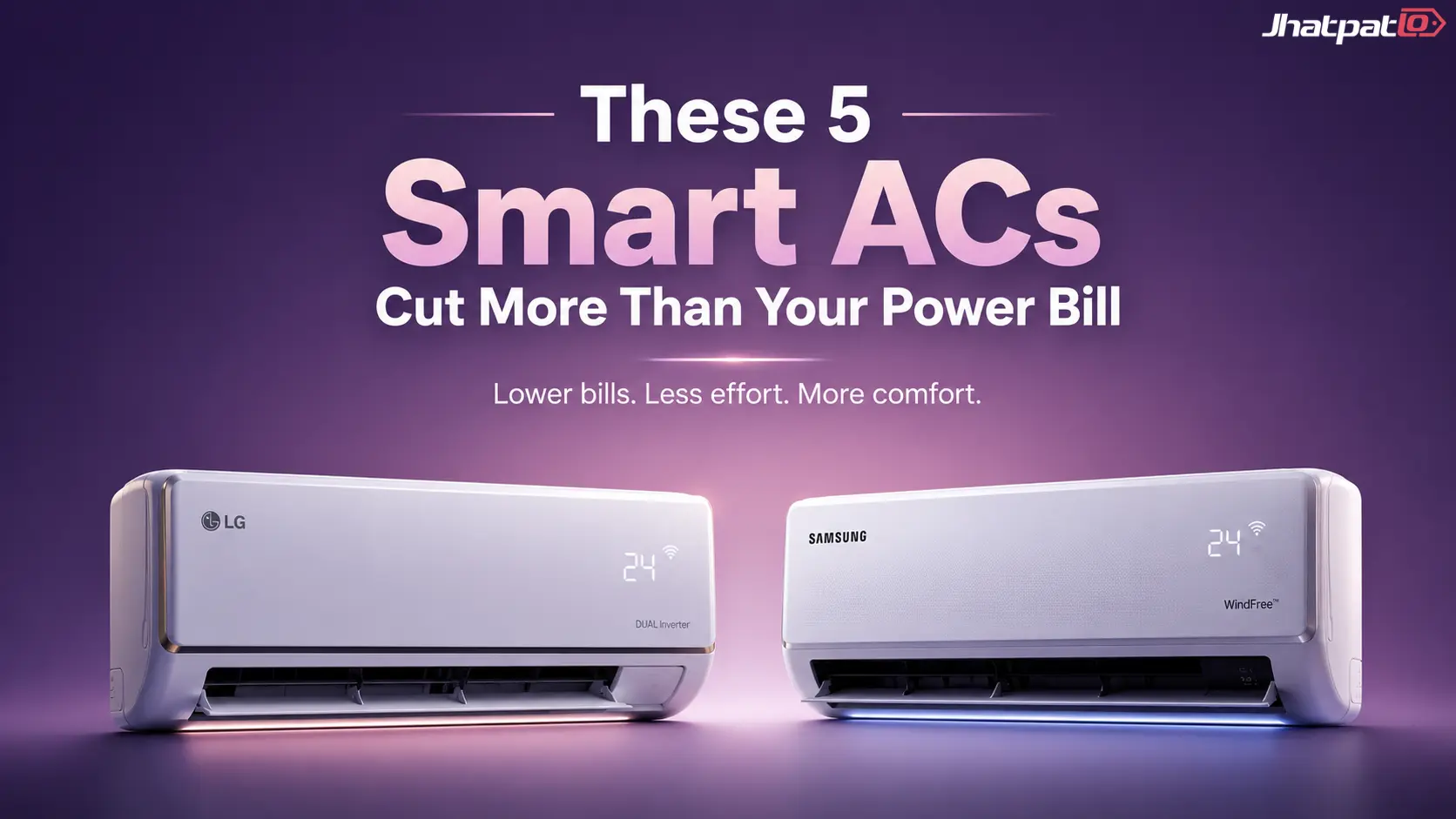
Smart air conditioners stop feeling gimmicky when cooling has to begin before you get home, or when the remote disappears at the wrong moment. That’s really the promise here: app control, fast cooling and a calmer daily routine inside regular Indian homes.
The real tension is that most buyers still start with tonnage and price, then discover later that comfort is decided by smaller things — sleep mode, timer control, voice control and whether the unit is easy to live with.
Quick Highlights
- Smart features matter most when they solve daily annoyances.
- Fast cooling and energy tracking are the real practical wins.
- Some models are better for bedrooms, others for busy family rooms.
- Cleaner filters and self-cleaning help long-term comfort.
Why smart ACs make more sense than the usual buying logic
The argument is simple enough: an air conditioner is no longer just a machine that gets cold. It has to fit around locked houses, messy routines, family members who use it differently and bills that show up later with less mercy.
That is where fast cooling, energy tracking and app control start to look less like extras and more like the basic logic of how people actually use an AC now. The article leans into that everyday friction instead of treating “smart” as a label.
Terms like sleep mode, timer control and voice control belong here because they change the feel of the appliance, not just the spec sheet.
The models that feel genuinely useful, not just heavily loaded
The lineup works best when each AC has one thing that makes it feel immediately sensible — sometimes speed, sometimes energy use, sometimes comfort at night. The point is not that every model does everything well, but that each one solves a different kind of annoyance.
The Panasonic, LG, Haier, Carrier and Samsung models each lean toward a slightly different kind of user, which keeps the comparisons uneven in a good way. Some are about maintenance, some about room size, some about quieter comfort, and some just about cooling the room before the heat becomes irritating.
Panasonic: the one that feels the most complete
The Panasonic 1.5 Ton 3 Star Premium WiFi Inverter Smart Split AC comes off as the most balanced pick, mainly because its smart features do not feel like a distraction. App control sits alongside fast cooling, different cooling modes and a more practical everyday rhythm.
The DustBuster feature, PM0.1 filter and copper condenser give it more substance than a typical app-first AC, especially for homes where dust and long summer use matter. It is the model that feels like it was designed for use, not just for a product page.
LG: the one that keeps things straightforward
The LG AS-Q18JNXE makes its case by not being confusing. The AI Convertible 6-in-1 mode and copper condenser matter, but what stands out is how easily it fits into a bedroom, study room or small living room without forcing a learning curve.
It also has the more long-view practical details — Ocean Black Protection and Gold Fin+ coating — which quietly suggest durability rather than spectacle. That helps the model feel dependable, especially when older family members are part of the daily use.
Haier: the speed-first choice
The Haier HSA18KU-GAI3NB-I is built around the idea that people do not want to wait around in a hot room. The 10-second supersonic cooling is the obvious headline, but the self-cleaning setup is what makes it feel less disposable.
Its 7-in-1 convertible cooling, 4-way swing and app, remote and voice control make it flexible enough for ordinary living, while still keeping the focus on fast relief. This is the one for homes where peak-summer frustration is the real problem.
Carrier and Samsung: two different kinds of practicality
Carrier’s CAI18EE5R36W0 leans into control and awareness, with geo-fencing and a smart energy display making it feel more planned than reactive. That matters for people who follow fixed routines and want the AC to think a little ahead of them.
Samsung’s AR60H18D1LWNNA goes in the other direction: comfort first, especially at night. WindFree cooling, SmartThings app support and Good Sleep mode make it the softer, more bedroom-friendly option, which is a different kind of smart altogether.
| Model | What it stands out for | What it quietly prioritizes |
|---|---|---|
| Panasonic CS/CU-NU18BKY5WX | DustBuster, PM0.1 filter, 5 star rating | Balanced daily use and lower running stress |
| LG AS-Q18JNXE | AI Convertible 6-in-1, durable coatings | Simple use for family rooms and bedrooms |
| Haier HSA18KU-GAI3NB-I | 10-second cooling, self-clean | Immediate relief in harsh heat |
| Carrier CAI18EE5R36W0 | Geo-fencing, smart energy display | Usage awareness and routine-based control |
| Samsung AR60H18D1LWNNA | WindFree cooling, Good Sleep mode | Night comfort and softer airflow |
What actually matters after the first week of use
The list starts looking less like a spec comparison and more like a reminder that comfort is mostly about the small annoyances. Dust build-up, noisy routines, forgetting to switch things off, and bills that creep up all matter more than glossy smart-home language.
That’s why features like DustBuster, self-cleaning, PM2.5 filter protection, AI Cooling and energy display deserve attention. They are not equally dramatic, but they do the unglamorous work of making an AC easier to live with over time.
This is also where the phrase smart home automation ideas feels less abstract — the best versions of it are boring in the right way.
FAQ
The doubts here are less about the brand names and more about whether the smart features are worth paying for, especially when the buyer only wants cooling that works without drama.
Q: Are smart air conditioners actually useful, or just app control with a higher price?
They are useful when app control solves a real habit problem — like cooling before arrival, managing a locked home or using timers more cleanly. If that does not matter to you, the smart part can feel decorative.
Q: Which feature matters more: fast cooling or energy saving?
For most Indian homes, both matter, but the balance depends on use. Fast cooling feels more important in peak summer, while 5 star ratings, ISEER numbers and smart energy tracking matter more when the AC runs for long hours.
Q: Is WindFree cooling better for bedrooms?
Usually, yes, if you dislike direct cold air at night. Samsung’s WindFree approach and Good Sleep mode make more sense for sleep than for a room that needs aggressive daytime cooling.
Q: Which AC in this list feels easiest to live with every day?
The Panasonic model feels the most complete, while LG feels the least complicated. Haier is more about speed, Carrier about control, and Samsung about softer nighttime comfort.
Conclusion
The strongest smart ACs here are not the ones that sound the cleverest, but the ones that make ordinary cooling less irritating over time. App control helps, but the real value comes from fast cooling, cleaner running and features that quietly fit around daily life.
If the purchase is for a room that gets used often, the better question is not whether the AC is smart enough — it is which kind of comfort problem it solves without asking for attention back.

Aman Dixit
✉ aman79dixit@gmail.comRelated Products


Xiaomi Launches Mijia Air Conditioner Powerful Air Pro 1.5 HP in China
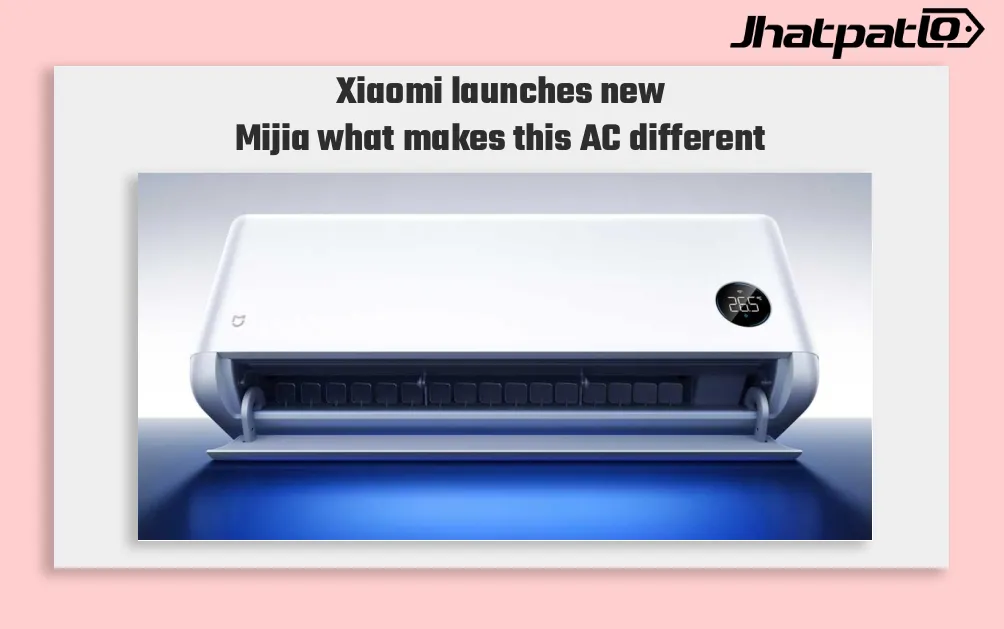
Xiaomi launches Mijia Air Conditioner Powerful Air Pro 1.5 HP in China Xiaomi launches new Mijia Air Conditioner Powerful Air Pro 1.5 HP (Super Level 1 Energy Efficiency) in China, adding a new flagship model to its smart home lineup. The company says the unit is built for rapid cooling and h...
Samsung Brings Vision AI to 72 TVs in India With Micro RGB Debut
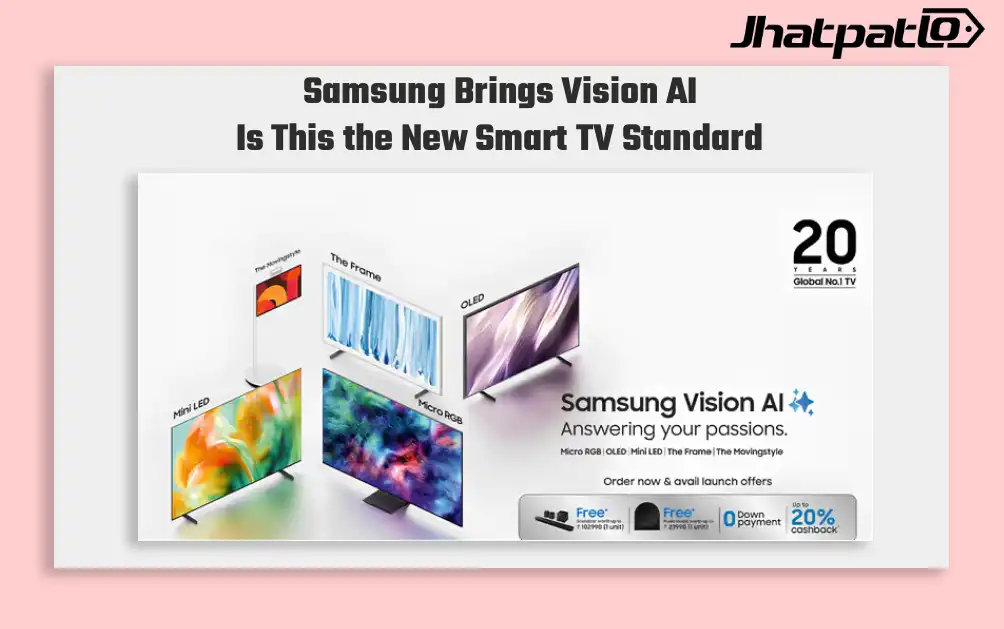
Samsung Brings Vision AI to More TV Models Samsung has launched 72 TV models in India for 2026, extending Vision AI across 4K and above models and adding Micro RGB TVs to its lineup. The company said the range starts at Rs 36,990 for UHD models and goes up to its premium Micro RGB offerings....

Acer Aspire 5 AI Launches in India at Rs 79,999 With Core Ultra Chips
Acer brings Aspire 5 AI to India at a starting price of Rs 79,999 Acer Aspire 5 AI Launches in India, with pricing starting at Rs 79,999. The laptop comes with Intel Core Ultra H-series processors, up to Core Ultra 7, along with up to 32GB LPDDR5 RAM and 1TB SSD storage. The new model is built...

Amazon Great Summer Sale Teases Galaxy S25 Ultra at Rs 94,999
Amazon Great Summer Sale Teasers Ahead of May 8 Start Amazon has started teasing smartphone deals for its Great Summer Sale, which begins on May 8, with one of the biggest highlights being the Samsung Galaxy S25 Ultra at a claimed Rs 94,999. The listed price is below the phone’s current...

Acer Iconia iM11 5G Launches in India at Rs 25,499
Acer launches Iconia iM11 5G in India Acer Iconia iM11 5G Launches in India with a starting price of Rs 25,499, placing the tablet in the country’s mid-range Android segment. The device comes with stylus support, Android 15, 5G connectivity and optional keyboard accessories, with Acer aiming...

Realme 16T Sale Starts in India With 8000mAh Battery and Rs 29,999 Price
Realme 16T Goes on Sale in India Realme 16T has gone on sale in India starting at Rs 29,999, with the phone’s 8,000mAh battery becoming its main selling point. The device enters the mid-range market with a clear focus on endurance, while the MediaTek Dimensity 6300 chipset leaves a visible tr...