


Apple iPhone 17e review feels tempting until the little compromises start speaking louder
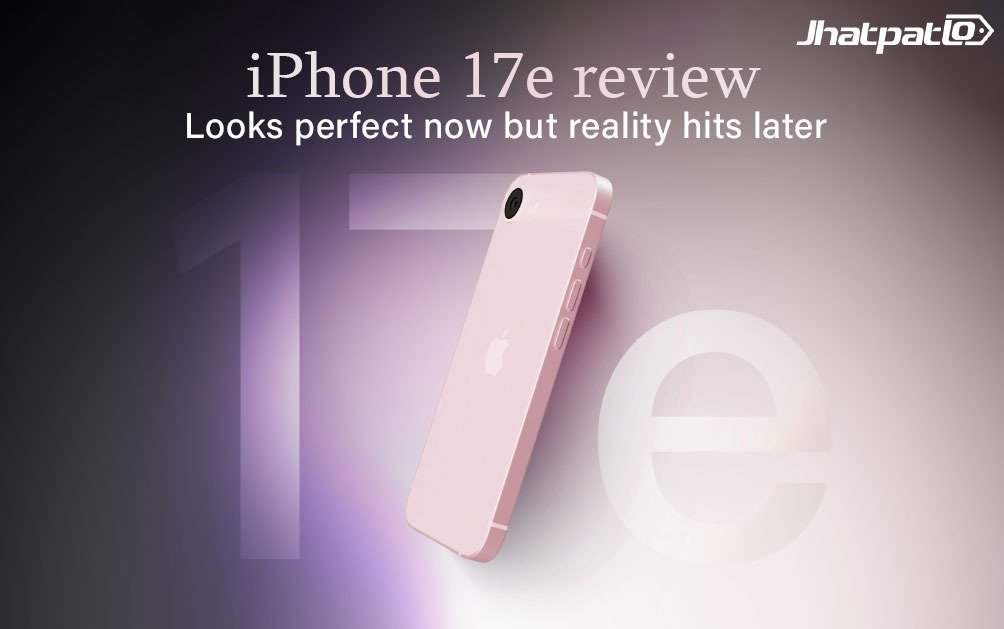
What really makes an iPhone feel special? Not just the logo, obviously. It’s the weirdly satisfying mix of smooth performance, long software support, reliable cameras, and that sense that everything around it just works. The Apple iPhone 17e leans hard into that idea. It’s Apple’s most affordable new iPhone right now, and that alone gives it a certain pull that’s hard to ignore. This **Apple iPhone 17e review** builds on that same idea, looking at whether that “special” feeling still holds up in real-world use.
But here’s the thing: the iPhone 17e isn’t trying to win every spec fight. It’s trying to get you into the Apple ecosystem without making your wallet cry too loudly. That’s a different game. And depending on what you care about, it’s either a smart entry point or a reminder that Apple still knows how to charge for restraint.
Quick Highlights
- Compact iPhone design with a premium feel
- A19 chip delivers very smooth everyday performance
- MagSafe finally joins the party
- 60Hz display and wide notch still feel dated
- Best for Apple ecosystem first-time buyers
That familiar iPhone feeling, for better or worse
The iPhone 17e looks and feels like an iPhone the second you pick it up. It’s compact, well built, and has that polished, almost understated premium vibe Apple is known for. This year’s pink color option adds a little personality, while the matte finish keeps fingerprints from turning the back into a mess. Small detail? Sure. But small details are exactly where Apple likes to flex.
The phone also gets IP68 water and dust resistance, which means it can survive the usual accidental splash or brief dunk without drama. The new Ceramic Shield 2 on the front is another welcome upgrade, promising better scratch resistance. That matters more than people think, because one rough week in a pocket with keys can ruin your mood fast.
There’s still no camera control key on the side, which some people won’t miss at all. Instead, you get the Action button, and honestly, that’s the more useful choice for most users. The single rear camera keeps the back clean and simple. Some might call that minimal. Others might call it a bit too basic for the price. Both can be true.
The display does the job, but it doesn’t quite thrill
The 6.1-inch Super Retina XDR OLED display is sharp, bright, and easy to live with. Text looks crisp, colors look accurate, and HDR10 content pops nicely. In normal use, it’s a perfectly good panel. If you’re moving up from an older budget phone, you’ll probably notice the jump immediately.
Still, this is where the iPhone 17e starts feeling like Apple has trimmed a little too close to the bone. The display is locked to 60Hz, there’s no Always-On Display, and the wide notch up top instantly reminds you that this is the cheaper iPhone, not the stylish flagship. It works, absolutely. But once you’ve used a smoother 120Hz phone, 60Hz can feel like an old habit you can’t fully unlearn.
Face ID remains excellent, though. It unlocks quickly and works well in different lighting conditions, which is one of those things you stop noticing only because it’s usually so dependable. That’s classic Apple, really. The tech doesn’t need to shout if it can quietly do its job every single day.
Camera limits are obvious, but the main sensor still pulls weight
The iPhone 17e keeps things simple with a single 48MP main camera and a 12MP selfie camera. There’s no ultrawide lens, no telephoto lens, no fancy extras hanging around to make the spec sheet feel fuller. That might sound like a downgrade, and in a way, it is. But the main camera itself is genuinely solid.
In daylight, the iPhone 17e captures crisp, colorful shots with good detail. Sometimes the processing leans a little sharp, but the images are pleasing overall. The so-called near optical 2X zoom is just a crop from the main sensor, so it’s not magical, but it’s useful enough for casual shots when you want a closer framing without completely falling apart.
Portrait photos are decent, though edge detection isn’t always perfect. Skin tones, however, look natural, and that often matters more than people admit. A phone can have all the computational tricks in the world, but if faces start looking weird, the magic breaks very quickly.
Selfies are another small win. The front camera does a nice job with lighting and edge separation, so video calls and social media shots should feel dependable. In low light, the iPhone 17e is respectable rather than spectacular. It can take sharper images than some rivals, but it doesn’t completely dominate the scene. The Google Pixel 10a comparison makes that pretty clear: Apple tends to give you more detail, while Google sometimes handles flare and brightness a bit more gracefully.
So, if you’re hoping for a camera phone that can do a bit of everything, this isn’t that. If you want a reliable main camera and don’t mind living without the extra lenses, the 17e makes more sense.
Performance is where the iPhone 17e quietly flexes
This is the part where the iPhone 17e starts looking much stronger than its price might suggest. It runs on Apple’s A19 chip, built on 3nm technology, and that matters. A lot. The phone feels fast in normal use, transitions are smooth, apps open quickly, and even heavy games don’t seem to scare it. You can tell Apple has put serious silicon muscle into this device.
Benchmark numbers back that up too. The iPhone 17e scores well in AnTuTu and Geekbench, sitting comfortably ahead of many midrange Android phones. But benchmarks are only half the story. What really matters is that the phone feels stable and fluid in everyday use. No weird lag. No odd slowdowns. No little annoyances that make you second-guess your purchase.
That said, the iPhone 17e does fall short of its more expensive sibling, the iPhone 17, in a few benchmark areas. You’d expect that, and Apple has made sure the gap exists. But for most people, the real-world difference will feel smaller than the numbers suggest.
Battery life is fine, not fantastic
Battery life is probably the most mixed part of the experience. If your day is light, the iPhone 17e can get you through comfortably enough. But push it a bit harder, especially with a lot of screen time, and you may find yourself reaching for a charger before the day is over. That’s not ideal, especially at this price.
The upside is charging. In testing, the phone went from 20 percent to full in about an hour and a half, which is respectable. It also supports Qi2 wireless charging up to 15W, and now includes MagSafe. That’s a bigger deal than it sounds like at first. Suddenly, you’ve got access to a huge range of magnetic chargers, stands, wallets, mounts, and grip accessories. That ecosystem stuff can become surprisingly addictive.
What’s missing, though, is ultrawideband support. In plain terms, that means you don’t get precision finding with AirTags and some other accessories. It’s one of those omissions you may not care about immediately, but it does make the phone feel a little less complete than the rest of the Apple lineup.
Why the ecosystem angle matters more than the spec sheet
This is really where the iPhone 17e earns its place. If you’re someone entering Apple for the first time, the phone is much more than a device with a familiar logo. It’s a doorway into a whole setup that can quietly make life easier: Apple Watch, AirPods, Find My, iCloud, seamless handoff between devices, shared location tools, and all the little conveniences that start feeling normal once you’ve used them for a while.
That’s the real selling point. Not raw specs. Not bragging rights. It’s the fact that the phone becomes part of a bigger system that generally behaves well together. If you’ve ever tried mixing and matching different brands and then spent twenty minutes figuring out why things won’t sync properly, you’ll know why this matters.
Apple Intelligence is here too, with features like live translation, Visual Intelligence, call screening, and photo cleanup tools. Some of these will feel genuinely useful. Others might stay in the “nice to have” category. But the bigger point is that the iPhone 17e is future-friendly in a way many phones simply aren’t. Apple’s software support is still one of its strongest cards. You buy one and, for the most part, you’re not left wondering when updates will stop arriving.
Specs and comparisons don’t tell the whole story, but they do help
If you’re comparing the iPhone 17e with a similarly priced Android phone, the story gets interesting fast. On paper, some rivals offer more for less. Flagship-grade performance, more cameras, faster charging, bigger batteries. That’s the usual Android advantage. But Apple is betting that you’re not only buying hardware. You’re buying consistency, long-term support, and a smoother relationship between your phone and everything else you own.
| Feature | iPhone 17e | What it means in real life |
|---|---|---|
| Display | 6.1 inch OLED, 60Hz | Looks good, but feels less smooth than 120Hz rivals |
| Main camera | 48MP single camera | Strong daylight shots, limited versatility |
| Processor | Apple A19 | Fast, smooth, and ready for demanding tasks |
| Charging | Qi2 wireless, MagSafe support | Much better accessory support than before |
| Battery | Good for lighter use, mixed under stress | May need a top-up before the day ends |
And that’s the slightly uncomfortable truth. The iPhone 17e is not the best value phone in a pure hardware sense. It probably won’t win that argument against strong Android competitors. But value isn’t always about the most features per rupee. Sometimes it’s about whether the device fits into your digital life without friction.
So, should you actually buy it?
If you want the cleanest possible entry into the Apple ecosystem, the iPhone 17e makes a lot of sense. It gives you the essentials: fast performance, solid build quality, dependable software, MagSafe, and the usual iPhone polish. You won’t feel like you’ve bought a watered-down experiment. You’ll feel like you’ve bought a real iPhone, just one with a few obvious corners trimmed.
But if you care a lot about the display experience, camera versatility, or battery endurance, the compromises are pretty hard to ignore. A 60Hz screen in 2026-ish territory feels stubborn. The single camera feels limiting. The notch looks old. And for the money, some Android phones simply offer more outright hardware.
That’s why the iPhone 17e lands in a very specific place. It’s not the iPhone for everyone. It’s the iPhone for people who already know they want iPhone life, or people who are finally ready to step into Apple’s world without jumping all the way to the pricier models.
And maybe that’s enough. Maybe it’s even the point. The iPhone 17e doesn’t try to be flashy. It tries to be the easiest way into Apple’s rich ecosystem, and in that role, it succeeds more often than it stumbles. The question is less “Is it the most exciting phone?” and more “Is it the phone that fits how you actually live?” That’s the one worth sitting with.
Editor’s rating: 7.7 / 10
Pros: compact and lightweight, smooth performance, good main camera, Apple ecosystem benefits
Cons: 60Hz display, limited camera setup, wide notch
Related Products



iPhone 17e to Launch With A19 Chip, Design Unchanged
Launch timeline The iPhone 17e is tipped to launch later this month with a major hardware upgrade centered on Apple's A19 chip, while the design is said to be identical to the iPhone 16e. The launch is expected on February 19, and pricing is anticipated to stay at $599. Sources say the t...
iPhone 17e Arrives in India With MagSafe and A19 Chip
Apple on Monday unveiled the iPhone 17e, the most affordable model in the iPhone 17 lineup, in India and other markets. The device adds the A19 chip, MagSafe support, and Ceramic Shield 2 display protection while sticking to a 6.1-inch OLED with a 60Hz refresh rate and a notch. The base mo...

Apple iPhone 17e Set for Feb 19 Launch With A19 and MagSafe
Launch window and lineup context Apple could be days away from unveiling a cheaper addition to its latest smartphone line-up. The iPhone 17e is expected to arrive before the end of February, offering several notable upgrades while undercutting the standard iPhone 17. If reports are accu...
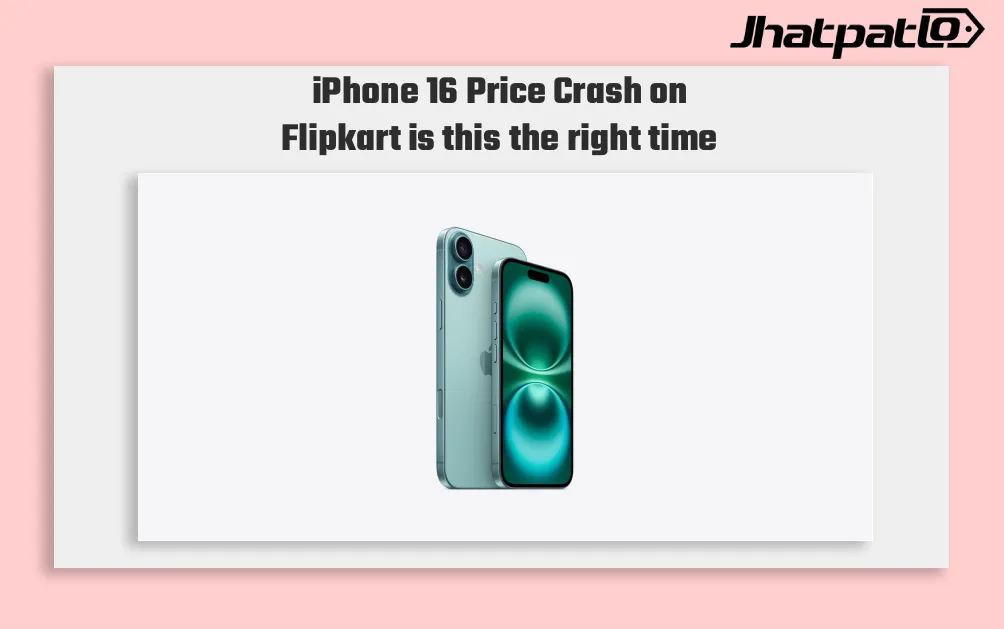
iPhone 16 Price Crash on Flipkart Puts iPhone 17 Gap in Focus
iPhone 16 Price Crash on Flipkart sale window Apple’s iPhone 16 is selling at Rs 62,900 on Flipkart during a May 9 sale, with bank offers pushing the effective price even lower. The sale comes as the iPhone 17 has entered the market at a much higher price point, widening the gap between the t...
iPhone 17e Set to Launch This Month With Three Upgrades
Launch Timing and Upgrades A new report suggests Apple plans to unveil the iPhone 17e via a press release on February 19, with the device arriving later this month. The timing aligns with earlier chatter that the affordable model could surface in February rather than spring, and the reports des...
iPhone 17e Set for Chipset and Wireless Charging Upgrades No Price Hike Expected
Mark Gurman, reporting from Bloomberg's Power On newsletter, suggests that Apple will introduce 3 upgraded features to its iPhone 17e in late 2023. The iPhone 17e will focus on both the emerging and enterprise markets, with hardware & software upgrades. The iPhone 17e will use the A19...