


iPhone 17 vs iPhone 18 reveals why this upgrade feels completely different
If you’ve been watching Apple’s yearly iPhone cycle, the iPhone 17 vs iPhone 18 comparison already feels a bit different from the usual “slightly better camera, slightly faster chip” routine. The iPhone 17 is the phone you can buy now, but the iPhone 18 is shaping up to be one of those rare models that could actually shift how Apple builds its devices. That’s a big deal, especially when the changes go beyond the usual spec bump and start touching battery life, modem strategy, camera flexibility, and even how the launch itself might happen.
Now, that’s where it gets interesting. The iPhone 17 is already a strong flagship with a 120Hz ProMotion display, a refined 48MP camera setup, and Apple Intelligence support. But the iPhone 18 rumors point to Apple moving to 2nm silicon, more RAM, an in-house modem, and a smaller Dynamic Island. So this isn’t just about whether one phone is faster. It’s more about whether you want a great device today or you’re willing to wait for a more ambitious next step.
Quick Highlights
- iPhone 17 is the safer buy right now.
- iPhone 18 may bring 2nm performance and better battery life.
- Rumored camera upgrades are bigger on selfies and Pro models.
- Apple could split the iPhone 18 launch across two release windows.
- Price is likely to climb, especially in India.
Apple iPhone 17 vs Apple iPhone 18: what’s actually changing?
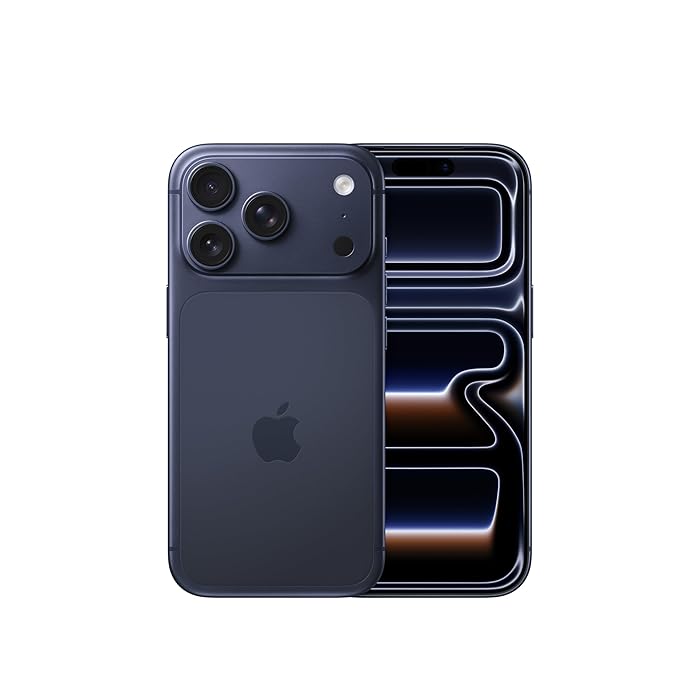
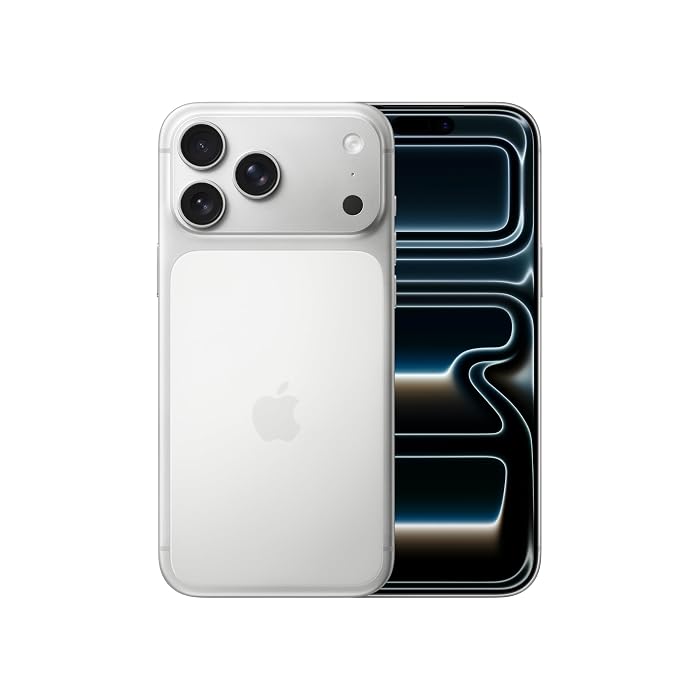
Let’s start with the obvious part. The iPhone 17 is the current benchmark, and it’s already a very polished phone. It uses Apple’s A19 chip on a 3nm process, comes with 8GB LPDDR5X RAM, and sticks with a Qualcomm 5G modem. That means it’s fast, efficient, and predictable, which is often what most people really want from a flagship phone. No drama. No weird trade-offs.
The iPhone 18, though, is rumored to be a more ambitious leap. Apple is expected to use the A20 chip built on a 2nm process, which sounds like a tiny technical detail until you realize it can affect speed, heat, and battery life in a very real way. In simple terms, a smaller process usually means the chip can do more work while using less power. That’s the sort of upgrade you don’t notice in a flashy keynote demo, but you do notice at 7 p.m. when your battery still hasn’t given up.
There’s also the RAM jump. The iPhone 18 is expected to get 12GB across all models, compared to 8GB on the iPhone 17. More RAM usually helps with multitasking, app switching, and future AI features that need more memory to run smoothly. It doesn’t sound glamorous, but it matters more than people think, especially if you keep your phone for years.
The spec sheet tells a pretty clear story
Here’s a simple comparison of the main differences. It’s the kind of table that cuts through the marketing fog a bit.
| Feature | iPhone 17 | iPhone 18 |
|---|---|---|
| Processor | A19, 3nm | A20, 2nm |
| RAM | 8GB LPDDR5X | 12GB |
| Modem | Qualcomm 5G | Apple C2 in-house modem |
| Display | 6.3-inch, 120Hz ProMotion | 6.3-inch, 35% smaller Dynamic Island |
| Battery efficiency | Standard 3nm efficiency | Up to 30% better battery life |
Look at that modem line for a second. Apple moving from Qualcomm to its own C2 modem would be a bigger strategic shift than most buyers realize. It’s not just about specs. It’s about Apple controlling more of the hardware stack itself, which can lead to tighter integration, better power tuning, and fewer outside dependencies. Sometimes the most important moves are the least visible ones.
Camera upgrades: subtle on paper, more meaningful in real life
Camera talk always gets loud, but this comparison is a little more nuanced than “more megapixels equals better photos.” The iPhone 17 already offers a solid 48MP main camera system, so for most people it’s already in the “good enough to genuinely impressive” zone. The iPhone 18 doesn’t seem set to reinvent that main setup entirely, but it could refine how the camera behaves in different situations.
The biggest expected jump is on the selfie side. The iPhone 17 has an 18MP front camera, while the iPhone 18 is rumored to move to a 24MP sensor. That may sound like a numbers game, but it should mean sharper video calls, cleaner low-light selfies, and a bit more room for cropping without the image turning mushy. If you’re someone who records a lot of front camera videos or lives on FaceTime, that’s a real upgrade, not a gimmick.
For the Pro models, there’s a more interesting rumor: variable aperture. That’s where the lens can physically adjust how much light enters the camera. In practical terms, it helps the phone handle different scenes better. A wider aperture can create more background blur and help in low light, while a narrower aperture can keep more of the scene in focus. It’s one of those features that sounds nerdy until you see what it does for portraits and tricky indoor shots.
Then there’s Apple’s rumored next-gen image processing, powered by the A20 chip. This is where AI starts getting more useful in a camera context. Semantic rendering, for example, sounds abstract, but the idea is straightforward: the phone can treat a face, background, sky, or object differently so the final image looks more natural. That’s not just computational gimmickry. It can make photos feel better without making them look overprocessed.
Battery and display: the quiet upgrades that matter every day
Battery life is one of those things people only obsess over when it’s bad. When it’s good, nobody talks about it much. That’s why the iPhone 18’s expected 2nm chip matters so much. Apple is reportedly aiming for up to 30% better battery life, and if even part of that holds true, it could make a bigger difference than a lot of flashy headline features.
The iPhone 17 already has a 6.3-inch display with 120Hz ProMotion, so it’s smooth and pleasant to use. The iPhone 18 is expected to keep the same size but shrink the Dynamic Island by about 35%. That’s not a massive visual redesign, but it could make the front of the phone feel a little cleaner and more modern. Tiny changes like that don’t always sound exciting in a spec list, but when you look at your phone hundreds of times a day, tiny starts to feel pretty big.
If you care about watching videos, scrolling social feeds, or gaming for long stretches, the combination of better efficiency and a possibly cleaner display layout might be enough to justify waiting. If you just need something dependable now, though, the iPhone 17 already checks the main boxes without making you wait another year.
Price and availability: this is where patience gets expensive
Here’s the part that can spoil the fun a little. The iPhone 17 is already available in India, starting at ₹82,900 for the 256GB base variant. That makes it a known quantity. You can buy it now, use it now, and stop refreshing rumor pages like it’s a second job.
The iPhone 18, on the other hand, is expected to launch in a split schedule. According to leaks, the iPhone 18 Pro and Pro Max may arrive in September 2026, while the regular iPhone 18 and 18e could be delayed until spring 2027. That’s unusual, and honestly, a bit annoying if you’re hoping for the usual yearly rhythm. Apple seems to be getting more strategic about staggering releases, likely to spread out production and maximize attention for each tier.
Price is also expected to rise. The base iPhone 18 could start around ₹89,900 in India, mainly because 2nm chip production is more expensive. And that’s before you factor in Apple’s usual pricing logic, which rarely leans toward generosity. So yes, the iPhone 18 may be better, but it’s also likely to ask more from your wallet.
So which one makes sense for you?
This is where the answer gets less technical and more personal.
- Choose the iPhone 17 if you want a powerful flagship today and don’t feel like waiting for rumors to become reality.
- Choose the iPhone 18 if you care about battery life, AI features, future-proofing, and Apple’s next hardware shift.
- Stick with the iPhone 17 if you want the safer purchase with a known price and immediate availability.
- Wait for the iPhone 18 if the idea of Apple’s 2nm era genuinely excites you more than having a phone in hand right now.
Personally, the iPhone 17 sounds like the practical buy, while the iPhone 18 sounds like the more interesting one. That’s a pretty classic Apple situation, actually. The current model is already excellent, and the next one looks like it could be genuinely smarter rather than just shinier. Still, “better” doesn’t always mean “better for you,” and that’s the part worth sitting with for a minute.
If you’ve been holding onto an older iPhone and want to upgrade soon, the iPhone 17 won’t disappoint. But if you’re the kind of buyer who likes to skip one generation and land on a bigger leap, the iPhone 18 may be the one to watch. Either way, Apple is clearly moving toward a more controlled, more efficient, and maybe slightly more expensive future. And maybe that’s the real story here.
What matters more to you: having the best phone now, or waiting for the one that might age more gracefully?
Related Products


iPhone 18 Pro, iPhone 18 Pro Max Tipped to Launch With A20 Pro Chip, No Changes to Dynamic Island
Apple iPhone 18 Pro Series Leaks: Design, Hardware, and AI Features Apple is tipped to unveil the iPhone 18 Pro series later this year, with an A20 Pro chipset and a battery capacity said to exceed 5,000 mAh. The design is expected to stay largely in line with the iPhone 17 Pro, including...

iPhone 18 Pro का इंतजार करना चाहिए या नहीं? यहां जानें अब तक सामने आईं सभी डिटेल्स
iPhone 18 Pro को लेकर जो शुरुआती जानकारी सामने आई है, उसमें AI, कैमरा और बैटरी तीनों पर बड़ा फोकस दिखता है. लीक के आधार पर इसमें नया A20 Pro chip, 12GB RAM, एक अलग Siri AI app, और कुछ कैमरा बदलाव शामिल हो सकते हैं. इस लेख में हम अब तक सामने आई बातों को साफ और सरल तरीके से देखेंगे. iPhon...

iPhone 18 Pro Series to Launch at Last Year's Prices Amid Rising Component Costs
iPhone 18 Pro and iPhone 18 Pro Max Pricing and Hardware Rumors The iPhone 18 Pro and iPhone 18 Pro Max are likely to be unveiled in September, with Apple aiming to keep starting prices the same as the iPhone 17 Pro lineup, according to a research note seen by MacRumors. The claims alig...

iPhone 17e to Launch With A19 Chip, Design Unchanged
Launch timeline The iPhone 17e is tipped to launch later this month with a major hardware upgrade centered on Apple's A19 chip, while the design is said to be identical to the iPhone 16e. The launch is expected on February 19, and pricing is anticipated to stay at $599. Sources say the t...

Apple iPhone 17e Set for Feb 19 Launch With A19 and MagSafe
Launch window and lineup context Apple could be days away from unveiling a cheaper addition to its latest smartphone line-up. The iPhone 17e is expected to arrive before the end of February, offering several notable upgrades while undercutting the standard iPhone 17. If reports are accu...

Apple Finalises iPhone 18e Plans With Dynamic Island Upgrade Ahead of 2027 Launch
iPhone 18e Launch Apple is reportedly finalising plans for the iPhone 18e, the next generation entry level smartphone in its lineup. A tipster on Weibo says Apple has locked in development plans for the handset even before the iPhone 17e is publicly available. The post from the ti...