


Apple MacBook Neo Shipment Target Rises as Budget Demand Grows

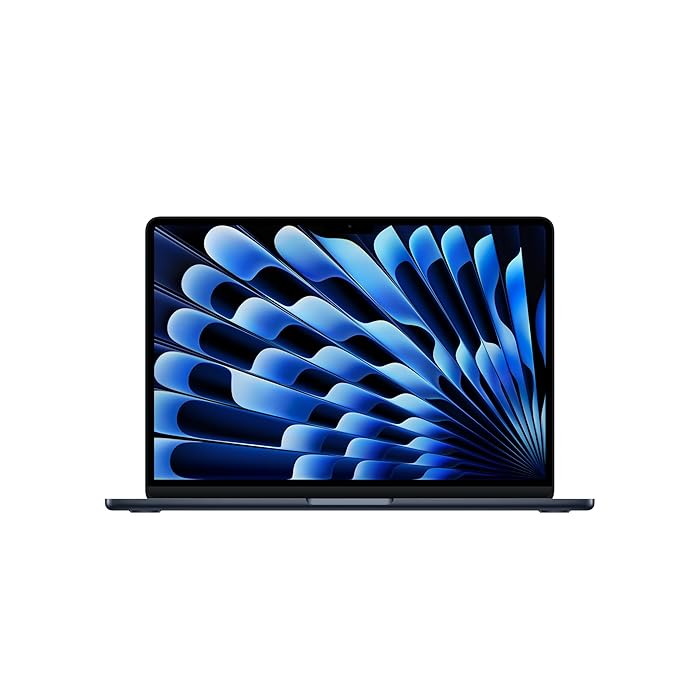
Apple’s MacBook Neo appears to be gaining traction faster than expected, with reported 2026 shipment plans now reaching 10 million units. The shift matters because it shows how price, design, and Apple’s ecosystem can still move buyers, even in a market crowded with budget Windows laptops and AI-focused marketing.
Ming-Chi Kuo says Apple has raised planned output sharply after the $599 MacBook Neo sold faster than expected in its first months on sale. The move points to real pull from price, design, and Apple ecosystem lock-in, not from the laptop’s iPhone chip or local AI features, and it puts pressure on the low-cost Windows notebook segment.
MacBook Neo’s $599 Price Is Pulling First-Time Mac Buyers In
Tim Cook already signaled stronger-than-expected demand during Apple’s April earnings call, and the latest shipment target suggests that early momentum is holding. The MacBook Neo is sitting in a price band that is easier for more buyers to justify, especially for people who have not owned a Mac before. That matters because the model is not competing only on specs. It is also competing on perceived value, brand familiarity, and the wider Apple experience.
The student price of $499 and the India starting price of Rs. 69,900 widen the appeal beyond the usual Mac buyer. In practical terms, that gives Apple a clearer opening in the sub-$700 premium laptop bracket, where buyers often compare a lower-priced Mac with Windows laptops that may offer more configuration choices but less ecosystem continuity.
- Reported 2026 shipment target: 10 million units
- Launch price: $599
- Student price: $499
- India starting price: Rs. 69,900
That combination helps explain why demand appears to be holding up after launch. A cheaper Mac does not remove Apple’s premium positioning, but it does make the entry point easier to reach. For many buyers, especially students and first-time Mac users, the move lowers the barrier without changing the core product identity.
Apple’s Budget MacBook Is Exposing the Limits of the AI Laptop Pitch
Kuo says the bigger story is not on-device AI, but consumer preference for usable hardware at the right price. That is an important point for the broader laptop market. AI features can help shape messaging, but they do not automatically replace the basics people still care about: battery life, day-to-day performance, and a price that feels reasonable.
He also points to low-cost mini PCs gaining attention for always-on AI agents and cloud inference. That suggests the AI conversation is spreading into more hardware categories, not staying focused only on laptops. But it also means Windows OEMs and mini-PC makers may have to compete on value more directly through 2026, rather than assuming that AI branding alone will carry the category.
For budget Windows laptops, that creates a tougher environment. Apple’s lower-priced MacBook is not just taking attention from premium PCs. It is also showing that a simpler buying case can still work well: a recognizable brand, a familiar ecosystem, and a price that is low enough to feel reachable. According to widely reported findings from the market, that can be enough to shift demand even when the device is not sold as a cutting-edge AI machine.
In that sense, the MacBook Neo’s momentum is less about a single feature and more about what buyers value when spending under $700. The reported shipment increase is a signal that Apple sees room to push further in a segment that was once dominated by Windows-based budget machines.
Related Products





OnePlus Turbo 6X Series Launch Leak Points to Big Batteries and 144Hz Screens
OnePlus has put the Turbo 6X series on a clear launch path in China, with certification leaks and product details now giving a fairly complete picture of what to expect. The line appears to be built around battery life, screen specs and mid-range chips, which is where a lot of current buyer interest...

Motorola Edge 70 Pro+ Launches in India With 50MP Telephoto Camera
Motorola has launched the Edge 70 Pro+ in India with a 50MP telephoto camera, a 6,500mAh battery, and a price starting at Rs. 47,999. The phone sits above the regular Edge 70 Pro and keeps the Dimensity 8500 Extreme platform, which makes it a direct option for premium Android buyers looking at...