


MacBook Neo Air Pro India Buy Guide What Nobody Tells You About the Best Pick

Picture this: you walk into an Apple reseller in India and the price boards glare back at you. The MacBook Neo is the new entry point, and suddenly the old two-way choice has become a three-step ladder. The Neo sits at the bottom, the Air in the middle, and the Pro at the top, each one promising a different kind of day-in, day-out experience.
This shift isn’t just about names. It changes how you think about value when the price gap can be wide and upgrades can become expensive surprises. In India, the pricing spread tells you everything you need to know. The MacBook Neo starts at around Rs 69,900, the Air at about Rs 1,19,900, and the Pro line begins near Rs 1,69,900 and can stretch well beyond Rs 4 lakh for advanced configurations. That gap matters in practical terms—every upgrade you consider should be tied to how you actually use the laptop, not a fear of missing out.
- The Neo is the starter tier—simple, reliable, and affordable.
- The Air is the pragmatic choice for most buyers—balanced performance and longevity.
- Pro is where power users justify the price with real workloads.
- Don’t pay for upgrades you won’t use in your daily routines.
- Long-term value often favors the Air over chasing Pro-level bragging rights.
Three-tier ladder, explained with real talk
In the old days, you picked between two paths: cheap or premium. Now Apple’s lineup in India solves the pricing puzzle by offering three distinct levels. The Neo is the most affordable entry into theMac ecosystem, designed for everyday tasks—browsing, streaming, office docs, light photo work, and students who want something dependable without breaking the bank. The Air refines that balance: more screen real estate, better build, improved performance, and enough battery life to last a workday plus some. The Pro is where you’re paying for sustained, professional-grade performance, with higher-end displays, faster GPUs, and configurations built for demanding workflows. Look, this isn’t just about numbers. It’s about choosing a tool that actually fits how you live and work, not a status symbol you’ll barely use.
You might notice that the gaps aren’t tiny. The jump from Neo to Air is meaningful because it unlocks a smoother multitask experience, a brighter display, and ports that don’t require you to carry adapters everywhere. The leap from Air to Pro is even bigger—think video editing timelines, heavy development workloads, 3D design, or music production with large sample libraries. The trick is to map your daily tasks to these tiers before you even compare specs on speed dial-worthy spec sheets. It’s not about pretending your needs are bigger than they are; it’s about recognizing the actual work you’ll do and aligning price with real benefits.
Price reality in India: what the numbers actually say
That price spread isn’t just a line on a brochure. It’s a practical constraint that shapes buying decisions here. The Neo starts around Rs 69,900, which makes it the most accessible MacBook you can buy in India. The Air lands around Rs 1,19,900, and the Pro starts near Rs 1,69,900, with higher-end configurations skimming past the four-lakh mark. In real terms, that means you should think twice before upgrading for upgrades’ sake. If your work won’t demand Pro-grade performance, spending more on a higher tier won’t magically create four extra hours in your day. It’s about value per rupee and how long you’ll stay satisfied with the machine before you decide to upgrade again.
Beyond sticker price, there are other cost realities people often forget: software licensing for certain creative apps, the need for extra storage if you’re dealing with large video files, and even the cost of accessories to make the machine usable for your setup. In a market where every rupee counts, the trio of Neo, Air, and Pro can be a smart compass as long as you avoid the trap of “future-proofing” that ends up costing more than the benefit it promises today.
The budget pick: MacBook Neo
The MacBook Neo exists for a very specific kind of buyer, and it doesn’t pretend to be anything else. If your daily usage revolves around browsing, streaming, documents, and light productivity, it delivers exactly what you need without unnecessary extras. It’s pared down where it matters: fewer ports, a lighter chassis, and a lower price tag that makes it easy to justify for students, first-time Mac buyers, or anyone who wants a dedicated portable for travel or coffee shop work. The trade‑off here is simple: you’re trading richer display quality, more ports, faster sustained performance, and future-proof headroom for a friendlier price and a more approachable entry into the Mac ecosystem.
But here’s the practical takeaway: Neo is not a “cheap MacBook” in disguise. It’s a well-thought-out choice for a very specific use case. If you’re building a habit of keeping only the essentials in your toolkit, Neo can be your best ally. If you’re dreaming of long-term flexibility, you’ll likely appreciate the jump to Air much sooner than you expect.
The safe choice: MacBook Air
For most people, the MacBook Air is where the conversation should end. It’s the sweet spot Apple has refined over years: solid performance, excellent battery life, and a design that still feels premium without tipping into Pro territory. The 13-inch model is perfectly adequate for frequent travelers, students, and remote workers who want a machine that can handle day-to-day tasks without fuss. The 15-inch option adds more screen real estate for those who often multitask with multiple windows or work with larger documents and spreadsheets. In practical terms, the Air offers a balance that sticks around long enough to feel like a good long-term companion.
In India, the starting points matter. The 13-inch model begins around Rs 1,19,900, and the 15-inch version sits around Rs 1,44,900. These aren’t arbitrary numbers: they reflect a point where you’re getting meaningful value—the combination of a capable CPU, refined thermals, a display that remains pleasantly sharp, and a chassis that travels well. It’s not about chasing the most pixels or the flashiest features; it’s about finding a machine that remains capable four or five years down the road, without becoming a cost center for upgrades you’ll never bother with.
What matters here isn’t chasing configurations but recognizing that the Air already delivers more power than most users will realistically need over the next four to five years. The emphasis is on longevity, reliability, and a daily experience that feels less like a compromise and more like a steady, dependable companion for study, work, and creative exploration.
The power option: MacBook Pro
The MacBook Pro is built for people who already know why they need it. Starting at around Rs 1,69,900 and climbing past Rs 2.3 lakh for more capable variants, it is a serious investment. What you get in return is sustained performance, a superior display, and the ability to handle demanding workloads without compromise. This is the machine for video editors, developers with heavy workflows, and creative professionals who push their hardware daily. If your day-to-day job involves tasks that routinely max out CPU and GPU, you’ll likely feel the Pro’s value quickly.
That said, the Pro is not everyone's ally. The price jump is real, and the difference between needing Pro power and simply wanting it is often visible once you map your actual workload. If you’re mostly typing, researching, coding light projects, or streaming content, you’ll likely be just fine with Air or Neo, and you’ll save thousands that can be better spent on software, peripherals, or even a future upgrade when your needs evolve.
What should you actually buy?
The answer, more often than not, is simpler than it seems. If your budget is tight and your needs are basic, the MacBook Neo is enough. If you want a dependable machine that will comfortably handle work, study, and everything in between, the MacBook Air is the safest and smartest choice. The MacBook Pro only makes sense when your work genuinely demands that level of performance. There’s a real-world balance at play here: you don’t need Pro unless your daily tasks exhaust the capabilities of the Air and Neo over a sustained period.
The one rule that matters in India
The biggest mistake buyers make is stretching their budget for upgrades they will never use. In India, that extra Rs 50,000 or more is not trivial, and it rarely delivers proportional value. Consider your typical workload, the software you rely on, and how long you want the machine to stay relevant. If you’re unsure, starting with the Air and saving for potential upgrades later is often wiser than leaping into Pro on day one. The Air’s longevity tends to surprise people, especially when they realize it handles most modern workloads without flinching.
Let me put it another way: you’re buying a tool that should remind you of your best work, not your loudest ego. The cleaner the choice, the less you overspend chasing a capability you won’t actually leverage. And in a market where prices can change with time and import duties, sticking to the tier that genuinely fits your daily life is a practical form of smart shopping.
The bottom line
Apple’s MacBook lineup in 2026 is clearer than it has ever been. The MacBook Neo gets you in, the MacBook Air gets almost everything right, and the MacBook Pro is reserved for those who truly need it. The real skill isn’t in memorizing price tags or chasing the newest chip—it's about mapping your day-to-day tasks to the tier that delivers the best value for you, right here in India. If you’re still torn, consider your typical workload, think about future needs two to three years from now, and ask one simple question: how much does extra power really improve my daily life? The answer will likely steer you toward the Air, with Neo as a fallback option for lighter use, and Pro reserved for those who truly require its capabilities.
So, which rung would you pick? Do you want a reliable everyday workhorse, or do you genuinely need the ceiling-breaking performance of Pro for your creative projects? Share your thoughts below and tell us what your typical day looks like when you’re choosing a laptop in India.
Related Products




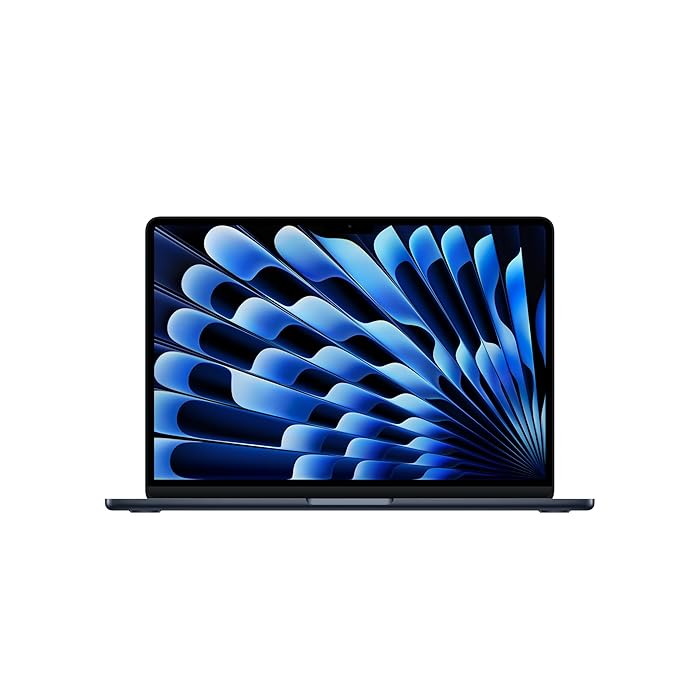

MacBook Neo Arrives in India With 13-Inch Display and A18 Pro Chip
Apple has launched the MacBook Neo in India as its new budget-friendly laptop. The 13-inch model features a Liquid Retina display and is powered by the A18 Pro chip, the same processor that debuted on the iPhone 16 Pro and iPhone 16 Pro Max. Pre-orders begin today, and the device goes on s...

MacBook Neo Gets Biggest Discount Since Launch on Amazon Sale
MacBook Neo Sees Its First Major Price Correction Since Launch Apple’s MacBook Neo has received its biggest discount since launch during Amazon’s Great Summer Sale 2026, with the effective price dropping to Rs 57,990 after bank offers. The base 256GB variant is listed at Rs 61,990, down from...

MacBook Neo Reportedly Faces A18 Pro Chipset Shortage After Strong Demand
MacBook Neo supply pressure emerges The MacBook Neo Reportedly Faces A18 Pro chipset shortage after strong sales of Apple’s newest laptop, according to a report by Taiwanese tech columnist and former Bloomberg reporter Tim Culpan. Apple has not commented officially, but the company has hinted...

Apple MacBook Neo Shipment Target Rises as Budget Demand Grows
Apple’s MacBook Neo appears to be gaining traction faster than expected, with reported 2026 shipment plans now reaching 10 million units. The shift matters because it shows how price, design, and Apple’s ecosystem can still move buyers, even in a market crowded with budget Windows laptops and...

MacBook Pro 2026 With M5 Max Outpaces M4 Max on Geekbench
Benchmark Snapshot Apple refreshes its MacBook Pro lineup with the M5 Max, crowning the 16-inch model as the new flagship. The MacBook Pro (2026) with the M5 Max chip is now the top-end option and has begun pre-orders in India via Apple’s online store in Silver and Space Grey after its Ma...

Apple Simplifies MacBook Purchases with Step by Step Configuration
Apple has subtly revamped its online store, streamlining the Mac purchase experience. The goal? To cut down on the confusion that often accompanies checkout, particularly when it comes to configuring a Mac. The updated Apple Store now offers a more guided approach for Mac and MacBook purchases, mirr...