


Galaxy S27 variable aperture plan shelved as Samsung weighs costs
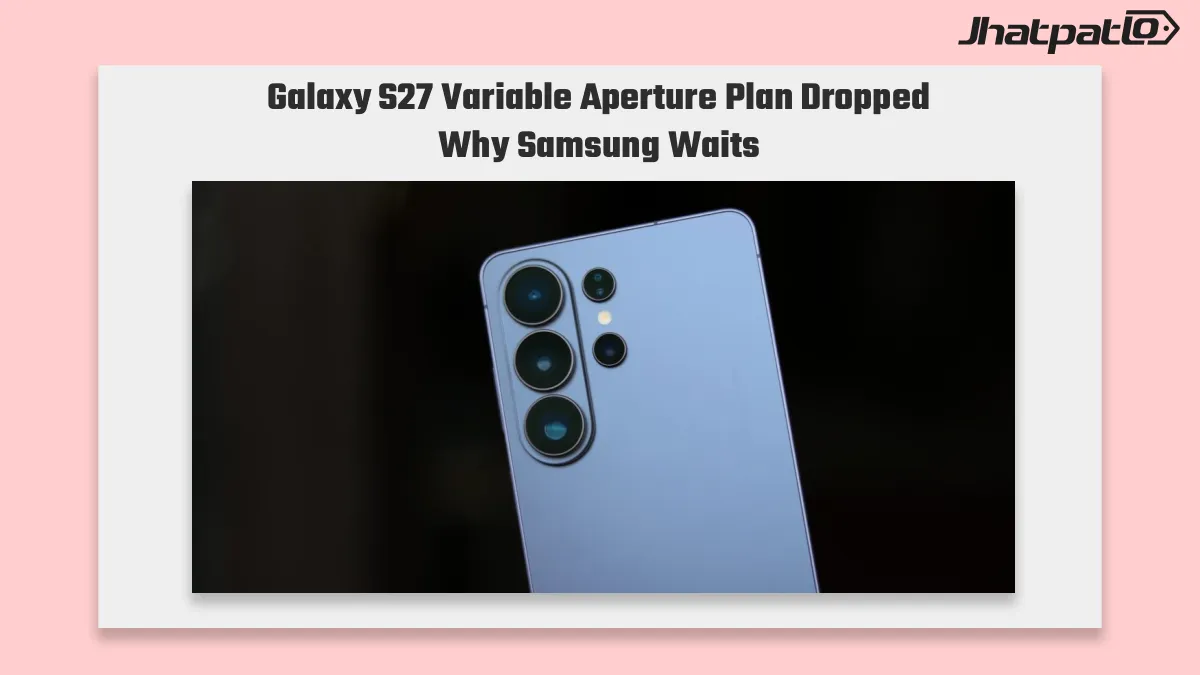
Samsung’s Galaxy S27 series now appears unlikely to copy Apple’s upcoming variable aperture camera feature. According to the outline, Samsung reportedly dropped the main-camera upgrade for its next flagship line as component prices rise and a thicker camera module makes the change harder to justify.
Galaxy S27 Ultra camera upgrade loses one of its biggest rumored changes
The Galaxy S27 Ultra camera upgrade was one of the more closely watched rumors around Samsung’s next premium phone lineup. The key idea behind it was a revived variable-aperture main sensor, a feature that would have changed how the camera handles light in different shooting conditions.
That plan now looks much less certain. The outline says Samsung reportedly dropped the upgrade, which means the Galaxy S27 Ultra may not get one of the biggest camera hardware changes people were expecting. For a flagship phone, that matters because camera improvements are often one of the main ways brands separate a new model from the last one.
Partners such as Samsung Electro-Mechanics and MCNEX had already been linked to early work on the feature. That suggests the idea was not just a loose rumor, but something that had at least reached the supply-chain stage. Even so, Samsung appears to be leaning away from the hardware change and toward software tuning plus existing sensor hardware.
That direction is not unusual in the premium Android market. Camera headlines still matter, but so do margins. If a hardware upgrade becomes expensive or complicated, companies often decide the benefit is not worth the cost, especially when many users may not notice the difference in everyday use.
Samsung camera module costs and thicker bump help sink the idea
The main reason behind the shift seems to be cost. Samsung camera module costs have reportedly climbed alongside memory pricing, which makes any added hardware more difficult to absorb. Variable aperture is not a simple software feature. It needs mechanics, design changes, and more room inside the phone.
That also creates a design problem. The added aperture mechanics would have made the rear camera stack thicker, and thicker modules are hard to sell when phone makers are trying to keep devices slim or at least not visibly bulkier. In this case, the camera bump seems to have worked against the feature as much as the price did.
Samsung has used variable aperture hardware before, including on the Galaxy S9. So the company is not unfamiliar with the concept. The difference now is the trade-off. What may have been a meaningful hardware story years ago can look less attractive when component prices are higher and the rest of the phone already has strong camera performance.
There is also the broader competitive backdrop. Apple’s iPhone 18 Pro variable aperture push would have given Samsung a reason to respond with a similar hardware move. But the outline suggests Samsung may be choosing a more cautious route instead, keeping the camera system closer to existing hardware and relying on image processing to do more of the work.
For buyers, that could mean less of a headline camera upgrade than some early rumors implied. It does not mean the Galaxy S27 series will lack camera improvements altogether, but it does suggest the upgrade path may be more incremental. In the flagship space, that is often how these decisions go: the most interesting feature is not always the one that survives cost checks.
In the end, the Galaxy S27 variable aperture plan looks shelved because the math did not work. Rising module costs, a thicker camera bump, and a likely limited day-to-day impact all seem to have pushed Samsung toward a safer option. For now, the company appears to be betting that software and sensor tuning can carry the camera story without adding another expensive moving part.

Related Products




Samsung Galaxy S27 Ultra Could Get Thinner Camera Module With Inkjet Printing
The Samsung Galaxy S27 Ultra camera leak suggests Samsung may use inkjet printing across parts of the rear camera stack, not just one lens component. The reported change could make the module thinner, reduce flare, and leave more room for other hardware inside the phone. Matte ink lens...

Samsung Galaxy S27 Ultra selfie camera leak points to 16MP square sensor
Samsung’s Galaxy S27 camera chatter is starting to form a clearer picture, even if the details are still based on leaks and rumor. The current focus is a 16MP selfie camera for the Galaxy S27 Ultra, plus similar front-camera talk for the Galaxy S27 Pro, along with separate claims about Pri...

Galaxy S27 Pro telephoto camera leak points to 12MP 3x zoom
Galaxy S27 Pro telephoto camera details now point to a 12MP sensor with 3x optical zoom, according to ET News. That leak also suggests Samsung is drawing a clearer line between the rumored Pro model, the base Galaxy S27 phones, and the Ultra in its early-2027 lineup. Galaxy S27 Ultra came...

Galaxy S27 Ultra camera leak confirms Sony IMX855 and 50MP ultrawide
Galaxy S27 Ultra camera leak details now point to Samsung testing Sony’s IMX855 for the 50MP ultrawide. That would tighten the Ultra’s camera gap with rivals while keeping the early-2027 flagship race centered on sensor quality and zoom hardware. Samsung Galaxy S27 rumor says S27 Pro...

Samsung Galaxy S27 Ultra leak points to horizontal camera bar and 6.9-inch display
Samsung Galaxy S27 Ultra leak points to a cleaner rear layout built around a single horizontal module instead of separate camera rings. The phone is said to keep a 6.9-inch display, a Snapdragon chipset and a 5,700mAh battery, which puts Samsung back into direct premium Android pressure ah...

Apple Tests Variable Aperture Lens and Telephoto Upgrade for iPhone 18 Pro
Apple Tests Variable Aperture Lens and Upgraded Telephoto for iPhone 18 Pro The iPhone 18 series is entering a phase of camera-focused development, with the iPhone 18 Pro and iPhone 18 Pro Max expected to launch in September, while the vanilla iPhone 18 is tipped for a 2027 debut. A post from...