


Moto G Max Launches in Brazil With 200MP Camera and Bright Display

Moto G Max launches in Brazil with a 200MP camera, a 6.8-inch AMOLED display, and triple IP ratings. The phone also brings Android 16, Dimensity 6400, and 33W charging to the upper-budget Android segment.
Moto G Max Uses Dimensity 6400 and Android 16 Out of the Box
Motorola is positioning the Moto G Max as a mid-range phone that focuses on everyday usability rather than pure performance numbers. It comes with the Dimensity 6400, 8GB of RAM, and 256GB of storage, plus Motorola’s RAM Boost feature, which uses storage to extend memory virtually.
The software setup is also a notable part of the launch. The phone ships with Android 16 and Hello UI, which gives it a newer base than many phones in this price range. That matters for buyers who want a more current software experience without moving into a higher price bracket.
In practical terms, the hardware points to stable daily performance. It is not presented as a gaming-first device, and the outline makes that clear. Instead, Motorola appears to be targeting users who care about smooth app use, clean software, and a balanced feature set in the premium budget Android segment.
Moto G Max Battery and Pricing Put It Behind Bigger Rivals
The battery package is solid, but it is not the biggest number in the mid-range field. Motorola includes a 5,200mAh battery with 33W TurboPower charging and claims up to 35 hours of use. That should be enough for many users, though the market now includes rivals with much larger battery cells, especially in India and China.
Pricing also shapes how the phone will be judged. In Brazil, the Moto G Max is priced at BRL 2,519.10. At that level, it is not trying to compete only on cost. The stronger selling points are durability, brightness, and camera hardware, not the lowest possible price.
The display is one of the main reasons the device stands out. Motorola uses a 6.8-inch AMOLED panel with a claimed 5,000 nits of brightness, which is a rare figure in this class. The phone also carries triple IP ratings, including IP69 durability, giving it a tougher profile than many budget-tier Android phones.
Camera hardware is another clear focus. The Moto G Max features a 200MP main camera, which is unusual for a phone in this segment and central to its market appeal. Motorola is clearly leaning on imaging and build quality to separate the device from competitors that are mainly chasing battery size or raw performance.
There is also a wider market angle here. The phone is expected to reach other regions, possibly as a Moto G87 rebrand in India and additional markets. If that happens, Motorola will be using the same formula in more than one region: bright display, high-resolution camera, modern software, and durable construction.
That combination should make the Moto G Max relevant to buyers who want more than basic mid-range hardware. It is not the most battery-focused option, and it is not built as a gaming phone. Still, for users comparing display quality, imaging, and durability, it enters the conversation in a meaningful way.
As the mid-range Android market keeps tightening, phones like this tend to stand out by choosing a clear lane. In the Moto G Max case, that lane is brightness, toughness, and camera hardware, with enough software and storage to keep the device competitive.

Aman Dixit
✉ aman79dixit@gmail.comRelated Products



Moto G Max price in India starts at Rs 27,999 with 7,000mAh battery
Moto G Max price in India starts at Rs 27,999 for the 6GB/128GB model, with sales opening on Flipkart from August 20. The new Motorola phone pairs a 7,000mAh battery with Snapdragon 6s Gen 4 hardware and Android 16, making battery life the main selling point in a mid-premium segment that i...

Moto G Max Full Specifications Reveal 7,000mAh Battery and 120Hz Display
Moto G Max launch in India is set for August 14, and the phone’s biggest talking point is simple: a 7,000mAh silicon-carbon battery backed by a 120Hz display. Motorola is pairing that with Snapdragon 6s Gen 4, a 6.72-inch FHD+ panel, and a spec sheet aimed squarely at buyers who care more...

Moto G Max India Launch Date Leak Points to Snapdragon 6s Gen 4
Moto G Max India launch date is tipped for August 15, with pricing said to be around Rs. 30,000. The Indian version is also expected to switch from the global Dimensity chip to a Snapdragon 6s Gen 4, which changes the phone’s positioning in India right away. For buyers tracking the Moto G...

Moto G Max first sale in India starts today at Rs 27,999
Moto G Max first sale in India starts today at 12 PM on Flipkart and Motorola’s website, with the phone priced at Rs 27,999. The only variant on sale is 6GB/128GB, and that places it firmly in the under-Rs 30,000 Android segment where battery, display, and overall value matter most. Moto...

Moto G87 Officially Launches With 200MP Camera and Android 16
Moto G87 goes official with 200MP main cameraMotorola has made the Moto G87 official, bringing a 200MP main camera to the G-series for the first time. The phone also comes with a Dimensity 6400 chip, Android 16, and a 5,200mAh battery.Camera setup and display detailsThe Moto G87 uses a 200MP main ca...
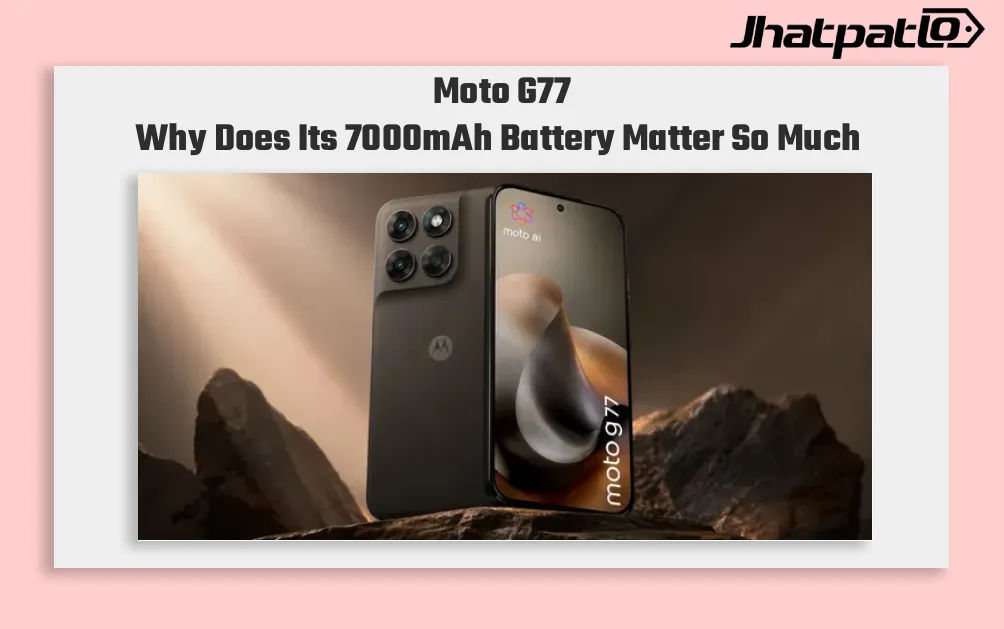
Moto G77 Power launch in India set for July 8 with 7000mAh battery
Moto G77 Power launch in India on July 8, and the timing puts it in one of the most competitive parts of the phone market. The device brings a 7000mAh battery, a 6.72-inch FHD+ LCD panel with a 120Hz refresh rate, and the Dimensity 6400, so it is clearly aimed at buyers who care most about...