


OnePlus Pad 4 vs Xiaomi Pad 8 and the choice that’s easier to regret
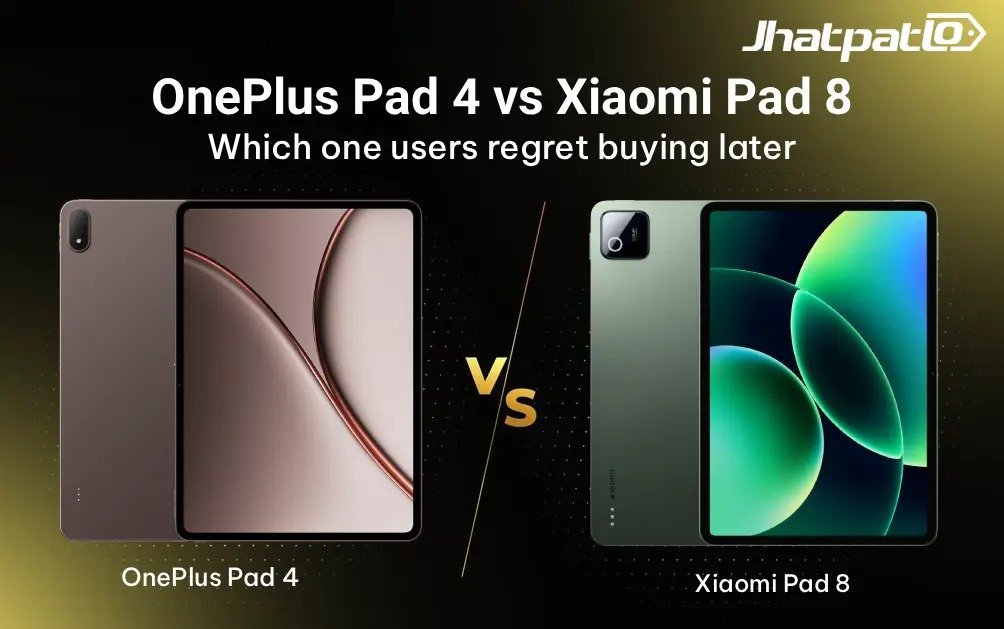
Android tablet competition is getting a lot more interesting in 2026, and that’s good news if you’ve been waiting for a real upgrade. The OnePlus Pad 4 vs Xiaomi Pad 8 debate is especially tricky because the price gap is huge, the Snapdragon chipset difference is very real, and the two tablets are aimed at different kinds of users. One is clearly leaning into productivity and raw power, while the other is chasing portability and smarter value. So this isn’t just about which tablet has better specs on paper. It’s about which one fits the way you actually work, read, stream, game, and carry a tablet around every day.
If you’re trying to decide between a flagship tablet and a more practical upper mid-range option, the answer depends on far more than benchmark numbers. Here’s the thing: tablets are becoming more important again because people want something lighter than a laptop but more useful than a phone. And with brands pushing flagship-grade Android tablet hardware harder in 2026, choosing wrong can feel expensive very quickly.
Quick Highlights
- OnePlus Pad 4 is the better pick for heavy multitasking and gaming.
- Xiaomi Pad 8 makes more sense if portability and price matter more.
- Display size and aspect ratio affect productivity more than many buyers expect.
- OxygenOS 16 feels more workflow-friendly than HyperOS 3 for tablet use.
- Both run Android 16, but they don’t feel equally optimized.
Which Android Tablet Offers the Better Display Experience?
The display is where these two tablets stop feeling similar. The OnePlus Pad 4 comes with a large 13.2-inch 3.4K 144Hz panel, while the Xiaomi Pad 8 uses a smaller 11.2-inch 3.2K 144Hz display. On paper, both sound excellent. In real life, though, the experience is shaped just as much by size and aspect ratio as by resolution.
The OnePlus Pad 4 uses a 7:5 style layout, which gives you more vertical room. That matters a lot when you’re reading documents, editing notes, or running split-screen apps. It feels more like a productivity tablet because it lets you see more of a page without constant scrolling. The Xiaomi Pad 8’s 3:4 shape is more compact, and that makes it comfortable for reading and casual use, but a little tighter when you’re juggling multiple apps side by side.
| Display factor | OnePlus Pad 4 | Xiaomi Pad 8 |
|---|---|---|
| Size | 13.2-inch | 11.2-inch |
| Resolution | 3.4K | 3.2K |
| Refresh rate | 144Hz | 144Hz |
| Brightness | 1,000 nits HBM | 800 nits peak |
| Special display option | Standard premium panel | Nano-texture option |
Brightness also changes the story. The OnePlus Pad 4 reaches 1,000 nits HBM, while the Xiaomi Pad 8 peaks at 800 nits. That higher brightness headroom helps more than people think when you’re using the tablet near windows or under bright indoor lights. And because glare-reduction coatings are becoming more common in premium tablets in 2026, Xiaomi’s nano-texture option is a nice extra if you hate reflections.
Now, if you mostly watch videos, both panels should feel rich and fluid. But if your use case includes spreadsheets, PDFs, split-screen chatting, or note-taking during lectures, the larger OnePlus screen gives you more breathing room. That’s especially useful in hybrid work setups, where a tablet has to behave like a compact workstation, not just a media slab.
Is the OnePlus Pad 4 Better for Gaming and Multitasking?
Short answer: yes, and not just because it has a faster chip. The OnePlus Pad 4 runs on the Snapdragon 8 Elite Gen 5, which is the same chipset class powering ultra-premium flagship phones like the Galaxy S26 Ultra. That matters because it’s not only about peak speed. It’s about sustained speed, less slowdown during longer sessions, and more confidence when you jump between heavy apps.
For gaming, that translates into better headroom for demanding titles, higher graphics settings, and more stable performance over time. If you like long sessions of BGMI, Genshin-style games, or emulation-heavy workloads, the OnePlus offering is simply built for more. You also get an 8-speaker setup, which makes games and movies feel more immersive than on most tablets in this bracket.
But the bigger difference is multitasking. Open Canvas is one of the most practical tablet features around right now because it makes split-screen use feel less clumsy. Instead of constantly switching between apps, you can keep multiple windows in play more naturally. That’s a big deal if you’re taking notes while watching a class, comparing documents, or replying to messages while editing something.
Android 16 multitasking improvements in 2026 help both tablets, but OxygenOS 16 feels more refined for large-screen workflow management. It’s one of those things you only fully appreciate after a few days of use. Benchmark numbers are nice, sure. But if you’re the kind of person who opens a lot of apps and hates waiting for everything to reload, the OnePlus Pad 4 review story is really about consistency, not just power.
There’s also the broader performance positioning to consider. Snapdragon X-class Android devices are starting to raise the bar for what people expect from tablets, and the Pad 4 sits much closer to that premium end of the spectrum. Xiaomi Pad 8 is no slouch, but its Snapdragon 8s Gen 4 is clearly a step below the full flagship tier.
How Different Are OxygenOS 16 and HyperOS 3 on Tablets?
This is where most comparison articles get lazy. They talk about chipsets and screens, then barely touch software. But tablet software decides whether the device feels useful after the novelty fades. And honestly, that’s one of the most important parts of the Android tablet comparison.
Both tablets run Android 16, and both support seamless connectivity with their respective smartphones. So if you already live inside the OnePlus ecosystem or the Xiaomi ecosystem, you’ll benefit from shared clipboard features, smoother file transfer, and easier cross-device continuity. That kind of ecosystem lock-in is becoming a bigger deal in Android hardware, just like it already is on the phone side.
Still, the difference in tablet feel is noticeable. OxygenOS 16 on the OnePlus Pad 4 is more clearly tuned for large-screen productivity. It keeps Open Canvas front and centre, and that makes it easier to treat the tablet like a working device instead of just a consumption screen. HyperOS 3 on the Xiaomi Pad 8 is capable and polished, but it feels more general-purpose.
That’s not a bad thing. In fact, for many users, it’ll be enough. If you’re mostly using the tablet as a portable Android tablet for browsing, reading, media, and light work, HyperOS 3 won’t frustrate you. But if you want the best tablet for multitasking, the OnePlus software stack has the edge because it’s more intentional about tablet use rather than just adapting phone ideas to a larger screen.
Long-term usability matters here too. A tablet is the kind of device you keep around for years, so software polish and workflow efficiency become more important over time. That’s why the best Android tablet 2026 conversation can’t just be about raw hardware. The tablet that feels smarter in day-to-day use is often the one you’ll actually continue enjoying six months later.
Which Tablet Has Better Battery Life and Audio?
Battery and audio are two of those categories that sound simple until you actually compare them in context. The OnePlus Pad 4 has a huge 13,380mAh battery and 67W charging, while the Xiaomi Pad 8 uses a 9,200mAh battery with 45W charging. On paper, the OnePlus tablet looks like the endurance winner, and that’s mostly true.
What makes it more interesting is the relationship between display size, chipset efficiency, and real usage. A bigger screen usually consumes more power, and a stronger chip can also draw more energy under load. So the OnePlus Pad 4’s larger battery isn’t just a luxury; it’s a necessity to support that bigger, more capable setup. In average tablet usage session terms, you can expect long streaming, note-taking, or mixed browsing days to feel more comfortable on the OnePlus side.
The Xiaomi Pad 8, though, makes an excellent case for efficiency. It’s lighter, has a smaller screen, and the Snapdragon 8s Gen 4 should be easier to live with for everyday tasks. If you’re someone who uses a tablet in short bursts throughout the day, the battery difference may matter less than the size and weight difference.
Audio is another easy win for OnePlus. The 8-speaker setup gives movies, lectures, and games more depth and separation. If you often consume media without headphones, this is not a small detail. It makes the larger tablet feel even more like a mini entertainment station. Xiaomi’s audio setup isn’t positioned the same way, so if speakers are important to you, the OnePlus Pad 4 feels more premium in a very obvious way.
Is the Xiaomi Pad 8 the Better Value Tablet in 2026?
Now we get to the part most buyers actually care about. The Xiaomi Pad 8 starts at ₹33,999, while the OnePlus Pad 4 starts at ₹59,999. That is a big gap. Enough to change the whole buying decision.
And yes, the Xiaomi Pad 8 review story is really about value. If you want a premium Android tablet under ₹40,000, this is the one that makes immediate sense. It gives you a high-refresh display, strong everyday performance, Android 16, and a much more portable body. At 485g, it’s the kind of tablet you’re less likely to leave at home because it doesn’t feel like a burden in a bag.
That weight advantage matters more than people admit. For students, readers, travelers, or anyone who uses a tablet in bed, on a couch, or during commutes, lighter almost always feels better. The Xiaomi Pad 8 is easier to hold for longer stretches. It’s also easier to justify if you don’t need flagship-level headroom.
Here’s the real decision point: premium necessity vs practical value. If you need the strongest multitasking, the best battery life, the better speakers, and a bigger screen for work, the OnePlus Pad 4 is worth the extra money. If you mainly want a well-rounded tablet for notes, media, light productivity, and travel-friendly convenience, Xiaomi gives you more of what most people actually use.
That’s why the question of best tablet under 40000 keeps coming up. In India, premium tablet pricing has moved up sharply, but competition in the sub-₹40,000 space is getting stronger too. The Xiaomi Pad 8 sits in that very attractive middle zone where it feels premium without crossing into laptop-adjacent pricing.
OnePlus Pad 4 vs Xiaomi Pad 8: Specs and Features Compared
Here’s a cleaner look at the core differences in this Android tablet comparison. If you like to scan before deciding, this is the part to pay attention to.
| Feature | OnePlus Pad 4 | Xiaomi Pad 8 |
|---|---|---|
| Display | 13.2-inch 3.4K 144Hz | 11.2-inch 3.2K 144Hz |
| Processor | Snapdragon 8 Elite Gen 5 | Snapdragon 8s Gen 4 |
| Battery | 13,380mAh | 9,200mAh |
| Charging | 67W | 45W |
| Speakers | 8-speaker setup | Standard stereo setup |
| Weight | Heavier, large-screen design | 485g |
| Software | OxygenOS 16, Open Canvas | HyperOS 3, Android 16 |
| Pricing | Starts at ₹59,999 | Starts at ₹33,999 |
| Best for | Productivity, gaming, video editing | Students, portability, daily use |
If you only look at the table, the pattern is pretty clear. OnePlus is going after the user who wants the most capable flagship Android tablet experience possible. Xiaomi is going after the person who wants balance, portability, and a price that doesn’t make the decision feel reckless.
So Which One Should You Actually Buy?
If your tablet will live near a desk, travel between workspaces, or replace a chunk of laptop use, the OnePlus Pad 4 is the better investment. It’s the stronger productivity tablet, the better tablet for video editing, and the more convincing pick for power users who want fewer compromises. It also feels more future-proof because the combination of the Snapdragon 8 Elite Gen 5, bigger battery, and Open Canvas should age better.
If your use is more casual, the Xiaomi Pad 8 starts making a lot more sense. It’s a great tablet for students, a very appealing portable Android tablet, and a practical option for media, notes, browsing, and reading. The lighter body matters. The pricing matters even more. And if you care about glare control, the nano-texture display option is a genuinely useful bonus.
For gamers, I’d still lean OnePlus. For commuters and readers, Xiaomi feels easier to live with. For professionals who want a proper mobile workstation, OnePlus wins. For someone trying to stretch their budget while still getting a premium Android tablet, Xiaomi is probably the smarter buy.
That’s the simplest way to think about it: one is a premium necessity, the other is practical value. And honestly, that’s a better way to shop than obsessing over specs alone.
Final take
The OnePlus Pad 4 vs Xiaomi Pad 8 choice comes down to how hard you’ll push the tablet. The OnePlus Pad 4 targets users who want flagship-grade Android tablet performance, multitasking, and entertainment capabilities. The Xiaomi Pad 8 focuses more on affordability, portability, and balanced daily usability.
Both tablets make sense, but for different people. If you want the more powerful and polished device, OnePlus is the one to beat. If you want the better value play in India right now, Xiaomi is very easy to recommend. And with Android tablets improving this quickly in 2026, it’s a pretty good time to buy either one — as long as you choose based on your workflow, not just the spec sheet.
So, which matters more to you right now: raw power or everyday comfort? That answer probably tells you everything you need.
Related Products


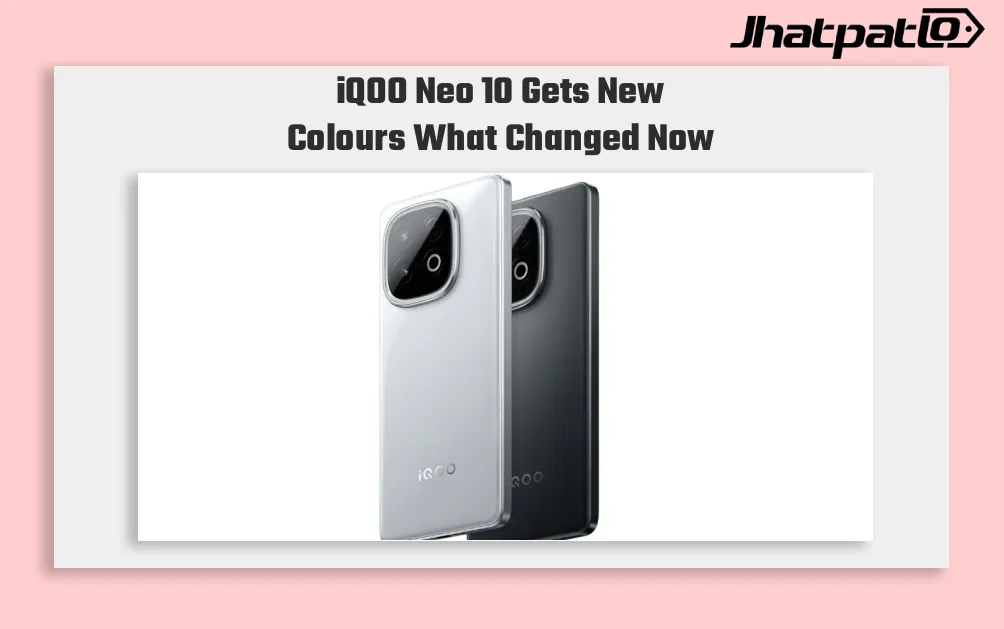
iQOO Neo 10 Price in India Updated with New Colour Variants
iQOO Neo 10 Gets New Colours in India iQOO Neo 10 has arrived in two new colour variants, Alpine White and Asphalt Black, while the existing options remain Inferno Red and Titanium Chrome. The phone continues with the same hardware, including a 6.78-inch AMOLED display, Snapdragon 8s Gen 4 ch...
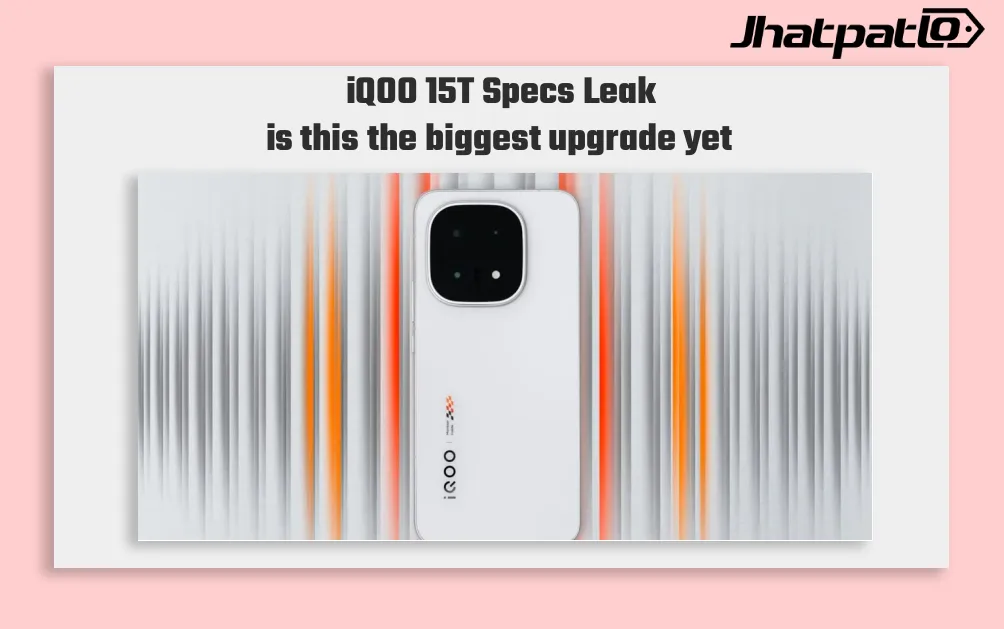
iQOO 15T Specs Leak Suggests 200MP Camera and 8000mAh Battery
Leaks around the iQOO 15T specs leak are pointing to a spec-heavy phone that could sit between the standard iQOO 15 and the rest of the brand’s lineup. Reports from Weibo tipsters Experience More and Digital Chat Station suggest the phone may arrive with a Dimensity 9500 chipset, a 6.82-inch 2...
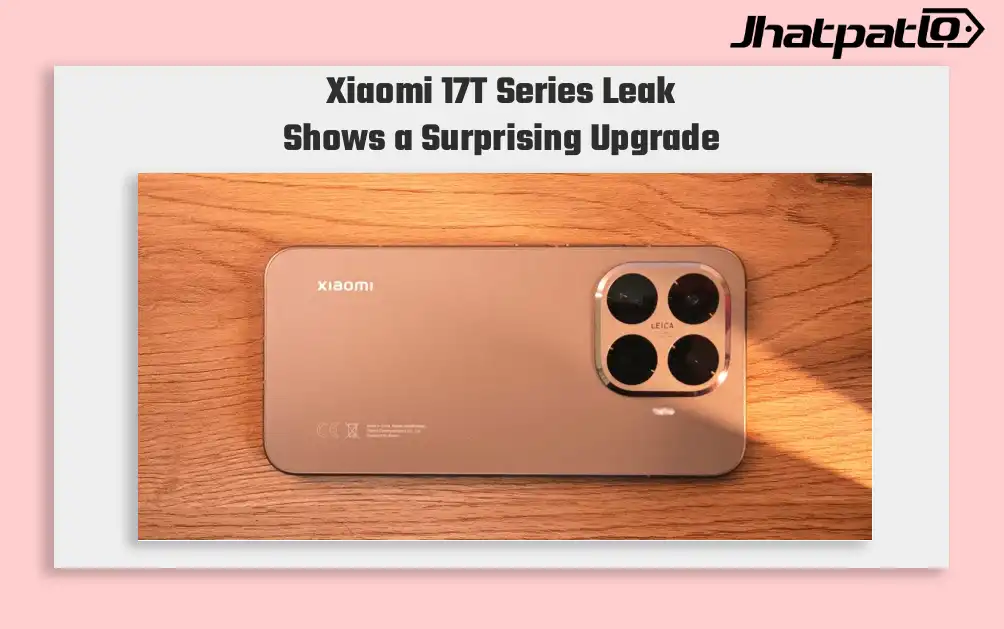
Xiaomi 17T Series Leak Reveals Design Specs and Possible India Launch
The Xiaomi 17T Series Leak Reveals surfaced in a fresh leak that shows renders, key specifications and a possible launch window later this month. The lineup is expected to include two models, the Xiaomi 17T and Xiaomi 17T Pro, with reports also suggesting that the standard model could mak...

Samsung Sale Deals India Bring S25 Edge at Rs 69,999 and Ultra Under Rs 1 Lakh
Samsung sale deals India are set to go live this week as Amazon and Flipkart line up back-to-back summer events with major price changes on the Galaxy S25 series. The Galaxy S25 Edge drops to ₹69,999 from ₹1,09,999, while the Galaxy S25 Ultra falls to ₹94,999 from ₹1,29,999. Samsung...
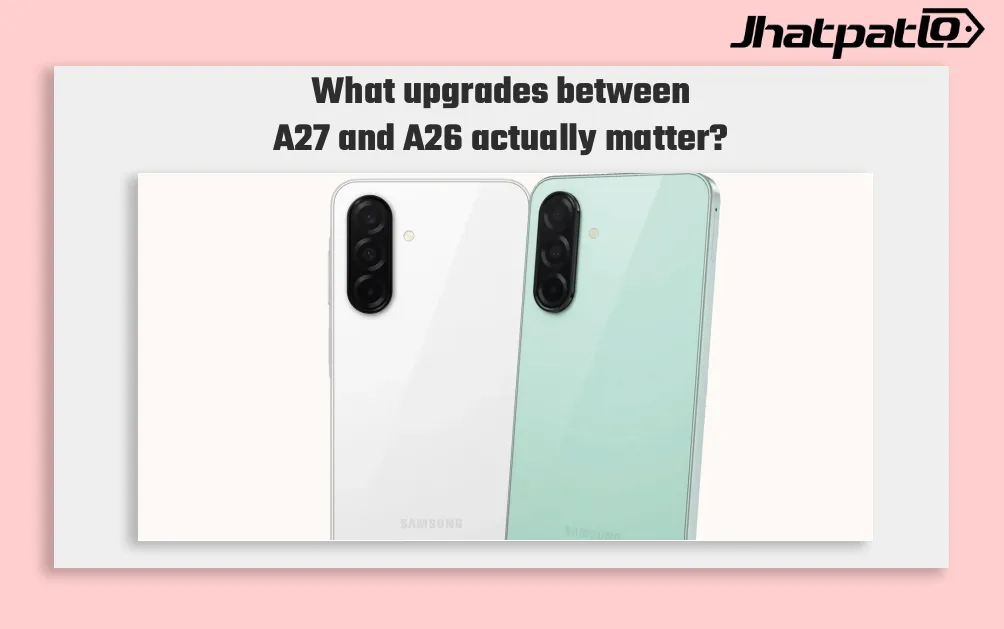
Samsung Galaxy A27 Appears on Samsung Brazil Site Ahead of Launch
Samsung Galaxy A27 has appeared on Samsung’s Brazil website, pointing to an early pre-launch listing rather than an official announcement. The Samsung Galaxy A27 is mentioned under Samsung Wallet compatibility, alongside Galaxy A37 and Galaxy A57, and leaks suggest it will be the success...

Pixel 11 Leak Reveals Pixel Glow LED and Possible Thermometer Removal
A Pixel 11 leak from the Mystic Leaks Telegram channel points to a notable design shift in Google’s upcoming flagship phone lineup. The report says Google may remove the thermometer sensor from Pro models and replace it with a new RGB LED system called Pixel Glow, alongside Tensor G6 chip u...