


Samsung ISOCELL HPC 200MP sensor could boost Galaxy S27 Ultra
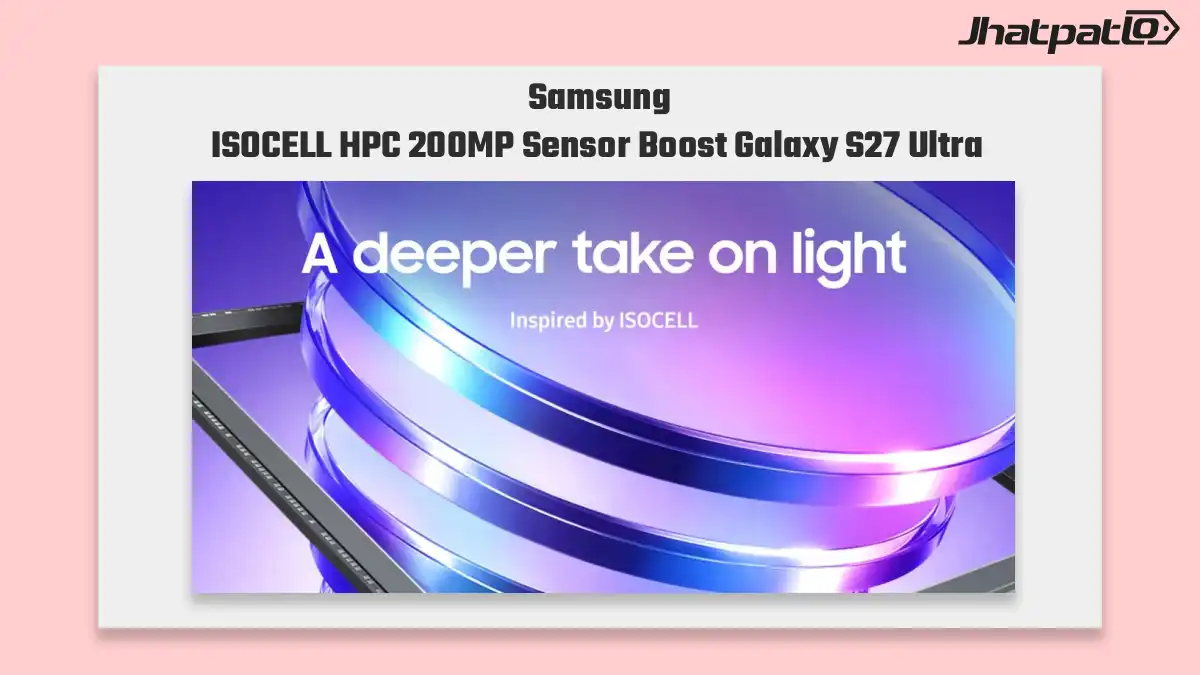
Samsung’s ISOCELL HPC 200MP sensor is already in mass production, and its DeepPix pixel architecture raises full well capacity by 60%. That matters for the Galaxy S27 Ultra camera, where better HDR, cleaner shadows, and stronger light handling can make a real difference in the premium Android race.
The outline points to a sensor that does more than just chase a high megapixel count. It keeps HDR active across multiple in-sensor zoom levels, adds single-frame 16-bit HDR, and includes autofocus and video features that could shape Samsung’s next Ultra if the sensor makes it into the phone.
DeepPix adds single-frame 16-bit HDR and keeps zoom HDR alive
DeepPix is the key detail here. Samsung says the pixel architecture lifts full well capacity by 60%, which should help the sensor hold more light before clipping. In practical terms, that gives the camera a better base for HDR work and for preserving shadow detail in difficult scenes.
Another notable point is that HDR remains available across 1x, 1.5x, 2x, 3x and 4x in-sensor zoom. That is important because image quality often drops as users crop in, especially on high-resolution sensors. Keeping HDR intact through those zoom steps suggests Samsung is trying to avoid the usual trade-off between reach and image balance.
The sensor also supports single-frame 16-bit HDR. That means more color data can be carried in one exposure, rather than relying on multiple frames to build the final image. For mobile photography, that can help with smoother tonal transitions and more consistent results in scenes with bright highlights and dark areas.
- DeepPix pixel architecture raises full well capacity by 60%
- HDR works across 1x, 1.5x, 2x, 3x and 4x in-sensor zoom
- Single-frame 16-bit HDR carries more color data in one exposure
4K 180fps video and faster autofocus are the other test
The sensor is not only about still photos. It also lists 4K 180fps video recording, along with 8K 30fps and 12.5MP capture at 180fps. Those are strong spec-sheet numbers on their own, but the more practical question is how well they hold up in real use once the sensor is paired with Samsung’s next Ultra camera hardware and software.
Autofocus is another major part of the setup. High Precision Microlens and Super QPD autofocus are mentioned alongside the video features, and both should help the sensor focus faster and more accurately. That matters most when light starts to fall and the camera has less room to work with.
Better light efficiency is also part of the story. If Samsung can translate that into real low-light performance, the Galaxy S27 Ultra camera could have a cleaner shot at competing with other flagship camera phones. The outline does not confirm final phone integration, so this is still a sensor-level picture rather than a finished device comparison.
- 4K 180fps video recording is supported
- 8K 30fps is also listed
- 12.5MP capture at 180fps is included
- High Precision Microlens and Super QPD autofocus are part of the setup
- Better light efficiency could support stronger low-light photos
For now, the important takeaway is simple. Samsung’s ISOCELL HPC 200MP sensor brings a mix of higher capacity, HDR consistency, and faster capture features that could fit well in the Galaxy S27 Ultra. The mass production detail makes it more than a concept, but the final camera result will still depend on how Samsung uses it.

Related Products



Galaxy S27 Ultra camera leak confirms Sony IMX855 and 50MP ultrawide
Galaxy S27 Ultra camera leak details now point to Samsung testing Sony’s IMX855 for the 50MP ultrawide. That would tighten the Ultra’s camera gap with rivals while keeping the early-2027 flagship race centered on sensor quality and zoom hardware. Samsung Galaxy S27 rumor says S27 Pro...

Samsung Galaxy S27 Ultra CAD Renders Leak Reveal New Camera Design
Samsung Galaxy S27 Ultra CAD renders suggest a new raised camera plateau, a familiar Ultra design, and the return of the S Pen. The leak also points to a 6.9-inch display, a roughly 5,700mAh battery, and chip testing that may split between Snapdragon and Exynos for different markets. Gala...

Samsung Galaxy S27 Ultra selfie camera leak points to 16MP square sensor
Samsung’s Galaxy S27 camera chatter is starting to form a clearer picture, even if the details are still based on leaks and rumor. The current focus is a 16MP selfie camera for the Galaxy S27 Ultra, plus similar front-camera talk for the Galaxy S27 Pro, along with separate claims about Pri...
Galaxy S27 Pro telephoto camera leak points to 12MP 3x zoom
Galaxy S27 Pro telephoto camera details now point to a 12MP sensor with 3x optical zoom, according to ET News. That leak also suggests Samsung is drawing a clearer line between the rumored Pro model, the base Galaxy S27 phones, and the Ultra in its early-2027 lineup. Galaxy S27 Ultra came...

Samsung Galaxy S27 Ultra leak points to horizontal camera bar and 6.9-inch display
Samsung Galaxy S27 Ultra leak points to a cleaner rear layout built around a single horizontal module instead of separate camera rings. The phone is said to keep a 6.9-inch display, a Snapdragon chipset and a 5,700mAh battery, which puts Samsung back into direct premium Android pressure ah...
Samsung Galaxy S27 Pro IMEI Listing Confirms Samsung’s Four Phone Lineup
Samsung’s Galaxy S27 series is starting to take shape in a way that looks a little more segmented than before. New IMEI listing details point to four models in the lineup, with the S27 Pro now appearing as a distinct middle option between the Plus and Ultra. For readers tracking Samsung’s...