


Tecno POVA Curve 2 review big battery meets slim design and solid value
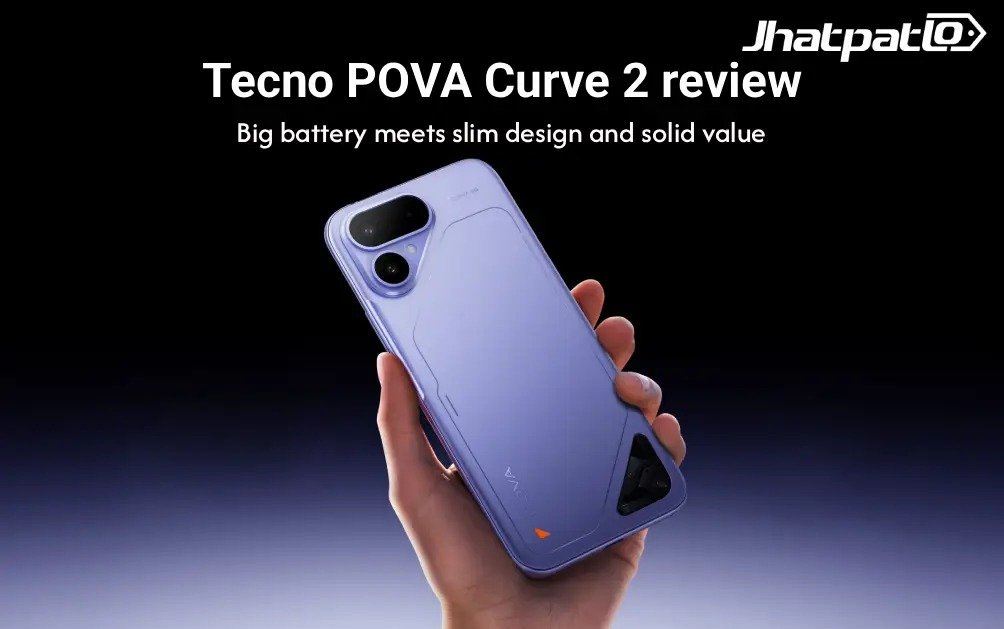
Big batteries are everywhere in 2026, and the Tecno POVA Curve 2 feels like a direct nod to that trend. Packing an 8,000 mAh cell into a surprisingly slim 7.42 mm chassis, it aims to deliver endurance without turning into a brick. The entry price starts at Rs 27,999 for the 8GB + 128GB variant, placing it head to head with tough rivals like the Realme P4 Power. This review digs into day-to-day performance, value at the asking price, and where the Curve 2 shines or stalls.
In the end, this is a phone that trades a few corners for two days of battery life and a design you might actually enjoy holding. It’s not perfect, but it does offer a compelling package for a very specific kind of buyer.
Exceptionally thin, quirky design
The Curve 2 continues Tecno’s design-forward approach, and the numbers speak for themselves: an incredibly slim profile given the giant battery underneath. At about 192 grams, the balance feels right, making the device comfortable to hold for longer stretches. The rear panel uses a matte finish with a distinct starship vibe, while the camera island sits in a triangular housing on the left—an outlier in a sea of blocky modules. Tiny details stand out, like an etched SIM tray mark and a subtle outline that traces the battery’s footprint around the edge of the back panel.
| Smartphone | Thickness | Weight | IP Rating |
| Tecno Pova Curve 2 | 7.42 mm | 192 g | IP64 |
| realme P4 Power | 9.08 mm | 219 g | IP68 |
| Xiaomi Redmi Note 15 Pro | 7.78 mm | 210.6 g | IP68 + IP66 + IP69K + IP69 |
Three color options are offered: Mystic Purple, Melting Silver and Storm Titanium. The Silver variant used for review looks particularly sleek. The device carries an IP64 rating, which is adequate for daily splashes and light dust but not a robust guarantee against rain or deep submersion—something to keep in mind if the daily grind includes sweaty workouts or sand-laden environments.
The 6.78-inch curved AMOLED panel with a 144 Hz refresh rate makes multimedia pop, with bright colors and wide viewing angles. Peak brightness reaches up to about 4,500 nits for outdoor readability. The panel is protected by Gorilla Glass 7i, which provides solid protection against accidental drops, though it’s not a guarantee against every scratch or drop.
Stellar battery life and decent charging speed
The headline feature here is the 8,000 mAh battery. In everyday use, the Curve 2 is unusually forgiving of screen on time and tasks, easily nudging toward two full days on a typical mix of social media, messaging, and casual browsing. On a lighter day, it easily stretches beyond two days. Even with more aggressive use, a solid day is never in doubt.
Battery life is complemented by healthy charging speeds. The bundled 45W charger brings the battery from about 20% to 100% in around an hour, which is pleasantly quick for a device of this size. Real-world charging sometimes finishes a touch under that mark, but the overall result still feels well above average for a phone with such a large cell.
Be aware that PCMark-based benchmarks may not reflect the same endurance you’ll see in day-to-day use. In practice, numbers might dip a bit compared with some peers with similar capacity, but the real-world impact is minimal when you’re not chasing hardcore battery benchmarking. The important takeaway is simple: you won’t be panicking about reaching for a charger mid-day or before a long trip.
Average performance for the price
Under the hood, the Curve 2 uses a MediaTek Dimensity 7100 processor paired with 8GB of RAM and up to 256GB of storage. It handles everyday tasks with ease—browsing, social apps, and light multitasking are smooth enough. But push it a little harder and you’ll notice some stutter and occasional sluggishness that stand out at this price bracket. It’s not a crash or a deal-breaker, but it’s a real-world reminder that the Curve 2 is more about endurance than raw power.
Gaming performance holds up surprisingly well for a mid-range chip. Titles like COD Mobile and BGMI run smoothly for the most part, with acceptable frame rates and manageable temperatures. The thermal response stays within a comfortable range, typically rising less than a few degrees over an hour of play, which is a nice sign of thoughtful thermal management for a device this slim.
Connectivity is strong here. The Curve 2 supports 5G across multiple bands and features Tecno’s Triple Chipset Signal Enhanced System, which combines a dedicated signal chipset with enhanced Wi-Fi and CPU coordination to help lower latency and improve upload speeds. A standout feature is FreeLink, which enables voice calls up to 2 kilometers away even when there’s no cellular signal, a handy option for remote locations or emergencies. In real-world testing, NCR’s network coverage was reliable enough to showcase these capabilities without needing dramatic demos.
Two things to note for everyday usability: the audio experience is hampered a bit by a single mono speaker, which can feel thin for media binge sessions; and the software layer, HiOS, brings a host of AI-assisted features and customization options, some of which genuinely add value while others are extra fluff. The phone ships with a reasonable slate of pre-installed apps, and HiOS offers lockscreen clock styles, wallpaper depth effects, and an AI Theme Generator that adapts system colors based on a chosen image. It’s a capable, feature-rich skin, though not every first-party app has fully embraced the new design language yet.
A middling camera setup
The camera system centers on a 50 MP main sensor with an additional lens and a 13 MP selfie shooter. In price-range terms, this is a respectable setup, but the package isn’t without compromises. There’s no OIS on the main camera and no ultrawide lens, which limits versatility in dynamic shooting scenarios.
In daylight, images from the main camera look natural with pleasing color reproduction. Details can soften a bit at times, and low-light performance lags behind more capable rivals. The 13 MP selfie cam performs well in typical daylight scenarios, with pleasant skin tones and decent detail, though low-light selfies tend to lose fine detail and can look a touch soft.
Video capture tops out at 2K 30fps, which is a step below some peers in the same price category. Without optical stabilization, handheld footage can feel a touch shakier unless the software stabilization is enabled, which helps but isn’t a magic fix.
To give readers a concrete sense of how the Curve 2 stacks up against a close rival, a quick comparison with the Realme P4 Power shows that daylight color science leans toward a natural look on the Curve 2, while the Realme tends to push greens a bit more for a punchy, slightly more vibrant image. In portrait mode, the Curve 2 handles edge detection well and preserves natural-looking skin tones, but the Realme tends to deliver sharper facial detail and punchier overall sharpness. Both phones have their own strengths, and the choice often comes down to preferred color bias and what you value most in everyday photos.
Software features add value here too. HiOS brings AI-driven tools like AI Flare Remover, AI Shadow Remover, and AI Reflection Remover in the Gallery app, plus an AI Writing assistant with voice input. For those who enjoy tinkering, there’s plenty of customization around lockscreen styles, wallpapers, and color themes. It’s not flawless, but it’s a robust package that adds real-life utility without making the UI feel bloated.
Editor’s rating sits at a solid 8.1 out of 10 for a phone in this segment. Why not a higher number? The camera package and the software update cadence are the main trade-offs. If battery life and design are your primary criteria, the Curve 2 nails them; if you demand top-tier cameras and longer-term software support, you’ll want to compare against a few rivals more closely.
Verdict
The Tecno POVA Curve 2 carves a distinct niche: a super-slim smartphone that truly delivers two full days of battery life. It’s a rare combination that makes it appealing to a particular buyer—someone who values endurance and feels comfortable trading off some camera versatility and a few premium extras for a lighter, longer-lasting daily driver. The Realme P4 Power remains a tougher competitor on battery life, but its heft and different design may deter some users. The Curve 2’s standout strengths are the battery life, the 7.42 mm physique, a bright curved display, and a highly customizable software experience.
If battery life and a sleek feel matter most, the Curve 2 is a compelling option in its price class. If camera versatility and the most cutting-edge features take precedence, there are other choices to consider. So, which feature would push you toward one device over another: two days of battery or the extra camera flexibility?
Related Products


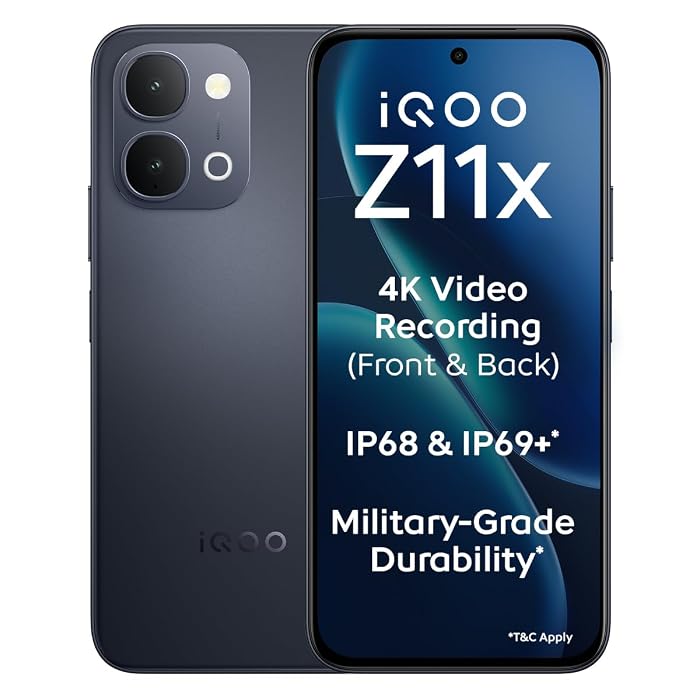



iQOO Z11 India launch soon with Dimensity 7500 Turbo chipset
iQOO Z11 India launch soon, and the phone is tipped to arrive in August as the first model in India with MediaTek’s Dimensity 7500 Turbo. That puts the Z11 directly into a performance-led midrange fight, especially if iQOO keeps the curved-screen hardware intact for the local version. The iQOO...

Moto Edge 70 Max price in India starts at Rs 49,999 with Snapdragon 8 Gen 5
Moto Edge 70 Max price in India starts at Rs 49,999, and that puts Motorola’s latest flagship into a crowded premium Android segment. The phone focuses on high-end performance, a large AMOLED display, strong battery life and durability features. Here is a clear look at the launch details,...
Xiaomi 18 series India launch date tipped should you wait
Leaks around the Xiaomi 18 series suggest the brand may move its India flagship launch to early December, with a smaller lineup and a limited Pro Max model. Here is what the latest reports point to, what is still unclear, and why the launch matters beyond just phones. Xiaomi 18 Ultra canc...

Motorola Edge 70 Max update policy clarified with 3 OS upgrades and 5 years of SMR
Motorola has clarified the Edge 70 Max software update policy, setting it at up to 3 Android OS upgrades and up to 5 years of SMR. The update matters because buyers had been left with mixed signals across regional product pages, and software support is now a major part of how people compar...

Lava Virat V1 5G launch brings 120Hz display and 6000mAh battery
Lava Virat V1 5G launch lands in India with a July 24 date and a clear budget focus. The phone is being positioned under ₹10,000, with a 6.75-inch 120Hz display, a UNISOC T8200 chipset, and 4GB RAM virtual expansion. For buyers looking at the entry 5G segment, the bigger story is practical...

Edifier R1000TC II Bluetooth 6.0 Brings 42W Desktop Audio
Edifier has launched the R1000TC II in China with Bluetooth 6.0, dual-device pairing, and a 42W output rating. For desktop users, the more practical detail is the mix of wireless convenience, USB sound card support, and RCA input in one active bookshelf speaker pair. It is a fairly direct...