


Xiaomi opens blind reservations for its first RGB Mini LED TV
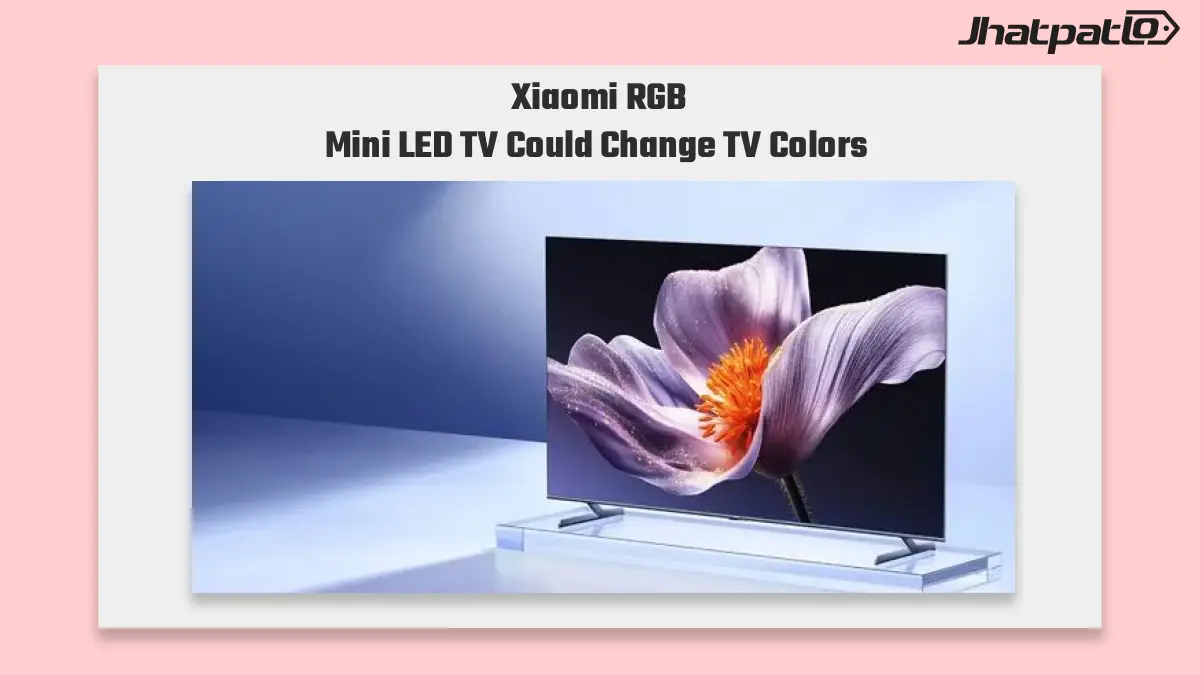
Xiaomi has opened blind reservations in China for its first RGB-Mini LED TV, the TV S Pro RGB-Mini LED 2027 Ultra, with deposits running from August 22 to September 1. The launch is aimed at buyers looking for a 144Hz gaming TV, and Xiaomi is pairing the reservation with a 100 yuan deposit option and a Xiaomi Sound 3.1 bundle offer.
Xiaomi TV S Pro RGB Mini LED swaps blue backlights for RGB chips
Xiaomi’s new TV S Pro RGB Mini LED uses a different panel approach from standard Mini LED TVs. Instead of relying on blue backlights and filters, the set puts red, green and blue LEDs into each dimming zone. That is the key change behind the RGB-Mini LED label, and it is the main technical detail Xiaomi is using to separate this model from more familiar Mini LED designs.
In practical terms, the shift away from the usual quantum dot film alternative is meant to improve how the light is managed inside the display. The outline points to lower light loss, which is one of the clearest benefits of this setup. For buyers, that usually matters most when a TV has to balance bright interface elements with darker background areas. Mini LED blooming reduction is also part of the pitch here, since blooming is one of the things people tend to notice quickly in bright HUDs and dark scenes.
This is where the model’s appeal starts to become clearer. Xiaomi is not just presenting a newer panel type for the sake of it. It is positioning the TV around the visible issues that gamers and TV buyers care about, especially when a screen has to stay clean around fast-moving graphics and contrast-heavy content. The reservation window also suggests Xiaomi wants attention before the full retail cycle begins, which is common for products that lean on a spec-first message.
144Hz HDMI 2.1 gaming TV aims straight at value-seeking buyers
Alongside the RGB panel change, Xiaomi is framing the TV as a 144Hz HDMI 2.1 gaming TV. That combination is the most important part of the launch for console and PC buyers, since refresh rate and input support are usually the first things checked on a spec sheet. A 144Hz display is designed for smoother motion, while HDMI 2.1 support is widely associated with low-lag connections and modern gaming hardware.
The reservation-only rollout keeps the launch tightly controlled for now. Xiaomi is taking deposits from August 22 to September 1, and the package includes a 100 yuan reservation alongside a Xiaomi Sound 3.1 bundle offer. That bundle detail is small, but it matters because it shows Xiaomi is not only selling a panel. It is also trying to frame the purchase as a ready-made setup for buyers who want both a fast screen and matching audio.
According to the outline, the TV S Pro RGB-Mini LED 2027 Ultra sits in Xiaomi’s broader hardware reveal cycle, which puts it into direct contention with other premium gaming TVs. That is the market angle here. The company appears to be targeting price-sensitive buyers who still want high-end gaming features, rather than chasing a purely luxury audience. In this category, value is not only about a lower price. It is also about how much gaming hardware support a TV can deliver without asking buyers to add too many extras later.
For shoppers comparing options, the model’s main selling points are easy to sum up:
- RGB Mini LED panel with red, green and blue LEDs in each dimming zone
- 144Hz refresh rate for smoother motion in games
- HDMI 2.1 support for modern console and PC use
- Blind reservations in China from August 22 to September 1
- 100 yuan reservation option with a Xiaomi Sound 3.1 bundle offer
There are still details that are not clearly stated in the outline, including the final retail price, full size options, and any region availability beyond China. Even so, the launch message is already fairly clear. Xiaomi is using this reservation period to introduce a first RGB-Mini LED TV that leans hard into gaming features, while also trying to make the overall package feel complete from the start.
For buyers watching the gaming TV market, that makes this one worth following closely. The main question now is not whether Xiaomi is trying something different. It clearly is. The real question is how the TV’s pricing and full specs will compare once the reservation phase turns into a full release.

Related Products
Xiaomi QLED TV X Pro 75 Launches in India With 4K HDR and Dolby Audio
Xiaomi QLED TV X Pro 75 Launched in India Xiaomi has rolled out the Xiaomi QLED TV X Pro 75 in India, marking the company’s largest QLED television to date. The model carries a 75 inch 4K display designed to deliver a large-screen home viewing experience. Xiaomi emphasizes enhanced pict...

Xiaomi QLED TV X Pro 75 Goes on Sale in India With 4K QLED Display and 34W Speakers
Xiaomi QLED TV X Pro 75 Goes on Sale in India Xiaomi QLED TV X Pro 75 has gone on sale in India today, February 27, following its launch earlier this month. The 75-inch 4K Ultra HD panel supports Dolby Vision, HDR10+, and Filmmaker Mode to enhance cinema viewing. The company positions t...
Xiaomi Brings Mini LED TVs to India With Fire TV Built In
Xiaomi brings Mini LED TVs to India Xiaomi is bringing its Mini LED TV lineup to India next week, with the FX Mini LED Series set to launch on June 4. The new range comes with Fire TV built in, a 144Hz refresh rate on global variants, and gaming-focused display features. Pricing has not been...

Xiaomi X Pro QLED 2026 75-Inch TV India Launch on Feb 19: What to Expect
Launch Date and Availability Xiaomi has announced the India launch date for its X Pro QLED (2026) 75-inch TV. The company posted the date on X and opened a dedicated microsite on the Xiaomi India online store, confirming the model’s availability in the country. The launch is set for Febru...
Redmi K100 Pro Max Chipset and Battery Specs Spotted in Gaming Tests
Redmi K100 Pro Max is drawing attention for a mix of gaming-focused hardware and a large display, with the Snapdragon 8 Elite Gen 5 chipset, a 9,070mAh battery, and a 6.9-inch OLED panel all highlighted in the latest details. The Redmi K100 Pro series also brings 185Hz refresh, 4,800Hz tou...

Xiaomi Fan Festival 2026 Offers Discounts on Xiaomi 17 Ultra, Redmi Note 15 Series
Xiaomi Fan Festival 2026 Begins in India Xiaomi Fan Festival 2026 has started in India with offers on smartphones, tablets and smart TVs, the company said on Monday. The event runs from April 6 to April 15 and includes discounts on select Xiaomi and Redmi products, among them the Xiaomi 1...