


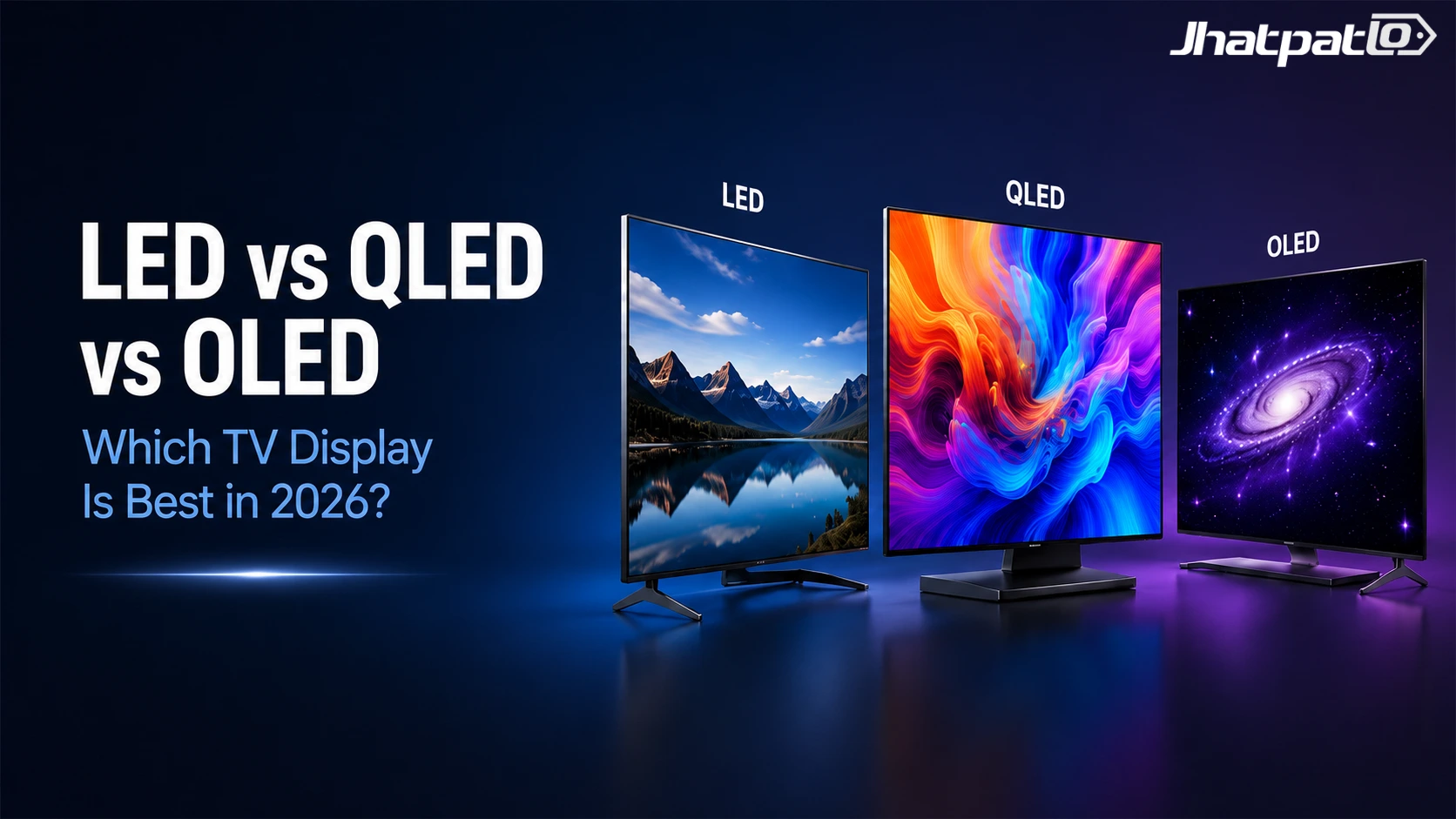
LED vs QLED vs OLED: Which TV Display Is Best in 2026?
Introduction
Choosing a new TV sounds simple until you’re staring at a shortlist and realizing every model claims to be the smart choice. That’s usually the point where Compare picture quality, burn-in risk, brightness and price stops being a vague comparison and starts feeling like a real decision. And honestly, that’s where most people get stuck.
The tricky part is that QLED vs OLED vs LED TVs looks like a clean three-way battle from a distance, but up close it’s more like a set of overlapping compromises. One gets brighter. One gets deeper blacks. One saves you money without making you feel silly later. So the real job is not finding the mythical perfect TV. It’s finding the one trade-off you can actually live with once it’s in your room.
Quick Highlights
- LED is still the safest budget pick
- QLED shines in bright rooms
- OLED has the best contrast
- Burn-in matters most for static content
- Room lighting changes everything
Why LED still hangs around when newer tech sounds better
LED gets talked about like it’s the old option, but that’s a little misleading. It’s really a reworked LCD TV with LED backlighting, and the backlight is doing a lot more work than people realize. In other words, the panel itself isn’t the whole story. The light behind it shapes the final image more than most buyers expect.
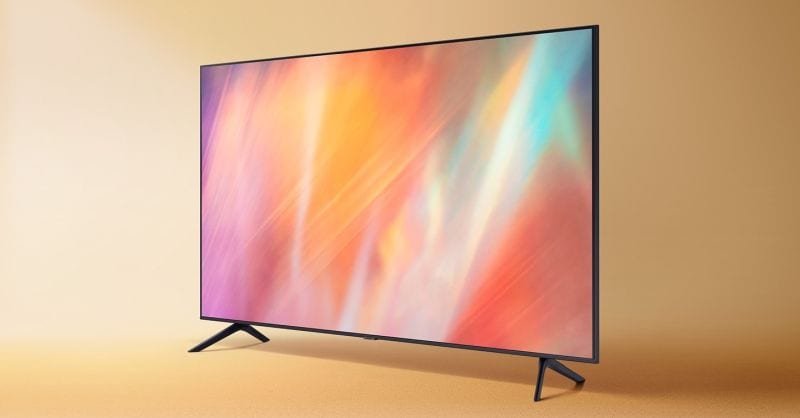
That’s why you still see edge lit LED TVs everywhere. They stay thin, they stay cheap, and they’re perfectly fine for a lot of everyday viewing. If you’re mostly watching news, sitcoms, sports, or casual streaming, they get the job done without making your bank account flinch. But the trade-off is obvious once you notice it: less convincing blacks, softer contrast, and a picture that can feel a bit flat when the scene gets dark.
Edge lighting, full array, and the awkward middle
Side-lit screens are usually where the budget cuts show up first. Since the light comes from the edges, black areas can look more like dark gray, and bright scenes can lose some depth. It’s not a disaster, but it’s the kind of thing you’ll notice more and more once you’ve seen better panels in person.
Full array LED TV models do a better job because the backlight is spread more evenly across the screen. That makes local dimming possible, which means some parts of the screen can get darker while others stay bright. It’s not perfect, and it doesn’t magically turn an LCD into something else, but the image can feel much less washed out. Direct-lit variants sit somewhere in the middle, which is why the market can feel oddly crowded. There’s a whole band of TVs that are technically similar but behave differently enough to matter.
What the panel underneath is quietly doing
Most shoppers focus on the brand, the size, and maybe the refresh rate, but the panel type underneath matters more than the logo. IPS and VA panels behave differently, and that changes the whole mood of the TV. It’s one of those details that sounds nerdy until you sit down and realize the image just doesn’t look the way you expected.
VA panels tend to lean into contrast, which makes them feel punchier in a dimmer room. IPS panels usually offer better viewing angles and more consistent colour off to the side, which can be helpful if people aren’t sitting dead center. So the “best” LED isn’t always the one with the biggest spec sheet. It’s the one that matches your room, your seating, and what you actually watch.
Why QLED feels like the sensible upgrade, not the flashy one
QLED sounds fancy, but it’s not trying to reinvent the whole display. It keeps the LCD structure and adds a quantum dot filter, which is the part that helps colour look cleaner and brightness feel more polished. That’s why QLED often comes across as the sensible upgrade rather than the dramatic one. It’s not making a loud promise. It’s just quietly improving the part you notice every day.
It still uses backlighting, so it doesn’t escape the basic limits of LCD. But the combination of blue light, quantum dots, and LCD processing can produce a picture that feels brighter and more vivid than standard LED, especially if your room gets a lot of daylight. If you’ve ever watched a TV struggle in a sunny living room, this is where QLED starts to make a lot of sense.
When brightness matters more than drama
The big appeal of QLED isn’t that it pretends to beat OLED at black levels. It doesn’t. The appeal is that it can get brighter without the picture falling apart. That matters more than people think, especially if you don’t watch TV in a perfectly dark room. A bright panel that still looks balanced is often more useful than a dimmer one with slightly better contrast on paper.
That’s also why 120 Hz QLED TVs and newer mini LED TV models keep showing up in gaming conversations. They’re trying to squeeze better motion handling, sharper highlights, and tighter control out of the same general display family. For fast sports, action games, and highly lit rooms, that extra brightness can be the difference between a screen that looks lively and one that feels a bit tired.
| Trait | LED | QLED |
|---|---|---|
| Colour control | Standard | Enhanced by quantum dot filter |
| Brightness | Good | Higher |
| Black levels | Moderate to weak | Improved, especially with mini LED |
| Burn-in risk | Low | Low |
That table is the basic story, but the real-life version is a little messier. A well-tuned LED can look perfectly good. A cheap QLED can still disappoint. And a brighter panel isn’t automatically better if the rest of the image processing is sloppy. Still, if you want a straightforward upgrade path without jumping to OLED pricing, QLED is usually the place people land.
OLED is where the picture stops arguing with itself
OLED is the one that tends to make people go quiet the first time they see it properly. That’s because it does away with the backlight completely. Instead of one light source pushing through the panel, each pixel makes its own decision. It can turn off entirely. And that one change explains almost everything people rave about later.
When a pixel can switch off by itself, blacks don’t look like dark gray pretending to be black. They look genuinely black. That gives the whole image a kind of visual confidence that LCD-based TVs have a hard time matching. Shadows feel deeper. Highlights feel cleaner. The image stops fighting itself and just looks calm.
That said, OLED isn’t magic. It’s just very, very good at the things it does well. If your room is bright all day, you might still notice some limits. If you’re careful with your content and don’t want to overpay for brightness you’ll never use, OLED starts making a lot of sense. But like every TV choice, it comes with a cost.
The part people forget after the demo video
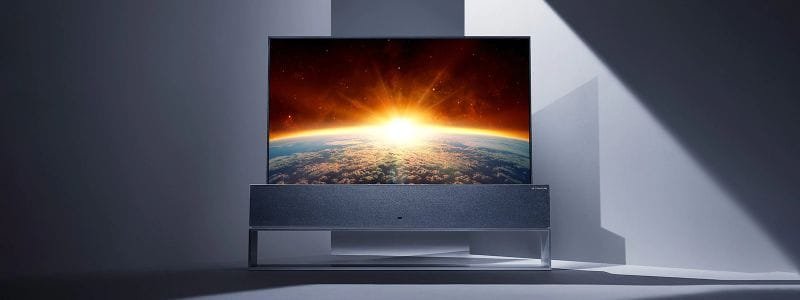
The caution sign with OLED is still OLED screen burn-in, even if it’s not as terrifying as the old horror stories made it sound. Burn-in is basically when static elements leave a mark over time because certain pixels get used more than others. Think channel logos, sports scoreboards, news tickers, game HUDs, or long viewing sessions with fixed interface elements. It’s not something that ruins every OLED, but it is something worth respecting.
There’s also gradual wear to think about, which is less dramatic but more real-world relevant. Over the years, the panel can age unevenly if one part works harder than the others. For most normal viewers, that won’t be an everyday panic. But if your screen is on for hours and hours with the same on-screen elements, the trade-off becomes part of the conversation. You get the best contrast in the room, but you do have to treat the display with a bit more care.
So what actually makes sense before you buy
Once you’ve looked at the specs long enough, the decision usually stops being about which technology is technically best. It becomes about which compromise feels easiest to live with after you’ve paid for it. That’s a much more honest way to shop, and it saves you from getting hypnotized by a single spec while ignoring everything else.
Here’s the simple version: LED is the safe budget call for everyday viewing. QLED is the middle ground if you care about brightness and colour more than absolute black. OLED is the “I want the best picture” choice, assuming the budget can stretch and you’re comfortable with the burn-in trade-off. None of those are silly choices. They just solve different problems.
- LED: the safer budget call for everyday viewing
- QLED: the middle ground if brightness and colour matter more than absolute black
- OLED: the “I want the best picture” choice, assuming the budget can stretch
And then there’s gaming, which can quietly tilt the whole decision. The best TV tech for gaming isn’t always the most expensive one, but refresh rate, motion handling, input lag, and contrast all matter more than people expect. A TV that looks fine in a showroom can feel sluggish at home if those parts aren’t dialed in. That’s why the “best” choice often depends on whether you mostly watch movies, play games, or keep sports on in the background.
If you’re shopping in a bright room, QLED often wins by being more forgiving. If you mostly watch in the evening with the lights down, OLED’s contrast starts to shine in a way that’s hard to unsee. And if all you really want is something reliable and affordable, LED is still the boring option that makes a lot of sense.
There’s a strange comfort in that, actually. Not every purchase needs to feel like a once-in-a-lifetime upgrade. Sometimes you just want a TV that does its job, doesn’t look weird in your room, and doesn’t annoy you six months later.
FAQ
These are the small doubts that usually show up after the shortlist is already too long.
Q: Which is better, LED, OLED or QLED?
There isn’t one clean winner. LED is the budget pick, QLED balances image quality and cost, and OLED is the strongest choice when picture quality matters more than price. The best option really depends on what you’ll notice most at home.
Q: Is QLED worth it over LED?
Usually yes, if you care about brighter screens and richer colour. It’s a noticeable step up from basic LED without jumping all the way to OLED pricing, which makes it a pretty sensible middle-ground buy.
Q: Which TV lasts longer, OLED or QLED?
QLED usually has the edge for longevity because it avoids the burn-in risk that can still shadow OLED over time, especially with heavy static content. That doesn’t make OLED fragile, but it does mean QLED is generally the lower-maintenance choice.
Q: What is the lifespan of an LED vs QLED TV?
Both can last for years, but QLED tends to hold brightness and colour accuracy better over the long run, which is often what people actually notice first. A TV doesn’t need to fail to feel old; sometimes it just slowly looks less lively.
Conclusion
The right TV comes down to three things: how much you want to spend, how bright your room is, and how much you care about the last 10 percent of picture quality. That’s the real decision underneath the marketing noise.
If you want simple value, LED still does the job. If you want a cleaner upgrade without going all the way up the price ladder, QLED is easier to live with. And if you want the panel that gets closest to the best possible picture, OLED is still the one that feels like the answer, as long as the budget and burn-in trade-off both feel acceptable.
So before you click buy, look at your room, your habits, and the kind of viewing that happens most often. That’s the part that decides whether the TV feels great now and still makes sense later.

Mahi Gupta
✉ mahigupta708076@gmail.comRelated Products



Samsung M Series TV deals hit their best prices yet for 65 and 75-inch models
Samsung’s M Series TV deals have dropped both the M80H and M70H to their lowest prices yet, with the 65-inch M80H now at $647.99 and the 75-inch M70H at $549.99 on Amazon. The M80H is the more feature-heavy option thanks to HDMI 2.1 and a 144Hz panel, while the larger M70H is aimed more at...
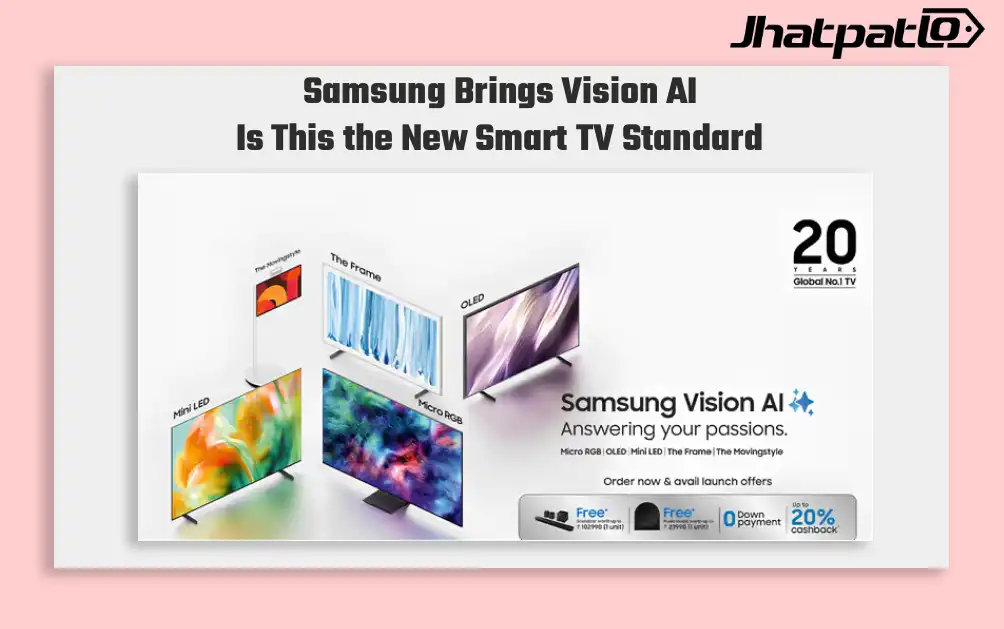
Samsung Brings Vision AI to 72 TVs in India With Micro RGB Debut
Samsung Brings Vision AI to More TV Models Samsung has launched 72 TV models in India for 2026, extending Vision AI across 4K and above models and adding Micro RGB TVs to its lineup. The company said the range starts at Rs 36,990 for UHD models and goes up to its premium Micro RGB offerings....

Xiaomi opens blind reservations for its first RGB Mini LED TV
Xiaomi has opened blind reservations in China for its first RGB-Mini LED TV, the TV S Pro RGB-Mini LED 2027 Ultra, with deposits running from August 22 to September 1. The launch is aimed at buyers looking for a 144Hz gaming TV, and Xiaomi is pairing the reservation with a 100 yuan deposit...
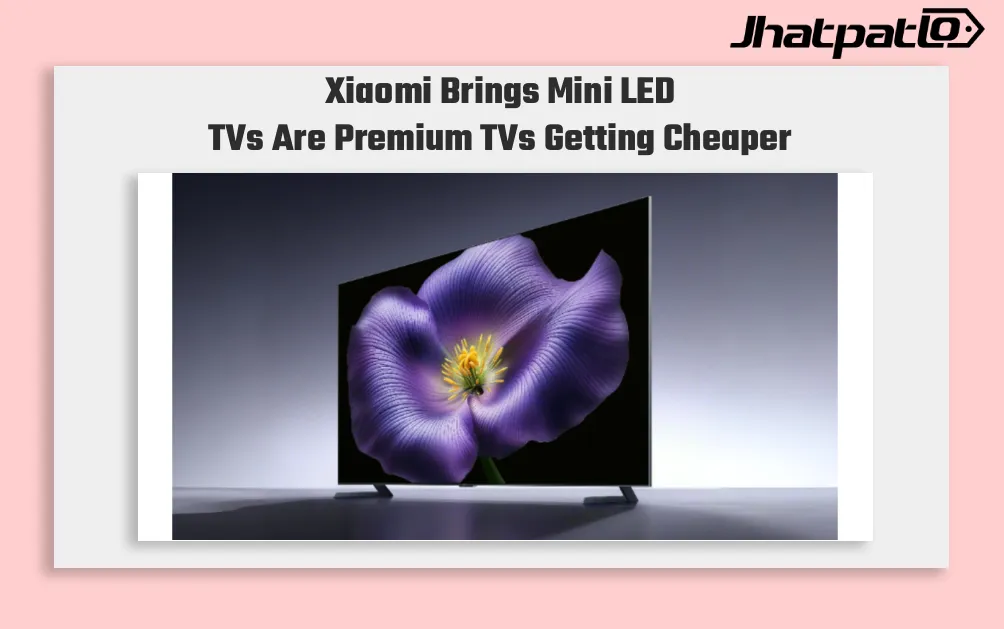
Xiaomi Brings Mini LED TVs to India With Fire TV Built In
Xiaomi brings Mini LED TVs to India Xiaomi is bringing its Mini LED TV lineup to India next week, with the FX Mini LED Series set to launch on June 4. The new range comes with Fire TV built in, a 144Hz refresh rate on global variants, and gaming-focused display features. Pricing has not been...
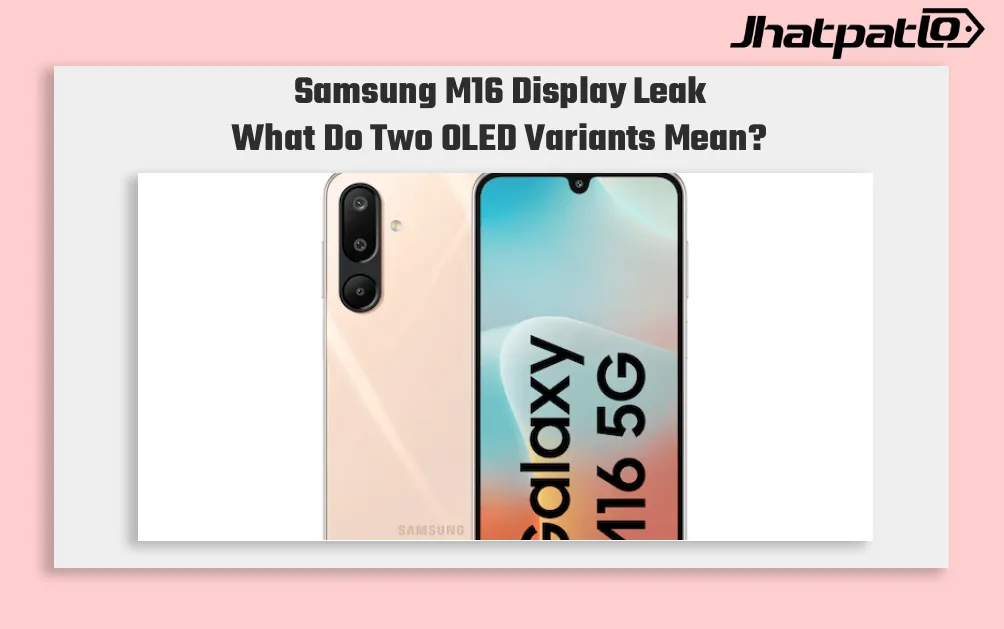
Samsung M16 Display Leak Hints at Major OLED Efficiency Upgrade
Samsung M16 Display Leak is reportedly headed for two OLED variants, including an M16 E7 version with a more efficient blue-emitter setup. The leak points to a practical battery-life gain for future premium phones rather than a major visual redesign. That matters because blue OLED efficiency...
Xiaomi QLED TV X Pro 75 Launches in India With 4K HDR and Dolby Audio
Xiaomi QLED TV X Pro 75 Launched in India Xiaomi has rolled out the Xiaomi QLED TV X Pro 75 in India, marking the company’s largest QLED television to date. The model carries a 75 inch 4K display designed to deliver a large-screen home viewing experience. Xiaomi emphasizes enhanced pict...