


OPPO Find N6 Review 2026: The Foldable That Makes Creases Feel Old
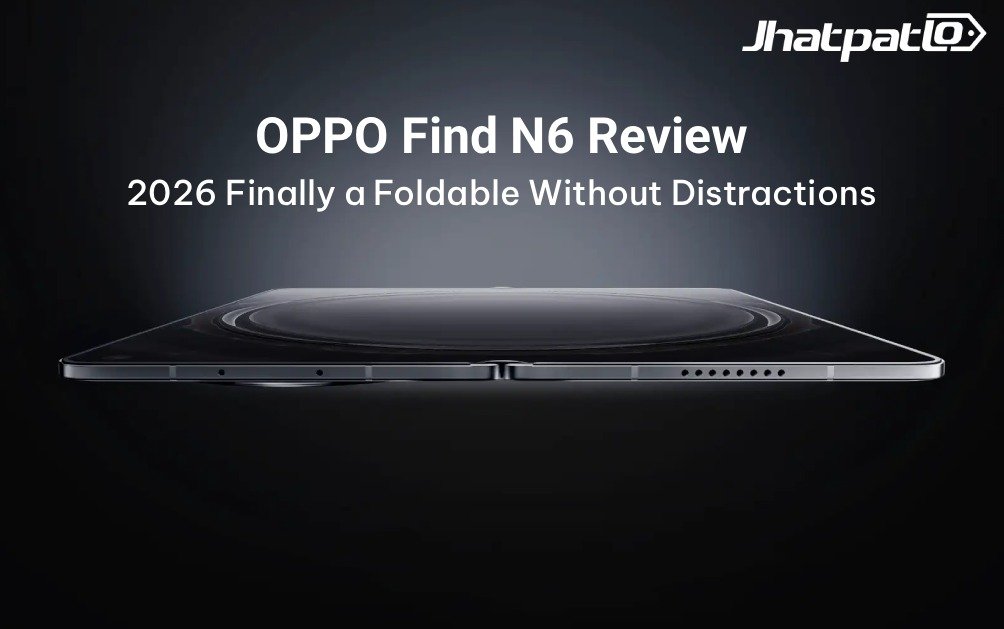
If foldables have started to feel a little predictable, the OPPO Find N6 is the kind of device that wakes the whole category up again. In this OPPO Find N6 review, one thing becomes obvious very quickly: OPPO isn’t just trying to make a foldable that looks impressive on a spec sheet. It’s trying to make one that feels genuinely easier to live with, day after day. And honestly, that’s a much bigger deal than another flashy hinge demo.
What stands out most is how normal it feels in the hand despite being a premium foldable smartphone. At 8.9mm folded, 4.2mm unfolded, and 225g, it’s pushing the idea that a book-style foldable doesn’t have to feel like a compromise anymore. The nearly invisible crease, 120Hz LTPO AMOLED panels on both sides, 3600 nits peak brightness, and 6000mAh battery all point to the same thing: 2026 is shaping up to be the year foldables stop being novelty devices and start acting like mature flagships.
Quick Highlights
- Crease visibility is so low it barely distracts in normal use.
- It feels lighter and thinner than many people expect from a foldable.
- The battery and charging setup finally match premium daily use.
- India availability is still the biggest downside.
What makes the OPPO Find N6 different from other foldables?
The easiest way to understand the OPPO Find N6 is this: it doesn’t try to win by being weird anymore. A few generations ago, foldables sold themselves on the wow factor alone. You opened them, showed them off, and that was half the experience. But in 2026, that’s no longer enough. The category has moved on, and buyers now care about comfort, reliability, battery life, and whether the phone actually makes sense after the first week.
That’s where this device separates itself. The OPPO Find N6 review experience feels less like testing a gadget and more like using a refined flagship. It’s slim, it’s balanced, and the 225g weight matters more than it sounds on paper. A lot of people still assume foldables must be bulky, but this one challenges that old idea pretty hard. In fact, one of the more interesting shifts in the market is that foldables are starting to compete with regular premium phones on ergonomics, not just innovation.
The outer and inner screens also help that impression. You get a premium Android foldable with 120Hz LTPO AMOLED displays on both sides, which makes the whole experience feel consistent rather than compromised. Add UFS 4.1 storage, stylus support, IP57/IP58/IP59 durability ratings, and a design that folds down to 8.9mm, and it starts to look less like a “special case” phone and more like something a serious buyer could use every day without making excuses for it.
That’s the larger story here. Foldables are entering a mature flagship phase. The excitement now comes from refinement, and the Find N6 leans into that better than most. Market trackers like Counterpoint and IDC have repeatedly shown that foldables are growing, but the real story is the direction of travel: buyers want thinner, lighter, more reliable devices, not just bigger screens. This one understands that.
Is the OPPO Find N6’s creaseless display actually a big deal?
Short answer? Yes. Longer answer? More than most people expect.
The phrase creaseless foldable display gets thrown around a lot in marketing, and usually you have to squint a bit to see what the fuss is about. But on a daily level, the difference is real. The screen doesn’t just look smoother; it feels smoother. That matters because a foldable isn’t something you admire for ten seconds and put away. It’s something you read on, scroll through, type on, and split into multiple apps over and over again.
Once the crease stops pulling your attention, the phone becomes easier to trust. That’s the psychological shift most reviews miss. A visible crease doesn’t just affect visuals. It creates a tiny, constant reminder that the device is a compromise. The moment that reminder fades, the inner display starts behaving more like a seamless tablet panel and less like a clever engineering experiment.
During reading, gaming, and multitasking, that smoother feeling really does improve immersion. The display doesn’t feel “broken” in the middle, and even when the crease is faintly visible at certain angles, it doesn’t interfere much in normal use. In day-to-day terms, that means fewer moments where your brain notices the hardware and more moments where you just use the phone. Sounds small, but it adds up.
This is also where hinge refinement becomes the bigger story. In 2026, foldable display technology isn’t just about making screens larger. It’s about making the fold itself less emotionally present. That may sound dramatic, but it’s true. If the inner panel feels smooth, the whole device feels more mature. It stops shouting “look at me” and starts acting like a premium tool.
That’s what makes this one of the clearest signs that foldable innovation is shifting from spectacle to usability.
How good are the OPPO Find N6 cameras for a foldable phone?
Foldable phone cameras have improved a lot, but they still tend to lag behind the very best slab phones in a few tricky areas. The OPPO Find N6 doesn’t completely erase that gap, but it gets impressively close. Its 200MP primary camera, supported by dual 50MP cameras and Hasselblad tuning, gives it a serious foundation. That’s not just a “good for a foldable” setup either. It’s a real flagship camera system that can hold its own in everyday shooting.
In bright light, photos are detailed and punchy without looking ridiculous. The color tuning has that premium, polished feel you’d expect from Hasselblad integration, and the phone benefits from computational photography that now matters even more in foldables than it does in traditional phones. Why? Because foldables have more design constraints. Camera hardware has to fit inside a slimmer body, and software has to work harder to keep results consistent.
That’s why the OPPO Find N6 camera experience is best understood as strong rather than magical. It’s very good, but it still lives in the same reality as every other premium foldable smartphone: physics wins a few arguments. Low light, motion handling, and zoom performance can still favor the most camera-focused slab flagships.
The good news is that OPPO doesn’t seem to pretend otherwise. It leans into the strengths that matter most for this form factor. The large inner display makes framing easier, the outer screen helps with quick shots, and the foldable design itself creates useful shooting angles for selfies and video. If you care about foldable phone cameras and want a device that doesn’t treat imaging as an afterthought, this is one of the stronger options around.
Put simply, it’s the kind of camera system that fits the device instead of distracting from it.
Can the OPPO Find N6 replace a tablet for productivity?
For a lot of people, yes, and that’s not just marketing fluff.
The OPPO Find N6 feels built for foldable productivity in a way that goes beyond simple split-screen tricks. The large 8.1-inch main display gives you enough room to work with multiple apps, and the software tools matter here more than people sometimes realize. Sidebar access, taskbar behavior, app switching, AI Writer, AI Translate, and cross-device ecosystem support all combine to make the phone feel like a compact work hub rather than just a giant screen in your pocket.
This is where the idea of a “micro productivity hub” makes sense. You’re not replacing a laptop, obviously. But if you answer email, review documents, move between chat apps, edit text, and bounce content between devices, the Find N6 can absolutely cover a lot of ground. It’s especially appealing for mobile productivity users who don’t want to carry a tablet everywhere but still want more space than a normal phone offers.
ColorOS foldable features are a big part of that experience. The interface doesn’t just stretch apps awkwardly across the screen; it tries to make multitasking feel intentional. That’s important, because a foldable can have great hardware and still feel clumsy if the software gets in the way. Here, the software is doing enough of the heavy lifting to make the hardware feel smarter.
There’s also a broader remote-work angle. In 2026, on-device AI workflows are becoming more common, and devices like this are naturally positioned to benefit. Need to translate text, rewrite a message, or juggle two work apps at once? That’s exactly the sort of thing a flagship foldable should be good at.
So no, it won’t replace every tablet. But for many users, it can absolutely shrink the need for one.
How powerful is the OPPO Find N6 in daily use?
Very. And more importantly, it stays powerful without making you baby it.
The Snapdragon 8 Elite Gen 5 gives the phone the kind of speed you’d expect from a modern top-tier flagship. Apps open quickly, animations stay smooth, multitasking doesn’t feel sluggish, and gaming performance is exactly where it should be. That’s the easy part. What matters more is how the phone handles heat and battery life while doing all of that.
This is where the Find N6 gets especially interesting. Foldable phone battery life has long been one of the category’s weak points. Buyers have been trained to accept less endurance in exchange for the form factor. But a 6000mAh battery changes that conversation. It’s large enough to deliver a proper full day for heavy use, and the 80W wired charging plus 50W wireless charging make topping up feel far less annoying than on many rivals.
That combination matters because it removes the anxiety that often shadows foldables. You stop wondering whether the phone will last until evening, and that changes how often you actually use the inner screen. A foldable that’s always near a charger is a foldable you use less. A foldable with serious endurance gets used the way it should.
Benchmark-wise, the device should sit in the same class as other Snapdragon 8 Elite Gen 5 phones, though real-world battery comparison will always depend on display use, app mix, signal conditions, and how much multitasking you do. Still, compared with many Samsung and Pixel foldable setups, the Find N6 has a clear endurance advantage on paper and likely in practice.
That’s a big deal. Battery density is quietly becoming one of the most important breakthroughs in ultra-thin foldables, and OPPO seems to understand that better than most.
OPPO Find N6 vs Samsung Galaxy Fold: which one feels better in 2026?
This is the comparison a lot of people will care about, and for good reason. Samsung still has the more mature ecosystem, better desktop-style support through DeX, and a stronger official presence in more markets. That matters. A lot. But hardware is a different conversation, and that’s where the Find N6 puts up a serious fight.
| Feature | OPPO Find N6 | Samsung Galaxy Fold |
|---|---|---|
| Crease visibility | Nearly invisible | Visible |
| Weight | 225g | Heavier |
| Battery | 6000mAh | Smaller |
| Software ecosystem | Strong | More mature |
| Desktop mode | No | DeX support |
| Charging | 80W | Slower |
| Availability in India | Limited | Official |
If you’re comparing the OPPO Find N6 vs Samsung Fold, the answer depends on what annoys you most. If you care most about software maturity, ecosystem support, and the reassurance of official retail availability, Samsung still has the edge. If you care about crease visibility, slimness, battery life, and charging speed, OPPO looks incredibly strong.
That’s why calling any single device the best foldable phone 2026 is trickier than it sounds. The market is more competitive now. Samsung, Google, Vivo, Motorola, and OPPO all bring different strengths, and the best choice depends on whether you value polish, endurance, camera tuning, or raw hardware refinement.
What’s clear, though, is that the Find N6 doesn’t feel like a “second-tier” alternative anymore. It feels like a real rival. And that alone says a lot about where foldable competition has landed.
Should you buy the OPPO Find N6 in India?
Here’s the frustrating part: the device is not officially available in India. For a lot of premium buyers, that’s the end of the conversation. No official launch usually means warranty headaches, support uncertainty, and more hesitation around imports.
But there’s also a strange truth about phones like this: scarcity can make them more desirable. If you follow premium Android foldable launches closely, you already know that some people will still chase it because the hardware feels ahead of the curve. That includes users who’ve been waiting for a foldable that actually solves more problems than it creates.
Still, I’d only recommend considering an import if you’re comfortable with the risks. Ask yourself a few basic questions first:
- Are you okay without official Indian warranty coverage?
- Will you miss local service support if something goes wrong?
- Are you buying it because you truly want the hardware, not just the novelty?
- Would a locally available foldable meet most of your needs anyway?
India’s premium foldable market is growing, and that’s important. Buyers here are becoming much more aware of foldable display technology, hinge quality, and day-to-day usability. But that doesn’t make an unavailable phone easier to live with. It just makes the frustration more pointed.
If you want a safer purchase, local alternatives make more sense. If you want the most forward-looking hardware and don’t mind the import trade-offs, the Find N6 becomes a more tempting proposition. But it’s not a casual buy. It’s a very deliberate one.
Final thoughts
The OPPO Find N6 shows how far foldables have come. This isn’t a device banking on a gimmick. It’s a premium foldable smartphone that leans on a smoother display, thin and light engineering, strong battery life, and features that actually matter in day-to-day use. That’s the real story behind this OPPO Find N6 review.
The nearly invisible crease changes the way the phone feels, not just how it looks. The battery and charging setup make it easier to trust. The cameras are serious enough for most buyers. And the software gives the whole thing a more useful, less theatrical shape.
The biggest catch is still India availability. That gap keeps it from being an easy recommendation, even if the hardware is genuinely impressive. But if foldables are finally entering their mature flagship phase, the Find N6 is one of the clearest examples of that shift.
So the real question is simple: do you want the foldable that makes the loudest first impression, or the one that quietly changes how you use a phone every day?
FAQ
Is the OPPO Find N6 crease completely invisible?
The crease is still faintly visible at certain
angles, but the screen feels smooth during normal usage. That makes the overall experience more immersive than most
competing devices.
Does the OPPO Find N6 support stylus input?
Yes. Both the cover and inner displays support stylus
input, though the stylus is sold separately.
How good is the OPPO Find N6 battery life?
The 6000mAh battery comfortably delivers full-day
usage with heavy multitasking, media consumption, and productivity tasks.
Is the OPPO Find N6 available officially in India?
No. OPPO has not launched the Find N6
officially in India, which limits warranty and retail support options.
Can the OPPO Find N6 replace a tablet?
For many users, yes. Its multitasking tools, large inner
display, and app management features make it useful for portable productivity workflows.
Which foldable competes most closely with the OPPO Find N6?
Samsung’s Galaxy Fold lineup remains
the closest rival, mainly because of its software maturity and ecosystem integration.
If you’re tracking the next wave of premium foldable smartphone launches, this is the kind of device worth watching closely. And if you’re already comparing options, maybe the better question is not which foldable is flashiest, but which one you’d actually enjoy using six months from now.
Related Products


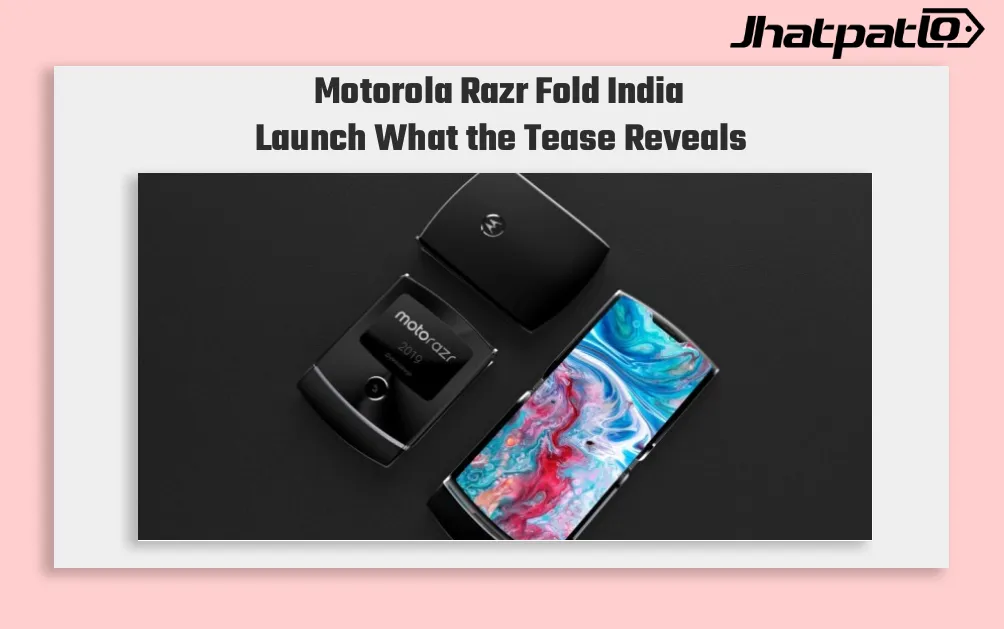
Motorola Razr Fold India Launch Teased With Snapdragon 8 Gen 5
Motorola has teased the Motorola Razr Fold India launch, signalling that its first book-style foldable is headed to the country soon. The device was earlier unveiled at MWC 2026, and the India teaser suggests Motorola is now preparing a wider rollout, though the exact launch date is still...
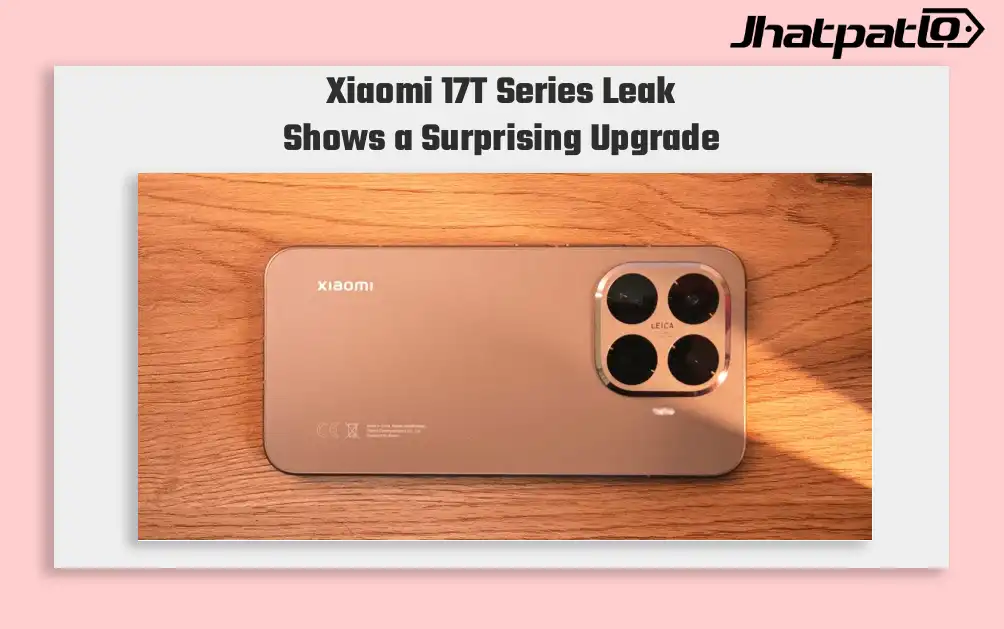
Xiaomi 17T Series Leak Reveals Design Specs and Possible India Launch
The Xiaomi 17T Series Leak Reveals surfaced in a fresh leak that shows renders, key specifications and a possible launch window later this month. The lineup is expected to include two models, the Xiaomi 17T and Xiaomi 17T Pro, with reports also suggesting that the standard model could mak...
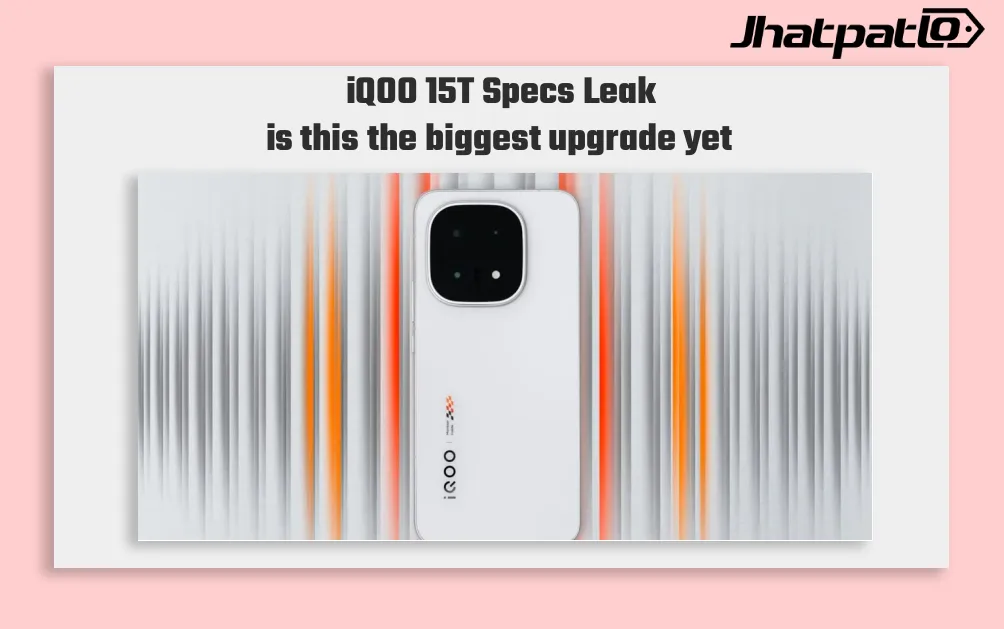
iQOO 15T Specs Leak Suggests 200MP Camera and 8000mAh Battery
Leaks around the iQOO 15T specs leak are pointing to a spec-heavy phone that could sit between the standard iQOO 15 and the rest of the brand’s lineup. Reports from Weibo tipsters Experience More and Digital Chat Station suggest the phone may arrive with a Dimensity 9500 chipset, a 6.82-inch 2...
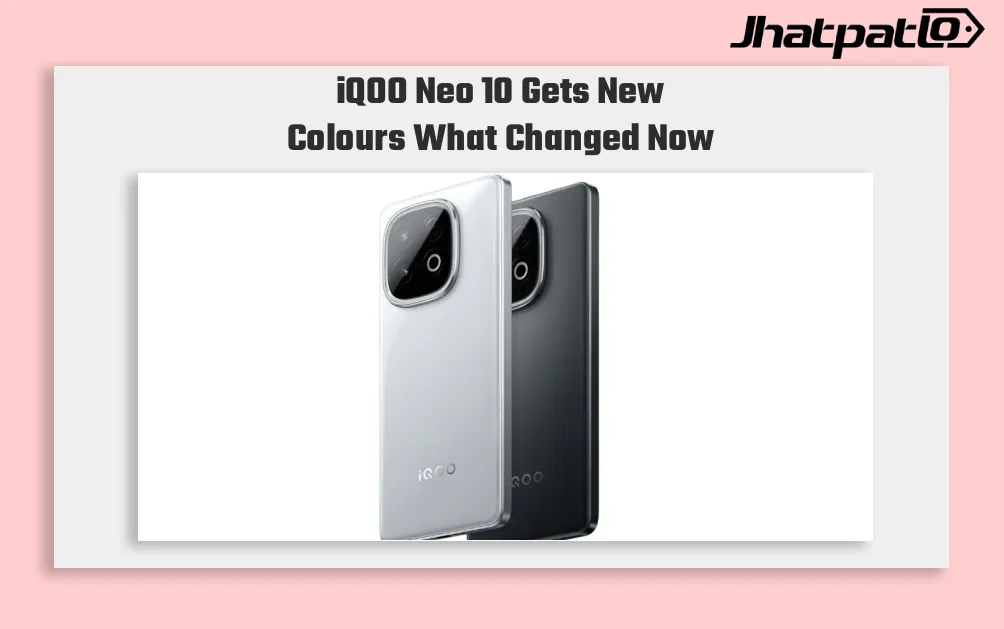
iQOO Neo 10 Price in India Updated with New Colour Variants
iQOO Neo 10 Gets New Colours in India iQOO Neo 10 has arrived in two new colour variants, Alpine White and Asphalt Black, while the existing options remain Inferno Red and Titanium Chrome. The phone continues with the same hardware, including a 6.78-inch AMOLED display, Snapdragon 8s Gen 4 ch...
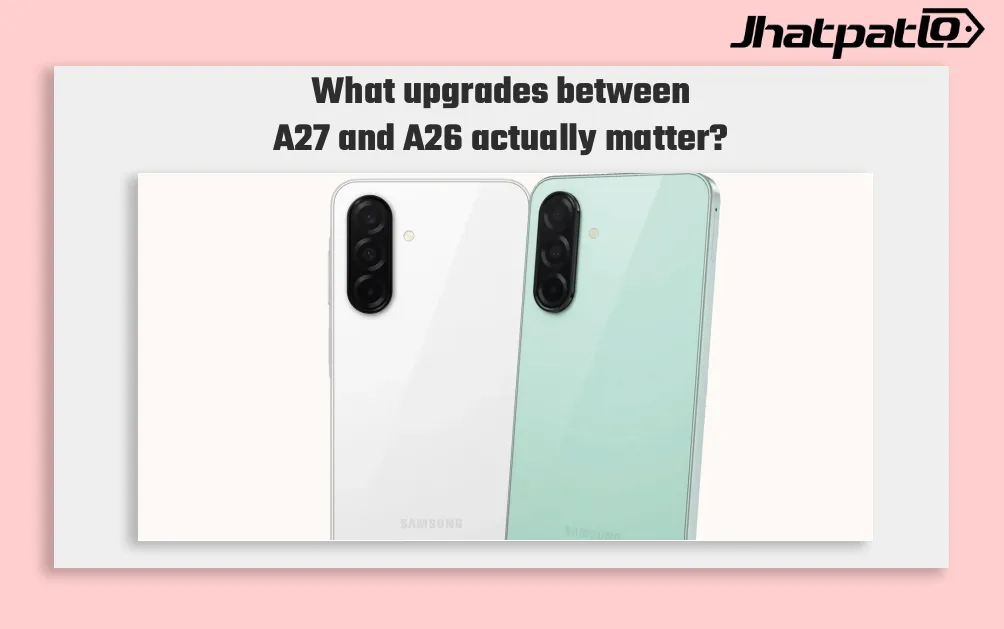
Samsung Galaxy A27 Appears on Samsung Brazil Site Ahead of Launch
Samsung Galaxy A27 has appeared on Samsung’s Brazil website, pointing to an early pre-launch listing rather than an official announcement. The Samsung Galaxy A27 is mentioned under Samsung Wallet compatibility, alongside Galaxy A37 and Galaxy A57, and leaks suggest it will be the success...
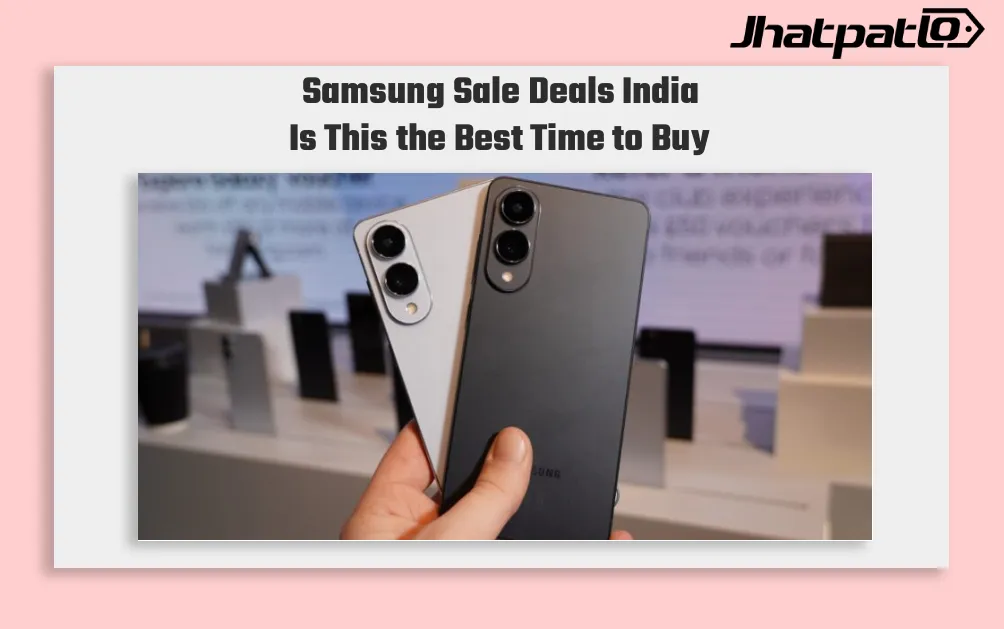
Samsung Sale Deals India Bring S25 Edge at Rs 69,999 and Ultra Under Rs 1 Lakh
Samsung sale deals India are set to go live this week as Amazon and Flipkart line up back-to-back summer events with major price changes on the Galaxy S25 series. The Galaxy S25 Edge drops to ₹69,999 from ₹1,09,999, while the Galaxy S25 Ultra falls to ₹94,999 from ₹1,29,999. Samsung...