


Best Washing Machines in India: The Ones That Actually Make Sense
Introduction
Buying a washing machine sounds simple until you're actually in the market. Then it turns into a long scroll through brand names, star ratings, motor claims, wash programs, and features you may never use twice. That’s why this list is focused on the models and brands that make practical sense, not just the ones that look good in a spec sheet. If you’ve been trying to choose between a top loader, a front loader, or something more budget-friendly, you’re not alone.
- Best picks depend on daily use, not hype
- Front load usually wins on efficiency
- Top load is often easier for everyday convenience
- Semi automatic still makes sense for tight budgets
- Warranty details matter more than flashy extras
The tricky part is that the best washing machine brands in India don't all win for the same reason. Some are better for hard water. Some are quieter. Some are built for smaller homes. And some just feel easier to live with. So instead of chasing the biggest feature list, it helps to look at what each machine actually does well in everyday life.
Top 10 Best Washing Machine in India and Models Worth Looking At
Here’s a quick pass through the brands that keep coming up for the right reasons. These aren’t the only options out there, but they’re the ones that tend to make sense when you compare performance, usability, and long-term value. In other words, the kind of things you care about after the excitement wears off.
- Panasonic 5 Star Fully Automatic Top Load Washing Machine
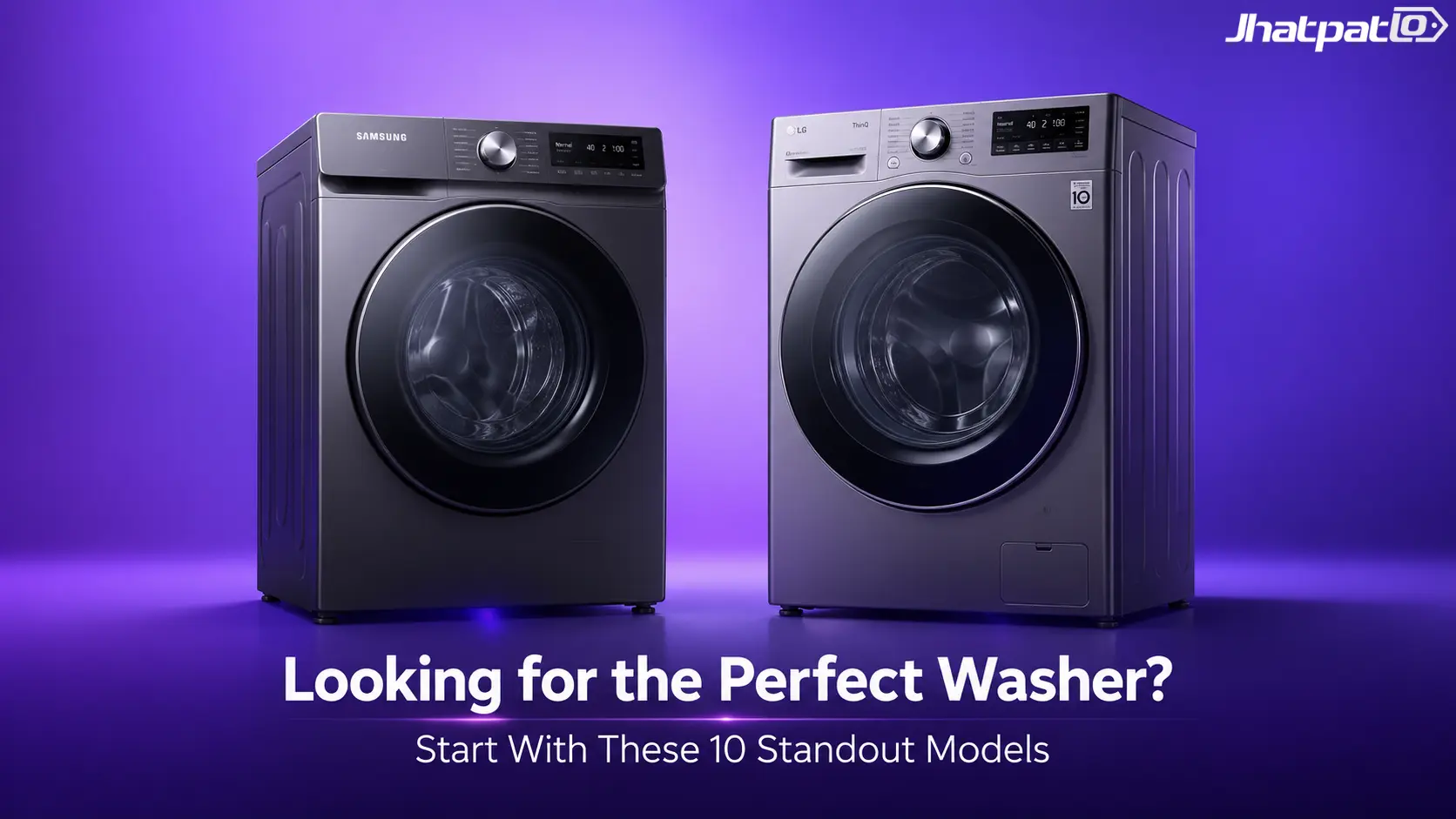
- Samsung Inverter Fully Automatic Front Load Washing Machine
- Whirlpool Fully Automatic Top Load Washing Machine
- IFB Fully Automatic Front Load Washing Machine
- Haier HWM65-AE Top Load Fully Automatic Washing Machine
- LG Inverter Fully Automatic Front Load Washing Machine
- Bosch Front Load Washing Machine
Panasonic 5 Star Fully Automatic Top Load Washing Machine
The Panasonic 5 Star Fully Automatic Top Load Washing Machine is a solid everyday choice if you want something dependable without getting pulled into too much complexity. It’s especially appealing if you like the familiar feel of a top load machine and want the process to stay simple. The strong motor warranty also adds peace of mind, which is one of those things people ignore until something goes wrong.
The wash features are practical rather than flashy. That’s not a bad thing. In many homes, practical wins. This kind of machine fits a household that wants regular cleaning, easy loading, and a machine that doesn't demand too much attention.
Samsung Inverter Fully Automatic Front Load Washing Machine
The Samsung Inverter Fully Automatic Front Load Washing Machine feels a bit more premium right away. It’s the kind of machine people often look at when they want convenience plus a more modern experience. The AI features are part of that appeal, but the bigger draw is the way it handles hygiene and fabric care. That matters more than most people think, especially if you wash clothes frequently or deal with mixed fabrics.
Front loaders generally ask less of the clothes, and Samsung leans into that smart, efficient image well. If you’ve ever felt like your machine should do more than just spin and rinse, this is the sort of option that starts to make sense.
Whirlpool Fully Automatic Top Load Washing Machine
The Whirlpool Fully Automatic Top Load Washing Machine is the one you look at when cleaning power matters more than polish. It’s built for tougher cleaning jobs and for homes where hard water is part of the reality, not a rare inconvenience. That’s a big deal in India, because water quality can seriously change how a washing machine performs over time.
What stands out here is that Whirlpool doesn’t try to pretend laundry is always gentle. Some families need a machine that can handle daily wear, muddy clothes, school uniforms, and all the mess that comes with active use. This one is tuned for exactly that kind of life.
IFB Fully Automatic Front Load Washing Machine
IFB has a reputation for being feature-heavy, and the IFB Fully Automatic Front Load Washing Machine fits that pattern pretty well. It’s a good match for buyers who like convenience, efficiency, and the sense that the machine is doing a lot of the thinking for them. There’s also a noticeable safety-conscious angle here, which makes it feel a little more reassuring for long-term use.
Front load machines already tend to be efficient, and IFB pushes that further with a strong mix of programs and controls. If you’re the kind of person who likes options but doesn’t want the machine to feel confusing, this brand usually lands in a decent middle ground.
Haier HWM65-AE Top Load Fully Automatic Washing Machine
The Haier HWM65-AE Top Load Fully Automatic Washing Machine is a nice reminder that affordable doesn’t have to mean stripped down. For smaller households, especially, it hits a useful balance between price and everyday usefulness. You get the convenience of a fully automatic setup without moving into a more expensive tier too quickly.
This is the kind of machine people often end up appreciating more after a few months of use. It doesn’t shout for attention, but it covers the basics well. And honestly, that’s what a lot of buyers really need.
LG Inverter Fully Automatic Front Load Washing Machine
The LG Inverter Fully Automatic Front Load Washing Machine brings in a more connected, slightly smarter experience. App control and diagnostic features make it feel modern, but the quieter running style is just as important. A noisy washing machine can become annoying fast, especially in apartments or smaller homes where the laundry area is close to living space.
LG tends to do well for people who want a bit more control without giving up ease of use. The machine feels thoughtful. That’s probably the best way to put it.
Bosch Front Load Washing Machine
The Bosch Front Load Washing Machine is one of those machines that feels serious in a good way. It’s quiet, durable, and doesn’t lean too hard on flashy extras. Instead, it focuses on the basics that matter day after day, which is often what people actually want once they’ve lived with a machine for a while.
Bosch has a strong reputation for build quality, and that shows in how this kind of machine is usually positioned. If you care about long-term reliability and a calmer laundry experience, it deserves a close look.
Types of Washing Machines
The type of machine matters just as much as the brand, sometimes more. A good brand in the wrong category can still feel awkward in your home. So before getting too deep into comparisons, it helps to understand the basic types and what they really mean in daily use.
Fully Automatic Washing Machine
A fully automatic washing machine does the whole job with much less input from you. You load the clothes, choose a program, and let the machine handle washing, rinsing, and spinning. That one-button convenience is a big reason people prefer it. It feels cleaner, simpler, and less tiring when laundry is already one more thing on your list.
Semi Automatic Washing Machine
A semi automatic washing machine is more manual, but that doesn't make it outdated. These models are usually cheaper and can use less water, which still matters a lot in some homes. The trade-off is that you do more of the work yourself. If you're okay with a bit of involvement and want to keep costs under control, it can still be a smart buy.
Front Load Fully Automatic Washing Machine
A front load fully automatic washing machine is often the better performer when it comes to cleaning and fabric care. It usually uses less water and is gentler on clothes, which is why people with more delicate fabrics often prefer it. The downside is simple: it can cost more upfront. But if long-term efficiency matters, the math often starts to work in its favor.
Top Load Fully Automatic Washing Machine
A top load fully automatic washing machine is familiar, easy to use, and usually less awkward for quick loading. You don't have to bend down as much, which sounds minor until you’re doing laundry every week. It can also be a better fit for smaller homes where convenience and space layout matter. The table below gives a simple comparison of these main types.
| Type | Main Benefit | Main Trade-off | Best For |
|---|---|---|---|
| Fully Automatic | Less manual effort and simpler use | Usually costs more than semi automatic | Busy households wanting convenience |
| Semi Automatic | Lower cost and lower water use | More manual work | Budget-focused buyers |
| Front Load Fully Automatic | Better efficiency and gentle cleaning | Often pricier upfront | Families wanting performance |
| Top Load Fully Automatic | Easy loading and familiar use | Can use more water than front load | Homes wanting simple convenience |
Top Load vs Front Load, and Fully Automatic vs Semi Automatic
This is where people usually overcomplicate things. The real differences are less about labels and more about comfort, water use, space, and how much effort you want to put in. Once you look at it that way, the decision gets a lot less mysterious.
- Top load: easier access, often lower price
- Front load: better efficiency, usually gentler on clothes
- Fully automatic: less manual effort, more wash options
- Semi automatic: lower water use, lower cost, more hands-on work
If you've ever stood in front of a store display feeling like every machine looks the same, this comparison is the part that clears things up. A top load machine is often about convenience. A front load machine is often about performance and efficiency. Fully automatic keeps life easier. Semi automatic helps when budget and water use matter more than ease. None of these choices is wrong. They just serve different priorities.
How to Buy the Right Washing Machine
Buying the right washing machine is mostly about matching the machine to your household, not chasing the most complicated feature list. A lot of glossy extras sound impressive for a week, then fade into the background. What stays useful is the stuff that affects everyday use: capacity, warranty, motor quality, power use, and how comfortably the machine fits your routine.
- Choose capacity based on household size
- Check motor and product warranty separately
- Don’t ignore RPM and wash programs
- Buy from a reliable source, online or offline
Capacity is the easiest place to start. A small family usually doesn't need a huge drum, and oversizing can be a waste of money. Warranty is another detail people should look at more carefully. The motor warranty and product warranty aren't always the same thing, and that's worth checking before you buy. RPM matters too, because it gives you a rough idea of spin speed, which affects how dry clothes come out. Higher RPM isn't automatically better, but it can help. And finally, always buy from a reliable source. A good machine bought from the wrong place can become a frustrating story very quickly.
FAQ
These are the questions people usually ask once the brand names stop helping and the real comparison begins.
Q: Which washing machine type is best for a small family?
A compact fully automatic top-load or a small front-load model usually makes the most sense. A small family often needs something easy to use, not oversized or overcomplicated. If space is limited, a compact design can also make everyday laundry feel less annoying.
Q: Are front load washing machines better than top load machines?
Often yes for efficiency and fabric care, though top load can be simpler and cheaper. Front load machines usually use less water and are kinder to clothes, but top load machines are easier for many people to load and live with. So the better choice depends on what you value more.
Q: Is a semi automatic washing machine still worth buying?
Yes, if budget and water usage matter more than convenience. A semi automatic washing machine can still be a sensible option for buyers who want to spend less and don't mind a more hands-on routine. It's not outdated at all if it fits the way you actually live.
Q: What should I check before buying a washing machine?
Capacity, warranty, power use, and whether the machine actually fits your routine. That's the real checklist. The machine should suit your household size, the amount of laundry you do, and the kind of maintenance effort you're comfortable with. If it feels awkward from the start, it probably won't get better later.
Conclusion
The best washing machine is usually the one that fits the household, not the one with the loudest feature list. That’s the part people forget when they get caught up comparing models. Look past the marketing, compare the basics, and choose the machine that feels practical rather than impressive. If you do that, the decision gets easier pretty quickly.
Related Products


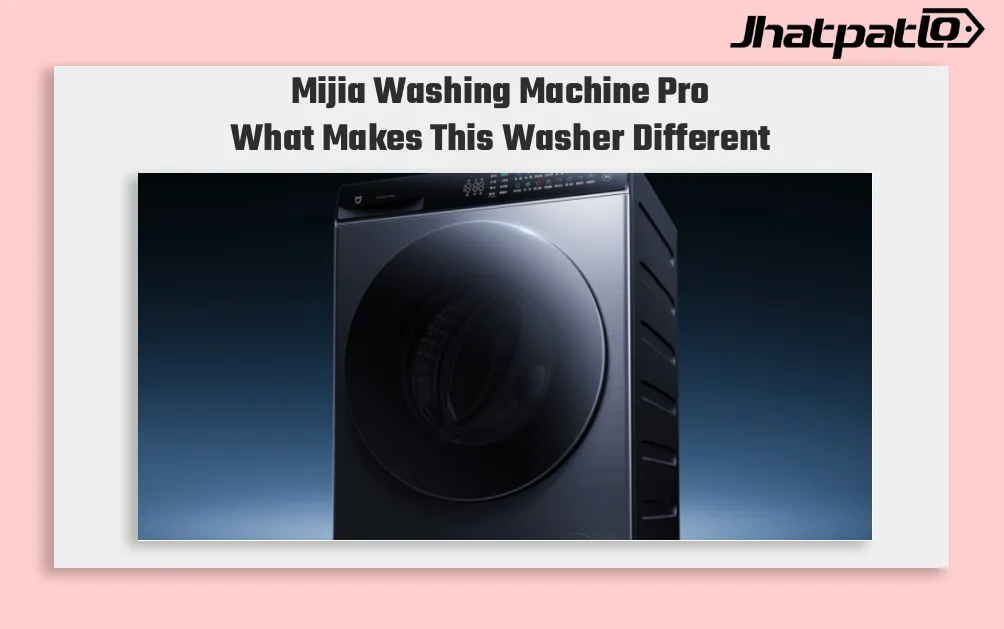
Mijia Washing Machine Pro brings Super Electrolysis tech to Xiaomi’s 10kg washer
Xiaomi has introduced a new 10kg washer in China under the Mijia name, and the main story is the cleaning system. The Mijia Washing Machine Pro combines Super Electrolysis tech, automatic detergent dosing, and AI-assisted wash control in a model priced below premium smart appliances. Here’...
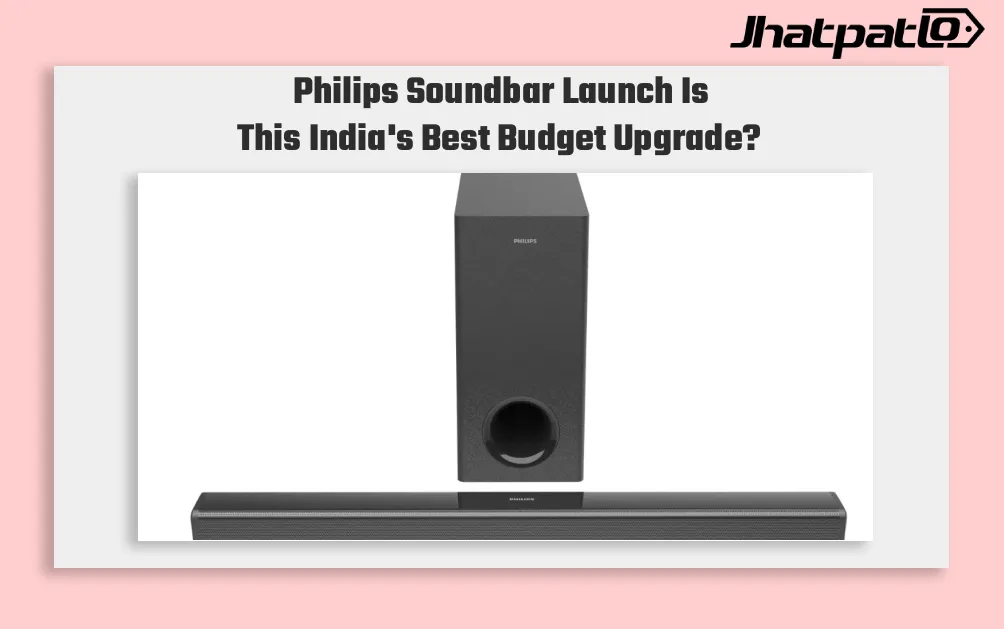
Philips Expands India Audio Push With Soundbars Starting at Rs 3,499
Philips Broadens Soundbar Range In India Philips Soundbar Launch in India, with prices starting at Rs 3,499 and going up to Rs 11,999 online. The lineup spans entry-level 2.1 systems and a 600W 5.1 setup, giving the company a wider push across affordable home audio categories. The compa...

Amazon Great Freedom Sale 2026 refrigerator deals slash prices on Haier LG Samsung
Amazon Great Freedom Sale 2026 is pushing large refrigerators into a sharper price band, with Samsung’s 653L side-by-side model listed at Rs. 67,990, down from Rs. 1,13,000. The sale also brings LG, Haier and Godrej models into view, along with bank discounts, Amazon Pay rewards and no-cos...
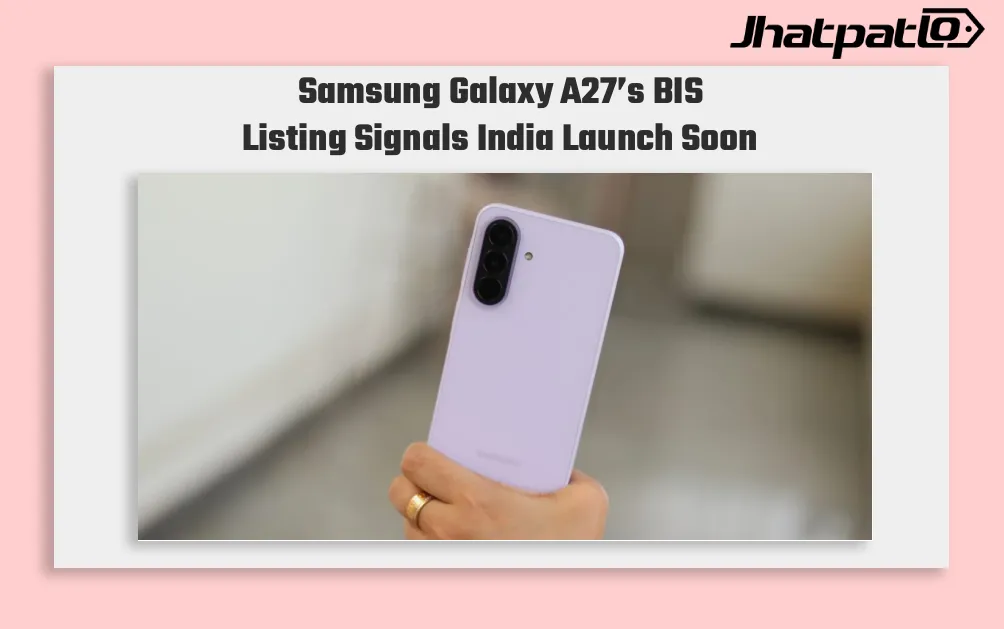
Samsung Galaxy A27 Clears BIS and Moves Closer to India Launch
Samsung Galaxy A27’s BIS Listing Signals India Launch Is Close Samsung Galaxy A27 has appeared on BIS with model number SM-A276B/DS, pointing to an India launch that is moving closer. The listing follows the phone’s recent appearance on Samsung Brazil’s website and adds to the signs that the...

India’s Laptop Buyers Spend More and Research Harder in 2026 Survey
India’s Laptop Buyers Are Moving Toward Premium, Long-Term Purchases India’s laptop buyers are spending more, comparing more devices, and taking longer to decide, according to a new survey from 91mobiles based on responses from more than 3,000 users. The findings point to a market that is moving...
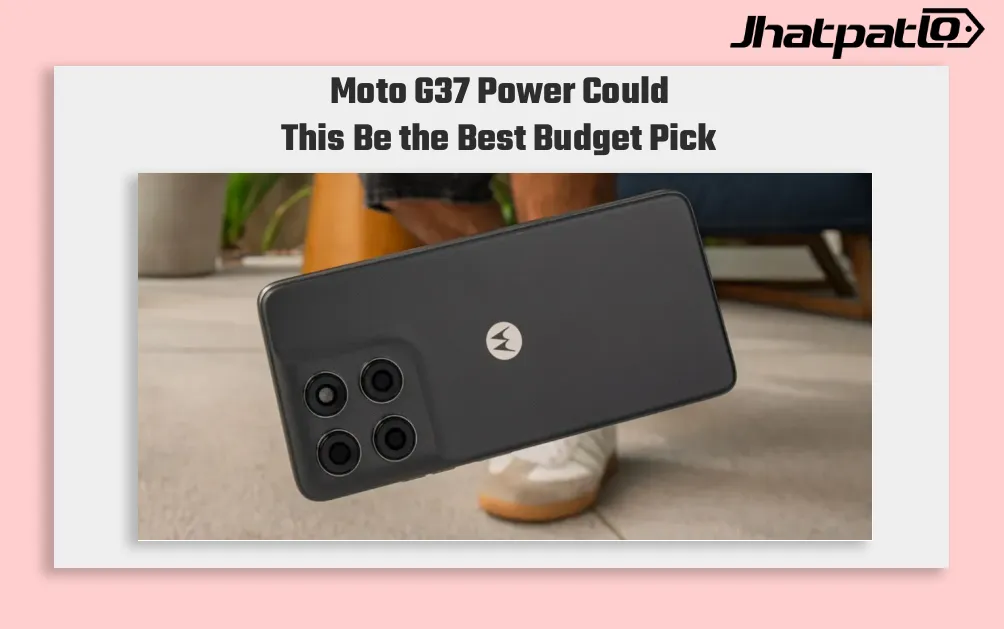
Moto G37 Power Launches in India With 7000mAh Battery and Dimensity 6400
Moto G37 Power arrives with battery first focus Moto G37 Power Launch in India, putting a 7,000mAh battery at the center of its latest budget phone push. The device starts at Rs 14,999 and will go on sale from May 25 through Flipkart. The phone runs on the MediaTek Dimensity 6400 chipset and sh...