


Galaxy Watch 9 review: battery life, Gemini, and whether the 44mm LTE model is worth Rs 44,999
Introduction
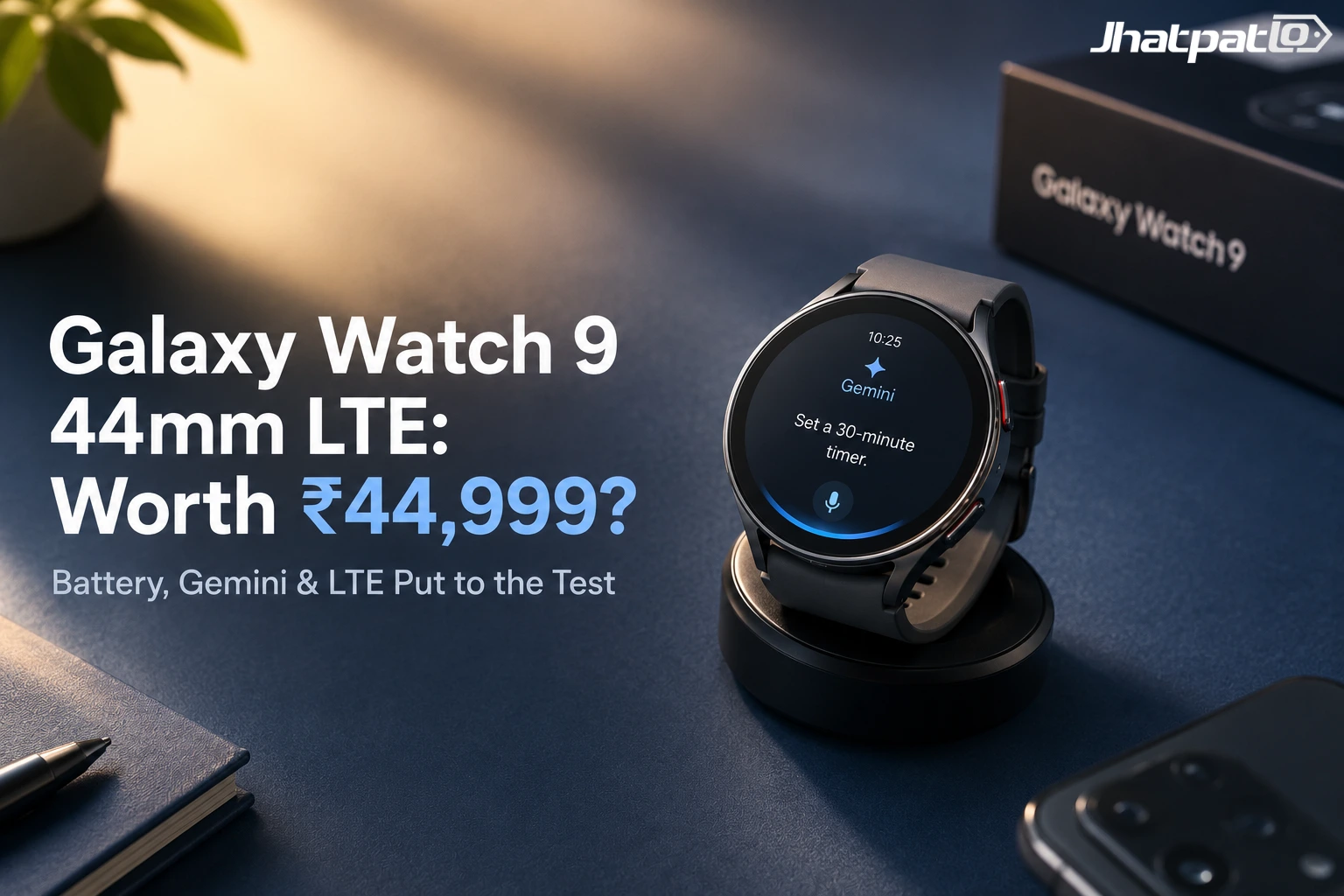
Samsung’s premium 44mm LTE smartwatch comes in looking familiar, and honestly, that’s not a bad thing. The Galaxy Watch 9 review starts with a bright display, Snapdragon Wear Elite performance, and Gemini support all trying to justify a price tag of Rs 44,999. But here’s the thing: when the battery is the obvious weak spot, you can’t help but ask a very practical question before anything else.
Is this actually the right everyday smartwatch, or is it just a polished one that asks a little too much from you? The answer isn’t simple, because Samsung has made a watch that feels comfortable, capable, and quietly premium. Still, the familiar shape and the battery trade-offs mean it has to do more than just look nice on your wrist.
Quick Highlights
- Comfortable design that stays easy to wear all day
- Bright screen and smooth performance feel premium
- Gemini adds useful voice features, but not perfection
- Battery life is the main compromise at this price
- Proprietary straps may bother some buyers
The interesting part is that the watch doesn’t try to wow you with a dramatic redesign. Instead, it leans into being a smart, familiar companion for daily life. If you’ve used a Samsung watch before, that might feel reassuring. If you haven’t, it means the Watch 9 is aiming for comfort first, flash second. And in a category full of tiny spec battles, that approach can actually make a lot of sense.
Why Samsung kept the Galaxy Watch 9 design almost unchanged
The watch leans hard into continuity: compact, comfortable, and easy to wear all day without feeling bulky. That may sound boring on paper, but in real life it matters more than people admit. A smartwatch is something you keep on for hours, sometimes even while sleeping, so if it’s heavy or awkward, you notice it fast. Samsung seems to understand that.
Armor Aluminum 2, sapphire glass, IP68, and 5ATM give it the kind of everyday durability that matters more here than a dramatic redesign. You’re not really buying this watch to stare at it from across the room. You’re buying it to survive the little accidents of daily life: desk bumps, rain, hand washing, gym sessions, and the occasional clumsy moment at home.
The real twist is the Dynamic Lug system, which makes strap changes quick but locks you into Samsung’s proprietary band setup. So yes, the watch is easy to live with in one sense, but not especially flexible if you love swapping third-party bands. That trade-off will matter a lot more to some people than to others.
What the materials and protection actually change in daily use
Armor Aluminum 2 keeps the case solid without adding unnecessary weight, while the sapphire glass adds real reassurance against scratches. This is one of those things you appreciate slowly. You may not notice it on day one, but after a few weeks of regular wear, knowing the display isn’t constantly exposed to little surface scuffs feels pretty good.
The IP68 and 5ATM rating means hand washing, workouts, and regular water exposure are not something you need to think about, though this is still not an extreme adventure watch. That distinction matters. It’s durable enough for daily messiness, but it’s not pretending to be a rugged tool for wild outdoor abuse. For most people, though, that’s completely fine.
The strap system helps and limits at the same time
The bundled silicone strap is soft and lightweight, and it works well for long wear, including sleep and workouts. You don’t get that annoying pinching feeling, and the watch stays secure without making your wrist feel trapped. That’s the kind of comfort that sounds minor until you wear a watch for a full day and realize how much it changes the experience.
But the Dynamic Lug strap system is proprietary, so standard watch straps are not an option. If you like custom bands, quirky colors, or buying cheap replacements from everywhere online, this may frustrate you. It’s not a deal-breaker for everyone, but it is the sort of limitation that quietly shapes how “your” watch can really feel.
Does the screen and Snapdragon Wear Elite performance feel premium enough?
The display and chip are where the watch tries to make the price feel justified, and mostly they do. This is the part of the Galaxy Watch 9 that reminds you Samsung is still very good at making hardware feel polished. The screen is bright, responsive, and genuinely easy to read outdoors, which is one of those everyday wins that sounds small until you’re squinting at your wrist in sunlight.
The 40mm and 44mm sizes use 1.34-inch and 1.47-inch displays, with Samsung claiming up to 3,000 nits of peak brightness. That’s a serious number, and while real-world brightness can always feel a bit less dramatic than the marketing line, the result is still a display that comes across as premium. It doesn’t feel like a compromised watch screen.
Samsung also says the Snapdragon Wear Elite brings a 32% CPU boost and 19% GPU boost over the previous generation, which lines up with the smooth everyday feel. Apps open cleanly, animations stay fluid, and the watch doesn’t feel like it’s constantly catching up with itself. That matters more than raw spec sheets sometimes do.
What the two sizes and display specs mean
| Model size | Display size | Brightness claim |
|---|---|---|
| 40mm | 1.34-inch | Up to 3,000 nits |
| 44mm | 1.47-inch | Up to 3,000 nits |
Those numbers don’t tell the whole story, but they do show Samsung’s priorities clearly. The larger model gives you a slightly more spacious experience, while both sizes aim to stay bright and readable in everyday conditions. If you’ve ever used a dim smartwatch display outdoors, you’ll know why this matters so much.
What the chip upgrade changes in practice
The processor uses a penta-core setup with one core at 2.1GHz and four efficiency cores at 1.95GHz. That setup sounds technical, but the simple version is this: the watch can handle bursts of activity quickly while still being sensible about power in lighter tasks. It’s the kind of architecture that helps the device feel responsive without acting like a tiny laptop on your wrist.
With 2GB RAM and 32GB internal storage, the watch handled apps, notifications, workouts, and some music without feeling cramped. That may not sound flashy, but it’s exactly the sort of thing that makes a smartwatch pleasant to use day after day. Nobody wants a watch that stutters when a notification comes in or freezes when you switch screens.
How Samsung Health, One UI Watch 9, and Gemini fit together
This is where the Watch 9 becomes more than hardware: health tracking, software polish, and voice control all overlap. A lot of smartwatches have one strong feature and then a bunch of extras that feel half-baked. Samsung is clearly trying to make these systems work together, and for the most part, it does feel like a connected experience rather than a random bundle of tools.
Samsung Health pulls together data from an accelerometer, barometer, gyroscope, geomagnetic sensor, temperature sensor, light sensor, and the BioActive Sensor. That may sound like a pile of jargon, but in plain language it means the watch can notice movement, orientation, pressure changes, light, and body-related signals all at once. The result is a more complete picture of what your day looks like.
That BioActive Sensor combines bioelectrical impedance analysis, ECG via an electrical heart sensor, and an optical heart-rate sensor, then surfaces Fitness Index, Heart Health, and Vitals using personal baselines. In other words, it’s not just collecting numbers for the sake of it. It’s trying to interpret them in context, which is a lot more useful if you’re the kind of person who wants guidance instead of raw data overload.
The health stack is broad, not just detailed
- Accelerometer
- Barometer
- Gyroscope
- Geomagnetic sensor
- Temperature sensor
- Light sensor
- BioActive Sensor with bioelectrical impedance analysis
- Electrical heart sensor for ECG
- Optical heart-rate sensor
That mix gives the Galaxy Watch 9 a broad health foundation. It’s not only about counting steps or checking your pulse. It’s about making the watch feel aware of your body and environment in a way that can actually inform habits. For beginners, that’s the easiest way to think about it: the watch is trying to connect the dots instead of just collecting them.
One UI Watch 9 feels cleaner than flashy
The interface is straightforward, the watch is well integrated with Samsung Health and Galaxy Wearable, and navigation stays simple rather than fussy. That’s a quiet strength. Some smartwatches seem determined to impress you with layers of menus and clever tricks, but Samsung takes a more practical route here. You can usually find what you need without feeling like you’re learning a new operating system from scratch.
Gemini adds another layer, especially with raise-to-talk on the wrist, although the feature was not reliable every single time. Still, when it works, it makes the watch feel more modern and more useful in casual situations. Asking a quick question or setting something in motion without reaching for your phone is genuinely convenient. It’s one of those features that sounds small until you start using it.
Where the battery life falls short of the rest of the watch
This is the main place where the Galaxy Watch 9 stops feeling like an easy recommendation. Battery life is the part that makes you pause and do the math in your head, especially if you’ve gotten used to devices that last longer than a couple of days. And with a premium watch, expectations naturally go up.
The 44mm model has a 440mAh battery, lasts a little over 2 days in regular use, and drops to less than 24 hours with the always-on display enabled. That’s not disastrous, but it is restrictive. If you like seeing the time at a glance without waking the display, the trade-off becomes obvious pretty quickly. You end up choosing between convenience and longevity, and neither option feels perfect.
Charging is quick enough to soften the blow: the included 10W wireless charging pad takes around 1.5 hours to go from empty to 100%. So while the battery itself isn’t amazing, at least you don’t spend forever tethered to the charger. That doesn’t fix the core issue, but it does make the experience less annoying than it could have been.
Battery numbers that matter more than the headline spec
| Use case | Result | Charging time |
|---|---|---|
| Regular use on 44mm model | A little over 2 days | 1.5 hours to full |
| Always-on display enabled | Less than 24 hours | 1.5 hours to full |
| Lighter routine with indoor workout | Potentially longer than 2 days | 1.5 hours to full |
This is the kind of battery situation that depends a lot on how you live. If you’re mostly around a charger and don’t mind a nightly routine, it’s manageable. If you want a watch that disappears into the background for several days at a time, this one will probably test your patience. That’s where the premium feel starts to clash with everyday practicality.
FAQ
These are the smaller doubts people usually have after they’ve already seen the price, the battery numbers, and the comparison with Samsung’s more expensive watch.
Q: Is the Galaxy Watch 9 better than the Galaxy Watch Ultra 2?
It is not trying to beat the Ultra 2 on status or positioning, but it does share the Snapdragon Wear Elite chip and handles everyday use well enough to narrow the gap. If your focus is comfort, practical features, and a less bulky feel, the Watch 9 makes a strong argument. If you want the most aggressive feature set and don’t mind the bigger stance, the Ultra 2 still has its own appeal.
Q: How good is the Galaxy Watch 9 battery life in real use?
The 44mm version lasted a little over 2 days in regular use, but the always-on display cut that to under 24 hours. That’s decent if you charge often, but not ideal if you were hoping for a watch that can coast through several days without attention.
Q: Does the Galaxy Watch 9 work with standard watch straps?
No. The Dynamic Lug system is proprietary, so you cannot use just any standard watch band. That means you’re limited to Samsung’s ecosystem of straps, which is fine for some buyers and frustrating for others.
Q: Is Gemini on the Galaxy Watch 9 reliable?
It is useful and feels like a smart addition, but raise-to-talk missed a few times in testing. So while it adds convenience and makes the watch feel more modern, it still doesn’t behave like a perfect voice assistant experience every single time.
Conclusion
For anyone looking for a comfortable Samsung smartwatch with bright display quality, smooth One UI Watch 9 features, and strong Samsung Health fitness tracking, the Galaxy Watch 9 makes a solid case. It feels polished in the ways that matter most during everyday use. The design is easy to wear, the screen is excellent, and the overall experience is calm rather than cluttered.
But if battery life and strap flexibility matter most, the 44mm LTE smartwatch price starts to feel harder to defend, even with the Snapdragon Wear Elite and Gemini on board. That’s really the heart of it. This is a good smartwatch, maybe even a very good one for the right person, but it asks you to accept some compromises that are hard to ignore at Rs 44,999.

Related Products




Samsung Galaxy Watch 9 leak shows Snapdragon Wear Elite and new features
Samsung’s latest Galaxy Watch 9 leak is giving a fairly clear picture of where the company may be heading next. The images point to a stronger performance focus, new health tools, and a more mainstream color lineup. Here’s what the leaked material suggests and why it may matter for Android...
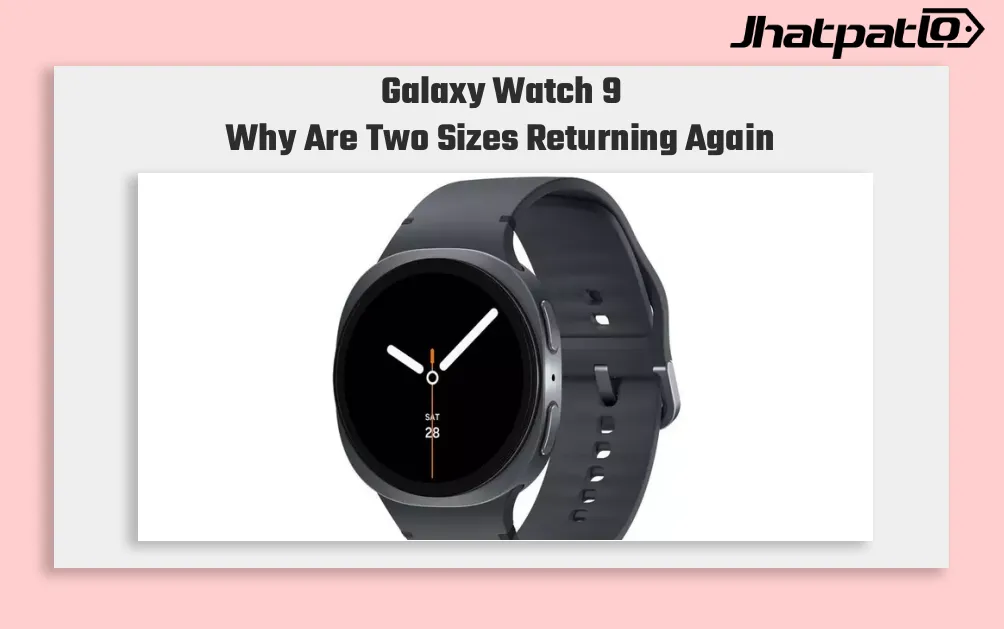
Samsung Galaxy Watch9 Renders Leak Shows 40mm and 44mm Sizes
Samsung Galaxy Watch9 renders have leaked alongside fresh CAD images, giving the clearest look yet at the 40mm and 44mm models. The new images point to different finishes, battery sizes, and LTE options, while separate Galaxy Watch Ultra 2 details suggest Samsung is also preparing a more r...

Samsung Galaxy Watch Ultra 2 pricing leak and Galaxy Watch9 specs in full
Samsung Galaxy Watch Ultra 2 pricing and Galaxy Watch9 specs have leaked ahead of launch, with a €749 LTE model, bigger batteries, and Wear OS 7 details now in view. The leak also points to 40mm and 44mm Galaxy Watch9 models, giving a clearer picture of Samsung’s next smartwatch lineup bef...

Galaxy Watch Ultra 2 and Galaxy Watch 9 go on sale in 106 markets
Samsung has started selling the Galaxy Watch Ultra 2 and Galaxy Watch 9 globally, with the Ultra now available in 106 markets. The new launch pairs a tougher premium model with a lower-priced standard watch, and both ship with Wear OS 7 and One UI Watch 9 out of the box. Galaxy Watch 9 pr...
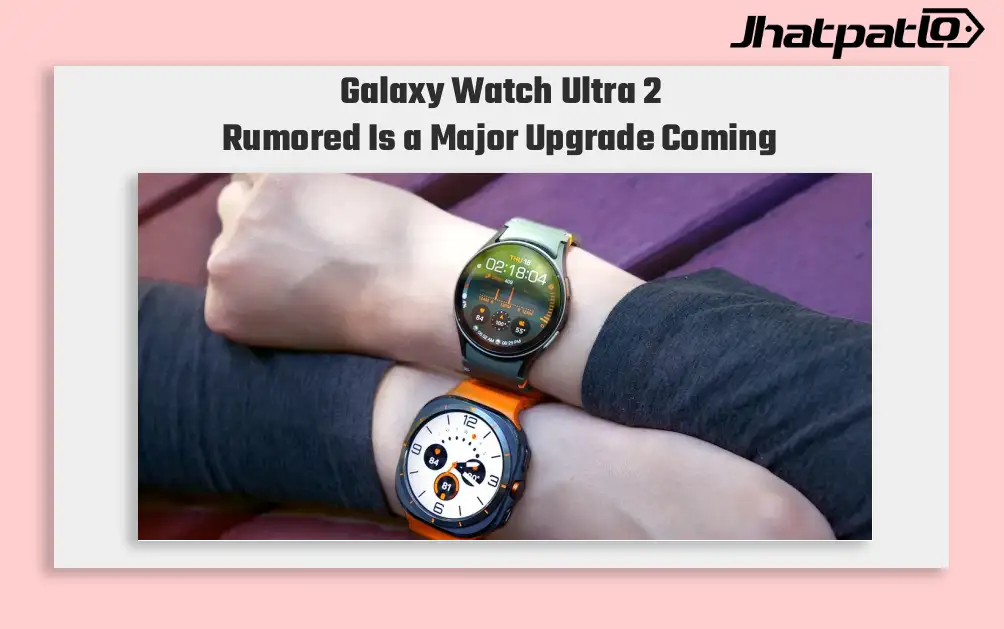
Samsung Galaxy Watch 9 and Watch Ultra 2 Near Launch After CMIIT
Samsung’s next Galaxy watches are looking increasingly close to launch. Fresh CMIIT approval in China adds another layer to earlier 3C and BIS listings, and the model numbers line up with reports that point to a likely July release window. For anyone tracking Samsung wearables, the filings sug...
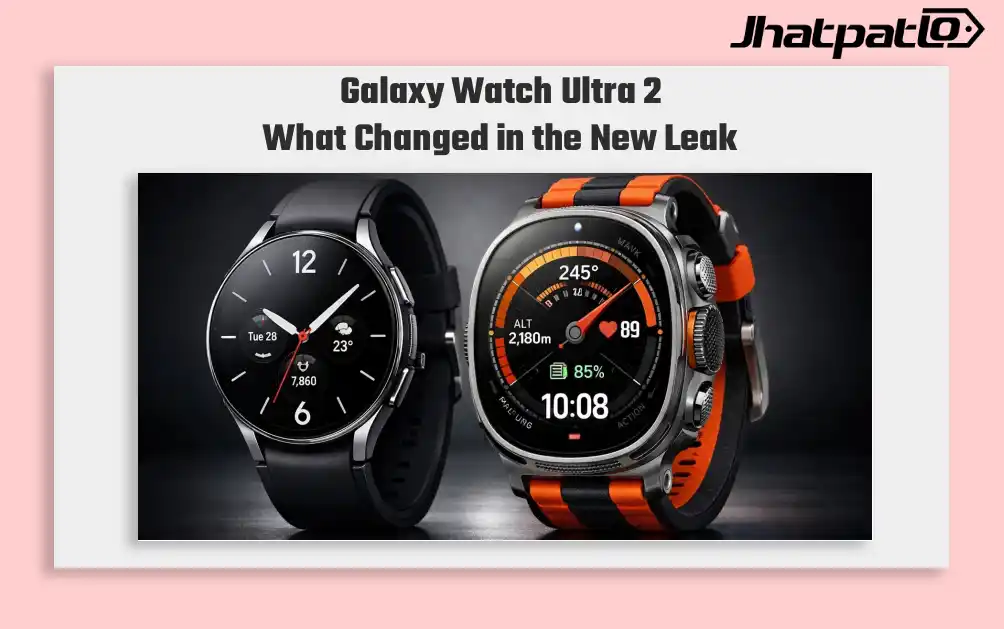
Samsung Galaxy Watch Ultra 2 Leak Shows Slimmer Bezels and Subtler Quick Button
Samsung Galaxy Watch Ultra 2 leak details suggest Samsung is refining the watch’s hardware rather than changing its overall shape. The latest renders point to slimmer bezels, a softer-looking Quick Button, and a possible 800mAh battery, while a separate Galaxy Watch 9 leak hints at a new d...