


Glyph Bar Teased Ahead of Nothing Phone 4a Launch on March 5
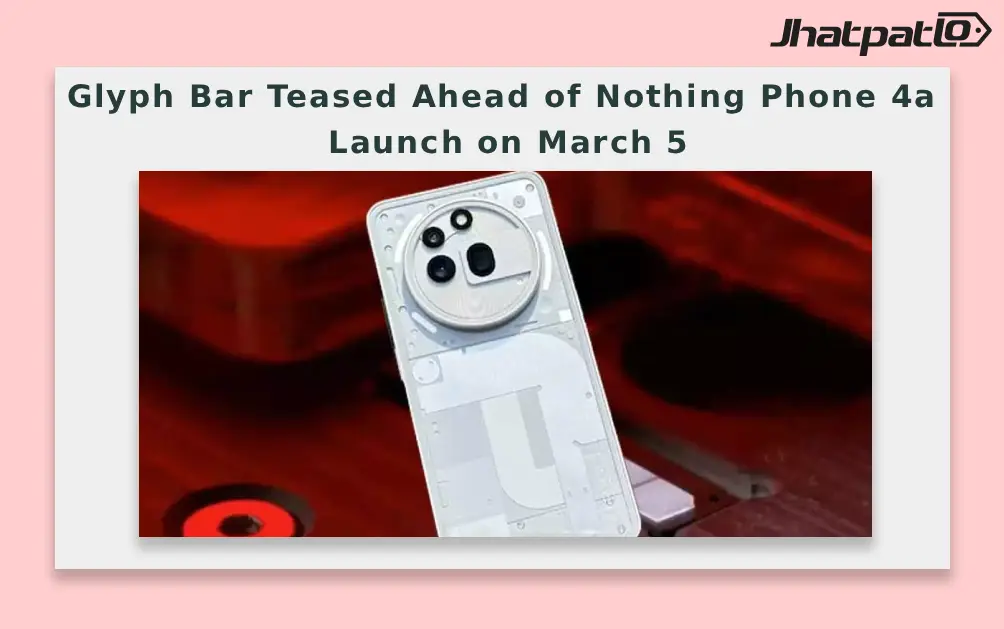
Glyph Bar design preview ahead of Phone 4a launch
Nothing has begun teasing the Glyph Bar for the Phone 4a, offering a glimpse into a slimmer light bar that replaces the Glyph Matrix seen on earlier models. The company says a slim bar made up of nine individually controllable mini LEDs, arranged inside six square light segments, will replace the Glyph Matrix from the Phone 3 line. Nothing states the lights are around 40 percent brighter than the previous a‑series models, supported by patented tech intended to deliver a natural, bleed‑free glow.
Placement on the back remains unclear. Earlier a‑series models wrapped LEDs around the circular camera island, while the Phone 3 pushed them into the top‑right corner. Nothing’s teasers point to a design shift but do not confirm the exact positioning when the Phone 4a debuts.
Launch timing remains a key detail. Nothing has confirmed the Phone 4a will be launched globally on March 5, with the company framing it as its most important unveil of the year, given that it has indicated it will not launch a flagship handset this year.
Specs, pricing and market positioning
Rumored specifications for the Phone 4a include Qualcomm s Snapdragon 7s Gen 4 and displays in two sizes. The base model is expected to feature a 6.7 inch 1.5K AMOLED panel, while the 4a Pro is said to bring a slightly larger 6.8 inch 144 Hz 1.5K AMOLED panel. A triple rear camera setup is also anticipated. A price bump of around USD 50 to 100 over the outgoing a series is suggested once local taxes and launch offers are included, according to leaks.
- Display: 6.7 inch 1.5K AMOLED (base) and 6.8 inch 144 Hz 1.5K AMOLED (Pro)
- Chipset: Snapdragon 7s Gen 4
- Rear camera: triple setup
- Glyph Bar: nine LEDs, six light segments, 40 percent brighter, natural glow
- Launch: globally on March 5
- Pricing: USD 50 to 100 above the outgoing a-series
In market context, Nothing aims to offer a visual edge with the Glyph Bar at a time when rivals rely on finish and battery life to differentiate mid‑range devices. The company has faced mixed early reactions to previous Glyph designs, with some users enjoying glanceable notifications and others tiring of the feature. A more compact, controlled bar could help maintain the visual identity without overwhelming users or draining battery life, according to observers familiar with the matter.
Industry observers note that the Glyph Bar concept could influence buyer decisions between design‑first devices and more conventional options. If the Phone 4a manages to preserve style while delivering solid core specs at a competitive price, it might remain a strong option for style‑conscious buyers who still care about performance. The question for consumers will be whether the extra personality justifies any price difference when rivals push bigger batteries, faster charging, or tuned cameras in the same bracket.
Next steps include official confirmations on exact glyph bar placement, full specifications, and final pricing as the March 5 launch window approaches.
Related Products


Nothing Phone 4a Design Teased With Glyph Bar and Triple Rear Camera
Nothing Phone 4a Design Teased With Glyph Bar and Triple Rear Camera Nothing has teased the design of the upcoming Nothing Phone 4a, confirming a transparent rear design while outlining a triple rear camera setup. The official reveal, posted by the London-based maker on X, shows a horizontal...
Nothing Phone 4a Debuts in India With Glyph Bar Interface and 4a Pro Debuts
Nothing Phone 4a and Nothing Phone 4a Pro were launched in India and other global markets on Thursday at an event in London. The devices are set to go on sale in India via Flipkart, with the 4a scheduled to start on March 13 and the 4a Pro on March 27. The phones will be offered in multipl...
Nothing Phone 4a Pink Colour Variant Revealed Ahead of March 5 Launch
Nothing has revealed the Pink colour variant of the upcoming Phone 4a ahead of its official launch, expanding the lineup beyond the previously teased White option. The company confirms the continuation of its transparent rear panel and signature Glyph Bar lighting interface, and says the P...

Nothing Phone 4b design revealed with Glyph Bar and blue finish
Nothing Phone 4b has made its first official appearance, and the design gives a clearer hint at where the company is heading with its next mid-range phone. The blue finish, compact Glyph Bar and dual rear cameras make the handset look more refined than a budget model, while still keeping t...
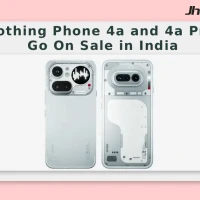
Nothing Phone 4a and 4a Pro Go On Sale in India
Availability and Offers The Nothing Phone 4a and Nothing Phone 4a Pro are now available to purchase in India, a few days after they were launched in the country. The mid-range duo expands Nothing's lineup with upgraded displays, chipsets, and new Glyph lighting interfaces. Retaile...
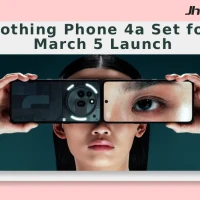
Nothing Phone 4a Set for March 5 Launch
Event Details Nothing CEO Carl Pei has confirmed a global launch event scheduled for March 5, coming just one day after Apple’s March 4 showcase. The announcement itself played with Apple’s invite on X (formerly Twitter), signaling when the company will reveal its next products. The brand...