


Nothing Phone 4a Pro Review A Bold Leap Toward Premium Feel Without Losing Its Quirky Charm
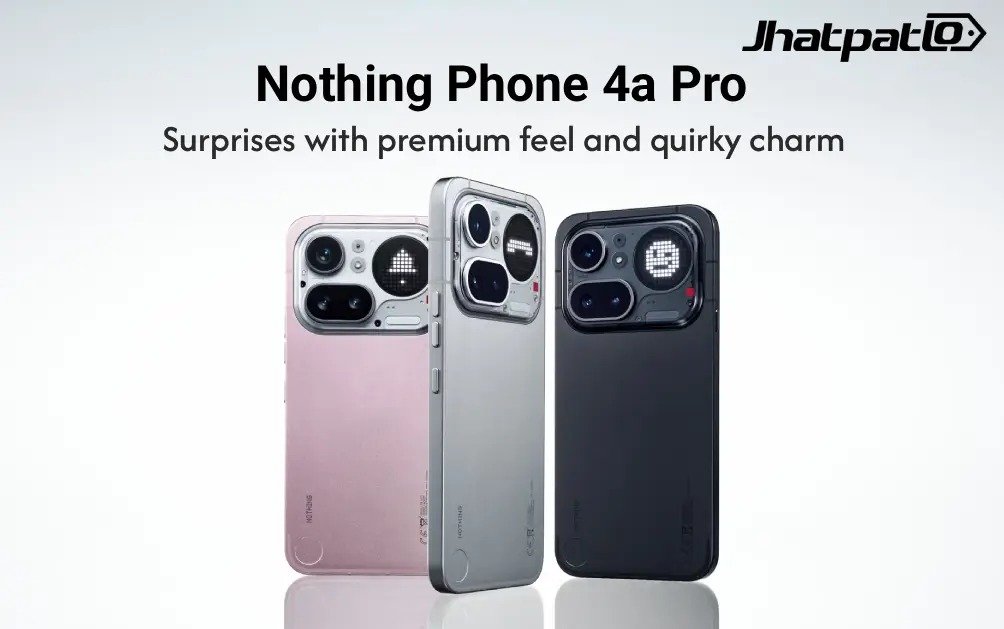
In a year crowded with memory shortages and price bumps, Nothing made a curious move. It skipped a flagship blowout and leaned into a premium mid-range space with the Phone 4a Pro. The story here isn’t just about specs on a page; it’s about whether a brand known for its distinctive design can justify a higher price tag while still feeling relatable to everyday buyers who just want a phone that works well and looks cool doing it. So yes, we’re talking about a device that tries to balance premium vibes with practical value, and that tension is exactly what makes this review interesting.
What you’ll notice as you read on is not a dry bullet-list of features but a sense of how Nothing’s design language, software quirks, and camera ambitions stack up in real life. The Phone 4a Pro isn’t a shiny new flagship; it’s a calculated step up, with the company aiming to keep its persona intact while offering enough refinement to justify the premium tag. Let’s dive into whether that gamble pays off in day-to-day use.
- Premium feel thanks to a modern metal unibody
- Camera leap with 50MP main and 50MP telephoto
- Display and Glyph UI improved yet not flawless
- Battery stamina solid with strong wired charging support
Design that speaks premium while staying true to Nothing’s DNA
The Nothing Phone 4a Pro marks a clear departure from the chunky, plastic-framed look of the Phone 3a Pro. It now sports a metal unibody crafted from aircraft-grade aluminum, which instantly signals premium intent. It’s a subtle shift, but you’ll notice it the moment you pick it up. The phone feels lighter in the hand despite a similar overall weight, thanks to a slimmer profile that’s easier to cradle in everyday use. The camera module has shed the peculiar cookie-cutter vibe in favor of a larger, domed bubble that actually contributes to a more mature stance in the premium segment. It’s a design move that looks great in Black, and it communicates a quiet confidence rather than trying to shout with flashy materials.
Nothing isn’t shy about admitting design comes with a few trade-offs. The radii of the camera dome don’t perfectly align with the outer frame, and the power/volume button placement has shifted sides, which takes a moment to get used to. The edges around the ports and the rounded corners near the display glass can feel a touch sharp in the first hours of use, though these are minor hardware quirks rather than deal-breakers. In the box you get a case, which helps protect the camera dome and keeps the overall look intact. All in all, this feels like a deliberate move toward a more cohesive premium language that still carries Nothing’s distinctive personality.
Now, what about the everyday experience? The 4a Pro’s design is elegant, but it’s the execution that matters. The build feels sturdy, and the device sits comfortably in the hand for long sessions, gaming, or scrolling through content. The metal frame, refined edges, and the glass back work together to deliver a feel that’s far removed from bargain-basement rigidity. If you’ve wanted a phone that communicates seriousness without losing a thread of the brand’s quirky charm, this is the point where Nothing starts to win you over with physical presence as much as with software quirks.
Display: bigger, brighter, and more refined but not perfect
- Display size - 6.83-inch
- Resolution - 1,260 x 2,800 (1.5K)
- Panel - Flexible AMOLED LTPS
- Refresh rate - 60–90–120–144Hz (adaptive)
- Protection - Gorilla Glass 7i
Nothing isn’t backing this up with a brighter, more detailed panel. The 6.83-inch display is larger and denser, which translates to crisper text and more immersive visuals. The panel supports a broad refresh-rate range, which helps with both gaming responsiveness and everyday scrolling. In practice, 120Hz feels silky, and the phone handles content creation and quick UI motions with ease. The 1,600 nits peak brightness and 5,000 nits peak in HDR mode matter when you’re outside on a sunny day or trying to frame a video in bright light. The catch is HDR content on popular streaming apps isn’t always fully realized. Netflix and YouTube offer HDR options, but the content didn’t appear as bright or contrasted as the spec sheet promises. It’s not a catastrophe, but it’s a reminder that not all apps play perfectly with the same high-brightness claims.
What you’ll also notice is the glass’s fingerprint behavior. Gorilla Glass 7i helps, but the face of the phone still attracts smudges during heavy use. Nothing’s solution is to rely on a case, which is included, and that decision makes sense when you’re carrying the device around all day long. If you care about display accuracy for photo editing or color-critical work, you’ll be pleased with the general punch of the panel, even if you forgive the occasional HDR caveat in streaming apps.
One little footnote for the nerdy folks: Nothing mentions HDR10 certification for the display. In practice, HDR content plays with strong contrast, but the streaming apps occasionally don’t push the full brightness and color range you’d expect. This is one of those subtle nitpicks that only shows up when you compare against the very best flagships, but it’s worth noting if you’re chasing perfect HDR performance on a mid-premium device.
Software: a confident leap forward with a few quirks
- Android version - 16
- Software - Nothing OS 4.1
- Update commitment - 3 years OS + 6 years SMRs
Nothing OS 4.1 remains unmistakably Nothing—its Glyph Matrix and Glyph Bar are still the standout features that make the software feel inclusive rather than bland stock Android. The new Live Updates feature in Android 16 broadens what the Glyph Matrix can display, which is a neat improvement for staying in the loop without pulling out the phone. Widgets get a boost here too, with a Relaxation Hub and more Essential Apps that “feel” obviously curated but not forced upon you. The problem is that with great personality comes a willingness to experiment that can feel a little unpolished at times. Preinstalled apps like Facebook and Instagram are removable, which is nice, but the overall software vibe still entertains some of the same accessibility quirks that have annoyed some users in the past: a handful of features feel a bit toy-like and extra; the overall experience remains pleasant, not perfectly streamlined.
What stood out during my time is how the Glyph Matrix and the systematic approach to tiny UI dynamics can actually improve real situations. For example, the live text scrolling while you’re on a call or using a navigation app becomes more practical than it looks on first glance. The on-device AI Eraser tool is a fun party trick that can remove pedestrians or reflections from a street photo. It’s not flawless and can leave blur or artifacts, but it’s a clever, useful kind of feature—one that signals Nothing’s willingness to push small, practical AI tools into everyday photography tasks. In short, Nothing OS 4.1 feels confident, a little quirky, and surprisingly capable in making the phone feel both personal and useful in daily workflows.
On the security and privacy front, the preinstalled apps and widgets aren’t a dramatic concern, but with any on-device AI features or widgets there’s always a balance to strike. I’d like to see Nothing dial up the transparency about exactly what those widgets access and how the Live Updates and the Glyph experience are integrated into the broader Android ecosystem. It’s a minor domain but worth monitoring as updates roll out over the next few years.
Performance and everyday use: steady but not fireworks
- Processor - Qualcomm Snapdragon 7 Gen 4, 2.8GHz, 4nm
- RAM - 8/12GB LPDDR5X
- Storage - 128/256GB UFS 3.1
With a premium mid-range price tag, the phone’s performance leans more toward “day-to-day excellence” than “blazing flagship.” The Snapdragon 7 Gen 4 chip is capable, and in practice it handles everyday apps, social media, and streaming with ease. It’s not a high-end gaming monster, but it’s more than adequate for most people. If you’re into mobile gaming, you’ll notice decent performance in titles like Call of Duty Mobile at High settings, delivering steady frame rates thanks to the high touch sampling rate of the display. In heavier games like Genshin Impact, you’ll likely want Medium graphics for a smoother experience; the device can heat up when the workload becomes intense, but it doesn’t crash, which speaks to solid thermal management for a mid-range system. The other thing you’ll notice is the balance: Nothing keeps hardware conservative, avoiding the most expensive silicon in favor of reliability and price-to-performance consistency. If you’re comparing to devices like OnePlus 15R or iQOO 15R at higher price points with top-tier chips, you’ll see a gap in raw numbers. But the 4a Pro sits in a space where the trajectory matters more than peak laboratory scores, and in that sense it earns its keep.
In terms of audio, the speakers are decent and loud, with most of the power coming from the bottom-firing unit. It’s not a speakerphone or cinematic audio experience, but for watching videos or listening to podcasts on the go, it’s perfectly serviceable. If you’re particular about stereo balance for media consumption, you might find a slight tilt toward the bottom speaker, but it doesn’t ruin the overall experience.
Camera system: a meaningful leap forward for Nothing
- Primary camera - 50 MP, f/1.9, PDAF, OIS
- Telephoto - 50 MP, f/2.9, periscope, 3.5x, PDAF, OIS
- Ultrawide - 8 MP, f/2.2, 120°
- Selfie - 32 MP, f/2.2
The camera setup remains pleasantly familiar to Nothing users, but the 4a Pro adds a notable optical upgrade: an 80mm equivalent 3.5x optical zoom periscope telephoto. Pair that with a TrueLens Engine 4 imaging pipeline and you have a camera system that genuinely upgrades imaging capabilities without needing to shoot through a dozen new software tricks. In daylight, the main sensor produces solid detail, good color reproduction, and pleasant dynamic range. The telephoto lens fills the gap for distant subjects with a level of detail that wasn’t as strong on the 3a Pro, and the improvement in color consistency across lenses is noticeable. The ultrawide remains useful for landscapes or tight spaces, though it’s not the hero lens of this trio. The front camera handles selfies well, delivering clean detail that’s competitive for social media posts and video calls alike—though low-light performance vis-a-vis other flagships isn’t top-of-class, it’s still very usable.
Video performance remains versatile with 4K 30fps as the ceiling, and you can shoot with the telephoto lens for added flexibility. In daylight, footage looks natural with good detail; in bright backdrops, you’ll notice some highlight clipping. In low light, footage is serviceable rather than stellar, with noise creeping in and stabilization showing room for improvement. The imaging engine has matured enough that you’ll find color consistency across shots and a level of processing that feels less aggressive than older Nothing devices. It’s not just a hardware upgrade; it’s a software-driven improvement that translates into more predictable results across lighting scenarios. If you’ve followed Nothing’s camera journey, this represents a meaningful step forward rather than a radical departure.
In short, the 4a Pro earns a respectable place in the camera space for shutterbugs who want a pragmatic mix of versatility and quality. It doesn’t dethrone the best flagship cameras, but it certainly punches above its weight for the price, with a better-imagined workflow from TrueLens Engine 4 and a more capable telephoto option than its predecessor.
Battery life and charging: staying power with real-world depth
- Battery capacity - 5,400mAh (India) / 5,080mAh (International)
- Wired charging - 50W
- Charger in the box - No
The standout here is endurance. In PCMark Battery Life testing, the Indian variant with a 5,400mAh cell delivered an impressive 21 hours and 3 minutes. That’s a solid improvement over the 3a Pro’s 18 hours and 10 minutes under similar tests, underscoring the value of a slightly larger battery in combination with software efficiency. In real-world usage—moderate to casual use—the international variant easily stretches into a full day and beyond on a single charge, with a typical power user still comfortable at day’s end. If you’re worried about staying powered through long days, the numbers here are reassuring.
Charging performance is where you might pause and plan. With a 100W PD charger, the Nothing 60 percent in 30 minutes claim looks plausible in practice, giving you a quick top-up when you’re in a rush. In our testing with third-party gear, we managed around 51 percent in 30 minutes and about 93 percent in an hour. The absence of the official charger in the box is notable, but it’s not unusual these days. If you want the fastest top-up possible, you’ll need to pick a compatible charger, though the overall story is that the 4a Pro’s battery life is robust and the charging speeds are respectable for a mid-range premium device.
Benchmarks and what they really mean for you
| Benchmark | Nothing Phone 4a Pro | OnePlus 15R | Realme 16 Pro+ |
|---|---|---|---|
| Display resolution | 1.5K | 1.5K | 1.5K |
| Chipset | Snapdragon 7 Gen 4 | Snapdragon 8 Gen 5 (3nm) | Snapdragon 7 Gen 4 |
| AnTuTu v10 | 14,51,695 | 29,85,657 | 13,99,710 |
| PCMark Work 3.0 | 13,390 | 13,782 | 15,226 |
| Geekbench 6 Single | 1,382 | 2,813 | 1,352 |
| Geekbench 6 Multi | 4,389 | 9,375 | 3,976 |
| 3DM Wild Life | 7,651 | Maxed Out | 7,728 |
| 3DM Wild Life Unlimited | 7,731 | 21,253 | 7,778 |
| 3DM Steel Nomad Light | 779 | 2,032 | FTR |
Short verdict on benchmarks: the 4a Pro trades a flagship-level chipset for a balanced, efficient setup that’s clearly tuned for reliable everyday performance. If you push the phone into extreme load with the most demanding games or heavy multitasking, you’ll notice where the performance gap to top-tier flagships exists. But for most users, the combo of a capable camera system, capable display, efficient software, and strong battery makes the Nothing Phone 4a Pro feel like a thoughtfully built device that truly respects the price tag it carries.
The verdict and who this phone is really for
Yes, the Nothing Phone 4a Pro is a compelling choice in a market where premium features often come with a premium premium. It delivers a tangible upgrade over its predecessor in terms of design language, camera capability, and usability, while still staying true to Nothing’s quirky, human approach to smartphones. If you’re someone who loves a phone that looks different and feels premium in the hand, but you also want practical performance for daily tasks, this device hits a sweet spot. Its battery endurance is reassuring, its charging speeds are solid when you use a fast charger, and its software—while not flawlessly lean—offers engaging features that feel useful rather than gimmicky.
On the flip side, if ultimate gaming performance or bleeding-edge camera supremacy is your primary criterion, you’ll likely lean toward models that push harder on silicon and raw camera capabilities. The Nothing 4a Pro sits at a sturdy middle ground, with a premium design language and a camera system that has matured into something more credible than earlier Nothing devices. The decision then becomes about how much you value the brand’s unique software experience, the refined metal build, and the telephoto versatility, versus chasing the very top numbers from competitors.
Alternatives like Realme 16 Pro+ and iQOO 15R offer intriguing value and different strengths, but the Nothing Phone 4a Pro’s blend of design, software personality, and improved imaging makes it a strong pick for everyday users who want something a little less ordinary without breaking the bank on a flagship. If you’re a shutterbug who enjoys editing on-device, you’ll appreciate the improved imaging engine and the new telephoto optics; if you’re a casual user who wants a phone that feels premium and delivers solid battery life with meaningful software features, this device won’t let you down. The balance is the point, and in that sense, Nothing has landed a notable leap forward with the Phone 4a Pro.
So, what’s the bottom line you’ll walk away with? You’re getting a premium feel in a more accessible package, a camera system that finally feels truly usable across scenarios, and software that wears its quirks with pride—but not at the expense of everyday reliability. The leap isn’t just about new hardware; it’s about a more confident Nothing delivering a smartphone that feels special without sacrificing practicality. If that sounds like your vibe, the Nothing Phone 4a Pro is worth a serious look—and perhaps even a test drive to see if the Glyph Matrix and that industrial hardware language grow on you the moment you pick it up. Would you pick a phone with a distinctive design and a bold software personality over a more understated flagship if it offered this level of daily usefulness? That choice is exactly where this device earns your curiosity and maybe your next upgrade decision.
Related Products


Nothing Phone 4a and 4a Pro Compare Key Specs Prices and Colors
Pricing, storage and colour options Nothing is launching the Phone 4a and Phone 4a Pro with notable hardware upgrades and a refreshed design, with sales slated to begin on March 13. The company indicated a price rise compared with the previous generation, attributing part of the increase...
Nothing Phone 4a and 4a Pro Go On Sale in India
Availability and Offers The Nothing Phone 4a and Nothing Phone 4a Pro are now available to purchase in India, a few days after they were launched in the country. The mid-range duo expands Nothing's lineup with upgraded displays, chipsets, and new Glyph lighting interfaces. Retaile...
Nothing Phone 4a Debuts in India With Glyph Bar Interface and 4a Pro Debuts
Nothing Phone 4a and Nothing Phone 4a Pro were launched in India and other global markets on Thursday at an event in London. The devices are set to go on sale in India via Flipkart, with the 4a scheduled to start on March 13 and the 4a Pro on March 27. The phones will be offered in multipl...
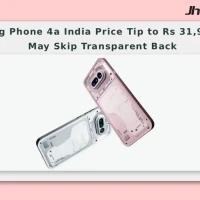
Nothing Phone 4a India Price Tip to Rs 31,999 Pro May Skip Transparent Back
Price and launch timeline The Nothing Phone 4a and the Phone (4a) Pro are tipped for a global reveal on March 5, with India market timing closely aligned to that window. In India, a well-circulated tip suggests the base model of the Phone (4a) could start at about Rs 31,999 for th...
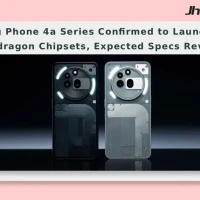
Nothing Phone 4a Series Confirmed to Launch With Snapdragon Chipsets, Expected Specs Revealed
Launch timeline and chipset confirmation The Nothing Phone 4a series is confirmed to launch in India in the first week of March, with two models planned: Phone 4a Pro and Phone 4a. Nothing, the London‑based smartphone maker, recently announced the launch window and has said the devices wi...

Nothing Phone 4a Set for March 5 Launch
Event Details Nothing CEO Carl Pei has confirmed a global launch event scheduled for March 5, coming just one day after Apple’s March 4 showcase. The announcement itself played with Apple’s invite on X (formerly Twitter), signaling when the company will reveal its next products. The brand...