


iPhone 17 Pro Max After 6 Months: The Truth Apple Fans Already Know
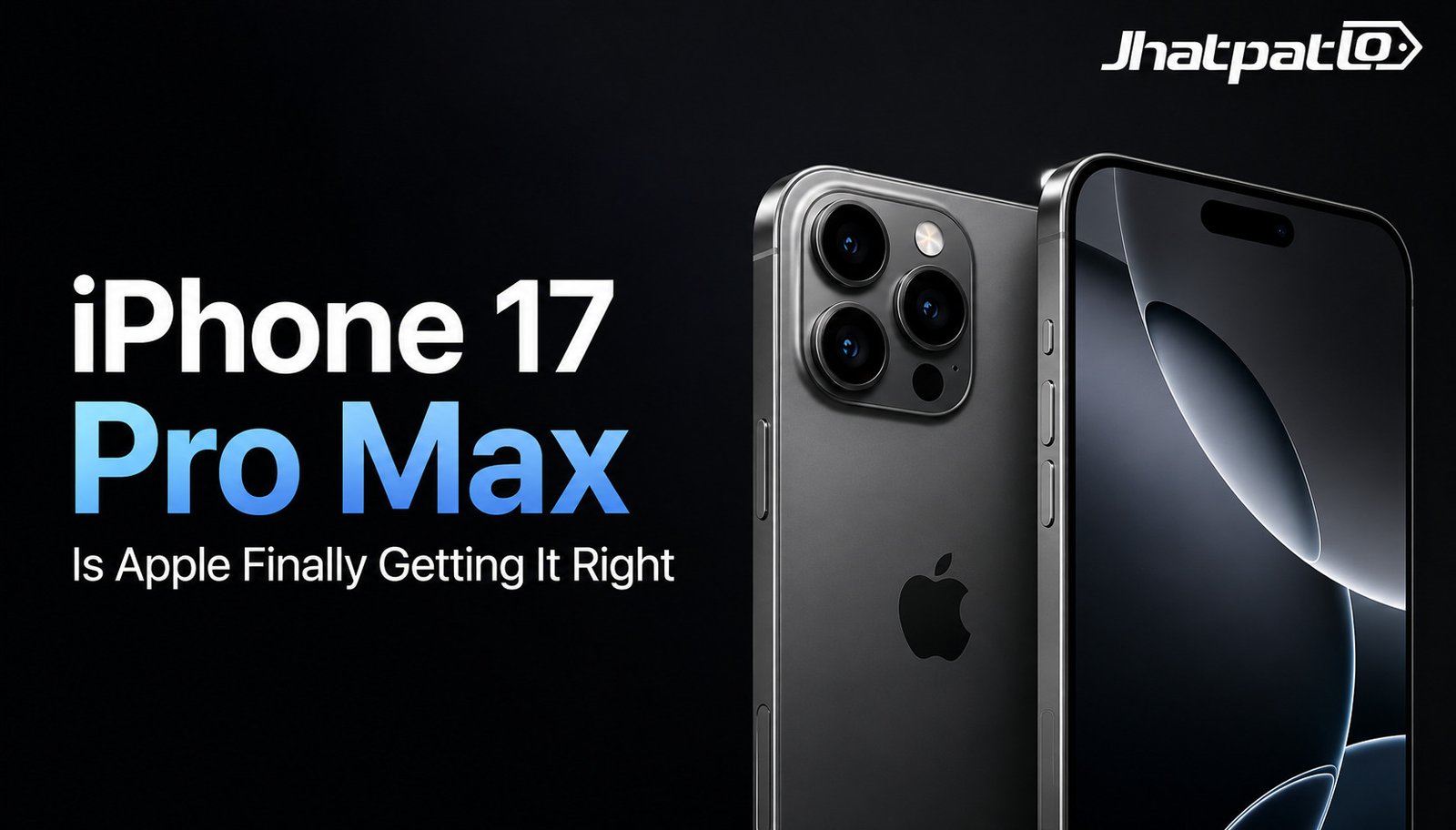
Six months in, the iPhone 17 Pro Max review is less about surprise and more about confirmation. And honestly, that’s the whole point. Apple’s latest flagship doesn’t try to win you over with flashy tricks every five minutes. It quietly becomes the phone you stop noticing, which sounds boring until you realize that’s exactly what a lot of premium buyers want now.
I’ve used it every day across camera work, battery testing, gaming, HDR media, 4K recording, productivity, and the usual chaotic mix of messages, calls, and app hopping. I’ve also compared it directly with the older iPhone 12 Pro Max, and the difference isn’t just speed. It’s the overall sense of ease. That invisible comfort is what keeps pulling people back into Apple, even when Android phones look better on paper.
Quick highlights
- Battery health is still at 100% after 118 cycles.
- Low light camera consistency is the real story.
- Apple ecosystem benefits show up most when you leave it.
- Vapor chamber cooling helps the phone stay calm under load.
- This is a comfort-first flagship, not a spec-sheet showoff.
Why do people still buy the iPhone 17 Pro Max despite better Android specs?
Because buying a flagship smartphone is not always a technical decision. It’s often a trust decision. Sure, Android rivals like the Samsung Galaxy S26 Ultra, vivo X300 Ultra, and Xiaomi 17 Ultra may post stronger numbers in some benchmarks, including AnTuTu. They may charge faster, push harder AI features, or experiment more aggressively with camera tricks. But the Apple flagship still wins in a different way: it feels dependable.
That matters more than people admit. In 2026, a lot of premium phone buyers are tired of gimmicks. They’ve seen the same cycle again and again: huge launch hype, a few headline features, then real-world usage that feels a bit less magical than the promo video. The iPhone 17 Pro Max doesn’t chase excitement in the same way. It leans into predictability, and for many users, that’s a premium experience all by itself.
There’s also the simple fact that a lot of people don’t want to think about their phone all the time. They want it to work. Battery, apps, camera, calls, sharing, syncing, photos, backups. The less you have to manage those things, the better the device feels. That’s the luxury of consistency, and Apple has built its reputation around it for years.
After six months of daily use, the phone hasn’t developed the kind of quirks that quietly annoy you over time. No random slowdowns. No strange overheating. No visible wear beyond normal use. The buttons still feel solid, and the body has held up without scratches or dents. That sounds basic, but in the long-term iPhone review world, basic reliability is a big deal.
If you compare that to the older iPhone 12 Pro Max, the jump is obvious in smoothness, display quality, thermal behavior, and camera confidence. The old phone was still good. This one just feels more effortless.
Is the iPhone 17 Pro Max too big for everyday use?
Yes, sometimes. And if you’ve ever used a Pro Max model, you probably already know the feeling. It’s great on a desk, in bed, on a couch, or when you’re watching HDR media and want that big, immersive screen. But in one hand, especially while walking or doing something else, it can be a bit much. The “iPhone pinky” is real. So is the awkward reach to the far corner when you’re typing quickly.
That said, the Pro Max size is not just a downside. It’s part of the trade-off. The bigger screen makes a real difference for reading, gaming, editing clips, and watching videos. If your phone is where you do a lot of your entertainment, this size starts feeling justified fast.
What I think gets missed in most reviews is bag fit and pocket behavior. Not every big phone feels equally annoying to carry. Some devices feel bulky in a way that reminds you they’re there all day. The iPhone 17 Pro Max is large, no question, but it doesn’t feel clumsy in the same way some thicker Android Ultras do. It still feels like a polished slab of tech rather than a mini tablet pretending to be a phone.
There’s also a broader trend here. Premium buyers are not universally chasing smaller phones, but compact flagships are getting more attention in 2026 because people are noticing how exhausting giant devices can be. Still, if you want the full-screen experience and don’t mind adapting your hand position now and then, this size becomes easy to live with.
How good is the iPhone 17 Pro Max camera after 6 months?
This is where the phone starts earning its reputation. The iPhone 17 Pro Max camera review isn’t really about one dramatic shot or a single standout mode. It’s about behavior. How often does the camera produce a good photo without you thinking about it? How reliable is the exposure? Do skin tones drift? Does low light become messy? Does video still look stable when you’re moving?
In daily use, the answer is reassuring. The main camera is consistent. Colors stay believable. Exposure doesn’t bounce around too much. And in low light, the phone avoids the over-processed, crunchy look some competitors still fall into when the scene gets difficult. It doesn’t always create the most dramatic result, but it usually creates the most usable one.
That’s especially noticeable indoors at night. A lot of phones can capture a bright image. Fewer of them can keep the mood of the room while still pulling detail out of the shadows. This one does that well. It’s not perfect, and no computational photography system is, but it handles real-world scenes in a way that feels calm instead of overworked.
The telephoto side also holds up nicely. Zoom shots remain dependable, which matters more than flashy spec claims. You don’t want to wonder whether your camera will suddenly smear details or over-sharpen faces when you need it most. For creators, parents, travelers, and anyone recording ordinary life, that consistency is worth more than a viral-looking sample photo.
Video is still one of the biggest reasons people stay with Apple. Stabilization feels natural. Focus handling is steady. And the phone is excellent for casual 4K recording without needing you to fiddle with settings. If your workflow involves clipping things together later, this is the kind of camera that disappears into the process instead of getting in the way.
One thing I’ve noticed after half a year is that the camera doesn’t feel impressive only when you open it. It feels impressive when you come back to the photos later and realize how many of them are simply usable without edits.
Does the iPhone 17 Pro Max battery still hold up in 2026?
Absolutely, and this is probably the most satisfying part of the whole long-term experience. The iPhone 17 Pro Max battery life has been strong enough that battery anxiety basically stopped being a daily thought. After six months and 118 cycles, battery health is still at 100%, which is exactly the kind of number buyers want to see when they’re thinking about long-term ownership value.
Real life usage here isn’t light. It includes messaging, calls, social apps, AI app usage, media streaming, productivity, camera use, and the occasional gaming session. In that mix, the battery stays predictable. It doesn’t suddenly nosedive. It doesn’t make you re-check the percentage every hour. And that stability changes how the phone feels emotionally, not just technically.
That’s the big thing: the best battery experience is not just “lasting long.” It’s forgetting about the battery altogether. When a phone quietly gets you through the day, or even into the next day with moderate use, it creates a kind of mental relief. You stop carrying a charger everywhere. You stop planning around battery percentage. You just use the phone.
Heat management helps a lot here too. Apple’s vapor chamber improvements seem to make a meaningful difference under load. During gaming, recording, and longer camera sessions, the phone stays more controlled than older generations did. It still gets warm when pushed, of course, but it doesn’t spiral into that uncomfortable hot-hardware feeling.
That matters because heat is what quietly destroys the premium feel of a phone. A powerful device that runs hot feels needy. A powerful device that stays composed feels expensive. The iPhone 17 Pro Max lands closer to the second category.
There’s a broader market context too. Android brands are pushing silicon-carbon battery tech hard, and that competition is real. But the Apple approach still wins on consistency. If you want the kind of battery experience that feels boring in the best possible way, this is it.
Why Apple Intelligence still feels behind Android AI features
Here’s the honest part: Apple Intelligence still doesn’t feel as useful day to day as the best Android AI systems. Not because it’s useless, but because it often feels unfinished. Call Screening is a helpful addition, and there are moments when the system feels genuinely handy. But then you run into notification prioritization that isn’t always smart enough, or a cleanup tool that works inconsistently, and the excitement fades a little.
This is where demo-stage wow factor collides with real-life use. A lot of AI features look great in a launch demo. In actual daily use, they need to save time, reduce friction, or quietly improve something you were already doing. If they don’t do that, they become novelty. And novelty gets old fast.
That’s especially obvious now that the 2026 smartphone market is full of AI claims. Every brand is talking about on-device intelligence, contextual help, summaries, better search, and smarter assistants. The problem is that many of these features still feel fragmented. The iPhone 17 Pro Max doesn’t lose because Apple has no AI story. It loses because the story hasn’t turned into the same level of everyday usefulness you get from the better Android attempts.
Still, the important nuance is this: not every buyer cares equally. If you want the phone to write the future for you, Apple may feel behind. If you want the phone to stay out of your way and do the basics well, the gap becomes less painful.
It’s a classic Apple pattern, really. Slow to feel revolutionary. Much better at feeling trustworthy.
Is Apple’s ecosystem still the biggest reason people stay?
Yes. Honestly, more than ever. The Apple ecosystem benefits are one of those things people underestimate until they leave for a while. On paper, AirDrop, Universal Clipboard, and iCloud restore convenience sound like small quality-of-life features. In practice, they remove tiny bits of friction all day long, and that adds up fast.
For example, sending a file between devices with AirDrop is still ridiculously easy. Copying text on one Apple device and pasting it on another through Universal Clipboard feels almost invisible, which is the point. Restoring a phone from iCloud is also one of those things you don’t appreciate until you’ve dealt with clunkier setups elsewhere.
I’ve seen people switch out of Apple for a while and come back not because the Android phone was bad, but because everything around the phone got slightly more annoying. Those are the invisible costs. Not dramatic ones. Just enough friction to make you notice it every day.
AirPods switching, Continuity, the way Apple devices talk to each other, the small reliability of it all — that becomes part of the ownership identity. The iOS ecosystem feels less like a feature list and more like a household system. Once you’re inside it, everything starts to feel connected. Once you leave it, you start bumping into tiny gaps everywhere.
That’s why many buyers stick with Apple even when Android has the more exciting spec sheet. The ecosystem doesn’t just save time. It saves mental energy.
iPhone 17 Pro Max vs Android flagships: which one actually feels better?
This is the comparison that matters most if you’re torn between Apple and Android. Spec-for-spec, Android flagships like the Samsung Galaxy S26 Ultra, vivo X300 Ultra, and Xiaomi 17 Ultra can look more advanced in some areas. Faster charging, higher benchmark scores, more aggressive AI, more flexible hardware. And yes, the iPhone 17 Pro Max vs Android flagship debate gets interesting when you look at raw numbers.
But real usage is messier than that. The iPhone usually wins on polish, app optimization, stability, and long-term confidence. Android often wins on flexibility, charging, and headline features. So the question becomes: do you want the device that looks more capable in a chart, or the one that feels more settled in daily life?
| Feature | iPhone 17 Pro Max | Android Ultras |
|---|---|---|
| Camera consistency | Very strong and predictable | Often more experimental |
| AI features | Useful but uneven | Usually more advanced right now |
| Charging speed | Good, not class-leading | Typically faster |
| Ecosystem | Excellent if you own other Apple gear | Improving, but less seamless |
| Long-term stability | One of its biggest strengths | Can vary more by brand |
| Benchmark performance | Strong, but not always the highest | Often ahead on paper |
| App optimization | Usually excellent | Improving, but uneven across apps |
There’s a reason the benchmark conversation never fully settles the argument. I’ve seen AnTuTu scores swing in favor of different phones, including the Samsung Galaxy S26 Ultra, vivo X300 Ultra, and Xiaomi 17 Ultra depending on the test and generation. But a benchmark doesn’t tell you how often the phone frustrates you in the real world.
And that’s the thing. A premium smartphone comparison should be about experience quality, not just capability. The iPhone may not always be the most dramatic phone. It just often feels like the least annoying one.
So, is the iPhone 17 Pro Max worth buying in 2026?
If you value stability, polish, battery confidence, and ecosystem convenience, then yes, the answer is probably still yes. The Is iPhone 17 Pro Max worth it question depends a lot on what kind of buyer you are. If you want the most experimental hardware, the fastest charging, or the boldest AI features, Android may be the better call. But if your priority is a premium phone experience that feels effortless for months at a time, Apple still makes a very strong case.
Who should buy it? Existing iPhone users upgrading from older models like the 12 Pro Max or earlier. People deep in the iOS ecosystem. Buyers who care more about consistency than feature lists. Anyone who uses their phone heavily for photos, videos, work apps, and media, and wants all of it to feel smooth.
Who should skip it? People who hate large phones. People who want ultra-fast charging. People who enjoy Android’s flexibility and cutting-edge AI tools. And honestly, people who get excited by the idea of trying something new every year may find this phone a little too safe.
Would I buy it again if I lost it tomorrow? Yes, probably without much hesitation. That’s not because it’s the most exciting flagship on the shelf. It’s because it’s the one I’d trust to disappear into my routine and just work.
That’s the real story after six months. The iPhone 17 Pro Max doesn’t win by shouting. It wins by staying calm, staying consistent, and making life a little easier. And in a market full of loud features and AI promises, that quiet confidence is surprisingly valuable.
If you’re still deciding, the question isn’t just whether it’s powerful enough. It’s whether you want a phone that keeps demanding attention, or one that lets you get on with your day.
Short answer: this is one of the most dependable premium phones you can buy in 2026, even if it isn’t the most thrilling. And sometimes, that’s exactly the point.
FAQ
Is the iPhone 17 Pro Max worth buying after 6 months?
Yes. It remains one of the most reliable
premium smartphones in 2026, especially if you value battery consistency, camera reliability, and ecosystem
integration.
Does the iPhone 17 Pro Max have good battery life?
Yes. It easily lasts a full day under heavy
use and often stretches further with moderate use. The battery experience feels predictable and low-stress.
Is the iPhone 17 Pro Max camera better than Android flagships?
Not always in raw features, but
it’s often more consistent. Android phones may offer stronger zoom or more AI tricks, while Apple usually delivers
steadier colors and video.
Is Apple Intelligence useful in daily use?
Some parts are helpful, but it still feels less
polished than the best Android AI features. Call Screening is promising, though other tools can be inconsistent.
Is the iPhone 17 Pro Max too large for one-handed use?
For many people, yes. The big display is
great for media and gaming, but one-handed use can feel awkward over time.
Why do people stay in the Apple ecosystem?
Because it reduces friction. Features like AirDrop,
Continuity, Universal Clipboard, and iCloud restore make daily use smoother than most alternatives.
All in all, this long-term iPhone review comes down to one simple idea: the best phone isn’t always the one that excites you most on launch day. Sometimes it’s the one that quietly makes every day easier.
Related Products


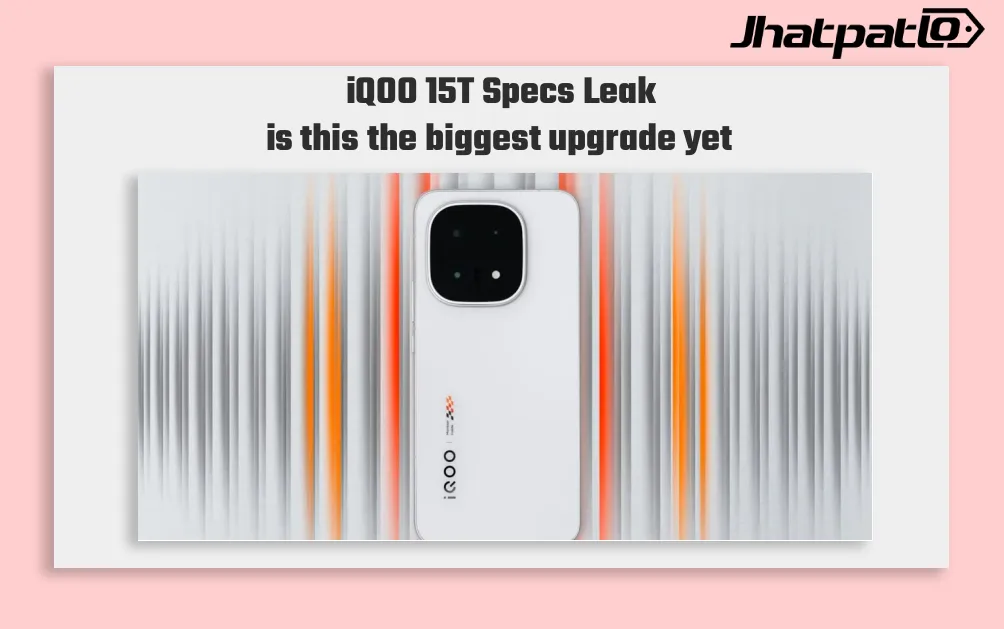
iQOO 15T Specs Leak Suggests 200MP Camera and 8000mAh Battery
Leaks around the iQOO 15T specs leak are pointing to a spec-heavy phone that could sit between the standard iQOO 15 and the rest of the brand’s lineup. Reports from Weibo tipsters Experience More and Digital Chat Station suggest the phone may arrive with a Dimensity 9500 chipset, a 6.82-inch 2...

iQOO Neo 10 Price in India Updated with New Colour Variants
iQOO Neo 10 Gets New Colours in India iQOO Neo 10 has arrived in two new colour variants, Alpine White and Asphalt Black, while the existing options remain Inferno Red and Titanium Chrome. The phone continues with the same hardware, including a 6.78-inch AMOLED display, Snapdragon 8s Gen 4 ch...

Xiaomi 17T Series Leak Reveals Design Specs and Possible India Launch
The Xiaomi 17T Series Leak Reveals surfaced in a fresh leak that shows renders, key specifications and a possible launch window later this month. The lineup is expected to include two models, the Xiaomi 17T and Xiaomi 17T Pro, with reports also suggesting that the standard model could mak...

OpenAI AI Smartphone Could Enter Production in 2027 With MediaTek Chip
OpenAI’s first OpenAI AI smartphone may enter mass production in the first half of 2027, according to analyst Ming-Chi Kuo, marking a move forward from earlier expectations that pointed to a 2028 timeline. The report suggests the company is preparing a custom hardware push built around AI-firs...

Pixel 11 Leak Reveals Pixel Glow LED and Possible Thermometer Removal
A Pixel 11 leak from the Mystic Leaks Telegram channel points to a notable design shift in Google’s upcoming flagship phone lineup. The report says Google may remove the thermometer sensor from Pro models and replace it with a new RGB LED system called Pixel Glow, alongside Tensor G6 chip u...
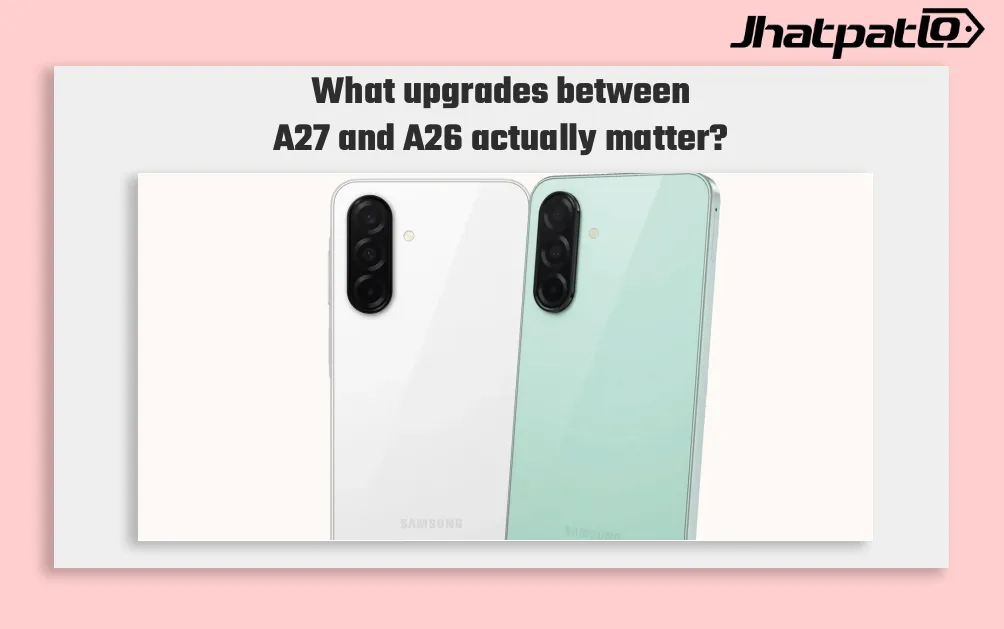
Samsung Galaxy A27 Appears on Samsung Brazil Site Ahead of Launch
Samsung Galaxy A27 has appeared on Samsung’s Brazil website, pointing to an early pre-launch listing rather than an official announcement. The Samsung Galaxy A27 is mentioned under Samsung Wallet compatibility, alongside Galaxy A37 and Galaxy A57, and leaks suggest it will be the success...