


Best phones under 50000 in India that still feel worth the money in 2026
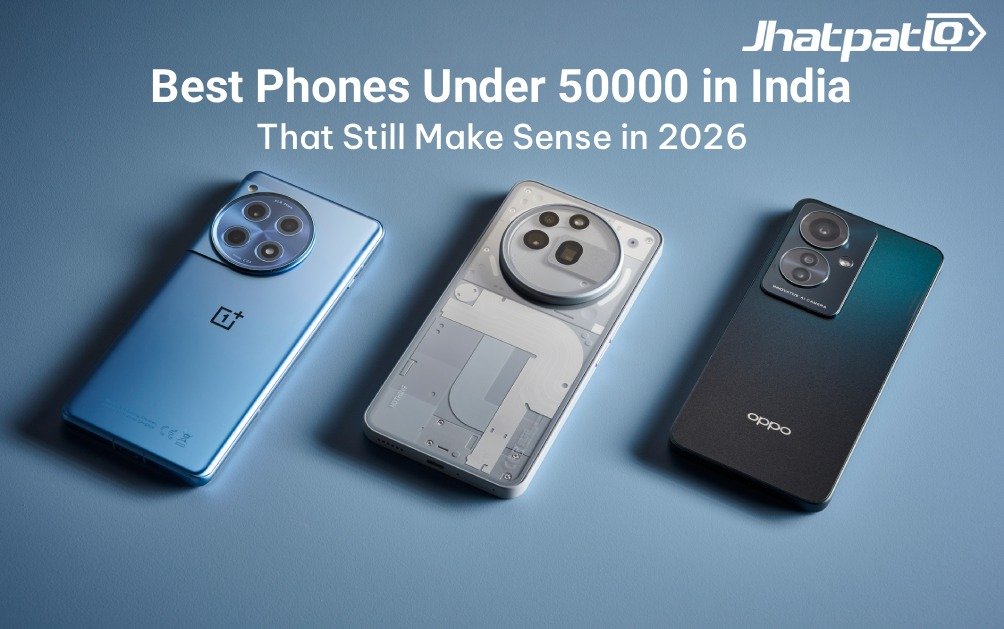
If you’ve been checking premium phones under ₹50K lately, you’ve probably noticed something annoying: the good ones keep jumping in price, and some of the usual favorites are either out of stock or sitting just above the line. That’s the real story of 2026. The best phones under 50000 aren’t just about raw specs anymore — they’re about which model still makes sense after price creep, stock shortages, and a much tighter buying window.
And honestly, that changes everything. A phone that looked like an easy recommendation last year may now feel overpriced, while an older model with better software support or a more useful camera setup can suddenly become the smarter buy. This guide looks past launch hype and compares what actually matters now: performance, battery technology, camera quality, long-term Android updates, and which phones are still worth chasing before pricing shifts again.
Quick Highlights
- Only a handful of strong picks still fit under ₹50K in May 2026.
- Battery tech is now a bigger deal than just charging speed alone.
- Pixel 9a wins on software longevity, while OnePlus 13R stays balanced.
- iQOO 15R is the one to watch if gaming is your main priority.
- Older devices can offer better real-world value than newer launch hype.
The weird part is that this segment used to feel crowded. Now it feels selective. Some phones that once sat comfortably in this bracket have crossed ₹50,000 after pricing inflation, better hardware, and changing import costs pushed the whole market upward. Counterpoint and IDC have both pointed to a softer but still noticeable premiumization trend in India, and you can feel it at the store level too: fewer clean deals, more stock gaps, and a lot more second-guessing.
So instead of throwing a spec sheet at you, this guide focuses on the phones that actually make sense for different kinds of buyers — the gamer, the camera person, the battery-first user, and the one who just wants the least annoying long-term purchase. That’s where the useful answer usually lives.
What Are the Best Phones Under 50000 in India Right Now?
Let’s keep this simple. If you want the flagship phones under 50000 that are worth looking at in 2026, there are only five clear standouts right now. And they’re not all trying to do the same thing, which is actually helpful. Some are built for speed, some for endurance, some for clean software, and one or two are trying to be the all-rounder that doesn’t annoy you six months later.
| Phone | Best for | Why it stands out | Main compromise |
|---|---|---|---|
| Realme GT 7 Pro | Raw performance | Snapdragon 8 Elite phones have serious speed, plus 120W charging | Not the most balanced camera package |
| iQOO 15R | Gaming | 7600mAh Silicon Carbon battery and bypass charging | More performance-first than camera-first |
| Poco X8 Pro Max | Battery life | 9000mAh battery with reverse wired charging | Size and weight won’t suit everyone |
| OnePlus 13R | Balanced use | Telephoto camera, fast charging, and a refined feel | Not the absolute fastest in class |
| Pixel 9a | Camera and software | Computational photography and six years of OS updates | Battery and charging are more modest |
If you’re upgrading from a ₹25K or ₹35K phone, the jump is still meaningful. You get a better display, a stronger flagship chipset, more durable build quality, and in many cases IP68/IP69 protection too. Several of these models also ship with Android 16 smartphones support already baked in, which is nice because it makes the device feel less temporary.
Benchmark-wise, the Realme GT 7 Pro sits near the top of the pile with its Snapdragon 8 Elite setup, while the iQOO 15R is aimed at sustained gaming loads rather than just headline numbers. The Pixel 9a won’t win the raw benchmark contest, but it’s the kind of phone that quietly matters more after six months when the software still feels fresh and the camera still nails a shot without drama.
Which Phone Under ₹50,000 Is Best for Gaming in 2026?
If gaming is the reason you’re shopping, the answer is pretty clear: the best gaming phone under 50000 right now is the iQOO 15R. Not because it has the flashiest marketing, but because the hardware choices actually line up with how people play in 2026. We’re not just talking about casual matches anymore. Mobile AAA gaming is getting heavier, longer, and more demanding on both thermals and battery health.
Here’s where the details matter. The iQOO 15R uses a Snapdragon 8 Gen 5 platform, and while pure chip bragging rights are fun, the real win is its 7600mAh Silicon Carbon battery plus bypass charging. That means the phone can run plugged in during gaming without constantly hammering the battery. If you’ve ever watched a phone get uncomfortably hot while charging and playing, you already know why that’s a big deal.
Raw FPS numbers are only part of the story. A lot of phones can spike high in a benchmark run and then throttle once heat builds up. What you want is sustained performance — the kind that stays stable in longer sessions. The iQOO 15R is built for exactly that. And since the battery is so large, you’re also not glued to a charger after every gaming block.
The Realme GT 7 Pro is the other speed demon here. It uses the Snapdragon 8 Elite chipset, and for users who care about top-end responsiveness, it’s a monster. It also fully charges in under 40 minutes, which is one of those little quality-of-life things that sounds average until you actually live with it. Still, for gaming-first buyers, the iQOO’s thermal and battery approach feels more thoughtful.
One more thing people overlook: endurance can matter more than higher peak frame rates. A phone that runs a game at a slightly lower but steadier frame rate for longer is usually the better gaming phone in real life. That’s especially true if you’re also using Discord, streaming, or playing while plugged in. In that scenario, battery tech beats bragging rights.
Quick practical take:
- Pick iQOO 15R if you want the most gaming-friendly setup.
- Pick Realme GT 7 Pro if you want top-tier speed and super-fast charging.
- Skip both if you care more about photos than long gaming sessions.
Which Phone Offers the Best Camera Experience Under ₹50,000?
This is where the conversation gets interesting, because people often chase megapixels when they should be looking at processing, lens quality, and consistency. If you want the best camera phone under 50000, the Pixel 9a is still the easiest recommendation for most people. Google’s image processing remains absurdly good at pulling detail out of tricky lighting, and it does it without making photos look weirdly overprocessed.
The Pixel 9a is especially strong for point-and-shoot users. You press the shutter, and most of the time the result just works. Skin tones, shadows, night shots, moving subjects — it all tends to hold together better than you’d expect at this price. That’s because Google leans hard on computational photography and AI smartphone features instead of just stacking numbers on a spec sheet.
But if you like portraits or zoom flexibility, the OnePlus 13R deserves attention. It includes a telephoto camera under ₹50K, which is a big deal because telephoto often gives better portrait compression and more useful close-up framing than digital zoom ever will. This is one of those features that sounds small until you start using it regularly.
Optical image stabilization also matters more than people think. OIS helps keep shots sharper in lower light and reduces the blur you get from tiny hand movements. It’s one reason some phones feel much better than others when you’re taking photos at night or indoors. If a device pairs OIS with a good processing stack, it usually punches above its weight.
Here’s a quick camera reality check:
- Pixel 9a is best for effortless, reliable everyday shots.
- OnePlus 13R is better if you care about portraits and telephoto framing.
- Neither should be judged only on megapixel count. That’s not the real story anymore.
If you like the idea of a camera that needs less tweaking and more trusting, Pixel still has the edge. If you want a bit more versatility and are okay with a more balanced tuning style, OnePlus is the smarter middle ground.
How Important Is Battery Life in Premium Phones in 2026?
Honestly? More important than a lot of people expected. A few years ago, thinness and sleek design used to dominate phone discussions. In 2026, endurance has become a serious selling point, and the battery chemistry itself is part of the conversation. That’s why phones with best battery life are getting more attention than ever.
Silicon Carbon batteries are one of the big reasons this segment has changed. They allow manufacturers to pack in more capacity without making the phone feel absurdly thick, and they’re helping phones like the iQOO 15R and Poco X8 Pro Max stand out in a crowded market. The Poco X8 Pro Max, for example, goes all the way to a massive 9000mAh battery. That’s not a typo. It’s the kind of battery that makes multi-day use feel realistic for many people.
Then there’s charging behavior. Fast charging phones are common now, but charging speed and charging design aren’t the same thing. The Realme GT 7 Pro charges fully in under 40 minutes, which is excellent. The iQOO 15R adds bypass charging, which matters if you game a lot. And the Poco X8 Pro Max includes reverse wired charging, so it can act like a battery bank in a pinch. That’s not just neat; it’s genuinely practical if you’re the kind of person who always has earbuds, watches, or another device to top up.
Battery degradation is the hidden part most buyers ignore. If a phone is constantly getting hot while charging and being used hard at the same time, the battery can age faster. That’s why bypass charging is such a useful 2026 feature. It helps reduce wear when you’re plugged in and playing.
The trade-off, of course, is size. Ultra-large battery phones don’t always feel as elegant in the hand. So you’re choosing between all-day convenience and pocket comfort. There’s no wrong answer, but there is a right answer for your use case.
Think of it this way: if your phone is your travel companion, work tool, gaming machine, and hotspot device, battery capacity is not a side note. It’s the whole experience.
Which Smartphone Under ₹50K Offers the Best Long-Term Value?
For long-term value, the Pixel 9a is probably the most convincing choice, and that’s mostly because Google treats software support seriously. The phone promises six years of OS updates, which immediately gives it an edge over many rivals that may be faster on day one but feel older much sooner. That’s the kind of thing that matters if you keep your phones for three to five years.
Software support does more than keep the interface fresh. It also affects security, resale value, and the phone’s ability to stay compatible with newer apps and features. In 2026, with Android 16 adoption already visible on several devices, the gap between “ships with the latest version” and “will still receive updates in a few years” is becoming more important than people first realize.
There’s also a resale angle. A phone with stronger long-term support usually holds value better, especially in the mid-premium segment. Buyers in the second-hand market are getting smarter, and they notice update promises. So while a more aggressively specced device may look better on paper, a phone with steadier support can actually be the better financial decision.
The best value smartphone 2026 isn’t always the one with the strongest chip or the biggest battery. It’s the one that stays useful, secure, and pleasant to use for longer. That’s why Pixel 9a has such an easy case. It may not be the most exciting phone in the showroom, but it’s one of the least risky buys over time.
OnePlus 13R deserves a mention here too because it balances performance, camera usefulness, and charging quite well. If you want a phone that feels premium without being fussy, it’s a strong practical pick. But if the conversation is specifically about “will this still make sense after several years?”, Pixel has the cleanest answer.
Should You Buy an Older Flagship or a New Midrange Phone?
This is the part where a lot of people overpay without meaning to. They see a newer launch and assume it must be better value, but that’s not always how this market works. In fact, in 2026, slower yearly innovation cycles mean some older phones remain more appealing than newer midrange models at similar prices.
The mistake is buying for launch-year excitement instead of actual use. A slightly older device can have better build quality, a more mature camera system, and fewer early software quirks. That’s why buyers should pay attention to depreciation and resale trends too. Phones tend to drop hardest in the first year, then stabilize a bit. If you buy too early, you often pay the “newness tax.”
And this is exactly where the Pixel 9a vs Pixel 10a conversation becomes useful. Google has positioned the Pixel 9a as the better value in many real-world scenarios, which says a lot. The newer phone may exist, but the older one can still be the smarter purchase if the price gap and support window make more sense.
So the rule is pretty simple:
- Choose a new midrange phone if you want better battery tech or a lower entry price.
- Choose an older flagship if camera tuning, build quality, or a better processor matters more.
- Don’t assume newer automatically means better value. Sometimes it just means more expensive.
That’s the finance side of phone buying people rarely talk about, but it matters. A device should feel worth its price not just on launch day, but halfway through its life too.
Best Phones Under ₹50,000 Compared Side by Side
Here’s the cleanest snapshot if you want to compare the strongest choices quickly. This table is not about declaring one universal winner, because that’s not how this segment works anymore. It’s about matching the phone to the kind of buyer you are.
| Phone | Best For | Chipset | Battery | Charging | Camera Highlight |
|---|---|---|---|---|---|
| Realme GT 7 Pro | Raw performance | Snapdragon 8 Elite | 5800mAh | 120W | 3X telephoto |
| iQOO 15R | Gaming | Snapdragon 8 Gen 5 | 7600mAh | 100W | Bypass charging |
| Poco X8 Pro Max | Battery life | Dimensity 9500s | 9000mAh | 100W | Massive endurance |
| OnePlus 13R | Balanced usage | Snapdragon 8 Gen 3 | 6000mAh | 100W | Telephoto portraits |
| Pixel 9a | Camera/software | Tensor G4 | Moderate | Fast charging | Computational photography |
Notice what’s happening here? The segment is no longer about one perfect phone. It’s about trade-offs. That’s the real 2026 buying story. Performance, battery, and software are now splitting into different winners, which is why the “one-size-fits-all” recommendation feels less honest than it used to.
Frequently Asked Questions About Phones Under ₹50,000
Which is the best gaming phone under ₹50,000?
The iQOO 15R stands out for gaming because of its
Snapdragon 8 Gen 5 chipset, bypass charging support, and large 7600mAh battery. These features help maintain stable
performance during long gaming sessions while reducing battery stress and heat buildup.
Which phone has the best camera under ₹50,000?
The Google Pixel 9a delivers one of the strongest
camera experiences in this segment due to Google’s computational photography processing. The OnePlus 13R is another
strong option for users who prefer telephoto portrait photography.
Are phones under ₹50,000 worth buying in 2026?
Yes. The segment now includes flagship-level
processors, LTPO AMOLED display options, IP68/IP69 protection, and multi-year software support. Many devices offer
performance previously limited to premium flagship phones above ₹70,000.
Which phone offers the best battery life?
The Poco X8 Pro Max leads battery endurance with its
9000mAh battery. Users focused on gaming or multi-day usage may benefit more from this phone than slimmer flagship
alternatives.
Is software support important when buying a smartphone?
Long-term software support improves
security, resale value, and feature longevity. Phones like the Pixel 9a now promise six years of updates, making them
better long-term investments.
Should buyers wait for newer smartphone launches?
Not always. Older flagship devices often
deliver better cameras, build quality, and performance than newer midrange phones at similar prices. Buyers should
compare long-term value instead of focusing only on launch recency.
At the end of the day, the right phone depends on what frustrates you most right now. Slow charging? Weak camera consistency? Battery anxiety? Clean software? Once you answer that honestly, this segment gets a lot easier.
The ₹50K market in 2026 is still exciting, but it’s also more expensive and a little less forgiving. That’s why the smartest buyers aren’t just chasing specs — they’re choosing the phone that’s going to feel right three years from now, not just three minutes after unboxing.
If you’re still torn, ask yourself one simple thing: are you buying the phone that looks best on paper, or the one you’ll actually enjoy living with every day?
Related Products
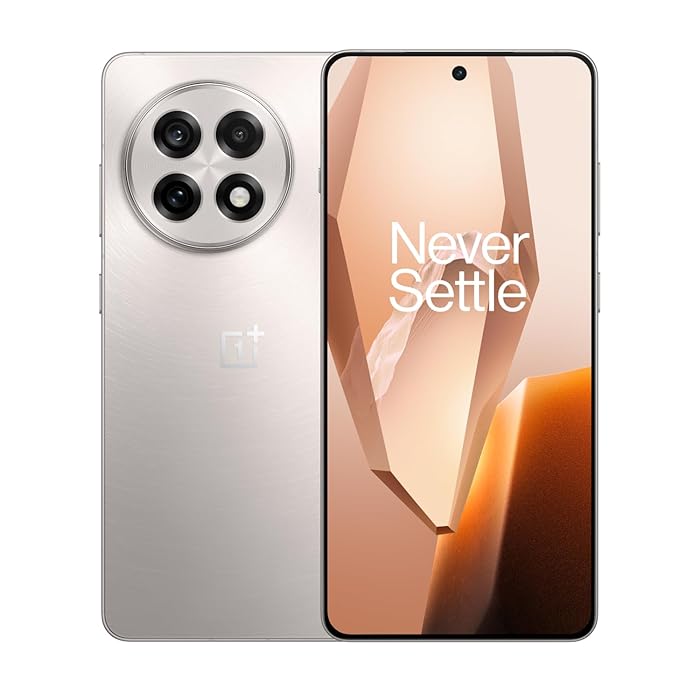


iQOO Neo 10 Price in India Updated with New Colour Variants
iQOO Neo 10 Gets New Colours in India iQOO Neo 10 has arrived in two new colour variants, Alpine White and Asphalt Black, while the existing options remain Inferno Red and Titanium Chrome. The phone continues with the same hardware, including a 6.78-inch AMOLED display, Snapdragon 8s Gen 4 ch...

iQOO 15T Specs Leak Suggests 200MP Camera and 8000mAh Battery
Leaks around the iQOO 15T specs leak are pointing to a spec-heavy phone that could sit between the standard iQOO 15 and the rest of the brand’s lineup. Reports from Weibo tipsters Experience More and Digital Chat Station suggest the phone may arrive with a Dimensity 9500 chipset, a 6.82-inch 2...
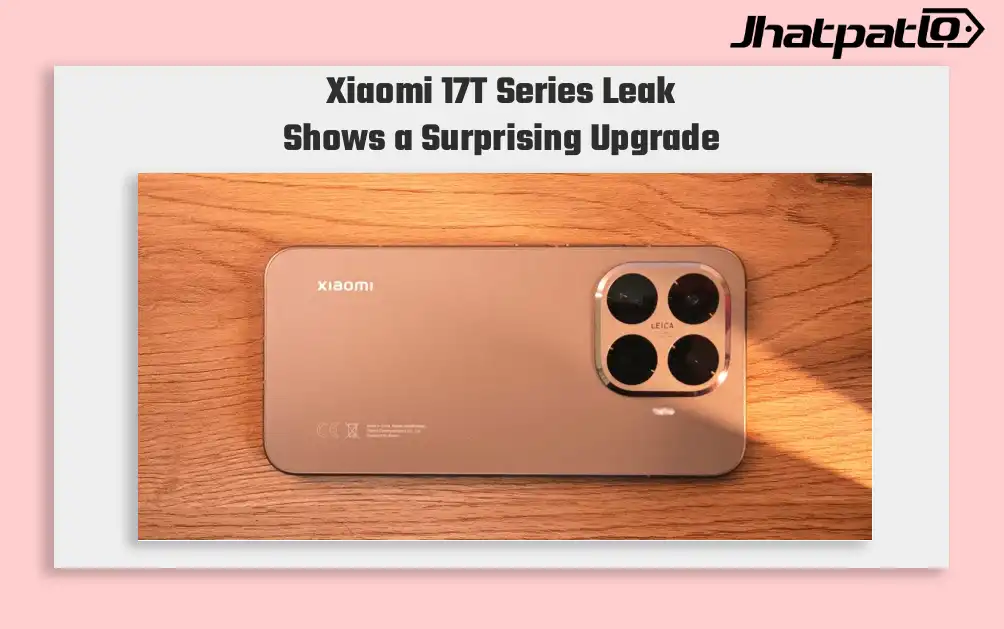
Xiaomi 17T Series Leak Reveals Design Specs and Possible India Launch
The Xiaomi 17T Series Leak Reveals surfaced in a fresh leak that shows renders, key specifications and a possible launch window later this month. The lineup is expected to include two models, the Xiaomi 17T and Xiaomi 17T Pro, with reports also suggesting that the standard model could mak...

Pixel 11 Leak Reveals Pixel Glow LED and Possible Thermometer Removal
A Pixel 11 leak from the Mystic Leaks Telegram channel points to a notable design shift in Google’s upcoming flagship phone lineup. The report says Google may remove the thermometer sensor from Pro models and replace it with a new RGB LED system called Pixel Glow, alongside Tensor G6 chip u...
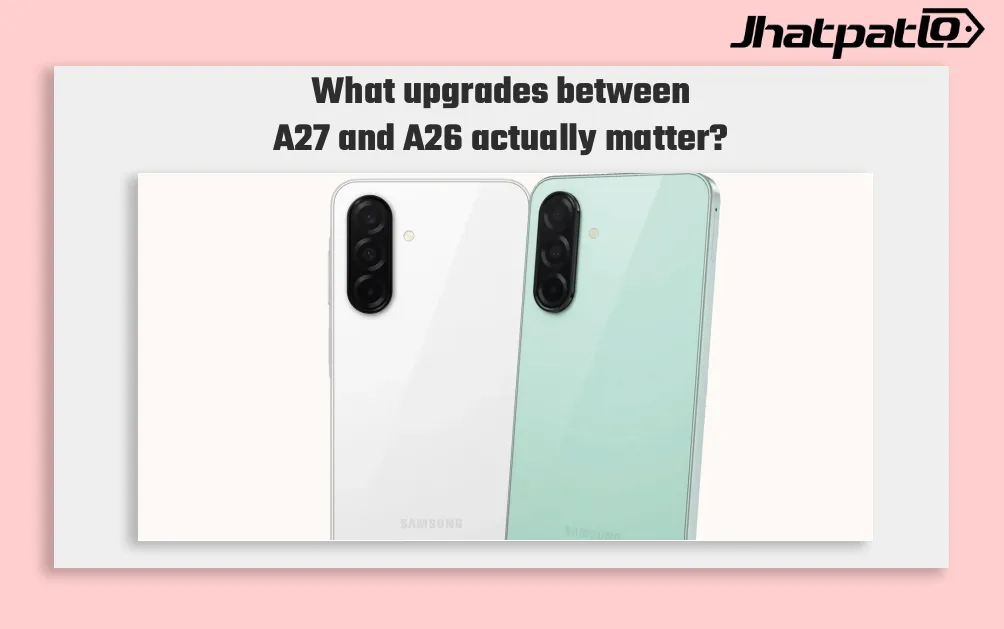
Samsung Galaxy A27 Appears on Samsung Brazil Site Ahead of Launch
Samsung Galaxy A27 has appeared on Samsung’s Brazil website, pointing to an early pre-launch listing rather than an official announcement. The Samsung Galaxy A27 is mentioned under Samsung Wallet compatibility, alongside Galaxy A37 and Galaxy A57, and leaks suggest it will be the success...

Qualcomm Launches Snapdragon 6 Gen 5 and 4 Gen 5 With 90fps Gaming
Qualcomm brings new mobile chips to entry and mid range phones Qualcomm Launches Snapdragon 6 Gen 5 and Snapdragon 4 Gen 5 official, with both chips set to appear in devices later in 2026. The two platforms push features that were usually tied to more expensive phones into lower price segments,...