


Nothing Phone 4a Pro Review 2026: Best ₹40K Phone or Overhyped Design?

There’s a funny thing happening in the mid-range phone market right now. People aren’t just asking which phone has the fastest chip or the biggest battery anymore. They’re asking which one actually feels good to use every day. That’s the space the Nothing Phone 4a Pro review sits in, and honestly, that’s what makes it interesting.
At ₹39,999, this phone is trying to sell more than specs. It’s selling a very specific idea of premium design, cleaner software, and a different kind of smartphone experience. And in 2026, that matters more than most brands want to admit. You’ll notice it the moment you look at the aluminum build, the Glyph Matrix, and the fact that Nothing has chosen balance over brute force.
Quick Highlights
- Design-first phone with a premium aluminum unibody
- Glyph Matrix works like a useful secondary UI layer
- Good battery life, but not built for heavy gaming
- Telephoto camera is a real advantage in this segment
- Clean Android 16 experience with long software support
Are Mid-Range Smartphones Moving From Specs to Experience in 2026?
Yes, and it’s happening faster than a lot of buyers realize. For years, the mid-range conversation was pretty predictable: bigger battery, faster charging, more megapixels, higher benchmark numbers. Those things still matter, of course. But in mid-range smartphones 2026, the buying mindset is changing. More people want a phone that feels refined, not just one that looks good on a spec sheet.
That shift is exactly where Nothing has found its lane. Instead of competing like everyone else, it focuses on the parts of the phone you actually notice every day. The grip in your hand. The way the software moves. The clarity of the display. The sense that the phone has an identity. That’s a very different pitch from the usual “more power for less money” approach.
And here’s the thing: for a lot of users, especially in the ₹30K to ₹45K range, that trade-off makes sense. Most people aren’t buying a mid-range phone to chase record-breaking FPS numbers. They want something reliable, stylish, and pleasant to live with. That’s why the experience-first smartphone trend 2026 is becoming such a big deal. It’s less about raw hardware bragging rights and more about how the device fits into everyday life.
Now, that doesn’t mean specs no longer matter. It just means they’re no longer the only story. A balanced phone can win if it gets the basics right and still feels special. That’s the game Nothing is playing here.
Is Nothing Phone 4a Pro the Best Design-Focused Phone Under ₹40,000?
If design matters to you, the answer is probably “very close, maybe yes.” The Nothing Phone 4a Pro isn’t trying to look like every other slab of glass in the market. The aluminum unibody gives it a more premium feel than most phones in this price range, and the slim 7.9mm profile makes it feel cleaner and more deliberate in the hand.
What stands out most is that the design isn’t just cosmetic. It changes how the phone behaves in real life. The build feels sturdy. The IP65 protection adds a bit of peace of mind for everyday spills and dust. And while some competitors lean heavily into flashy finishes or aggressive camera rings, Nothing keeps the look controlled and distinct. That restraint is part of the appeal.
Of course, there are compromises. No wireless charging will bother some buyers, especially those expecting a more complete premium package. And if you’re used to every possible feature being present just because the phone looks expensive, this one may feel a little selective. But that’s also the point. The Nothing Phone 4a Pro is built around a design philosophy, not a checklist.
That’s what makes it stand out against a lot of mid-range competitors from Samsung, OnePlus, and Xiaomi. Many of those phones either lean safer or try to win on pure specification density. Nothing does something harder: it gives the device a personality. In a market full of similar-looking phones, that matters more than people sometimes admit.
How Useful Is the Glyph Matrix on Nothing Phone 4a Pro?
This is one of the most interesting parts of the phone, because it’s also the easiest thing to misunderstand. The Glyph Matrix features are not just there for visual flair. Think of them as a secondary notification layer that helps you glance at the phone without fully opening it up. That’s what makes it more than a gimmick.
The 137 mini-LED setup is brighter and more functional than older decorative light setups people may have dismissed on earlier phones. With 3000 nits brightness, it’s far easier to notice in real-world use. It can show live app updates, contact alerts, and quick activity cues from things like maps or delivery apps. So if you’re waiting for a cab, tracking food, or keeping an eye on a message, it becomes a useful little window into what’s happening.
This is where the idea of an ambient UI layer makes sense. Instead of forcing you to unlock the screen over and over, it gives you a fast, glanceable way to stay informed. In theory, that should reduce screen dependency a bit, and in practice, it actually does help. Not massively, not magically, but enough that you notice.
It also fits nicely with Android 16 and Live Activities-style behavior, which makes the whole experience feel more integrated than a simple light strip. The point isn’t that the Glyph Matrix replaces the display. It’s that it handles small interactions more elegantly than most people expect. That’s the sort of detail that makes Nothing feel different from the pack.
How Good Is the Display on Nothing Phone 4a Pro for Gaming and Media?
The Nothing Phone 4a Pro display is a 6.83-inch 1.5K AMOLED panel, and on paper it sounds like exactly what a ₹40K buyer wants. It’s sharp, colorful, and big enough for movies, scrolling, and gaming. You also get a 144Hz panel, though in daily use it mostly behaves like a 120Hz display. That’s not necessarily a bad thing. It’s just a reminder that refresh rate marketing and real-world usage aren’t always the same thing.
For most people, that won’t matter much. What will matter is that the screen looks good. Text is crisp, motion feels smooth, and HDR10+ support helps with video content. The 2160Hz PWM dimming is also a nice touch if you’re sensitive to flicker, because it can make long viewing sessions a bit more comfortable.
Now, if you’re a gamer, the story gets a little more complicated. The display itself is excellent, but the phone is still a mid-range device. So while it handles casual and moderate gaming well, the combination of a 1.5K panel and sustained load can make efficiency a real consideration. That’s the trade-off. You get a nicer screen, but there’s a reason high-performance gaming phones sometimes choose less demanding panels.
In plain terms, this is a very good display for media, general use, and occasional gaming. If your priority is visual quality first, it lands well. If you want the absolute best balance for extended gaming sessions, you’ll want to look a little deeper at the performance section before making a call.
| Feature | Nothing Phone 4a Pro | Why it matters |
|---|---|---|
| Size | 6.83-inch AMOLED | Good for media and split-screen use |
| Resolution | 1.5K | Sharper than basic FHD+ panels |
| Refresh rate | 144Hz, mostly 120Hz in real use | Smooth, but don’t expect constant max mode |
| Eye comfort | 2160Hz PWM dimming | Better for low-brightness viewing |
Does Snapdragon 7 Gen 4 Deliver Enough Performance for Gaming?
This is where the Nothing Phone 4a Pro performance story becomes more realistic. The Snapdragon 7 Gen 4 is a capable chip, and for everyday use it does the job comfortably. Apps open fast, switching between tasks feels smooth, and normal multitasking doesn’t create drama. For most buyers, that’s already enough.
Where people get tripped up is expecting flagship-level gaming from a mid-range chipset. That’s not what this is. It can handle popular titles, and the gaming performance mid-range experience is decent, but sustained heavy gaming is still a test. In demanding scenarios, the phone can warm up, and performance can settle a bit instead of staying at peak levels forever. That’s normal for this class, but it’s worth knowing before you buy.
The practical takeaway is simple: if you play BGMI, COD Mobile, or lighter games, you’ll probably be happy. If you spend long sessions in more demanding titles and care a lot about thermal consistency, this won’t be the phone that wins your heart. It’s built for balance, not dominance.
That balanced approach actually makes sense in a phone like this. Nothing is choosing to spend its design and software budget on a more complete experience, rather than chasing an all-out performance crown. For a lot of users, that’s the smarter move. For others, especially gamers, it may feel like a compromise too far. And that’s fair.
Is the Camera System on Nothing Phone 4a Pro Worth It?
This is probably the section that will surprise people the most. The Nothing Phone 4a Pro camera review starts with a 50MP Sony LYT700C main sensor, and the results are genuinely solid for the price. Photos from the main camera have good detail, decent dynamic range, and a natural look that doesn’t feel aggressively processed. In good light, it’s confident. In mixed light, it still holds up reasonably well.
But the real story is the 3.5x telephoto lens smartphone setup. That’s rare in this segment, and it changes how the phone is used. Instead of relying only on crop zoom or digital stretching, you get a proper zoom option that makes portraits, street shots, and even casual travel photography more interesting. This is one of those features you don’t fully appreciate until you use it a few times and realize how limiting phones without it can feel.
The ultrawide camera is less exciting. It does the job, but it’s not the reason to buy the phone. In low light, it’s the weakest part of the camera system, which is pretty typical at this price point. Video also has limits, especially if you were hoping for more ambitious 4K flexibility across the board.
Still, Nothing deserves credit for making camera choices that feel intentional. Instead of stuffing in more sensors for marketing, it focused on one useful zoom lens and a main camera that actually matters. That makes the phone feel more mature than a lot of rivals that chase camera count rather than camera quality.
So yes, the camera is worth it if you value versatility. If you mostly shoot ultrawide landscapes or expect near-flagship video behavior, you’ll notice the gaps. But for most real-world users, this is a well-judged setup.
How Long Does Nothing Phone 4a Pro Battery Last in Real Use?
The Nothing Phone 4a Pro battery life is one of those things that sounds a bit modest on paper and ends up being good enough in the real world. The 5400mAh battery can comfortably support around 6 to 6.5 hours of screen-on time, depending on how you use it. That’s not insane, but it’s solid for a device with this kind of display and feature set.
What helps is the phone’s balanced tuning. It’s not trying to be a gaming monster that drains itself faster than it should. For mixed usage, meaning social media, messaging, photos, browsing, and some video, it’s dependable. If your habits are more extreme, the story changes. Heavy gaming or long camera sessions will bring endurance down faster, as you’d expect.
The 50W fast charging is also useful. A full charge in roughly 65 minutes is quick enough for daily life without making you hover around the charger all day. And yes, there’s no wireless charging, which will bother some people. But again, that fits the phone’s overall philosophy. It’s optimized for practical use, not luxury feature stacking.
If battery optimization is one of your main priorities, this phone should land comfortably in the “good, not class-leading” category. It’s reliable, predictable, and easy to live with. That often matters more than headline battery bragging rights.
Is Nothing OS 4.1 the Cleanest Android Experience in Mid-Range Phones?
Honestly, this might be the most underrated part of the whole package. The Nothing OS 4.1 review is where the phone starts feeling genuinely different from the usual mid-range Android crowd. Based on Android 16, the software is clean, minimal, and refreshingly easy to navigate. It doesn’t drown you in clutter or overdone visuals.
| Feature | Nothing 4a Pro | Typical competitors |
|---|---|---|
| Design | Premium aluminum | Plastic or glass mix |
| Camera | Telephoto focus | Often no zoom lens |
| Performance | Balanced | Sometimes gaming-heavy |
| Battery | Strong and steady | Often faster charging |
| UI | Clean + AI | Can be bloatware-heavy |
If your priority list starts with gaming and charging speed, a competitor may make more sense. If your priority list starts with design, clean software, and a phone that feels thought-through, Nothing becomes much more compelling. That’s the real comparison here.
So, who should buy it and who probably shouldn’t?
This part matters more than people think. The Nothing Phone 4a Pro is not trying to be the perfect phone for everyone. And that’s actually a strength, not a weakness.
You should consider it if you want:
- a phone that feels premium without looking generic
- a clean Android experience with long support
- a camera setup with a proper zoom lens
- balanced day-to-day performance over gaming obsession
- a device that makes sense in the best phone under 40000 2026 conversation
You should probably skip it if:
- you want the fastest charging possible
- you’re a serious mobile gamer
- wireless charging is non-negotiable
- you care more about specs than how the phone feels
That’s the honest trade-off. It’s a phone with a point of view, and not every buyer wants that. But if you do, it’s refreshing.
Final verdict
The Nothing Phone 4a Pro feels like a phone built for the way people actually use smartphones now, not just for benchmark screenshots. It gives you a premium body, a genuinely helpful Glyph Matrix, a solid telephoto camera, and software that doesn’t get in your way. The Snapdragon 7 Gen 4 is good enough for most people, the battery is dependable, and the display is strong for daily life.
But it’s not flawless. Heavy gamers will want more sustained performance. Some buyers will miss wireless charging. And if you’re obsessed with raw numbers, you may feel like you’re paying for design more than hardware. That’s true, to an extent. But it’s also the whole identity of the phone.
So, is it the best phone under ₹40,000? For some people, yes. For others, no. What it really is, though, is one of the most interesting mid-range smartphones 2026 has brought so far. If you want a phone that feels different in a good way, this one deserves a serious look. And if you’re still weighing your options, ask yourself one simple thing: do you want the most specs, or the phone you’ll actually enjoy using every day?
Read next: Best smartphones under ₹40,000 in 2026, Snapdragon 7 Gen 4 performance guide, Android 16 features explained
FAQs
Is Nothing Phone 4a Pro worth buying in 2026?
Yes, if design, clean software, and balanced
performance matter more than gaming power or extreme specs.
Does Nothing Phone 4a Pro support wireless charging?
No, wireless charging is not supported due
to the metal unibody design.
How good is the gaming performance?
It handles casual gaming well, but sustained high-end gaming
causes heating and FPS drops.
What makes Glyph Matrix useful?
It works as a secondary notification interface with live updates
from apps and contacts.
How is the camera in low light?
The main sensor performs well, but the ultrawide struggles in
low-light conditions.
Which is better, design or performance?
It depends on your priority. This device focuses more on
design and experience than raw performance.
If you like phones that do things a little differently, the Nothing Phone 4a Pro is probably already on your shortlist. And if not, well, that says something too.
Related Products


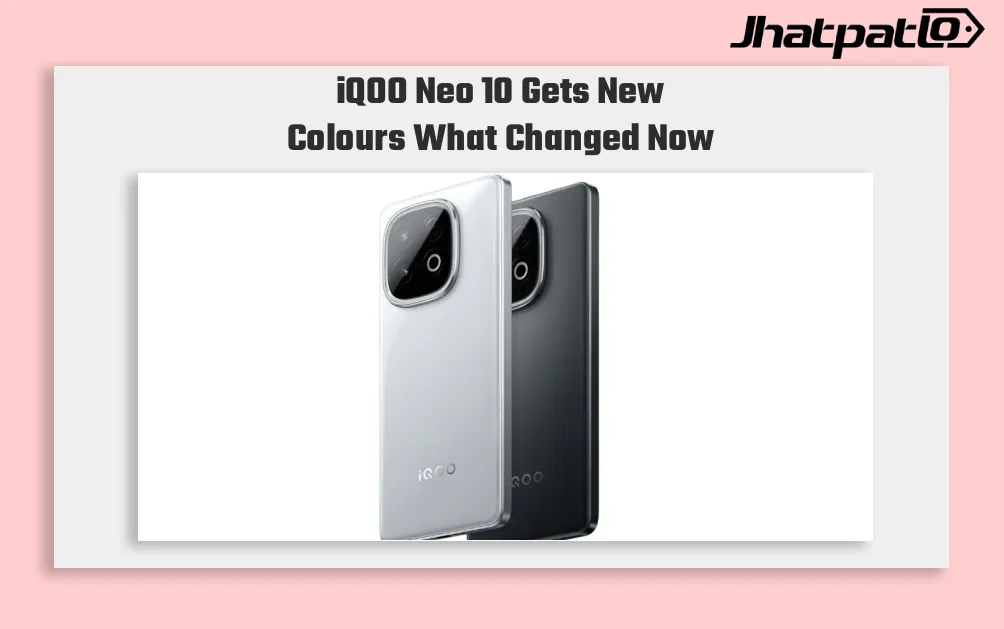
iQOO Neo 10 Price in India Updated with New Colour Variants
iQOO Neo 10 Gets New Colours in India iQOO Neo 10 has arrived in two new colour variants, Alpine White and Asphalt Black, while the existing options remain Inferno Red and Titanium Chrome. The phone continues with the same hardware, including a 6.78-inch AMOLED display, Snapdragon 8s Gen 4 ch...

iQOO 15T Specs Leak Suggests 200MP Camera and 8000mAh Battery
Leaks around the iQOO 15T specs leak are pointing to a spec-heavy phone that could sit between the standard iQOO 15 and the rest of the brand’s lineup. Reports from Weibo tipsters Experience More and Digital Chat Station suggest the phone may arrive with a Dimensity 9500 chipset, a 6.82-inch 2...
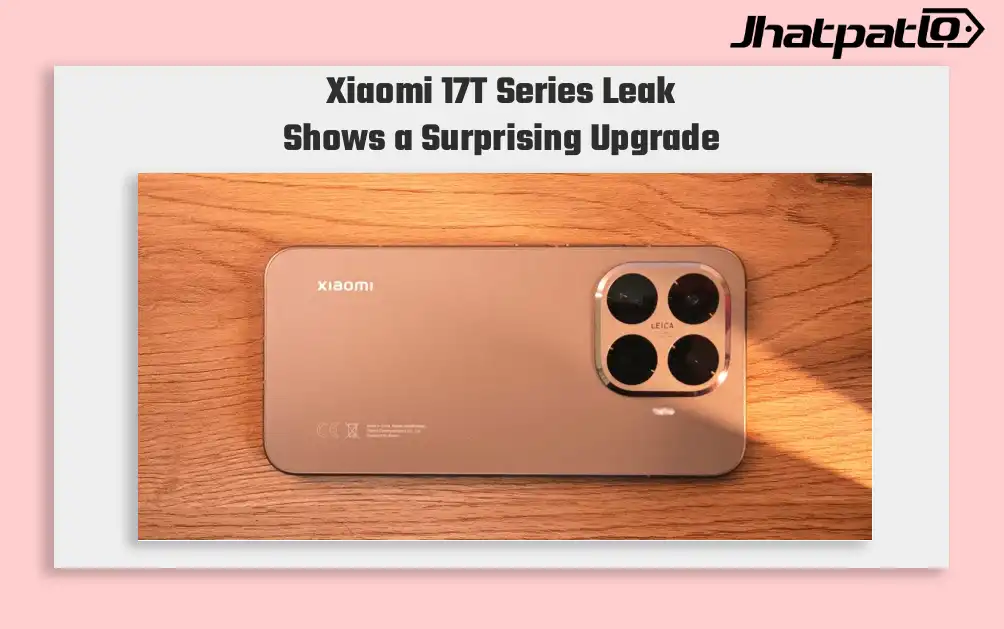
Xiaomi 17T Series Leak Reveals Design Specs and Possible India Launch
The Xiaomi 17T Series Leak Reveals surfaced in a fresh leak that shows renders, key specifications and a possible launch window later this month. The lineup is expected to include two models, the Xiaomi 17T and Xiaomi 17T Pro, with reports also suggesting that the standard model could mak...
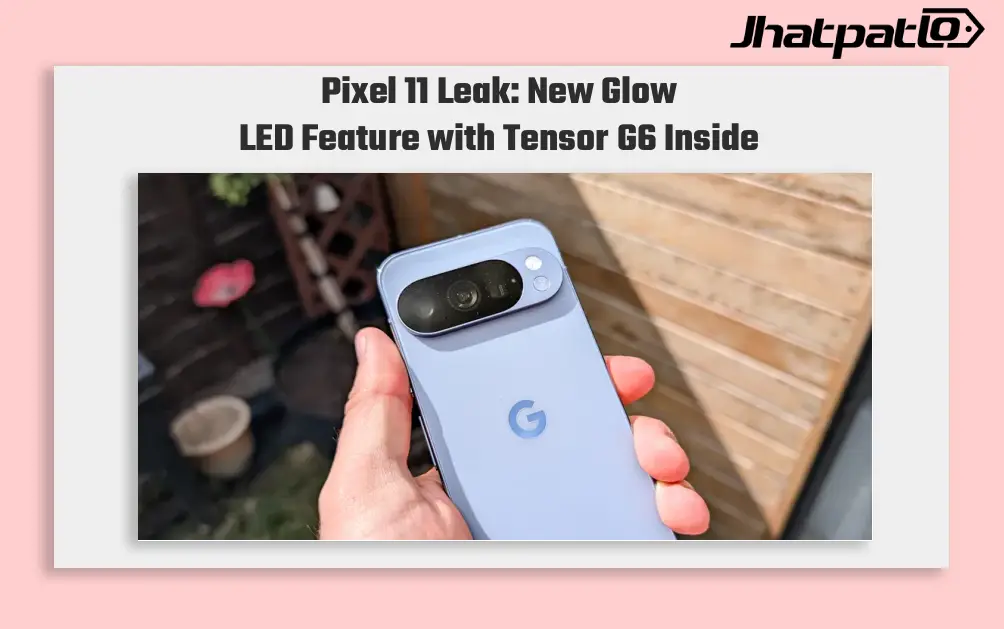
Pixel 11 Leak Reveals Pixel Glow LED and Possible Thermometer Removal
A Pixel 11 leak from the Mystic Leaks Telegram channel points to a notable design shift in Google’s upcoming flagship phone lineup. The report says Google may remove the thermometer sensor from Pro models and replace it with a new RGB LED system called Pixel Glow, alongside Tensor G6 chip u...
Samsung Galaxy A27 Appears on Samsung Brazil Site Ahead of Launch
Samsung Galaxy A27 has appeared on Samsung’s Brazil website, pointing to an early pre-launch listing rather than an official announcement. The Samsung Galaxy A27 is mentioned under Samsung Wallet compatibility, alongside Galaxy A37 and Galaxy A57, and leaks suggest it will be the success...

OpenAI AI Smartphone Could Enter Production in 2027 With MediaTek Chip
OpenAI’s first OpenAI AI smartphone may enter mass production in the first half of 2027, according to analyst Ming-Chi Kuo, marking a move forward from earlier expectations that pointed to a 2028 timeline. The report suggests the company is preparing a custom hardware push built around AI-firs...