


Buying a TV in 2026: What Matters and Is OLED vs QLED Still Relevant?

What Really Matters When Buying a TV in 2026
Display technology and room lighting: The panel and back-light setup still play the biggest role in overall picture quality.
Brightness and contrast based on your room: Bright rooms with sunlight need a brighter screen with good anti-reflective coating. Dark rooms benefit more from strong contrast and deep blacks.
Software and ecosystem: The smart TV platform and app support matter more than raw chipset specs. Most TVs in 2025–26 already have enough processing power.
Use case: static content vs dynamic content: If you watch a lot of news or channels with static logos, long-term panel durability becomes more important.
Price vs build quality: With TVs, the price often reflects panel quality, coating, thermal performance, and backlighting. Cheaper models may cut corners.
What Matters Less (or Is Mostly Marketing)
AI processor claims: Fancy processor names usually don’t impact day-to-day viewing in 2026.
Refresh rates beyond 120Hz: Useful only if you game. Movies and TV shows rarely benefit from anything higher.
HDR logos: HDR is nice to have, but a weak panel with HDR support still performs worse than a strong panel without it.
Is OLED vs QLED Still a Thing in 2026?
Yes — the difference still matters.
OLED strengths: True blacks, excellent contrast, wide viewing angles, and a cinematic look. Best for dark rooms and movie lovers.
QLED and Mini-LED strengths: Best for bright rooms. Higher peak brightness, better glare handling, and strong HDR. Modern Mini-LEDs close much of the gap in contrast.
Use-case considerations: For dark-room movie watching, OLED is tough to beat. For daily mixed use in a bright living room, QLED or Mini-LED delivers more value.
Sample TV Picks
Good everyday QLED: Vu GloQLED Series 4K QLED Smart Google TV — solid brightness, features, and price.
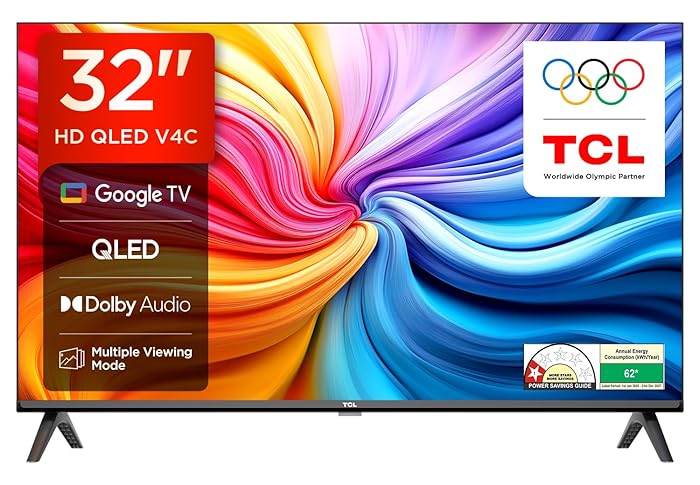
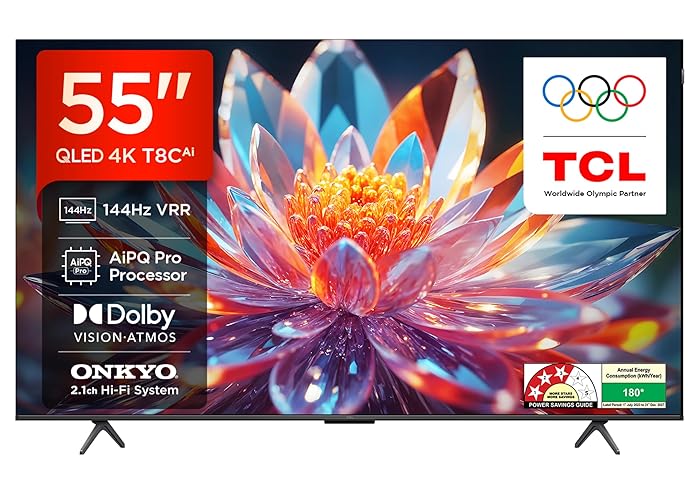
Value mid-range: TCL 4K QLED HDR Smart TV — modern design, balanced brightness, and HDR support at a good price.
Premium option: Samsung 4K Ultra HD QLED Smart TV — stronger backlighting and better long-term performance for bright rooms.
Final Thought
The best TV for 2026 depends on how and where you watch. OLED offers the most natural picture for dark-room viewing and movie nights. QLED or Mini-LED is better for bright rooms and mixed content like sports and news. Most other specs are secondary. If you choose based on display type, brightness, contrast, and software experience, you’ll end up with a TV that feels right for years.
Related Products







iQOO Z11 India launch soon with Dimensity 7500 Turbo chipset
iQOO Z11 India launch soon, and the phone is tipped to arrive in August as the first model in India with MediaTek’s Dimensity 7500 Turbo. That puts the Z11 directly into a performance-led midrange fight, especially if iQOO keeps the curved-screen hardware intact for the local version. The iQOO...

Moto Edge 70 Max price in India starts at Rs 49,999 with Snapdragon 8 Gen 5
Moto Edge 70 Max price in India starts at Rs 49,999, and that puts Motorola’s latest flagship into a crowded premium Android segment. The phone focuses on high-end performance, a large AMOLED display, strong battery life and durability features. Here is a clear look at the launch details,...
Xiaomi 18 series India launch date tipped should you wait
Leaks around the Xiaomi 18 series suggest the brand may move its India flagship launch to early December, with a smaller lineup and a limited Pro Max model. Here is what the latest reports point to, what is still unclear, and why the launch matters beyond just phones. Xiaomi 18 Ultra canc...

Motorola Edge 70 Max update policy clarified with 3 OS upgrades and 5 years of SMR
Motorola has clarified the Edge 70 Max software update policy, setting it at up to 3 Android OS upgrades and up to 5 years of SMR. The update matters because buyers had been left with mixed signals across regional product pages, and software support is now a major part of how people compar...

Lava Virat V1 5G launch brings 120Hz display and 6000mAh battery
Lava Virat V1 5G launch lands in India with a July 24 date and a clear budget focus. The phone is being positioned under ₹10,000, with a 6.75-inch 120Hz display, a UNISOC T8200 chipset, and 4GB RAM virtual expansion. For buyers looking at the entry 5G segment, the bigger story is practical...

Edifier R1000TC II Bluetooth 6.0 Brings 42W Desktop Audio
Edifier has launched the R1000TC II in China with Bluetooth 6.0, dual-device pairing, and a 42W output rating. For desktop users, the more practical detail is the mix of wireless convenience, USB sound card support, and RCA input in one active bookshelf speaker pair. It is a fairly direct...