


Samsung Privacy Display to Reach Apple MacBooks by 2029, Tipster Claims
Overview
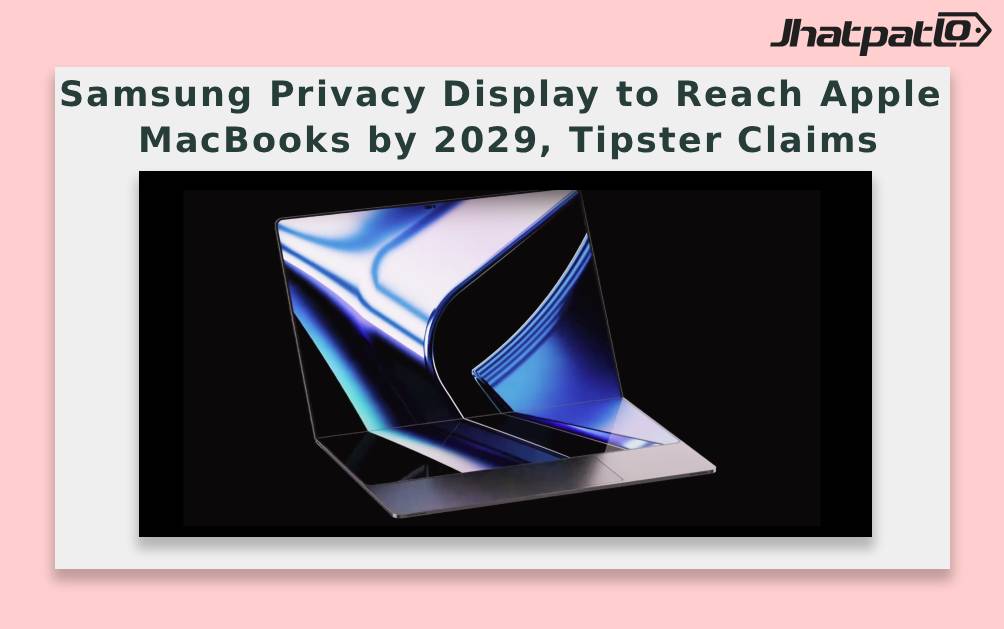
Samsung is set to unveil the Galaxy S26 series on February 25, with the Privacy Display feature on the Galaxy S26 Ultra highlighted as a potential standout. A well-known tipster, Ice Universe, says the same technology could find its way to Apple’s MacBook lineup by 2029.
The disclosure follows rumors that the privacy feature is hardware-based and may initially remain exclusive to the Galaxy S26 Ultra. If true, the approach could influence laptop privacy across brands in the years ahead, alongside the already anticipated impact on mobile devices.
Privacy Display Tech and Potential MacBook Adoption
The feature is designed to shield screen content from side views by selectively limiting viewing angles, ensuring that on-screen information is visible primarily to the person directly in front of the device. Users would be able to enable the privacy layer for specific areas of the display or disable it entirely, according to the information circulating from the tipster and related reports.
Rumors suggest the technology will remain initially exclusive to the Galaxy S26 Ultra, reinforcing the belief that this is a hardware-based solution embedded in the display rather than a software overlay. Samsung is promoting its privacy display to offer protection for sensitive information while still allowing for high-quality displays, even in a public setting.
Timeline & Hardware Specs & Next Steps
According to Omdia, a market analysis company who was referenced by one source, Samsung's privacy display feature may come to Apple MacBooks sometime around 2029. The Samsung Galaxy S26 Ultra will be available on February 25, 2026, and will include Samsung's Flex Magic Pixel OLED technology built into its privacy feature; this technology will allow for different angles of viewing content (from directly in front) to be clear versus at an angle where the viewer cannot see the content properly due to being off point). Samsung also claims that the privacy feature will not reduce the quality of images being displayed (color and brightness) while providing users protection from prying eyes).
In addition to the above findings, the reports show that Samsung has developed a new display technology called Flex Magic Pixel that is built into the display instead of using an outside screen protector. The Flex Magic Pixel technology uses artificial intelligence (AI) to determine how to display content at multiple angles, as well as allowing the user to modify the privacy display area (app) and various sections of the screen with software changes. If Apple were to offer a comparable feature on its MacBooks, comparable controls will be needed within macOS in order to control who can see what information and whether or not to allow the information to have visible, but limited access, for macOS applications.
The report's other sections provide more important information, including how Apple-designed OLED panels (the 14 and 16-inch MacBook displays) will be manufactured by Samsung Display (debuting in Q4 of 2026) and will follow other predictions for Apple's future generation of MacBooks to feature larger OLED displays and better display technologies; however, no other details regarding MacBook titles or specifications have yet been made available.
Tech Specs
- Privacy tech:
- Privacy protection through Flex Magic Pixel
- AI-based image processing for improved nameplate control
- Brightness and color accuracy assurance
- Ability to enable privacy on an area-by-area basis
- Hardware-based implementation (likely associated with the Galaxy S26 Ultra)
- Could be a potential power source for future(14 and 16-inch) OLED panels on MacBooks
Updates will be provided as additional information becomes available. Additionally, the anticipation for the launch of the Galaxy S26 Ultra remains the same - however, its potential to be adopted by a MacBook may be confirmed/supported by the four-year time frame expectation.
Related Products


Samsung Galaxy S26 Ultra Privacy Display to Reach Rival Android Flagships
Developing Privacy Display on Galaxy S26 Ultra Samsung has confirmed that its upcoming Galaxy S26 Ultra will include a hardware-level Privacy Display designed to improve user privacy by limiting viewing angles. The feature obscures a portion of the screen so bystanders cannot discern sens...

Samsung Galaxy S26 Ultra Privacy Screen Demonstrated Ahead of Unpacked
Privacy Screen Demonstrated Ahead of Unpacked Samsung’s upcoming Galaxy S26 Ultra is again in the spotlight as early hands-on activity surfaces ahead of the Galaxy Unpacked event slated for this week. A YouTuber identified as Sahil Karoul reported that he was able to purchase the...

Samsung Galaxy S27 Pro Privacy Display Leak Points to OLED Upgrade
Samsung Galaxy S27 Pro leak details suggest the company is testing a Privacy Display panel on the rumored phone. The display would use Flex Magic Pixel technology to narrow viewing angles while keeping the front-facing user’s screen readable, a clear move toward in-panel privacy control in Samsung’s...

MacBook Pro With OLED Touchscreen to Launch Late 2026 With Dynamic Island
A Summary of Expected Product Launches This Year According to reports, Apple has several hardware updates planned this year; among them are new MacBook Pro models with M5 Max and M5 Ultra processors and a lower-cost MacBook model with an A18 Pro processor. In a separate report, Apple is...

Samsung Privacy Display Teased Ahead of Galaxy S26 Launch
Samsung Privacy Display Teased Ahead of Galaxy S26 Launch Samsung is previewing a new privacy feature called Privacy Display as part of its Galaxy S26 series, which is set to debut on February 25. Officials involved said the feature is designed to hide the phone screen from shoulder surfers in crow...

Samsung to Mass Produce 8th Gen OLED Panels for Apple MacBooks
Samsung Display is set to begin mass production of the world’s first 8th-generation OLED line, with glass-substrate production planned to start in May, according to The Elec. The A6 OLED line is expected to supply panels for Apple’s upcoming 14-inch and 16-inch MacBook models, which are anticipated...