


Samsung Privacy Display Teased Ahead of Galaxy S26 Launch
Samsung Privacy Display Teased Ahead of Galaxy S26 Launch
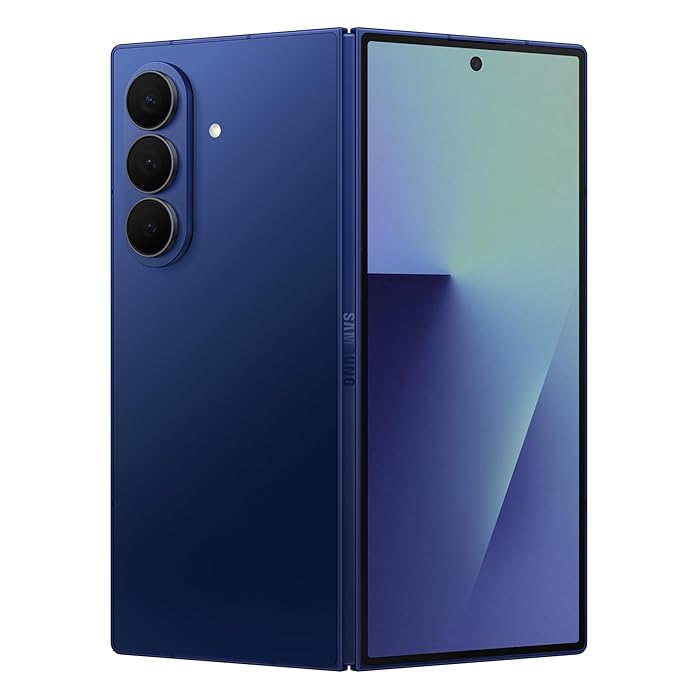
Samsung is previewing a new privacy feature called Privacy Display as part of its Galaxy S26 series, which is set to debut on February 25. Officials involved said the feature is designed to hide the phone screen from shoulder surfers in crowded spaces. A teaser video shows a quick toggle that, when activated, makes the display unreadable from the sides while remaining clear to the user. The feature is also spotted in One UI 8.5 firmware, suggesting a wider rollout across the lineup beyond the Galaxy S26 Ultra.
Early material hints at a toggle-driven activation and a user-selectable privacy mode. Samsung’s teaser underscores a focus on privacy and on addressing a common annoyance in public places, without detailing performance trade-offs at this stage.
How Privacy Display Works and Where It Fits
The Privacy Display relies on Samsung Display’s Flex Magic Pixel OLED technology. Rather than sticking a privacy film onto the screen, the display itself alters pixel angles to narrow the viewing cone. When viewed head-on, the panel behaves like a normal flagship display; from the sides, the image becomes unreadable. Samsung says the feature will work with One UI 8.5 and Galaxy AI, allowing users to decide when it kicks in and to apply it selectively for certain actions such as banking apps, PIN entry, notification previews, or sensitive settings.
In the teaser, a commuter on public transport is shown with nearby passengers attempting to glance at the screen. A tap on a zero-peeking privacy toggle is described as making the screen unreadable to others while keeping it clear for the user. This aligns with Samsung’s broader push to integrate display hardware with software to solve real-world privacy concerns.
Rollout, Platform Integration and Market Context
Samsung is positioning Privacy Display as part of a broader set of display upgrades. The company has previously introduced an anti-reflective coating with the Galaxy S24 Ultra, and officials indicate this new feature will be supported by a combination of hardware and software improvements. If the feature ships without compromising brightness, battery life, or overall display quality, it could become one of the Galaxy S26 series’ more practical upgrades. The rollout is expected to begin on the Galaxy S26 Ultra at launch, with possibilities for broader adoption across the lineup, and potentially extending to future foldables, given the feature has appeared in One UI 8.5 firmware iterations.
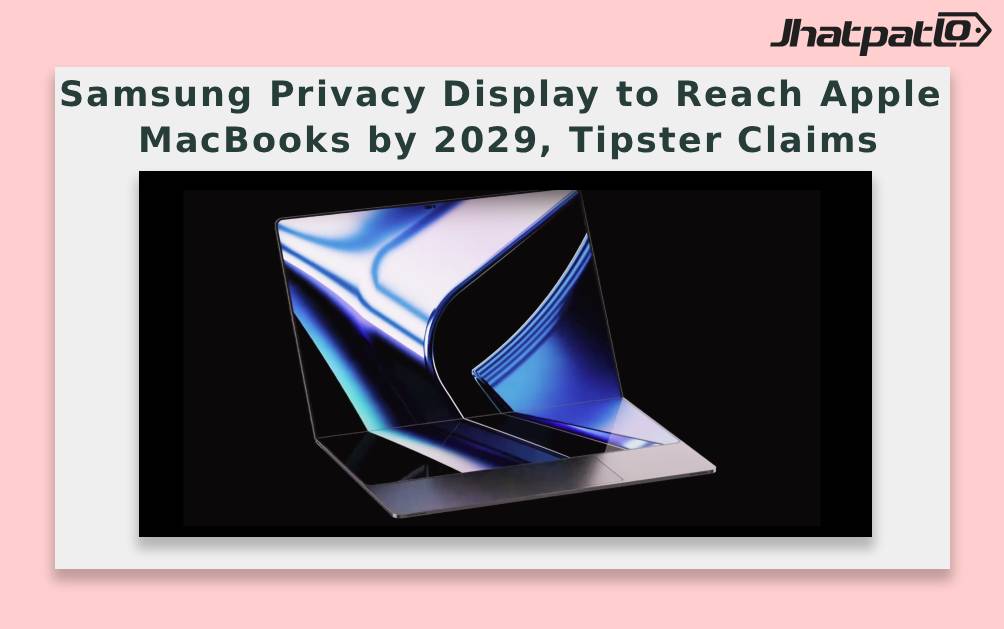
Industry context notes that competing phones do not yet offer a built-in privacy display solution. Tipster Ice Universe has suggested Apple is reportedly exploring comparable privacy display technology for MacBook screens later in 2029, a sign the idea may spread if proven effective.
For users who frequently travel or handle sensitive information in public spaces, Privacy Display could offer a meaningful privacy tool. Those who primarily use devices at home may view it as a convenience feature, contingent on performance with brightness and color accuracy. The company’s final implementation and any trade-offs will become clearer once Samsung shares detailed specifications and a formal rollout timeline.
Next steps include the February 25 launch of the Galaxy S26 series, with Privacy Display integration tied to One UI 8.5 and Galaxy AI. Samsung has not disclosed exact dates for broader availability, but the teaser indicates the feature is on track for a wider release in the near term.
Key specifications
- Privacy Display feature: hides the screen from side viewing using pixel-shift technology
- Technology: Flex Magic Pixel OLED
- Activation: toggle via One UI 8.5 and Galaxy AI
- Initial availability: Galaxy S26 Ultra at launch; potential rollout to other models
- Control scope: selective activation for banking apps, PIN entry, notification previews, sensitive settings
- Compatibility: One UI 8.5 firmware
- Notes: hardware-software integration continues privacy and display quality goals
Related Products



Samsung Galaxy S26 Ultra Privacy Screen Demonstrated Ahead of Unpacked
Privacy Screen Demonstrated Ahead of Unpacked Samsung’s upcoming Galaxy S26 Ultra is again in the spotlight as early hands-on activity surfaces ahead of the Galaxy Unpacked event slated for this week. A YouTuber identified as Sahil Karoul reported that he was able to purchase the...

Samsung Galaxy S27 Pro Privacy Display Leak Points to OLED Upgrade
Samsung Galaxy S27 Pro leak details suggest the company is testing a Privacy Display panel on the rumored phone. The display would use Flex Magic Pixel technology to narrow viewing angles while keeping the front-facing user’s screen readable, a clear move toward in-panel privacy control in Samsung’s...
Samsung Galaxy S26 Ultra Privacy Display to Reach Rival Android Flagships
Developing Privacy Display on Galaxy S26 Ultra Samsung has confirmed that its upcoming Galaxy S26 Ultra will include a hardware-level Privacy Display designed to improve user privacy by limiting viewing angles. The feature obscures a portion of the screen so bystanders cannot discern sens...
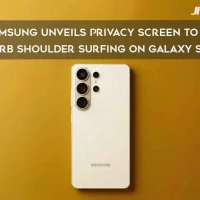
Samsung Unveils Privacy Screen to Curb Shoulder Surfing on Galaxy S26
Samsung Demonstrates Its Upcoming Privacy Screen Feature JhatpatLo reports that Samsung announced on Wednesday it will soon bring a new privacy layer to its Galaxy devices. The feature aims to curb shoulder surfing by making the screen visible only to the user, while people nearby cannot see what i...

Samsung Privacy Display to Reach Apple MacBooks by 2029, Tipster Claims
Overview Samsung is set to unveil the Galaxy S26 series on February 25, with the Privacy Display feature on the Galaxy S26 Ultra highlighted as a potential standout. A well-known tipster, Ice Universe, says the same technology could find its way to Apple’s MacBook lineup by 2029....
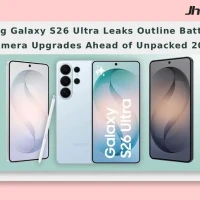
Samsung Galaxy S26 Ultra Leaks Outline Battery and Camera Upgrades Ahead of Unpacked 2026
Samsung Galaxy S26 Series Launch and Leak Details On February 25, Samsung plans to launch its next generation of Galaxy S series at their Unpacked 2026 event in San Francisco. Recent leaks have shown promotional material about the Samsung S26 Ultra’s battery and camera, and like its pre...