


Why a 1.5 ton 3-star inverter split AC could be your smartest summer buy in India 2026

The summer season is almost here, and you’re probably thinking about cooling a room without burning a hole in your wallet. A 1.5-ton, 3-star inverter split AC often hits that sweet spot for many Indian homes: enough cooling power for a typical bedroom, sensible energy use, and a price tag that won’t scare you off. If you’re shopping for a space up to about 180 square feet, this combo is worth a closer look. And if you’ve noticed how the energy bills seem to creep up when you run the AC for longer periods, you’ll be especially glad to hear that inverter models with copper coils and R32 refrigerant can deliver steady comfort without monstrous monthly costs. In this article, we walk through practical buying ideas, real-world tradeoffs, and a handful of current picks in the 1.5-ton, 3-star inverter space that Indian buyers are considering in 2026. No lab tests here—just grounded guidance from someone who’s been down this road with a friend’s room and a summer heatwave on the horizon. The goal is simple: help you pick a model that cools effectively, lasts long, and doesn’t surprise you with hidden charges or complicated features you’ll never use. And yes, we’ll keep things human, a little imperfect, and very usable in everyday life.
First, let’s pin down the basics. A 1.5-ton AC is typically considered ideal for rooms around 150–180 square feet, depending on insulation, sun exposure, and ceiling height. Inverter technology matters, because it lets the compressor ramp up or down to match cooling needs instead of clanging along at full power all the time. That not only saves electricity but also reduces noise and improves comfort, since the room temperature stays steadier rather than swinging with every cycle. For many buyers, a 3-star energy rating is a pragmatic compromise: you’re paying less at purchase while still getting decent efficiency, especially if you don’t run the unit all day every day. And if you’re a light user—say you mostly run it during evenings and post-work hours—the difference in running cost between a 3-star and a 5-star model can be surprisingly small over several years. With that in mind, let’s dive into what to look for and which models are catching attention in 2026.
- 1.5 ton fits most bedrooms up to 180 sq ft with good insulation
- Inverter + copper coil + R32 refrigerant is a durable, efficient combo
- Look for 4–5-in-1 or similar convertible cooling features for flexibility
- Check ISEER and declared cooling capacity to estimate running costs
- Prices move quickly; warranty terms and after-sales matter as much as sticker price
What to keep in mind before the price tags start stacking up
So you’re comparing models in a crowded category. The good news is that most 1.5-ton, 3-star inverters today share a core tech stack: inverter compressors, copper condensers, and R32 refrigerant. The not-so-obvious part is how the features translate to real-life comfort and monthly bills. A few quick checks you can use while you browse:
- Cooling capacity: You’ll see numbers around 4800–5200W for a 1.5-ton unit. That’s enough for most mid-sized bedrooms, but if you have a sun-drenched north-facing room or high ceilings, you might want the higher end of that range.
- ISEER or energy efficiency rating: Higher is better for long-term costs. A model with 4.5 ISEER or more will typically sip less power for the same cooling task than a 3.8 ISEER unit.
- Refrigerant and coil: R32 is common and more eco-friendly than older alternatives. Copper coils are durable and efficient for heat exchange, though they can cost a bit more upfront.
- Inverter features: Multi-mode cooling (4-in-1, 5-in-1), turbo quick cooling, and gentle sleep modes actually matter when you’re living with the thing every evening.
- Warranty and service: A longer inverter compressor warranty is comforting, especially when you’re investing in a mid-range unit. Check what’s covered and for how long.
To make all of this concrete, think of it like buying a car in a sane price range. You want a reliable engine (the inverter compressor), good fuel efficiency (ISEER), reliable parts (copper coils, R32), and features that actually improve daily life (sleep mode, auto-restart, deodorizing filters). With that frame, let’s look at some representative models making waves in 2026 and what sets them apart.
Model snapshots: practical impressions from the current market
Note: This isn’t a formal testing lab report. It’s a practical lay of the land based on public specs, user expectations, and typical room setups. Prices and availability shift, so treat these as trend pointers rather than fixed picks. Also, the list below is ordered roughly by price at the time of writing, not by performance superiority.
Voltas 183V Vectra CAW
The Voltas 183V Vectra CAW brings a versatile 4-in-1 adjustable cooling mode to a compact 1.5-ton package. You get a copper condenser, R32 refrigerant, and an inverter compressor that’s tuned for higher ambient cooling (great when the summer peaks at 50°C in some cities). Highlights include a turbo cooling mode and a 4-way air swing for more even distribution. A practical advantage for many Indian homes is the warranty structure: a 5-year warranty on the inverter compressor plus additional coverage on other components (subject to purchase window). It’s a solid mainstream option that balances performance and price well, especially if you want reliable cooling without extra bells and whistles that you’ll rarely use.
Hisense AS-18TR4R3E1
Hisense offers a feature-rich 1.5-ton inverter with a 5-in-1 convertible cooling lineup and a PM 2.5 health filter—handy for cities with dust and pollution concerns. It uses R32 and copper coils, and it often includes a self-clean function and glow-in-dark remote. In practice, the 4-way auto swing helps with more uniform air spread in rooms where air distribution is uneven due to furniture layout. Warranty terms typically look solid for entry-level inverters, and you’re getting a model that emphasizes convenience and easy maintenance alongside cooling performance.
Hitachi 3400SXL RAS.D318PCCIBS
Hitachi leans into a larger feature set with Xpandable inverter technology and a frost-cleaning concept (FrostWash). The compressor can ramp up for faster cooling when you need it and then settle into efficient operation as the room approaches the target temperature. The Nano Tech Ultra copper coil coating adds durability against corrosion, which can matter in coastal or humid environments. If you value a quieter operation and a focus on long-term reliability, Hitachi’s approach often translates into a calmer night-time experience and less worry about maintenance in the middle of a hot season.
Blue Star IC318YNUS
Blue Star has long been associated with strong airflow, and the IC318YNUS keeps that reputation. It has a copper condenser with Blue Fin anti-corrosion protection and a 5-in-1 convertible cooling feature. The DigiQ Hepta Sensors help with smarter temperature and humidity control. The standout for many buyers is built-in Wi-Fi and support for voice assistants, which can make controlling comfort from a couch a little more pleasant. Warranty terms typically look generous on the compressor side, and the overall package balances power and practical features nicely.
Daikin MTKL50U
Daikin’s MTKL50U entry highlights Daikin’s well-known inverter coil design and a Coanda airflow technology that aims to push cool air along the ceiling for even distribution. It blends low noise (with a claimed 35dB in some modes) and a PM2.5 filtration approach, which helps in filtering out fine particles. If you’re particular about quiet operation and air quality, Daikin tends to deliver a smoother experience, though the price tag can be a bit steeper than some peers in this category.
| Model | Cooling (W) | Coil | Refrigerant | Inverter | Warranty (Compressor) |
|---|---|---|---|---|---|
| Voltas 183V Vectra CAW | ~4800 | Copper | R32 | Yes | 10 years |
| Hisense AS-18TR4R3E1 | ~4800 | Copper | R32 | Yes | 10 years |
| Hitachi 3400SXL | ~5000 | Copper | R32 | Yes | 10 years |
| Blue Star IC318YNUS | ~5050 | Copper | R32 | Yes | 10 years |
| Daikin MTKL50U | ~4800 | Copper | R32 | Yes | 10 years |
How to read the numbers and make it practical
Let’s translate those specs into everyday decisions. The cooling capacity tells you how quickly the unit can drop the temperature in a given room. If your bedroom gets a brutal afternoon sun, you’ll want the higher end of the range so the AC doesn’t stay on all day just to reach comfort. ISEER, on the other hand, is about running cost over the cooling season. A unit with 4.5 ISEER or higher will generally be kinder to your electricity bill, especially if you’re running it several hours every day in peak months. The rule of thumb is simple: more capacity plus higher efficiency tends to deliver better comfort with less energy spent per degree of cooling. But you also need to balance the upfront price, the warranty, and how well the features actually fit your life.
What about other brands and why they matter
Beyond the handful above, you’ll see names like LG, Panasonic, Samsung, Haier, Carrier, Whirlpool, O General, and Mitsubishi Electric appear in this segment. Here’s the practical takeaway: you don’t need to chase the most premium option if your usage pattern is moderate. Features like 6-in-1 or 7-in-1 convertible cooling sound impressive, but if you’re not leveraging them—if you mostly use the unit at night or during the hottest hours—then a solid 4- or 5-in-1 option might be more about convenience than real-world benefits. In that sense, a trustworthy inverter with a copper coil and R32 refrigerant is a durable foundation. You can layer on features that genuinely improve daily life, like smart connectivity, pollen and PM2.5 filtration, or a quiet mode that actually makes bedtime easier.
Practical buying tips for 2026
Here’s a compact checklist you can pull up while you compare models in online stores or at a retailer:
- Choose a model with an inverter compressor and a copper condenser for durability and efficiency.
- Prefer R32 refrigerant for lower environmental impact and compatible performance.
- Aim for a higher ISEER value (4.5 or more is a safe target for better long-term running costs).
- Check the periphery features that actually matter for you: sleep mode, auto-restart, filter type, and Wi-Fi control if you value smart features.
- Consider warranty length on the compressor and the system as a whole; it’s a good indicator of confidence from the maker.
One more thing to keep in mind: the list of models above includes a mix of “price-ascending” entries and genuinely popular, well-supported choices. Prices shift with promotions, seasonal sales, and stock levels. If you’re timing a purchase, keep an eye out for bundled warranties or extended coverage options. The right timing can save you a surprising amount, especially when a retailer runs a warranty-or-discount deal for a particular model window.
Real-world guidance: interpreting the numbers in your space
Let me share a quick mental model I use when I help a friend pick a room AC. If the room has strong insulation and a ceiling height around 8 feet, a 1.5-ton unit with solid efficiency will chill the space without running the compressor flat out. If the room is brighter or an east-facing bed space gets blasted by sun all afternoon, you want that extra cooling reserve—think 4800–5200W—and you’ll appreciate the inverter’s ability to throttle up when needed. And if you’re in a high-humidity city, a unit with a decent PM2.5 filter and a dehumidification mode will keep the air feel drier and more comfortable, which often translates into better sleep and fewer battery-draining nights in the fan department.
Wrap-up thoughts and a soft question to end
Buying a 1.5-ton, 3-star inverter split AC in 2026 is less about chasing the latest buzzword and more about making a pragmatic choice that serves your room, climate, and wallet. If you’re unsure where to start, zero in on a model that ticks these boxes: inverter-based cooling, copper coil, R32 refrigerant, reasonable room coverage, and a warranty that doesn’t disappear after the first summer. In practice, you’ll find that the differences between mid-range options aren’t always about raw power but about reliability, ease of use, and how the unit fits into your daily life. So, as you compare, ask yourself not only what you’ll save on a given month but what you’ll gain in everyday comfort—quiet nights, steady temperatures, and a home that feels a little cooler in more ways than one. With that mindset, you’re more likely to pick a model you’ll stick with for years rather than a quick impulse buy you’ll regret when the next heatwave hits.
Would you pick a model you can control from your phone and schedule to start cooling before you wake up, or do you prefer a simpler, no-nonsense unit that works well right out of the box? If you’ve experienced a summer where the right AC made a real difference to your life, share your story in the comments. Your advice could help a neighbor decide between two close contenders.
Related Products


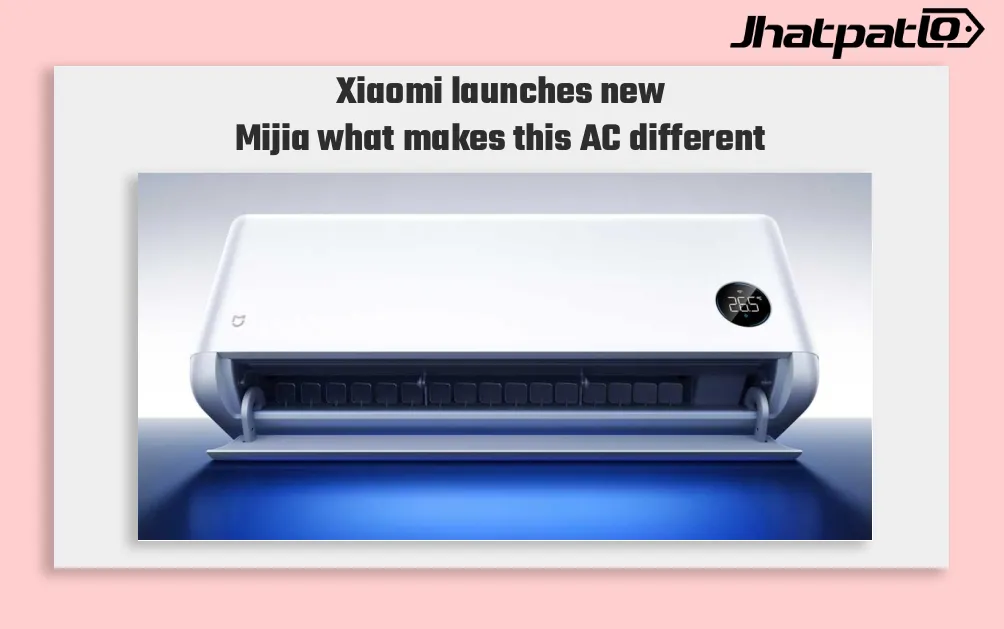
Xiaomi Launches Mijia Air Conditioner Powerful Air Pro 1.5 HP in China
Xiaomi launches Mijia Air Conditioner Powerful Air Pro 1.5 HP in China Xiaomi launches new Mijia Air Conditioner Powerful Air Pro 1.5 HP (Super Level 1 Energy Efficiency) in China, adding a new flagship model to its smart home lineup. The company says the unit is built for rapid cooling and h...

Realme 16T Launches in India With 8000mAh Battery and Rs 29999 Price
Realme 16T launches with battery and durability focus Realme has launched the 16T in India with an 8,000mAh battery, putting endurance at the centre of its midrange pitch. The phone starts at Rs. 29,999 and brings a 144Hz display, Android 16, IP69 protection and bypass charging support. The l...
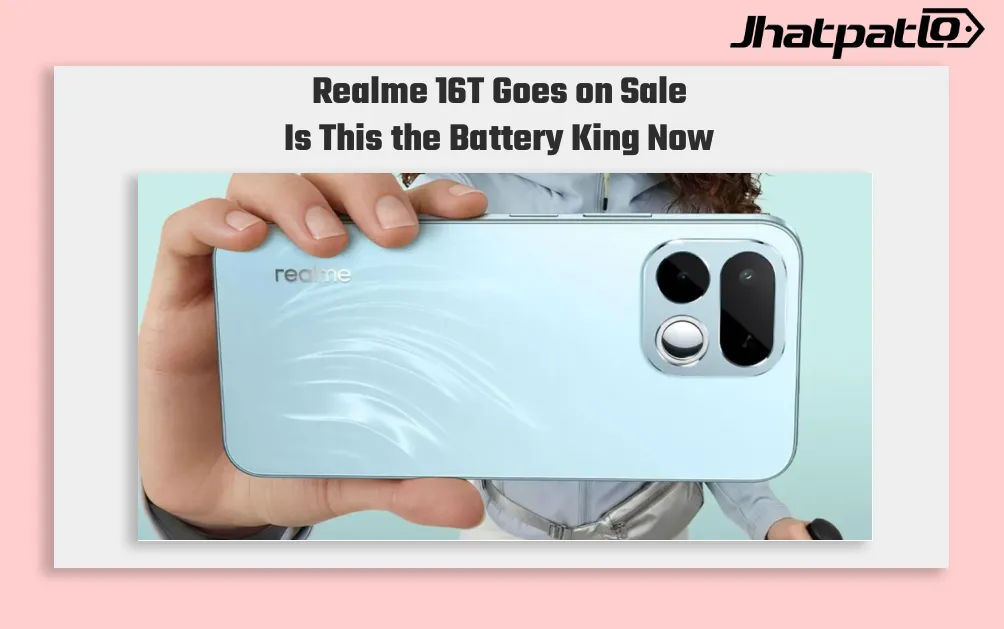
Realme 16T Sale Starts in India With 8000mAh Battery and Rs 29,999 Price
Realme 16T Goes on Sale in India Realme 16T has gone on sale in India starting at Rs 29,999, with the phone’s 8,000mAh battery becoming its main selling point. The device enters the mid-range market with a clear focus on endurance, while the MediaTek Dimensity 6300 chipset leaves a visible tr...

Philips Expands India Audio Push With Soundbars Starting at Rs 3,499
Philips Broadens Soundbar Range In India Philips Soundbar Launch in India, with prices starting at Rs 3,499 and going up to Rs 11,999 online. The lineup spans entry-level 2.1 systems and a 600W 5.1 setup, giving the company a wider push across affordable home audio categories. The compa...
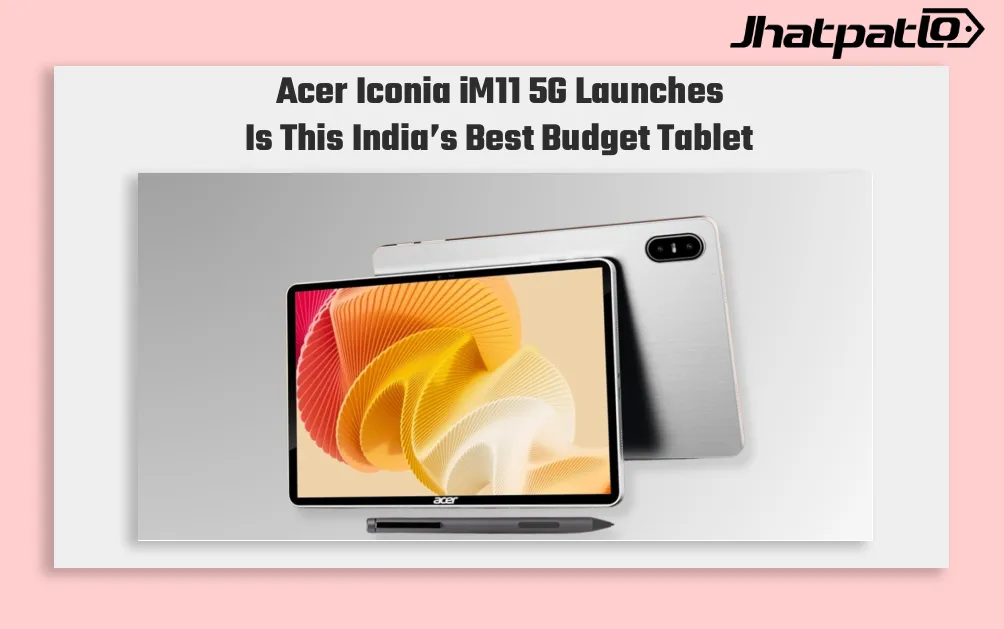
Acer Iconia iM11 5G Launches in India at Rs 25,499
Acer launches Iconia iM11 5G in India Acer Iconia iM11 5G Launches in India with a starting price of Rs 25,499, placing the tablet in the country’s mid-range Android segment. The device comes with stylus support, Android 15, 5G connectivity and optional keyboard accessories, with Acer aiming...
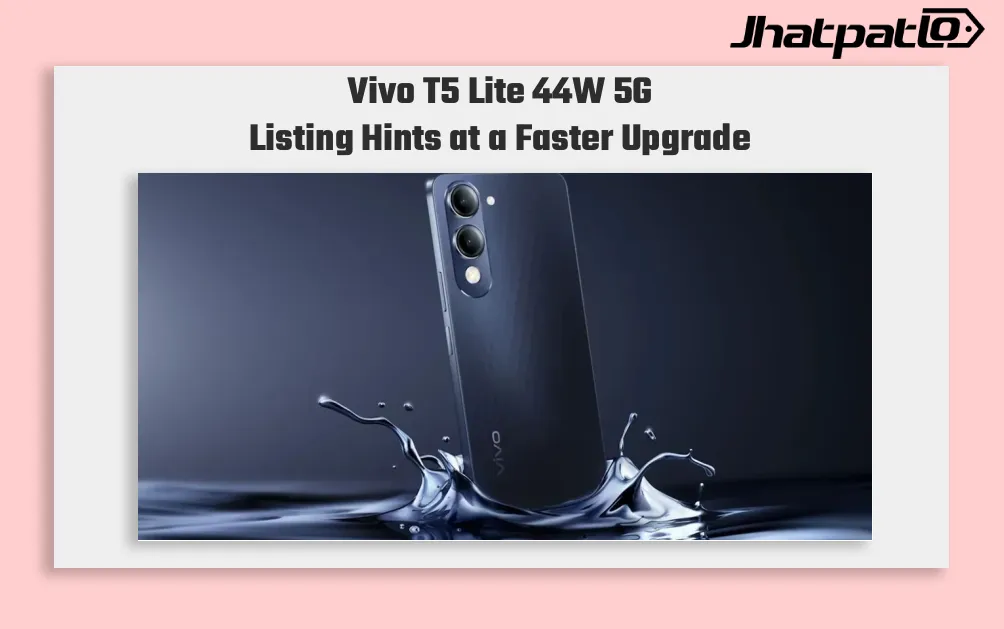
Vivo T5 Lite 44W 5G Appears on Google Play Ahead of India Launch
Vivo T5 Lite 44W 5G Listing Points to India Launch Vivo T5 Lite 44W 5G has appeared on Google Play, which signals that an India launch is drawing closer. The listing confirms the phone’s branding, while the leaked details point to a 6,500mAh battery and 44W charging. The device is being linked...