


5 Budget friendly 3 star split ACs under 28000 that beat the heat without burning cash
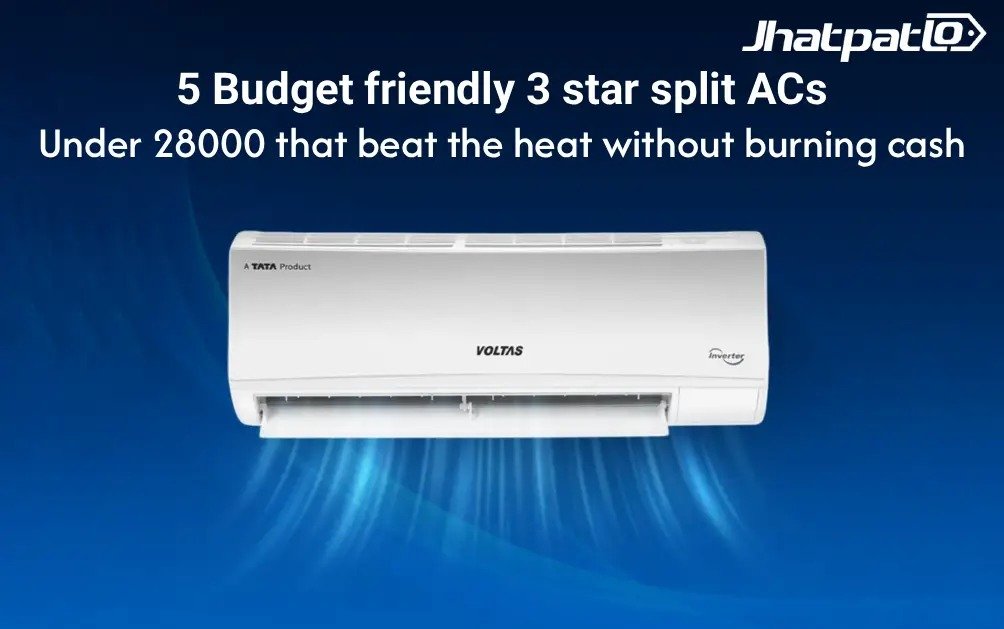
Summer in the city has a way of making even the smallest routine feel annoying. The room gets warm too fast, the fan just pushes hot air around, and suddenly you’re thinking about an AC like it’s not a luxury anymore, but survival. That’s usually where people start looking for something sensible: not the fanciest model, not the most expensive one, just a 5 budget friendly 3 star split ACs under 28000 that cools well without making the electricity bill look dramatic.
If you’re shopping for an AC under 28000, you’re probably trying to balance three things at once: comfort, price, and monthly running cost. And honestly, that’s the tricky part. A cheap AC isn’t always cheap in the long run, and an efficient one isn’t always out of reach. The sweet spot is usually somewhere in the middle, especially for urban homes, small apartments, bedrooms, and living spaces that need reliable cooling without overkill.
Quick Highlights
- 3 star split ACs are a practical middle ground for price and efficiency.
- Under 28000, you can still find decent cooling for smaller urban rooms.
- Look beyond the sticker price and check service, warranty, and power use.
- Inverter technology can make daily use feel noticeably smoother.
- Installation and maintenance matter almost as much as the model itself.
Why 3 star split ACs still make a lot of sense
A lot of people get pulled straight toward 5 star models because, well, who doesn’t want lower power consumption? But here’s the thing: not everyone needs the highest efficiency rating if the room is small, usage is moderate, or the budget has a hard ceiling. A 3 star split AC often hits that practical middle lane. It usually costs less upfront than a 5 star model, while still giving you better efficiency than a basic lower-rated unit.
For a lot of urban homes, that’s enough. Especially if the AC is going into a bedroom or compact living room where you’re cooling a space for a few hours in the evening, not running it all day like a commercial setup. The real win is that you’re not forced to choose between a punishing electricity bill and a summer that feels like a punishment.
Now, not every “budget” AC is actually a bargain. Some look affordable on paper but quietly cut corners in build quality, compressor performance, or after-sales support. So when you’re comparing models, it helps to think beyond the price tag and ask a few very normal questions: How quickly does it cool? Is the brand service network decent in your city? Is the installation going to cost extra? These little things add up faster than people expect.
What matters most when you’re buying under 28000
If your budget is capped, the buying decision gets simpler in a weird way. You can’t chase every premium feature, so the focus shifts to the stuff that actually changes daily comfort. That usually means cooling capacity, inverter technology, energy rating, copper condenser quality, and warranty coverage.
Let’s keep it simple:
- Cooling capacity: Match it to your room size. A smaller bedroom doesn’t need an oversized machine.
- Inverter compressor: Helps the AC adjust power more smoothly, which can feel quieter and more efficient.
- Energy rating: 3 star is a fair compromise for buyers watching both price and bills.
- Copper condenser: Usually preferred because it tends to be easier to maintain and more durable.
- Warranty: A good compressor warranty can save you a headache later.
And yes, features like sleep mode, dust filters, turbo cooling, and self-diagnosis are nice. But they’re the kind of extras that should come after the basics are handled. You don’t want a flashy remote if the AC struggles on a humid night.
Budget friendly 3 star split ACs under 28000: a practical comparison
Since pricing changes often, the numbers below should be treated as an approximate buying range rather than a fixed promise. Still, this kind of comparison helps when you’re narrowing down options for urban homes.
| Model type | Best for | Energy rating | Compressor type | Typical upside | Watch out for |
|---|---|---|---|---|---|
| 1 ton 3 star split AC | Small bedrooms, study rooms | 3 star | Inverter | Lower upfront price, efficient for compact spaces | May struggle in larger or sun-facing rooms |
| 1.5 ton 3 star split AC | Medium bedrooms, urban living rooms | 3 star | Inverter | Better balance for most city homes | Slightly higher running cost than 1 ton |
| Basic feature rich model | Buyers wanting convenience features | 3 star | Inverter | Useful modes and cleaner airflow options | Features can inflate price quickly |
| Value focused mainstream model | First-time AC buyers | 3 star | Standard or inverter | Usually dependable and easy to service | May skip premium add-ons |
That table may look basic, but it reflects the real trade-offs. People often focus so much on tonnage or star rating that they forget the actual living pattern. A 1 ton AC in a hot, west-facing room can feel underpowered. A 1.5 ton unit in a tiny sealed room might be more than you need. So the right choice is less about bragging rights and more about matching the machine to your daily life.
The five things urban buyers should quietly check
There’s a kind of shopping logic that becomes very useful when you’re buying appliances in a city. You don’t need the “best” AC in some abstract sense. You need the one that fits your room, your usage habits, and your service expectations. That’s a much more realistic target.
Here are five things worth checking before you buy:
- Room size and sunlight exposure: A room that gets strong afternoon sun may need more cooling power.
- Electricity usage pattern: If you run the AC every night, inverter efficiency matters more.
- Installation charges: Sometimes a “cheap” AC becomes expensive once fitting costs are added.
- Local service support: A strong service network can save time when something goes wrong.
- Noise levels: Especially important for bedrooms and work-from-home setups.
It’s surprising how often people skip the noise check. But if you’re sleeping next to the unit, or using it during calls, a noisy AC can become a daily annoyance. That’s one of those details you don’t think about at the showroom, and then it suddenly matters every single night.
What you can realistically expect from an AC under 28000
Let’s be honest: at this price, you’re probably not getting a luxury appliance loaded with smart home tricks, voice control, or the most advanced filtration tech. But you can absolutely get a dependable split AC that cools well, runs efficiently enough for regular use, and doesn’t feel like a compromise you’ll regret in two months.
For many urban homes, that’s exactly enough. You get a machine that handles the weather, keeps the room comfortable, and doesn’t make you feel guilty every time you switch it on. And that’s a pretty good outcome for a budget-conscious purchase.
If you’re comparing options online, one thing to keep in mind is that the best deal is not always the lowest listed price. Sometimes a slightly higher-priced model includes better warranty terms, better energy performance, or a more trusted service setup. Those invisible benefits matter more than people admit.
Small features that can make a big difference
There’s a reason people talk about “minor” features after they’ve lived with an AC for a while. Small things become very noticeable once the machine becomes part of everyday life.
For example, a sleep mode can make nights more comfortable by adjusting cooling gradually. A dust filter can be useful if your area gets dusty or if someone at home has mild allergies. A fast cool or turbo mode is handy when you walk into a room that feels like an oven. None of these sounds dramatic, but together they shape how pleasant the AC feels in real use.
That’s why buying an AC is a little like buying shoes. On paper, several pairs may look similar. But once you wear them daily, the one that fits better becomes obvious very quickly.
So, which kind of buyer should look at these models?
If you’re someone who wants a practical, no-nonsense air conditioner for a bedroom, studio apartment, rented flat, or a small family home, then a budget friendly 3 star split AC under 28000 is a very sensible place to start. It’s not the most glamorous category, sure, but it may be the most honest one. You pay for cooling that works, not for features you’ll barely touch.
That said, if your room is very large, receives intense sunlight, or you run the AC for long hours every day, you may want to stretch the budget a little or consider a more efficient rating. Sometimes spending a bit more now saves frustration later. That’s not flashy advice, but it’s usually true.
At the end of the day, the best AC is the one that fits your space and your routine without turning into a maintenance headache. And if it helps you get through a brutal city summer with a little more peace, that already feels like a win, doesn’t it?
So before you click buy, take one more look at the room, the usage pattern, and the service details. The right choice is often less about chasing the newest model and more about avoiding the wrong one.
Related Products



Acer Aspire 5 AI Launches in India at Rs 79,999 With Core Ultra Chips
Acer brings Aspire 5 AI to India at a starting price of Rs 79,999 Acer Aspire 5 AI Launches in India, with pricing starting at Rs 79,999. The laptop comes with Intel Core Ultra H-series processors, up to Core Ultra 7, along with up to 32GB LPDDR5 RAM and 1TB SSD storage. The new model is built...

Amazon Great Summer Sale Teases Galaxy S25 Ultra at Rs 94,999
Amazon Great Summer Sale Teasers Ahead of May 8 Start Amazon has started teasing smartphone deals for its Great Summer Sale, which begins on May 8, with one of the biggest highlights being the Samsung Galaxy S25 Ultra at a claimed Rs 94,999. The listed price is below the phone’s current...

Philips Expands India Audio Push With Soundbars Starting at Rs 3,499
Philips Broadens Soundbar Range In India Philips Soundbar Launch in India, with prices starting at Rs 3,499 and going up to Rs 11,999 online. The lineup spans entry-level 2.1 systems and a 600W 5.1 setup, giving the company a wider push across affordable home audio categories. The compa...
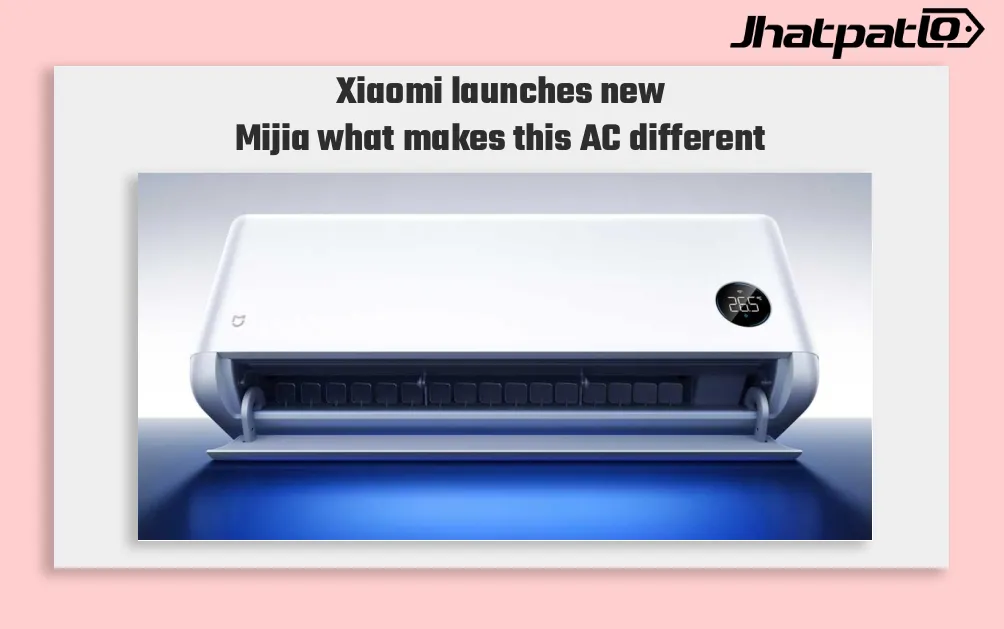
Xiaomi Launches Mijia Air Conditioner Powerful Air Pro 1.5 HP in China
Xiaomi launches Mijia Air Conditioner Powerful Air Pro 1.5 HP in China Xiaomi launches new Mijia Air Conditioner Powerful Air Pro 1.5 HP (Super Level 1 Energy Efficiency) in China, adding a new flagship model to its smart home lineup. The company says the unit is built for rapid cooling and h...

Realme 16T Sale Starts in India With 8000mAh Battery and Rs 29,999 Price
Realme 16T Goes on Sale in India Realme 16T has gone on sale in India starting at Rs 29,999, with the phone’s 8,000mAh battery becoming its main selling point. The device enters the mid-range market with a clear focus on endurance, while the MediaTek Dimensity 6300 chipset leaves a visible tr...

Vivo T5 Lite 44W 5G Appears on Google Play Ahead of India Launch
Vivo T5 Lite 44W 5G Listing Points to India Launch Vivo T5 Lite 44W 5G has appeared on Google Play, which signals that an India launch is drawing closer. The listing confirms the phone’s branding, while the leaked details point to a 6,500mAh battery and 44W charging. The device is being linked...