


5 Best Snapdragon 8 Gen 3 Phones Worth Buying in 2026
.webp)
Flagship phones don’t get cheaper just because a new chip shows up. That’s why the Snapdragon 8 Gen 3 still matters in 2026: if you pick the right phone, you can get top-tier performance without paying the newest-model premium. And honestly, that’s where things get interesting.
What used to feel like last year’s hot hardware now looks a lot more practical. Some of these phones are still genuinely excellent. Others are better value than the latest release by a long shot. So if you’re trying to figure out which one still makes sense, you’re in the right place.
Quick Highlights
- Best all-around pick: Samsung Galaxy S24 Ultra
- Best camera-first option: Xiaomi 14 Ultra
- Best value balance: OnePlus 12
- Best gaming phone: RedMagic 9S Pro+
- Most underrated all-rounder: Honor Magic 6 Pro
Introduction
The chip is no longer new, but that almost feels like the point now — these phones are where the value starts to look strange in a good way. A brand-new flagship can cost a lot more for a jump in performance you may barely notice day to day. With the Snapdragon 8 Gen 3, you’re often getting the kind of speed, battery efficiency, and AI features that still feel very current, just without the fresh-launch tax.
And that matters more in 2026 than it did at launch. Phones age unevenly. Some lose their shine fast because the software support is weak or the hardware feels dated. Others stay easy to recommend because they were built well in the first place. That’s really the story here.
| Phone | Main Strength | Best For | Why It Still Matters |
|---|---|---|---|
| Samsung Galaxy S24 Ultra | All-around polish | Most people | Long support, great cameras, premium feel |
| Xiaomi 14 Ultra | Camera hardware | Photo lovers | Serious imaging and fast charging |
| OnePlus 12 | Value balance | Smart buyers | Fast, smooth, and usually cheaper |
| Honor Magic 6 Pro | Battery and camera | Underrated premium picks | Strong specs with less hype |
| RedMagic 9S Pro+ | Gaming performance | Mobile gamers | Cooling and sustained frame rates |
Samsung Galaxy S24 Ultra
The Samsung Galaxy S24 Ultra is the obvious anchor pick, and that’s not a bad thing. It’s the kind of phone that feels complete from almost every angle. Big screen? Yes. Excellent cameras? Yes. Strong battery life, long software support, and a premium build that still feels expensive in the right way? Also yes.
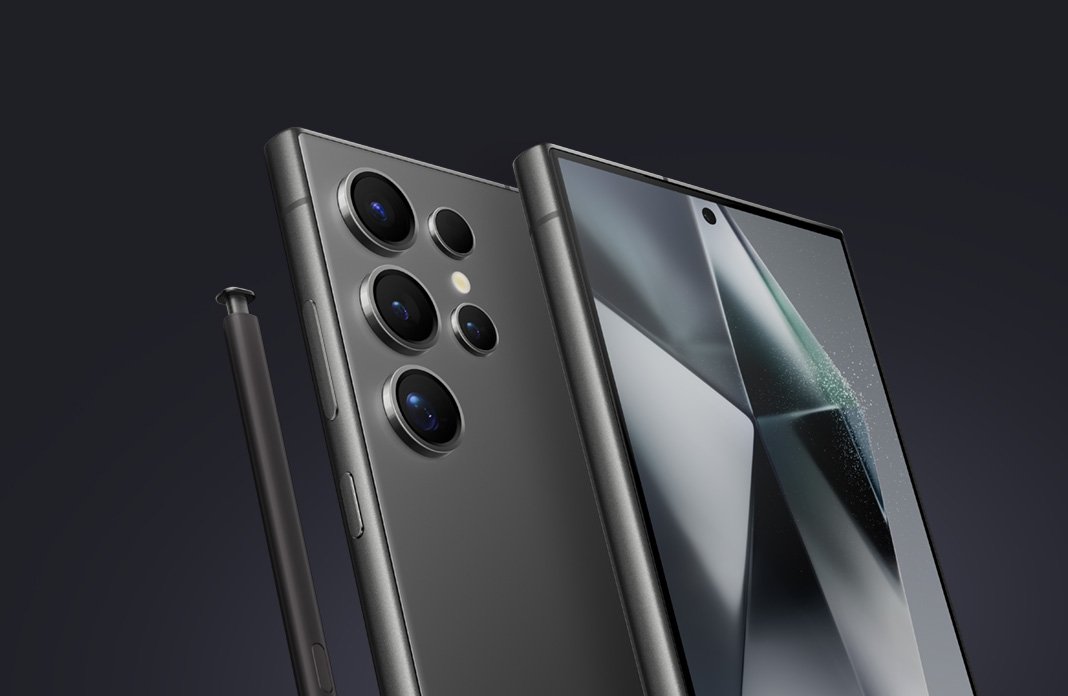
If you’re the sort of person who doesn’t want to overthink it, this is the easiest Snapdragon 8 Gen 3 phone to recommend. It’s not the cheapest, of course, but it makes a strong case for itself because it covers so many bases. You get the polished software experience Samsung has spent years refining, and you get hardware that doesn’t really seem tired just because time has moved on.
- Display: 6.8-inch Dynamic AMOLED 2X, QHD+, 120Hz
- Chipset: Snapdragon 8 Gen 3
- Camera: 200MP main sensor with versatile zoom setup
- Battery: 5,000mAh
- Software support: Long-term updates
- Build: Premium glass and metal design
What really keeps it relevant is that it doesn’t force you into a niche. It’s great for work, travel, photos, watching video, and just general life stuff. If you’ve ever used a phone that was good at one thing but annoying everywhere else, you’ll appreciate how easy this one is to live with. That’s a bigger deal than it sounds.
Xiaomi 14 Ultra
The Xiaomi 14 Ultra is where the list gets a little more interesting. This is the phone for someone who looks at a flagship and thinks, “Okay, but can it actually do something special?” In Xiaomi’s case, the answer is usually camera hardware. A lot of camera phones talk big. This one has the specs to back it up.
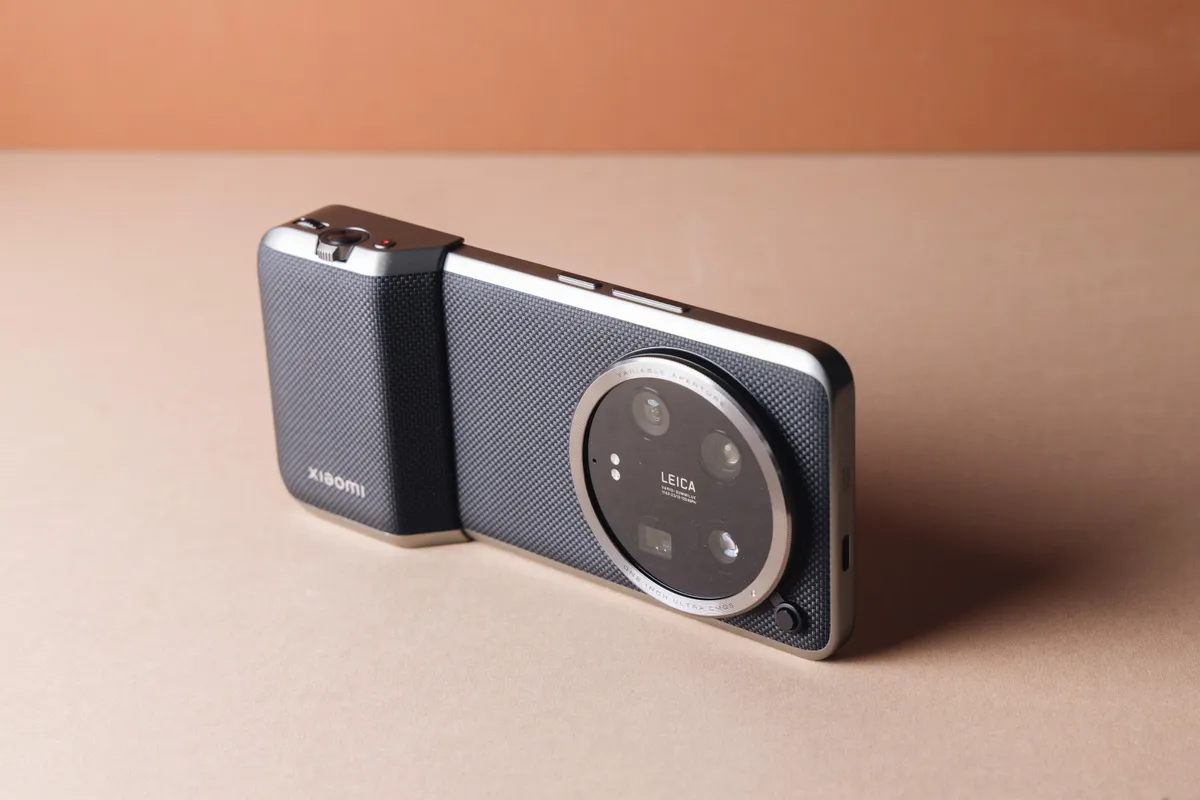
It’s a strong reminder that the Snapdragon 8 Gen 3 isn’t just for safe, mainstream flagships. It can also sit inside a phone that feels almost camera-first without becoming awkward to use. That balance matters. You don’t want a device that takes amazing shots but feels clunky everywhere else. The Xiaomi 14 Ultra avoids that trap better than most.
- Display: 6.73-inch LTPO AMOLED, QHD+, 120Hz
- Chipset: Snapdragon 8 Gen 3
- Camera: Leica-tuned quad camera system
- Charging: 90W wired, 80W wireless
- Battery: 5,000mAh
- Focus: Photography and fast top-ups
Now, that doesn’t mean it’s only for camera nerds. The charging is fast enough that the battery story feels less stressful, and the display is beautiful in the way you’d expect from a serious flagship. If you want a phone that feels a little more exciting than the usual all-rounder, this one has real personality. And sometimes that’s what makes a phone stay memorable after the spec sheet blur fades.
OnePlus 12
The OnePlus 12 is probably the easiest phone on this list to like if you care about value. It’s fast, smooth, and doesn’t waste your time. That sounds simple, but a lot of phones miss that feeling. They may be technically impressive, yet still somehow annoying to use. The OnePlus 12 doesn’t do that.
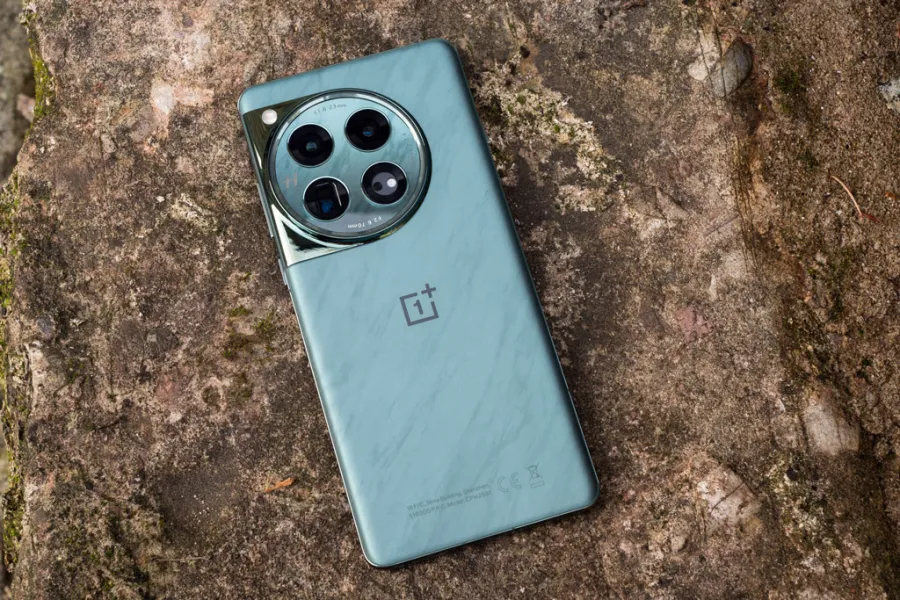
It’s a very sensible Snapdragon 8 Gen 3 choice because it hits the sweet spot between premium hardware and a price that usually feels less painful than the top-tier competition. You get a big display, strong battery life, fast charging, and performance that doesn’t need excuses. It’s not trying to be dramatic. It just works well.
- Display: 6.82-inch LTPO AMOLED, QHD+, 120Hz
- Chipset: Snapdragon 8 Gen 3
- Camera: Hasselblad-tuned triple camera setup
- Battery: 5,400mAh
- Charging: 100W wired, 50W wireless
- Software: Clean, fast-feeling OxygenOS experience
And here’s the thing: not everyone wants the phone that wins the most spec-sheet debates. Some people just want the one that feels quick every time they pick it up and doesn’t punish them later with weak battery or awkward software. That’s where the OnePlus 12 makes a lot of sense, especially if you’re shopping with a budget in mind but still want something that feels flagship-level.
Honor Magic 6 Pro
The Honor Magic 6 Pro doesn’t always get talked about as loudly as the bigger names, which is a shame because it has the kind of hardware that quietly grabs your attention. The camera setup is serious, the battery is strong, and the overall package looks a lot more expensive than many people expect when they first hear the name.
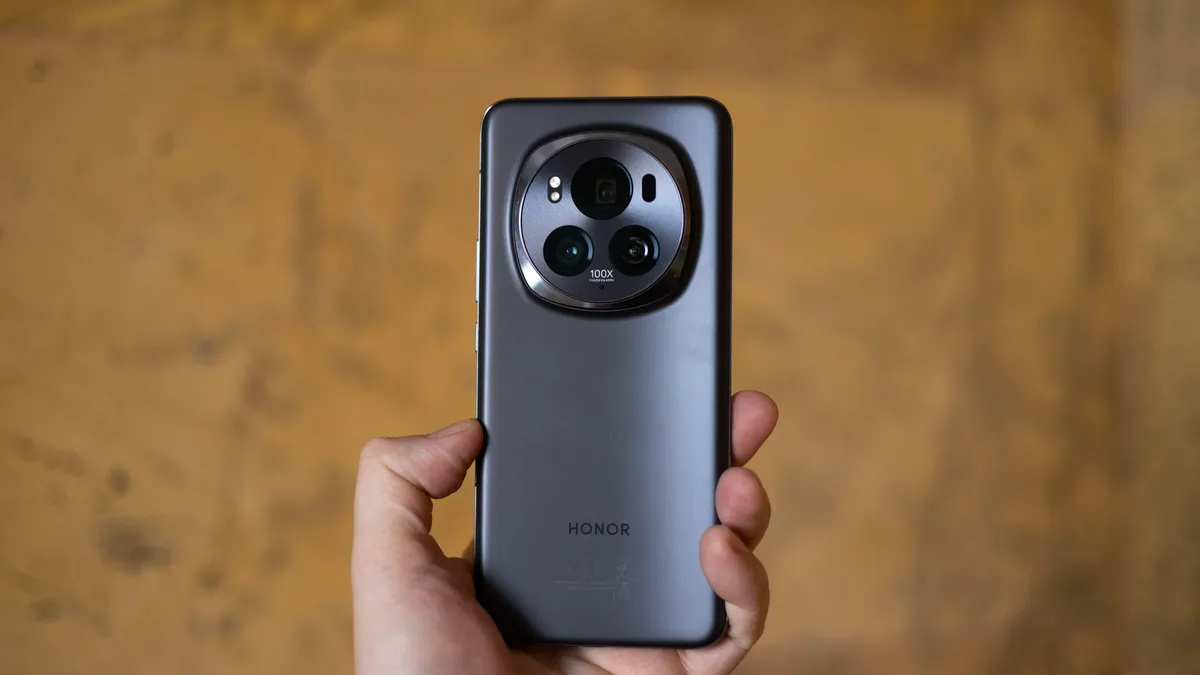
This is one of those phones that rewards a second look. On paper, it can feel like it belongs in the same conversation as the more obvious premium models, and in daily use that’s not far off. It’s the sort of device you buy when you want flagship performance but don’t necessarily want the same old mainstream choice.
- Display: 6.8-inch LTPO OLED, FHD+, 120Hz
- Chipset: Snapdragon 8 Gen 3
- Camera: High-end main camera with strong zoom capability
- Battery: Large-capacity cell for all-day use
- Charging: Fast wired charging support
- Focus: Quietly premium all-round performance
If you’ve ever wanted a phone that feels a little under the radar but still very capable, this is a good place to land. The Honor Magic 6 Pro doesn’t need a lot of hype to make sense. It just needs the right buyer — someone who values strong battery life, solid camera performance, and a premium feel without needing the loudest brand name on the box.
RedMagic 9S Pro+
The RedMagic 9S Pro+ is the outlier here, and that’s exactly why it belongs on this list. It’s built for people who care more about cooling, frame rates, and sustained performance than everyday elegance. If that sounds niche, well, it is. But for the right user, it’s the most honest kind of phone.
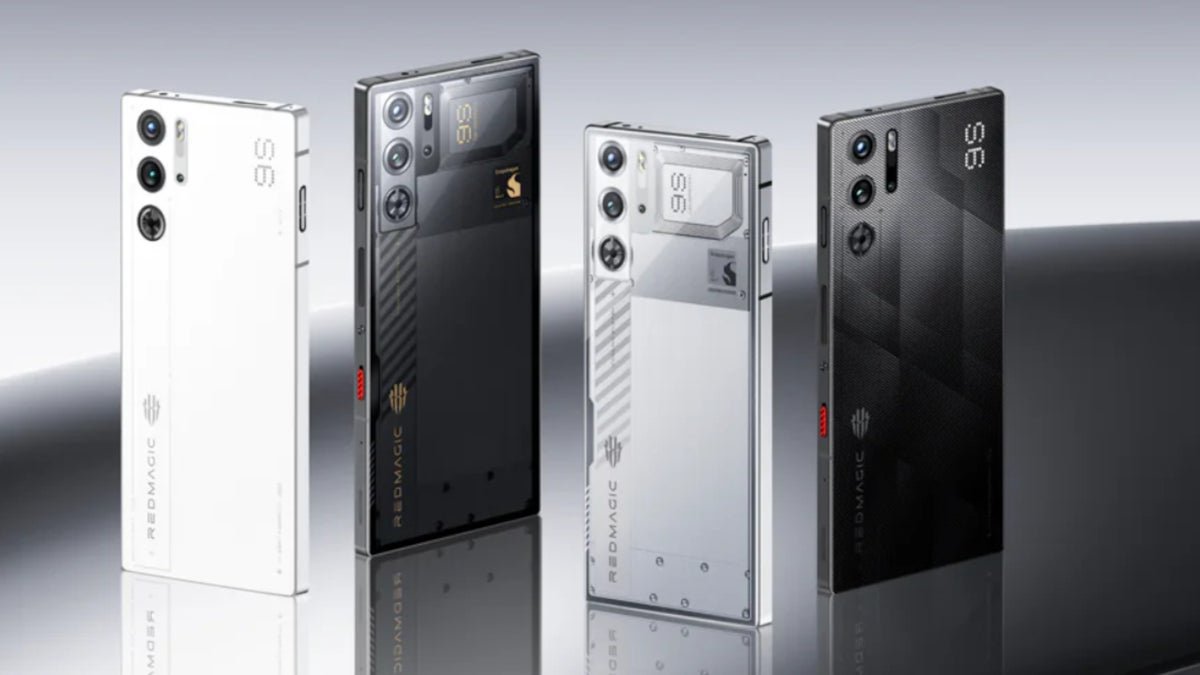
Gaming phones often make one big promise: they’ll stay fast when other phones start to slow down. That’s the whole game here. The Snapdragon 8 Gen 3 already brings strong raw power, but RedMagic pairs it with aggressive cooling and gaming-focused tuning so performance holds up better under pressure. If you spend a lot of time gaming, that matters more than glossy design.
- Display: 6.8-inch AMOLED, 120Hz
- Chipset: Snapdragon 8 Gen 3
- Cooling: Active gaming-focused thermal design
- Battery: Large battery for long sessions
- Charging: Very fast wired charging
- Focus: Sustained gaming performance
Of course, this isn’t the phone for everyone. It’s more specialized, and you can feel that in the design and overall approach. But if gaming is a real priority, not just something you do once in a while, the RedMagic 9S Pro+ makes a very clear argument. It’s unapologetic, and honestly, that’s refreshing.
FAQ
A few quick questions about why these phones still matter, and where the Snapdragon 8 Gen 3 fits now.
Q: Is the Snapdragon 8 Gen 3 still worth buying in 2026?
Yes, especially if the phone is discounted and the rest of the hardware still holds up well. A strong display, good battery life, and decent software support matter just as much as the chipset itself, and that’s why the Snapdragon 8 Gen 3 still makes sense for a lot of buyers.
Q: Which Snapdragon 8 Gen 3 phone is best overall?
The Galaxy S24 Ultra is the safest all-around pick because it feels the most complete. It’s the one that does almost everything well without pushing you into a narrow use case.
Q: Which one is best for gaming?
The RedMagic 9S Pro+ is the clear performance-first option. If you care about cooling and sustained frame rates, that’s the one that’s built with your priorities in mind.
Q: Which phone offers the best value?
The Xiaomi 14 Ultra and OnePlus 12 both make a strong case depending on what matters more to you. If you want more camera ambition, go Xiaomi. If you want a smoother value play, OnePlus is the easier pick.
Conclusion
The Snapdragon 8 Gen 3 may be aging, but these phones make that age look more like an opportunity than a problem. If the pricing is right, the chip is still plenty serious. And that’s the real takeaway here: in 2026, you don’t always need the newest silicon to get a phone that feels fast, capable, and genuinely satisfying to use.
So if you’re shopping smart, not just shopping new, this is a very good place to be looking.
Related Products


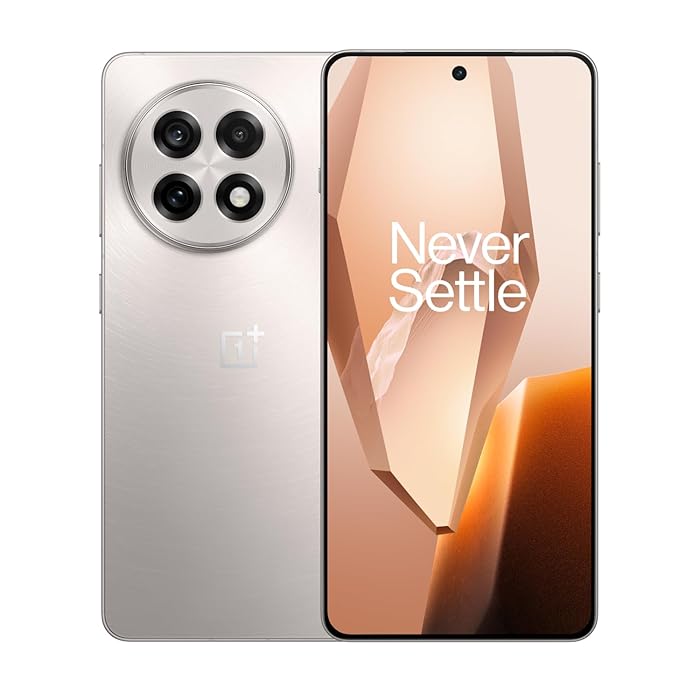



Snapdragon 8 Elite Gen 5 Variant Could Bring Cheaper Premium Phones
Snapdragon 8 Elite Gen 5 variant leaks suggest Qualcomm’s SM8850-1-AB could land in phones under 4,000 yuan. Early Geekbench 6 results put it close to the main chip, which matters for value flagship phones 2026 and the upper mid range premium phones market. SM8850-1-AB Benchmark Leak Show...
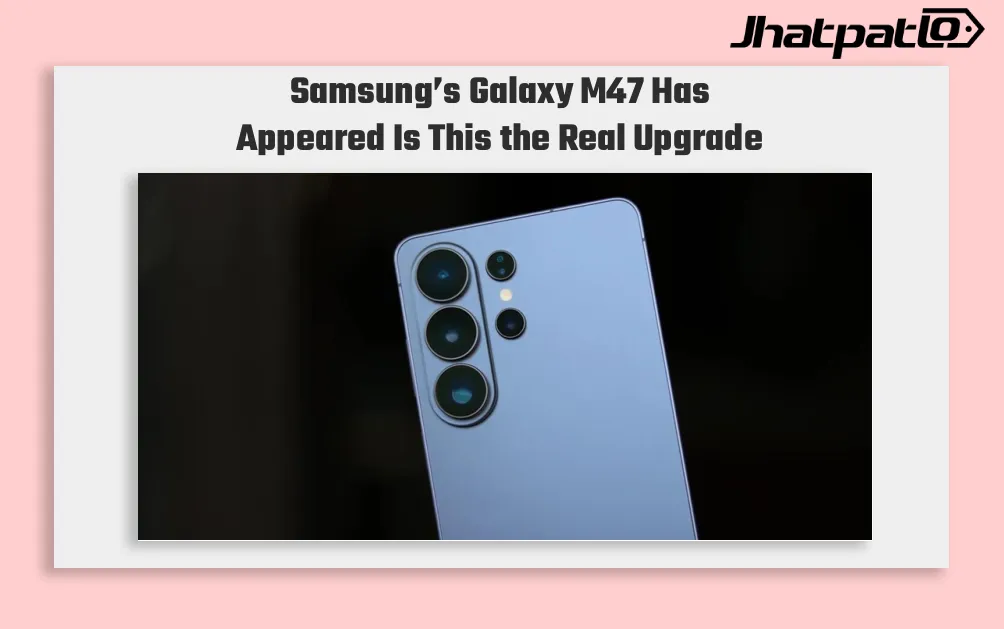
Samsung Galaxy M47 Leak Shows Snapdragon 6 Gen 3 and Android 16
Samsung’s Galaxy M47 has appeared on Geekbench with a Snapdragon 6 Gen 3 chipset, 8GB RAM, Android 16 and One UI 8, according to the leak. The benchmark listing is the clearest early sign yet of the phone’s hardware direction before launch. Galaxy M47 Leak Confirms Samsung’s Hardware Directio...
Qualcomm's Snapdragon 8 Gen 6 Pro Reportedly Priced Higher, Tipster Claims
Primary development A Weibo post by tipster Digital Chat Station claims Qualcomm's next-generation flagship chipset, codenamed SM8975, will be “extremely expensive” and marketed as the Snapdragon 8 Gen 6 Pro. The post says the chip will be built on Taiwan Se...

Snapdragon 8 Elite Gen 6 Launch Confirmed for Sept. 22
Qualcomm has locked in September 22 for its next Snapdragon 8 Elite Gen 6 reveal, and the teaser points to a second high-end chip as well. For Android flagship buyers and phone makers, that means two tiers at the top end of 2026 devices, with the Pro version now part of the conversation....
Xiaomi 18 Uses Snapdragon 8 Elite Gen 6 in Base Model and Gen 6 Pro in Pro Variants
There is anticipation building for Xiaomi’s next flagship line due to launch late in 2021. A recent leak from China has revealed what looks like have two different chipsets. The regular model will be based on the Snapdragon 8 Elite Gen6 while both Pro models will use the Qualcomm Snapdrago...
Snapdragon 8 Elite Gen 6 Pro leak points to SM8975 2nm specs
Qualcomm’s next flagship chip talk is getting more specific, and the latest leak points to SM8975, a 2nm Snapdragon part with an Oryon CPU layout, large shared cache, and a new Adreno GPU. For Android buyers and hardware watchers, the interesting part is not just peak speed. It is how Qualcomm may s...