


Android vs Refurbished iPhone in India (2026): Which Should You Buy?
Introduction
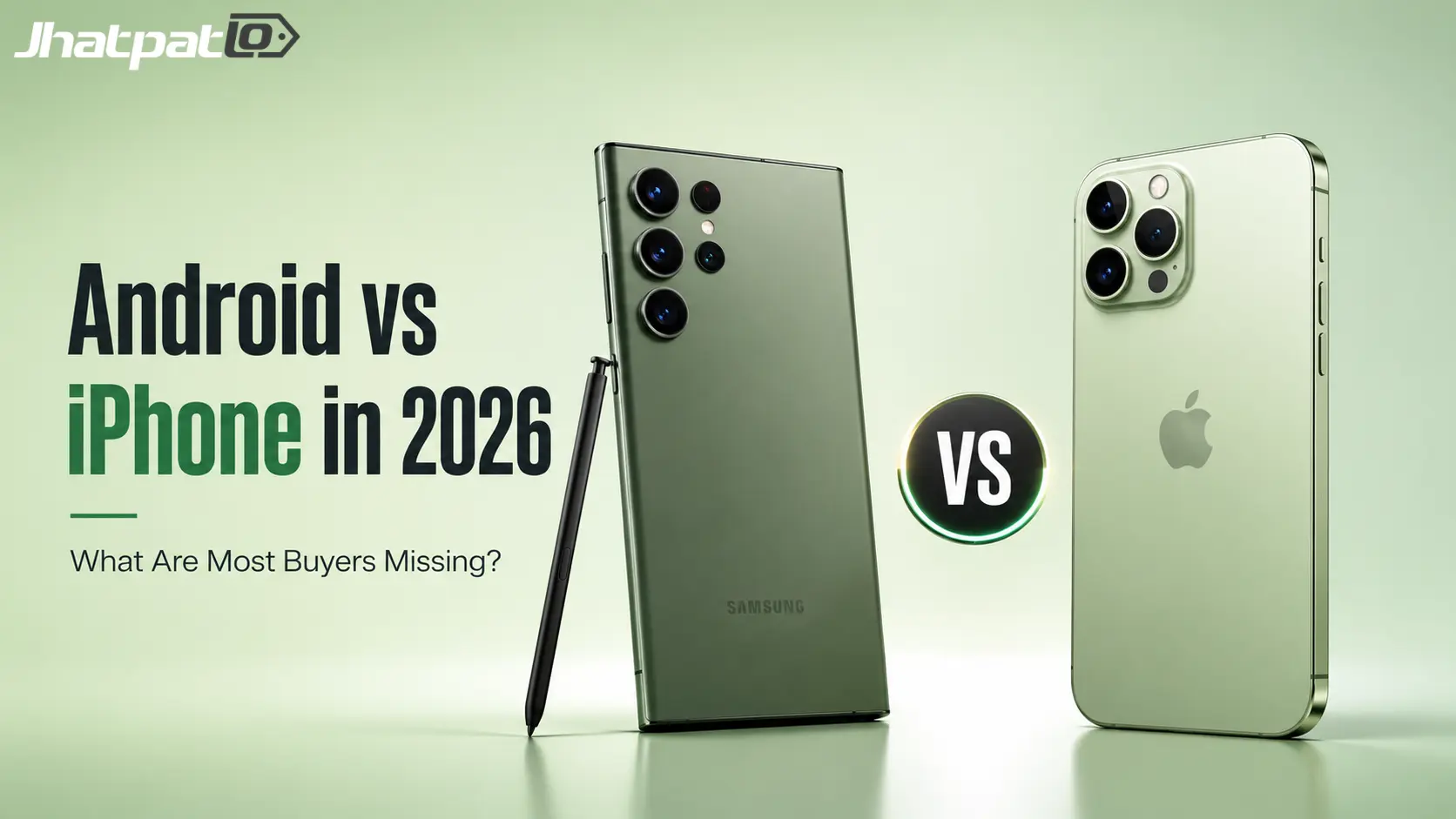
The newest reason people keep circling back to Android vs iPhone in 2026 is the refurbished iPhone in India market, where premium hardware suddenly sits much closer to mid-range budgets.
That changes the whole argument: the question is less about what’s aspirational, and more about what still makes sense after a few years of use.
Quick Highlights
- Android gives you the widest price range.
- Refurbished iPhones make Apple far more reachable.
- iPhone usually wins on long-term value.
- Android still wins on choice and charging speed.
And honestly, that’s why the debate feels more practical now. A few years ago, it was easy to say “iPhone is expensive” and move on. But in 2026, with certified refurbished options becoming mainstream, the conversation gets a lot more interesting. You’re not just choosing a logo. You’re choosing how much you want to spend upfront, how long you want to keep the phone, and how much frustration you’re willing to live with later.
Android vs iPhone in India 2026 price comparison
Price is where this comparison gets blunt, because the same budget can mean a very different phone depending on which side you land on.
Android stretches from entry-level to ultra-premium, while iPhone pricing still begins at a point that forces a decision before the rest of the spec sheet even matters.
What the numbers quietly suggest
The spread is wide enough to change the whole market dynamic: one side covers ₹8,000 to ₹1,30,000+, the other starts around ₹70,000 unless refurbished devices bring it back into reach.
- Android entry level: ₹8,000–₹15,000
- Android mid range: ₹18,000–₹35,000
- Android flagship: ₹50,000–₹1,30,000+
- New iPhone base models: around ₹70,000
- Pro iPhones: above ₹1,20,000
- Refurbished iPhones: often 30%–60% lower
| Segment | Android | iPhone |
|---|---|---|
| Entry point | ₹8,000–₹15,000 | ~₹70,000 |
| Upper end | ₹1,30,000+ | ₹1,20,000+ |
| Used-value angle | Discounts fast | Refurbished market keeps it reachable |
That table basically tells the story on its own. In India, Android can match almost any budget, from a starter phone for students to a premium device for power users. iPhone, on the other hand, usually asks for a bigger commitment unless you’re buying refurbished. That’s why the phrase refurbished iPhone in India matters so much now. It’s not just a savings trick. It’s what makes the brand part of the realistic shopping list for a lot more people.
So when someone says, “What’s better?” they often really mean, “What can I actually afford without regretting it later?” And that’s a fair question. Because if your budget is tight, a good Android can be the obvious answer. But if you can stretch into the refurbished space, the answer starts to shift.
The part people really mean when they say “better phone”
Performance sounds technical, but it usually becomes a gut feeling: one phone feels steady year after year, another feels powerful only if you pay enough for it.
That’s where Apple’s hardware-software control matters, and why mid-range Android devices can behave so differently from flagship ones.
Speed, RAM, and the illusion of raw specs
iPhones often do more with less memory because iOS is tightly tuned, while Android phones need stronger specs to avoid uneven performance.
High-end Android can absolutely compete, but the experience depends heavily on the model, which makes the category less predictable than it looks on paper.
Here’s the thing: a spec sheet can fool you if you don’t know how to read it. More RAM sounds better, bigger numbers sound better, and faster processors obviously sound better. But in real life, the phone that feels smooth is the one where the software and hardware work together properly. iPhones are famous for this because Apple controls the whole stack. The result is less drama. Apps open quickly, animations feel clean, and even older phones tend to hold up better than you’d expect.
Android is broader, though, and that’s both its strength and its weakness. A ₹20,000 Android phone may be excellent for everyday tasks, but it can also stutter sooner if the brand cuts corners on optimization. A flagship Android, especially one from a top-tier brand, can be fantastic. But now you’re paying serious money. At that point, the comparison starts looking less like “cheap Android versus expensive iPhone” and more like “which premium phone gives me the smoother life for the next three years?”
If you’ve ever used a phone that felt fast on day one and weirdly tired after a year, you already know what this means. The issue isn’t always raw power. It’s consistency. And consistency is where iPhone has historically had the edge.
Camera choices split into two very different kinds of “good”
The camera debate is less about which one wins and more about what kind of image you trust.
Android usually chases range and experimentation; iPhone usually lands on consistency, especially when the shot has to hold up in real life, not just in a spec comparison.
Where each side keeps pulling ahead
For an iPhone camera for creators, the appeal is stable video, natural colour and fewer surprises. Android still has the edge when the brief is zoom, ultra-wide flexibility, or aggressive AI processing.
- Android strengths: zoom, ultra-wide, high-megapixel detail, AI enhancements
- iPhone strengths: Colour accuracy, video stability, low-light consistency, cinematic modes
This is one of those areas where the “better” phone depends a lot on your habits. If you mostly shoot family photos, food pictures, quick travel clips, and social media content, both can do a good job. But they don’t do it the same way.
Android tends to give you more experimentation. You’ll see phones advertising massive megapixel counts, periscope zoom lenses, and all sorts of computational photography tricks. Sometimes that’s brilliant. Sometimes it’s a bit much. You get a sharp, punchy picture that looks exciting in the gallery, but maybe not as natural in everyday use.
iPhone usually takes a steadier route. The colors look believable. The video feels stable. Skin tones are less likely to surprise you. For people who edit less and want the shot to look right immediately, that matters a lot. It’s not about showing off on a spec sheet. It’s about trust. You press record, and the phone just behaves.
Now, if you’re into zoom photography or like having more lens variety without going into pro-camera territory, Android still has a real advantage. Some of the best Android flagships are genuinely impressive here. And if you like the feel of an image that gets boosted a little—brighter, sharper, more dramatic—Android often leans into that style very well.
So the camera question isn’t “Which one is best?” It’s “Which kind of output do you enjoy looking at every single day?” That answer is different for different people, and that’s why both camps keep winning arguments in their own way.
If camera quality matters more to you, check our detailed guide on Best Camera Phones Under ₹30,000 in India (2026) to compare real-world photography performance.
Why battery life, charging, and software updates decide the argument late?
These are the less glamorous reasons people end up happy or annoyed months later.
Android vs iPhone in 2026 battery life is not just about endurance; it’s also about how fast you can recover from a dead battery, and whether the phone still feels fresh after years of updates.
The trade-off is obvious, but not equal
Android offers faster charging and bigger batteries; iPhone offers steadier battery behavior and stronger long-term support. The winner depends on whether your pain point is daily charging or long-term aging.
| Factor | Android | iPhone |
|---|---|---|
| Charging speed | Often 65W, 80W, 120W | Slower |
| Battery consistency | Varies by brand | More stable over time |
| Updates | 2–5 years depending on model | 5 years or more |
Battery life is one of those things you stop thinking about only when it’s good. When it’s bad, it becomes the whole phone. Android often solves the anxiety with bigger batteries and faster charging. That means you can top up quickly and move on with your day. If you’re always out, always commuting, or just forgetful about charging overnight, that’s a very real benefit.
iPhone does it differently. The charging may feel slower, but the battery behavior is usually more predictable, and the software tends to stay well optimized over time. That means the phone ages more gracefully, which becomes important if you’re keeping it for three, four, or five years.
And updates? That’s where iPhone quietly pulls ahead in a way that buyers often underestimate at first. A phone isn’t just the hardware you hold today. It’s also the software support it gets tomorrow. Once updates dry up, apps can start feeling clunky, security gets weaker, and the phone starts looking older even if the screen still looks fine.
So if your biggest frustration is that you hate waiting around for a charge, Android probably feels better. If your bigger worry is whether the phone will still feel dependable in a few years, iPhone starts making more sense.
What actually changes when you keep the phone for years
This is where long term software support stops being a feature and starts becoming the main reason people choose one ecosystem over the other.
Resale value, security, ecosystem fit, and even the refurbished market all lean on the same thing: whether the phone is still worth trusting after the launch cycle has moved on.
Security, resale value, and the quieter advantages
iPhone resale value in India stays stronger because demand remains high, update support lasts longer, and used units don’t age as abruptly. Android can still be a smart buy, but depreciation hits harder and sooner.
- iPhone: Stronger privacy defaults, faster security patches, better retention
- Android: More Customization, broader brand choice, uneven patch timing
- Refurbished iPhones: The middle path that keeps showing up in buyer decisions
This is one of the most overlooked parts of the whole Android vs iPhone discussion. People often focus on the launch experience, but the real cost of ownership shows up later. A phone that’s cheaper on day one can become expensive if it loses value fast, ages poorly, or stops getting meaningful support.
That’s why iPhone resale value in India keeps coming up in buyer conversations. Even after a couple of years, iPhones often sell for enough money that the total cost feels more reasonable than it first looked. In plain English, you’re not just buying a phone. You’re buying a device that holds its worth better.
Android is different. There’s more variety, and that variety is great. You can choose a brand that suits your needs, customize the phone more deeply, and sometimes get excellent hardware for less money. But depreciation can be rough. The moment a newer model launches, older Android phones often lose value faster than people expect.
There’s also the security side. iPhones usually get faster, cleaner updates across the board. Android updates are better than they used to be, but the timing still varies a lot by brand. If you’re the kind of person who keeps a phone for years without thinking much about the software side, this matters more than you may realize.
And then there’s the middle path: refurbished iPhones. That’s where a lot of smart buyers are landing now. You get more of Apple’s long-term value story without paying the new-device premium. It’s not perfect, and you do need to buy carefully, but for many people it’s the most balanced option on the table.
Is refurbished iPhone worth it in India?
A refurbished iPhone in India can be worth it in 2026, but only if you look at it as a value purchase rather than a budget shortcut. The main advantage is that you get access to Apple’s ecosystem, long software support, and strong performance at a significantly lower price than a new device.
That’s the heart of it. A refurbished phone isn’t automatically a bargain just because it’s cheaper. It’s a bargain only if the condition is good, the battery is healthy, the device is properly certified, and the seller is trustworthy. If those pieces are in place, the value can be excellent. If not, the savings can disappear quickly.
There’s also a psychological part people don’t talk about enough. Buying a refurbished iPhone feels like stepping into a premium experience without paying the full entrance fee. You still get the design, the app ecosystem, the camera consistency, and the smoother update cycle. For a lot of buyers in India, that’s the sweet spot.
But it’s not for everyone. If you want the newest battery tech, the fastest charging, and the freedom to switch phones often without caring about resale, Android can still be the easier and more comfortable choice. On the other hand, if you want one phone to stay relevant longer and you’re okay with checking a few extra details before purchase, refurbished Apple hardware becomes genuinely compelling.
So, is it worth it? Yes, for the right buyer. The key is to stop thinking of it as a compromise and start thinking of it as a smarter route into a premium ecosystem.
FAQ
These are the smaller doubts that usually come up once the main comparison starts to settle.
Q: Which is better for long term use in India, Android or iPhone?
iPhone usually wins on longevity because of longer software support, steadier performance, and stronger resale value.
Q: Are refurbished iPhones a good option in 2026?
Yes, if they’re certified and backed by warranty. They now sit in a price zone where the value proposition is hard to ignore.
Q: Which phone offers better value for money?
Android is better for low upfront cost, but a refurbished iPhone can be better value if you care about durability and resale.
Q: Which is better for gaming, Android or iPhone?
High-end Android phones can offer more aggressive gaming features, while Pro iPhones tend to deliver more stable sustained performance.
Conclusion
If the question is Android vs iPhone in 2026, the clean answer is that Android wins on range and flexibility, while iPhone wins on longevity, consistency, and resale value.
For many buyers, the real decision in 2026 isn’t new Android versus new iPhone at all; it’s whether a refurbished iPhone in India gives them the premium route without the premium waste.
And that’s probably the most honest way to look at it. If you want the widest choice and the most control over your budget, Android still makes a lot of sense. If you want a phone that stays smoother for longer and keeps more value in your pocket later, iPhone is hard to beat. But if you want the middle ground that feels surprisingly practical, the refurbished path is the one worth watching closely.

Aman Dixit
✉ aman79dixit@gmail.comRelated Products



Apple Starts Refurbished iPhone 16 Lineup With Discounted Prices
Apple has begun selling officially refurbished versions of the iPhone 16, iPhone 16 Plus, iPhone 16 Pro, and iPhone 16 Pro Max. Refurbished units carry discounts of 12% to 22% compared with the current new pricing for the iPhone 16 and 16 Plus, while Pro and Pro Max models are priced against their o...
Apple iPhone Shipments in India Hit Record Year in 2025
iPhone Shipments Surge in IndiaApple is said to have recorded its strongest year yet in India. According to market data from Counterpoint Research, TechCrunch reports that Apple's iPhone shipments in India rose sharply in 2025, driving its market share to a record 9 percent, up from about 7 percent...
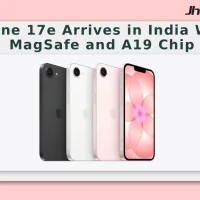
iPhone 17e Arrives in India With MagSafe and A19 Chip
Apple on Monday unveiled the iPhone 17e, the most affordable model in the iPhone 17 lineup, in India and other markets. The device adds the A19 chip, MagSafe support, and Ceramic Shield 2 display protection while sticking to a 6.1-inch OLED with a 60Hz refresh rate and a notch. The base mo...
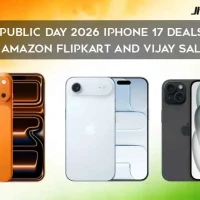
Republic Day 2026 iPhone 17 Deals at Amazon Flipkart and Vijay Sales
iPhone 17 Deals Across Major RetailersAs Republic Day sales began, shoppers are watching discounts on flagship phones, especially the Apple iPhone 17. This year's promotions at Amazon, Flipkart and Vijay Sales mix aggressive pricing with bank offers and exchange bonuses.Vijay Sales offers: iPhone 17...
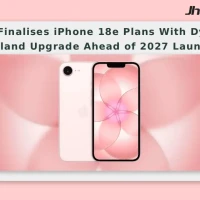
Apple Finalises iPhone 18e Plans With Dynamic Island Upgrade Ahead of 2027 Launch
iPhone 18e Launch Apple is reportedly finalising plans for the iPhone 18e, the next generation entry level smartphone in its lineup. A tipster on Weibo says Apple has locked in development plans for the handset even before the iPhone 17e is publicly available. The post from the ti...
Refurbished Phone Prices Rise as Smartphone Shipments Fall 6% in Q2
Refurbished phone prices are rising as global smartphone shipments fell 6% in Q2 2026, while new device costs climbed on memory shortages. FDM CCS Insight says new phones were 13% pricier quarter on quarter, and that is pushing more budget buyers toward the secondary market. The shift is...