


Best Camera Phones Under Rs 30000 That Don’t Just Look Good on Paper

Most people still shop for cameras by chasing megapixels, and that’s exactly where the confusion starts. In 2026, the Best camera phones under Rs 30000 are not the ones with the biggest number on the box. They’re the ones that actually handle skin tones well, keep details steady in mixed light, and don’t fall apart when you switch from daylight to indoor shots.
That’s why this guide focuses on real camera behavior, not just spec sheets. If you’re comparing budget camera smartphones 2026, the difference between natural color processing, AI photography, and pure high-resolution sensors matters a lot more than most ads make it sound.
Quick Highlights
- Megapixels help, but processing decides the final photo.
- Some phones look punchier; others look more natural.
- Portraits and low light separate the good from the average.
- Video stability can be uneven even on expensive-looking models.
What actually defines the best camera phones under Rs 30000 in 2026?
Here’s the thing: camera quality is no longer a simple hardware race. A phone’s smartphone camera sensors matter, yes, but so do tuning, color science, dynamic range, and how aggressively the software processes each shot. That’s why two phones with similar specs can produce very different results.
In practice, the best camera phones under Rs 30000 usually balance three things: a decent sensor, sensible camera tuning, and software that knows when to hold back. Some brands lean into natural color processing, while others push brighter skies, warmer skin, and extra contrast. Neither is automatically wrong. It just depends on what kind of photos you like seeing.
This is also where AI photography comes in. In 2026, AI tuning is often doing more heavy lifting than raw hardware upgrades. That means a well-optimized 50MP camera can look more reliable than a flashy 200MP setup that overprocesses portraits or struggles with consistency.
So when you’re judging the Best camera phones under Rs 30000, don’t ask only, “How many megapixels does it have?” Ask, “How does it handle faces, shadows, daylight photography, and video stabilization?” That’s a much better filter.
Which phones offer the best camera performance under Rs 30000?
Let’s get to the useful part. If you’re hunting for the best camera phone under 30000 in India, a few 2026 models stand out for different reasons. None of them are perfect in every situation, which is normal. The real trick is matching the phone to the kind of photos you take most often.
Motorola Edge 70 is the one many people will notice first if they prefer more natural-looking shots. Its dual 50MP + 50MP front camera setup is a big talking point, and the rear camera output tends to stay closer to real tones instead of going overly saturated. If you like portraits that look believable rather than dramatic, that’s a plus. The trade-off? Video frame drops have been spotted in certain usage patterns, so it’s not the most worry-free option for heavy creators.
Redmi Note 15 Pro brings a 200MP camera phone under 30000 style appeal, and yes, it does deliver strong detail in the right conditions. But like many high-resolution phones, it can become a little less convincing in portrait photography if the processing is too aggressive. You’ll notice the sharpness more than the emotion in the shot sometimes.
Vivo V60e also pushes a 200MP angle, but it tends to lean more vibrant. That can look fantastic for social media if you enjoy bright, punchy photos. On the other hand, if you prefer a more grounded style, it may feel a bit too stylized.
Samsung A36 stands out for consistency. It may not shout the loudest on a spec sheet, but that’s often why people trust it. It behaves predictably across different scenes, which is underrated if you want fewer surprises.
Infinix Note 60 Pro feels like the balanced option. It doesn’t try too hard in one area and then collapse in another. For many buyers, that’s actually the smartest kind of camera phone.
| Phone | Camera strength | Weak spot | Best for | Approx. pricing range |
|---|---|---|---|---|
| Motorola Edge 70 | Natural colors, strong front camera | Video frame drops | Clean portraits, selfies | Rs 29,499+ |
| Redmi Note 15 Pro | High detail, 200MP output | Portrait softness | Detail-focused users | Around Rs 30,000 |
| Vivo V60e | Vibrant, punchy processing | Can feel overcooked | Social-ready photos | Rs 31,999 |
| Samsung A37 | Reliable image consistency | Less dramatic output | Everyday use | Mid Rs 30k range |
| Infinix Note 60 Pro | Balanced value-camera mix | Not class-leading in one area | Budget balance seekers | Near Rs 30,000 |
Do 200MP camera phones actually perform better?
Short answer: sometimes, but not automatically. A 200MP sensor can capture a lot of detail, which sounds great on paper. But the final photo depends heavily on how the phone combines all that data. That’s where megapixel vs processing becomes the real debate.
With phones like the Redmi Note 15 Pro and Vivo V60e, the promise is obvious: more detail, more crop flexibility, and more room for AI-enhanced sharpening. In daylight, that can look genuinely impressive. You can zoom in and still keep a surprising amount of texture. But if the processing is too aggressive, faces may start looking slightly flat or unnatural.
This is why portrait photography issues show up more often on high-MP phones than people expect. A face doesn’t need just detail. It needs smooth edge detection, accurate skin tone handling, and natural depth separation. If the software gets too enthusiastic, the result can look sharp but weird at the same time. You’ve probably seen that kind of shot before.
There’s also a practical angle here. High-resolution sensors are useful when you want to crop aggressively or capture scenes with lots of texture. But for everyday snapping, a well-tuned 50MP camera can feel more dependable. That’s why “best” is not the same as “highest number.”
And yes, 2026 has made high-res cameras easier to live with thanks to AI compression and better computational photography. Still, the core rule hasn’t changed: more pixels don’t guarantee better photos.
Which phone is best for low light photography under Rs 30000?
Low light is where many budget phones get exposed. In bright daylight, almost anything can look fine. At night, the story changes fast. Noise reduction, shutter handling, and processing all matter more than just sensor size.
If you want the best smartphone camera for low light under 30000, look for a phone that keeps shadows under control without turning the photo into a blurry painting. That balance is harder than it sounds. Some phones brighten everything too much, which makes the scene look fake. Others stay more faithful but leave noise behind. It’s a trade-off.
Motorola’s more natural tuning can help here because it avoids over-saturating the darker parts of the frame. Samsung’s consistency also makes it easier to trust from shot to shot. Vivo may produce brighter-looking night scenes, which some people like, though it can be a little less restrained. Redmi’s strength is detail, but if the software over-sharpens in low light, portraits can lose their softness and look a bit harsh.
What matters most at night is not just the sensor, but how the camera tuning handles the scene. A solid low-light phone should preserve the mood of the image, not just light up every corner. That’s the difference between a usable shot and a noisy mess.
If you’re a casual night shooter, don’t chase the biggest sensor alone. Chase the model that behaves consistently after sunset.
Which camera phone under Rs 30000 is best for your usage?
This is the part most comparison articles skip, and honestly, it’s the most useful part. The best phone for photography under 30000 depends on what kind of shooter you are.
If you want natural color processing and photos that don’t feel artificially boosted, Motorola Edge 70 makes a lot of sense. It’s a good fit if you take a lot of people shots, indoor photos, or selfies and you prefer a clean, honest look.
If you care most about detail and like zooming into your photos later, Redmi Note 15 Pro is the more obvious pick. It’s a good choice for travel photos, daylight scenes, and users who enjoy the idea of a 200MP camera phone under 30000. Just keep in mind that the final image can vary more depending on the scene.
If you like vibrant, social-media-ready images straight from the camera, Vivo V60e leans into that style pretty hard. It’s not subtle, but some people don’t want subtle. They want photos that pop without editing, and this is where Vivo often wins hearts.
If you value image consistency more than drama, Samsung A37 feels safe in a good way. It’s the sort of phone that rarely surprises you, and that can be comforting when you just want reliable results every day.
If you want a balanced camera setup without overcommitting to one extreme, Infinix Note 60 Pro is the practical middle ground. It may not dominate every category, but it can make more sense than a flashy spec sheet suggests.
So the real question is not “Which is the absolute winner?” It’s “Which one fits the way I actually use my phone?” That’s the better lens.
Camera comparison table: which phone actually wins?
Instead of pretending there’s one champion for everyone, it’s better to look at category winners. That gives you a much more honest camera quality comparison smartphones buyers can actually use.
| Phone | Color style | Portraits | Low light | Video | Category win |
|---|---|---|---|---|---|
| Motorola Edge 70 | Natural | Strong | Good | Mixed | Best for realism |
| Redmi Note 15 Pro | Punchy | Good but inconsistent | Fair | Okay | Best for detail |
| Vivo V60e | Vivid | Strong, stylized | Good brightness | Solid | Best for vibrant output |
| Samsung A37 | Balanced | Reliable | Consistent | Stable | Best all-rounder |
| Infinix Note 60 Pro | Moderate | Decent | Balanced | Average to good | Best value pick |
If I had to sum it up simply: Motorola is the safest bet for natural photos, Redmi is for detail hunters, Vivo is for people who like bright processing, Samsung is for consistency, and Infinix is for balance. That’s the whole game in one sentence.
What should you check before buying a camera phone under Rs 30000?
Before you buy, slow down for a second. Specs help, but they don’t tell the full story. A phone can look great on paper and still frustrate you in real life.
- Check the processing style first. Natural, vivid, or heavy AI treatment?
- Look at portraits, not just daylight shots.
- Pay attention to video stabilization and whether clips stutter or drop frames.
- See how the phone handles indoor light and skin tones.
- Don’t ignore software updates, because camera tuning often improves after launch.
That last point matters more than people think. A phone’s camera can change quite a bit after updates, especially if the brand keeps refining exposure or portrait handling. So a model that feels a little rough in week one might get noticeably better later. On the flip side, some phones never really improve much, and that’s useful to know too.
The best advice? Look for the camera phone that makes the kind of images you personally enjoy, not just the one with the biggest number in the marketing line.
A few quick answers people always ask
Which is the best camera phone under Rs 30000? If you want the most balanced answer, the best pick depends on your style. Motorola Edge 70 is strong for natural output, while Redmi Note 15 Pro is attractive if detail matters more to you.
Is a 200MP camera better than 50MP? Not always. A 200MP sensor can capture more data, but processing decides how good the final photo looks. A well-tuned 50MP camera can absolutely beat it in everyday use.
Which phone is best for photography under Rs 30000? For natural photos, Motorola stands out. For detail-heavy photography, Redmi and Vivo make more sense.
Which phone is best for low-light photography? The better choice is usually the one with stronger image processing and more consistent noise control, not just the biggest sensor.
Are budget camera phones good for video? Yes, but not all of them. Some do fine, while others show frame drops or weaker stabilization when pushed hard.
What matters more: megapixels or processing? Processing matters more in real life. That’s where the final image quality is shaped.
At the end of the day, the Best camera phones under Rs 30000 are the ones that fit your habits, not the ones that only look impressive in ads. If you care about realism, go natural. If you love detail, go high-res. If you just want dependable shots every day, go for consistency. Simple as that.
And if you’re still stuck between two models, ask yourself one honest question: what kind of photos do I actually take most often? That answer usually tells you more than any spec sheet ever will.
Related Products




iQOO 15T Specs Leak Suggests 200MP Camera and 8000mAh Battery
Leaks around the iQOO 15T specs leak are pointing to a spec-heavy phone that could sit between the standard iQOO 15 and the rest of the brand’s lineup. Reports from Weibo tipsters Experience More and Digital Chat Station suggest the phone may arrive with a Dimensity 9500 chipset, a 6.82-inch 2...

iQOO Neo 10 Price in India Updated with New Colour Variants
iQOO Neo 10 Gets New Colours in India iQOO Neo 10 has arrived in two new colour variants, Alpine White and Asphalt Black, while the existing options remain Inferno Red and Titanium Chrome. The phone continues with the same hardware, including a 6.78-inch AMOLED display, Snapdragon 8s Gen 4 ch...
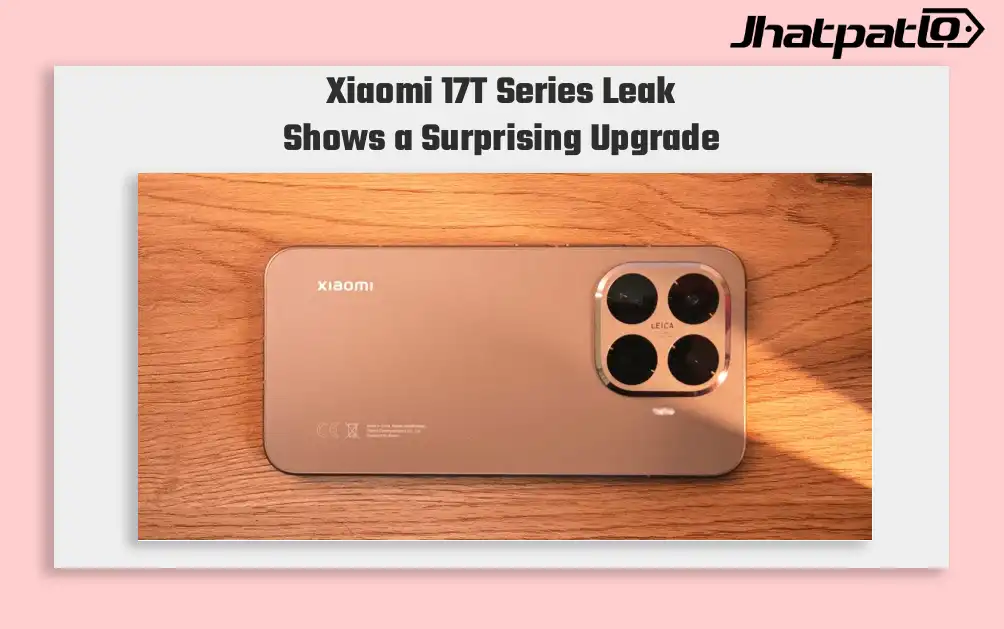
Xiaomi 17T Series Leak Reveals Design Specs and Possible India Launch
The Xiaomi 17T Series Leak Reveals surfaced in a fresh leak that shows renders, key specifications and a possible launch window later this month. The lineup is expected to include two models, the Xiaomi 17T and Xiaomi 17T Pro, with reports also suggesting that the standard model could mak...
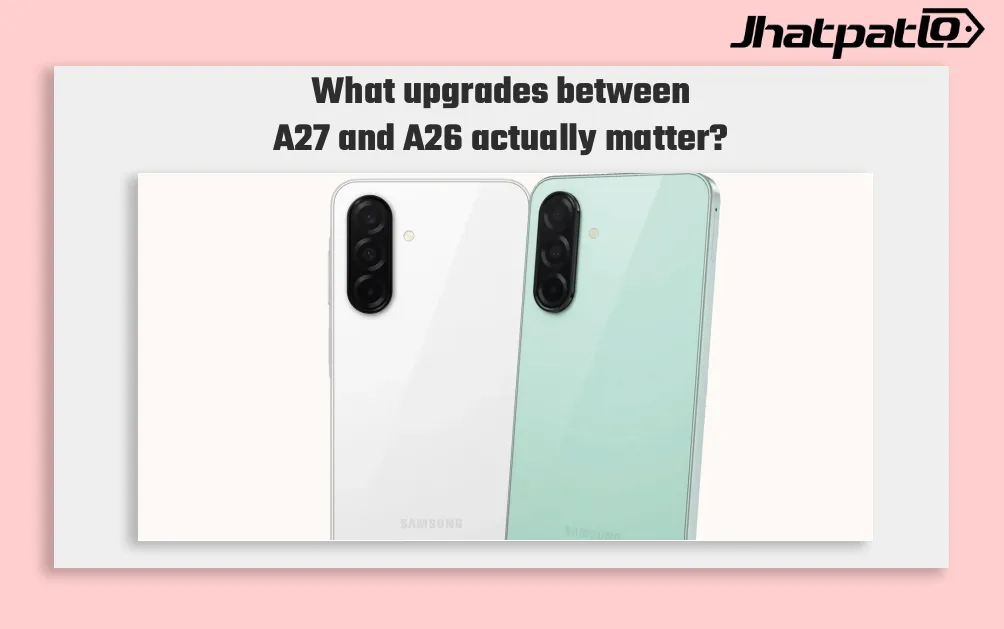
Samsung Galaxy A27 Appears on Samsung Brazil Site Ahead of Launch
Samsung Galaxy A27 has appeared on Samsung’s Brazil website, pointing to an early pre-launch listing rather than an official announcement. The Samsung Galaxy A27 is mentioned under Samsung Wallet compatibility, alongside Galaxy A37 and Galaxy A57, and leaks suggest it will be the success...

Pixel 11 Leak Reveals Pixel Glow LED and Possible Thermometer Removal
A Pixel 11 leak from the Mystic Leaks Telegram channel points to a notable design shift in Google’s upcoming flagship phone lineup. The report says Google may remove the thermometer sensor from Pro models and replace it with a new RGB LED system called Pixel Glow, alongside Tensor G6 chip u...

OpenAI AI Smartphone Could Enter Production in 2027 With MediaTek Chip
OpenAI’s first OpenAI AI smartphone may enter mass production in the first half of 2027, according to analyst Ming-Chi Kuo, marking a move forward from earlier expectations that pointed to a 2028 timeline. The report suggests the company is preparing a custom hardware push built around AI-firs...