


Top 5 Foldable smartphones in India are finally getting serious and Apple’s late move changes everything

Foldable smartphones used to feel like the kind of thing you’d admire in a showroom and then quietly forget about. Cool, yes. Practical, not always. But that’s changing fast.
This year’s expected launches in India suggest foldables are no longer just flashy experiments for early adopters — they’re becoming real flagship choices, with better batteries, stronger chipsets, sharper cameras, and a lot less of the awkwardness people used to complain about.
If anything, the current lineup already shows how serious brands are getting. Devices like the Samsung Galaxy Z Fold5 and Samsung Galaxy Z Flip5 have pushed durability and usability forward, while newer entries like the OnePlus Open and Vivo X Fold3 Pro are focusing heavily on camera performance and slimmer designs. Even options like the Tecno Phantom V Fold are making foldables more accessible than before. Together, these top foldable smartphones in India make it clear that the category isn’t just evolving — it’s finally starting to make sense for everyday users, not just tech enthusiasts.And here’s the interesting part: the next wave isn’t coming from just one brand trying to impress everyone. Samsung is pushing two book-style models. Vivo is leaning hard into camera power. Google is refining its Pixel Fold formula. And Apple, after years of watchful silence, is finally expected to jump in. That alone makes the market feel a little less predictable, which is usually when tech gets fun.
Quick Highlights
- Samsung may launch two foldables with different sizes.
- Apple’s first foldable could arrive with a premium price tag.
- Vivo is expected to focus heavily on camera hardware.
- Google’s foldable may bring a refined design and Tensor G6 chip.
- Foldables are getting more practical, not just more expensive.
Why foldables feel different this year
For a while, foldable phones were basically proof that companies could make a phone bend. Nice trick. But now the conversation is shifting. People are asking the more useful question: should I actually buy one? That’s a much harder test, and it’s where the upcoming foldable smartphones in India become interesting.
The reason is simple. The first generation of foldables was defined by compromise. Shorter battery life. Bulky frames. Camera systems that sometimes felt like they were borrowed from less ambitious phones. But the new wave of foldable smartphones is shaping up to be more mature. Better chipsets, bigger batteries, faster charging, and designs that try to solve real usability issues instead of just showing off engineering.
If you’ve ever held off because foldables seemed too fragile or too niche, this year’s expected launches may finally make you pause. Not because they’re cheap. They’re still very much premium devices. But because they’re starting to look like proper flagships that happen to fold, instead of a novelty wrapped around a phone.
Samsung is still setting the pace
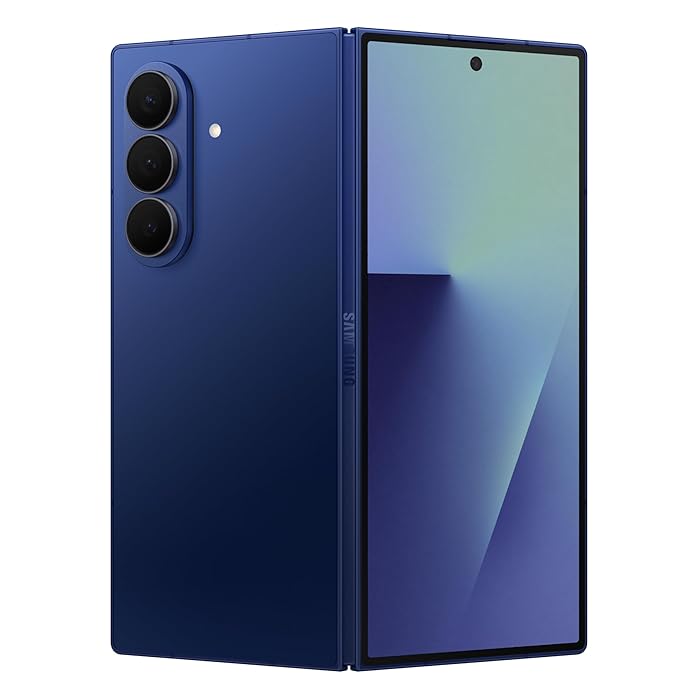
Samsung has been leading the foldable category for years, and it doesn’t look like that’s changing anytime soon. The company is expected to launch not one, but two book-style models: the Samsung Galaxy Z Fold 8 and the Samsung Galaxy Z Fold 8 Wide. That second name already tells you Samsung wants to experiment a little more with form factor.
The regular Z Fold 8 is tipped to bring a major battery upgrade, with a 5000 mAh battery reportedly on the cards. That might sound like a small detail, but for foldables it’s a big deal. Battery life has long been one of the awkward parts of the format. You get the larger screen, sure, but you also have a device that works harder all day. A larger battery could make the Z Fold 8 feel far less like a constant charging companion.
There’s also talk of S Pen support making a return. If that happens, it would make sense for people who use their phone like a mini productivity machine. Notes, sketches, multitasking, document signing — all the stuff that looks a bit unnecessary until you actually have it and start wondering how you managed without it.
The Z Fold 8 Wide sounds more experimental. It’s expected to keep similar internals, including the Snapdragon 8 Elite Gen 5 for Galaxy and 45W charging, but with a different shape. The rumored displays — a 5.4-inch cover screen and a 7.6-inch inner screen — suggest Samsung is testing how people want to use a foldable day to day. Some users want a narrow cover display that feels phone-like. Others want something broader and more comfortable when unfolded. Samsung may be trying to satisfy both camps without forcing everyone into one design.
Both models are expected to be shown at Galaxy Unpacked on July 22, which means the second half of the year could start with a lot of attention on Samsung’s foldable strategy.
What the other foldables are bringing to the table
Samsung may get the most attention, but it’s not the only company with something interesting brewing. This year’s foldable lineup in India looks broader than usual, and that’s good news for buyers who want options instead of one brand dominating the whole conversation.
The Vivo X Fold 6 is shaping up to be the camera-centric one. According to leaks from tipster Digital Chat Station, it could feature a huge 200MP primary camera with OIS. That’s the kind of number that instantly grabs headlines, but what matters more is what it suggests: Vivo may be trying to make a foldable that doesn’t force you to compromise on photography. That’s been a common weak spot in the category, where the foldable part gets all the attention and the camera setup sometimes feels like an afterthought.
Then there’s the Google Pixel 11 Pro Fold, which already has CAD renders floating around online. The design appears refreshed, with a redesigned camera module and triple rear cameras. That lines up with Google’s usual approach: not the loudest phone on the block, but one that tries to be smart where it counts. It’s expected to run on the Tensor G6 chipset, built on a 3nm process, and that should help with both performance and imaging.
Google’s foldables have always been about software as much as hardware. If the Pixel 11 Pro Fold arrives with a cleaner design and better optimization, it could become the foldable that makes sense for people who don’t want to think too hard about the phone they’re using. Sometimes that’s the real luxury.
Apple entering the foldable market changes the mood
And then there’s Apple. The iPhone Fold is easily the most talked-about device in this list, and for good reason. Apple usually doesn’t rush into a category. It waits, watches, and then arrives with a product that tries to make the whole thing feel inevitable. Sometimes that patience pays off. Sometimes it just means the company is late to the party. In this case, both things may be true.
The expected iPhone Fold could debut in September 2026 alongside the iPhone 18 Pro lineup. Rumors suggest a 7.8-inch main display paired with a 5.5-inch outer screen, powered by the A20 chip. That sounds very Apple: tight hardware integration, premium positioning, and specs that are less about shouting and more about control.
There’s also speculation around Touch ID coming back, possibly in the power button. That would be an interesting move. Apple has leaned heavily on Face ID for years, but a foldable introduces design decisions that can make alternate biometric options more practical. If the rumor proves true, it would be one of those small details that Apple fans talk about for months.
Price-wise, though, this won’t be a phone for casual curiosity. The expected range sits somewhere between Rs 2,00,000 and Rs 2,15,000. In plain terms, that’s premium-with-no-apologies pricing. Apple knows its audience, and foldable buyers at that level are usually buying into the entire ecosystem, not just a device.
Foldable phone specifications at a glance
Here’s a quick comparison of the major foldable smartphones expected to launch in India this year. The details are based on current leaks and reports, so a few things could still change before launch day.
| Phone | Expected launch | Main highlight | Chipset | Notable display info | Other details |
|---|---|---|---|---|---|
| Samsung Galaxy Z Fold 8 | July 22, 2026 | 5000 mAh battery, possible S Pen support | Snapdragon 8 Elite Gen 5 for Galaxy | Book style foldable | Likely major internal upgrade |
| Samsung Galaxy Z Fold 8 Wide | July 22, 2026 | Different form factor | Snapdragon 8 Elite Gen 5 for Galaxy | 5.4 inch cover, 7.6 inch inner | 45W charging |
| Vivo X Fold 6 | Likely July 2026 | 200MP main camera | Not confirmed | Foldable display expected | OIS tipped for primary sensor |
| Google Pixel 11 Pro Fold | Second week of August 2026 | Refreshed design and cameras | Tensor G6 | Triple rear cameras | Focus on imaging and software |
| Apple iPhone Fold | September 2026 | Apple’s first foldable | A20 chip | 7.8 inch inner, 5.5 inch outer | Expected price Rs 2,00,000 to Rs 2,15,000 |
So, which foldable actually makes sense?
That depends on what you care about most, and honestly, that’s the part of foldables that makes them feel more personal than regular phones. If you want the most polished Android foldable experience, Samsung is still the safe bet. If battery and productivity matter, the Z Fold 8 looks promising. If camera quality is your priority, Vivo may be the one to watch. If you want software refinement and Google’s ecosystem, the Pixel Fold is worth keeping on your radar. And if you’re the kind of person who waits for Apple to enter a category before taking it seriously, well, the iPhone Fold is clearly the headline act.
There’s a broader shift happening here too. Foldable smartphones are no longer just for tech enthusiasts who love spec sheets. They’re slowly becoming a real category with different personalities. That matters because once a category starts offering distinct choices instead of one “best” option, it’s usually a sign that the market is growing up.
Of course, price will still be the biggest hurdle for most people. Foldables are expensive. There’s no pretending otherwise. But the good news is that the conversation around them is changing from “Why would anyone buy that?” to “Which one fits me best?” That’s a much healthier place for the category to be.
And maybe that’s what makes this year feel so important. We’re not just getting more foldables. We’re getting a real fight between brands that each want to define what a foldable should feel like. If that doesn’t make the next few months exciting, not much in phone land will.
So, if you’ve been waiting for foldables to become less gimmicky and more genuinely useful, this might finally be the year worth paying attention to. Which one would you actually trust with your money?
Related Products



iPhone Ultra Case Leak Reveals Apple’s Foldable Design Strategy
Leaked Case Renders Point To Apple’s Foldable Direction A newly surfaced iPhone Ultra case leak is pointing to Apple’s foldable design strategy with the images suggesting a book-style device, dual rear cameras and an ultra-thin build. The leak also lines up with earlier reports that Apple may...
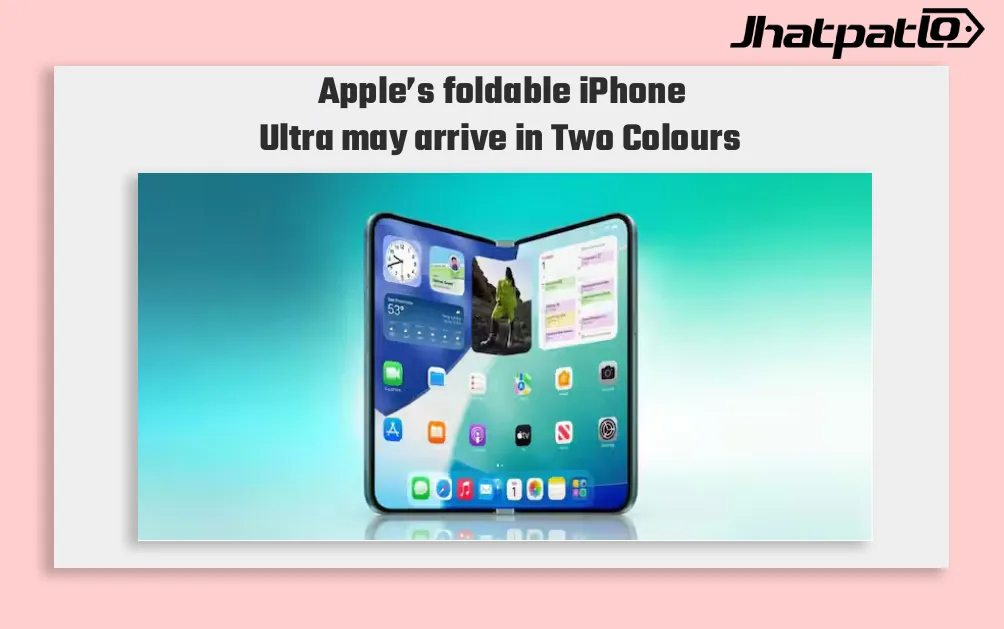
Apple Foldable iPhone Ultra May Launch in Two Colours
Apple’s Two Colour Foldable Strategy Signals a Controlled First Launch Apple’s foldable iPhone Ultra may arrive in just two colours, with leaks pointing to silver white and deep indigo variants for the first version of the device. The reported plan suggests a restrained approach for a product expec...

Samsung Galaxy Wide Fold Rumoured With 7.6-Inch Display and Snapdragon 8 Elite Gen 5
Design and Display Samsung's Galaxy Wide Fold is tipped to feature a 7.6-inch main display and a Snapdragon 8 Elite Gen 5 SoC, according to a Weibo post by tipster Digital Chat Station (translated from Chinese). The handset is described as a broader, tablet-like foldable that woul...

Motorola Razr Fold India Launch Teased With Snapdragon 8 Gen 5
Motorola has teased the Motorola Razr Fold India launch, signalling that its first book-style foldable is headed to the country soon. The device was earlier unveiled at MWC 2026, and the India teaser suggests Motorola is now preparing a wider rollout, though the exact launch date is still...
Samsung Prioritises Galaxy Z Fold 8 Production Over Galaxy Flip 8
Samsung is reported to be prioritising the production of its next Galaxy Z Fold model over the Galaxy Z Flip, according to ETHome citing industry sources. The plan calls for about 3.5 million Galaxy Z Fold 8 units and about 3 million Galaxy Z Flip 8 units, a split that signals expectations of...

Samsung Galaxy Z Fold 8 Wide and Watch Ultra 2 BIS Listings Point to India Launch
Samsung’s Galaxy Z Fold 8 Wide and Watch Ultra 2 have reportedly cleared BIS in India, lining up with a July 22 Unpacked event. The listings add weight to an India launch alongside the global debut, with model numbers SM-F971B and SM-L715F tied to the two devices. Galaxy Z Fold 8 Wide Leak Po...