


Google Adds Disco Icons to Pixel Phones in Latest Android Customization Push

Google Is Turning Pixel Customization Into a Core Android Feature
Google Disco Icons Update for Pixel phones, adding glossy, colorful app icons to Android’s growing set of AI-powered customization tools. The pack joins existing Pixel icon styles including Scribbles, Cookies, Easel, Treasure and Stardust, all introduced through recent Pixel software updates.
The update is part of Google’s broader focus on personalization, with the company continuing to build Pixel software identity through AI-driven customization rather than hardware alone. While the new icon pack is a visual change, it also sits inside a larger Android strategy that appears headed toward Android 17.
Disco joins Pixel’s growing icon pack lineup
The Disco icon pack is now part of Google’s expanding set of Pixel customization options. Alongside Disco, Pixel users already have access to Scribbles, Cookies, Easel, Treasure and Stardust, which were introduced through recent software updates. The new pack adds a glossy and colorful look to app icons, extending the range of supported styles on Pixel phones.
Google’s approach is centered on making Android personalization easier to access through built-in tools. The update keeps that direction in place, giving Pixel users more control over how their home screens look without relying on third-party launchers or theme apps. The rollout also shows how Google is continuing to make software design part of the Pixel identity.
- New feature: Disco icon pack
- Platform: Pixel phones
- Style: Glossy, colorful app icons
- Existing Pixel icon styles: Scribbles, Cookies, Easel, Treasure, Stardust
- Update type: Android personalization rollout
Google’s UI work reflects a wider Android personalization strategy
Google’s latest update is being read as more than a cosmetic change. It fits into the company’s broader effort to make customization a more visible part of Android, with Android 17 expected to move further in that direction. The Disco pack is one of the latest signs that Google is using Pixel software updates to push a more personalized and consistent Android experience.
According to the provided material, the company has been expanding AI-backed visual themes through recent Pixel software releases. That effort is tied to Google’s larger plan for Android’s look and feel, where themed aesthetics and guided customization tools are becoming more central. In that context, Disco is another step in a series of Pixel-exclusive UI changes.
There is also a product strategy angle here. As hardware differences across smartphones become harder to separate, software experience matters more. Pixel users are getting more visual options, and Google appears to be leaning on these features to define the device experience in ways that go beyond camera hardware or chip specifications.
Creator-led design trends are feeding into Pixel features
The rollout also reflects a second thread in Google’s design work: watching online UI experimentation and folding it into official Android features. The provided material says Google turned a viral “discomorphism” concept into a first-party Pixel feature. Sameer Samat acknowledged the concept shared online, and the feature traces back to work showcased by Pixly founder Race Johnson.
That detail matters because it shows a faster loop between creator communities and product development. What begins as a niche design idea in online spaces can end up as a Pixel feature in a later update. The Disco icon pack follows that pattern, moving a concept from the edges of custom UI culture into Google’s own software.
The result is a more expressive Android interface, at least on Pixel devices. Google’s updates are not limited to icons alone. The material also points to Android 17 reportedly testing forced themed aesthetics for mismatched icons, while Lock Screen Widgets are expected to expand personalization options as well. Those pieces suggest a wider effort to reduce visual inconsistency across Android.
For now, Disco is one part of that buildout. It adds to the existing Pixel icon pack lineup, keeps Google’s personalization push moving, and shows the company continuing to shape Android’s identity through UI features that are increasingly tied to AI-backed customization. The rollout is another sign that Pixel software is being used as the reference point for that direction.
Related Products


Apple’s Bezel Free iPhone Push Points to a 2027 Design Shift
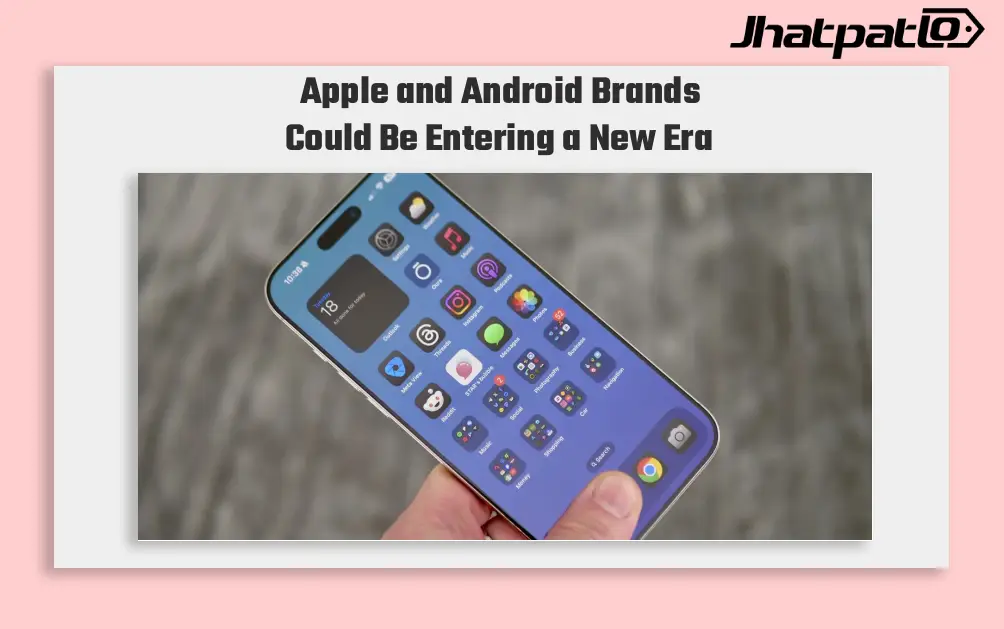
Apple and Android brands test bezel free designs Apple is reportedly testing a radically redesigned iPhone with a quad-curved, nearly bezel-free display as smartphone makers line up for a possible design shift in 2027. The latest supply-chain leaks also point to Huawei and Xiaomi experimentin...

Pixel 11 Leak Reveals Pixel Glow LED and Possible Thermometer Removal
A Pixel 11 leak from the Mystic Leaks Telegram channel points to a notable design shift in Google’s upcoming flagship phone lineup. The report says Google may remove the thermometer sensor from Pro models and replace it with a new RGB LED system called Pixel Glow, alongside Tensor G6 chip u...
Wear OS 7 Adds Live Updates and Smarter Widgets for Android Watches
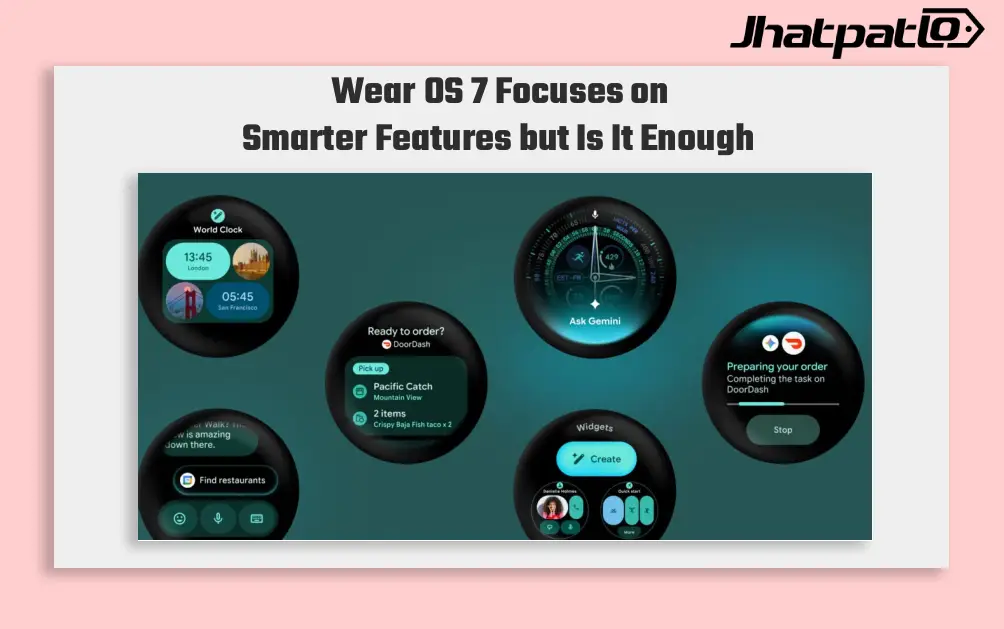
Wear OS 7 focuses on everyday smartwatch use Google used I/O 2026 to present Wear OS 7 as a usability update rather than a routine redesign. The update brings Live Updates, redesigned Wear Widgets, Gemini-linked voice actions and up to 10 percent better battery life, with the changes aimed at...

Infinix Hot 70 Brings Colour Changing Design to Budget Phones
Infinix Hot 70 launches in Indonesia with reactive rear panel Infinix has launched the Hot 70 in Indonesia, adding a temperature-reactive rear panel called Thermo Orange to the budget smartphone segment. The phone also comes with a 6,000mAh battery, 45W charging, and a MediaTek Helio G100 Ult...
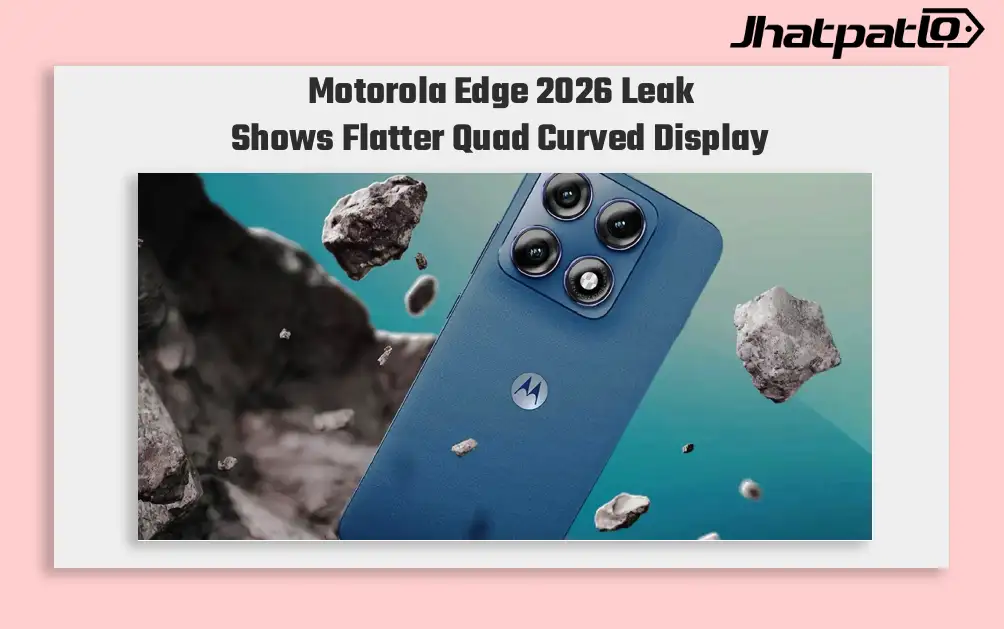
Motorola Edge 2026 Leak Reveals Flatter Quad Curved Display Design Shift
Motorola Edge 2026 leak shows design changes Leaked renders of the Motorola Edge 2026 suggest Motorola may be moving away from its long-running curved display style. The images point to a flatter quad-curved screen and a redesigned textured rear panel. The leak is being read as a possible shift...
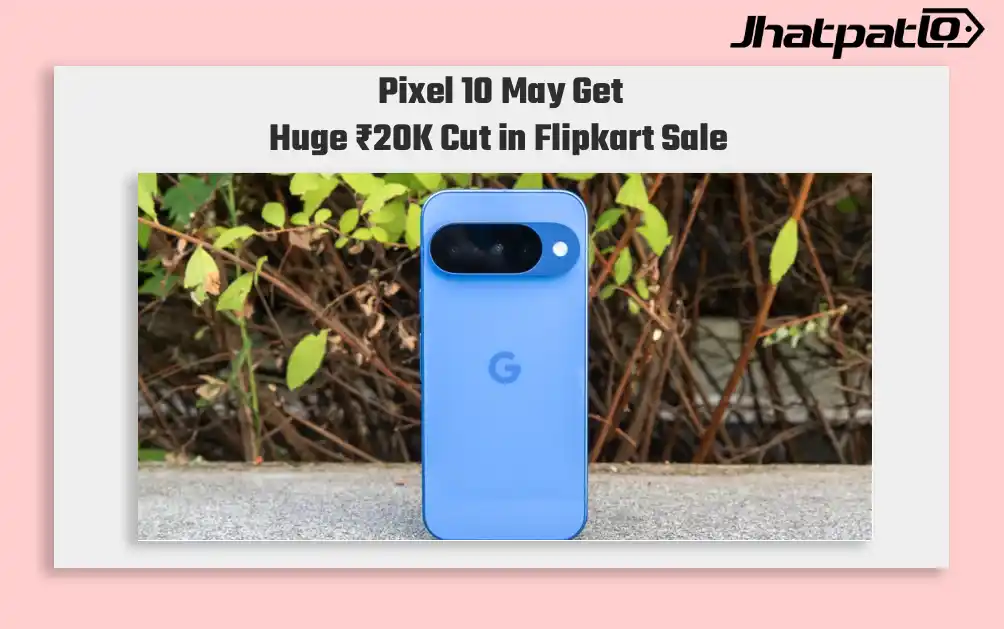
Pixel 10 Flipkart Sale Price Could Drop to Rs 59,999 on May 9
Google Pixel 10’s Pixel 10 Flipkart sale price could fall to Rs 59,999 during Flipkart’s Sasa Lele sale, which begins on May 9. The figure appears to be an effective price rather than a flat cut, with bank offers, exchange value and base discounts likely contributing to the final amount. What...