


Wear OS 7 Adds Live Updates and Smarter Widgets for Android Watches
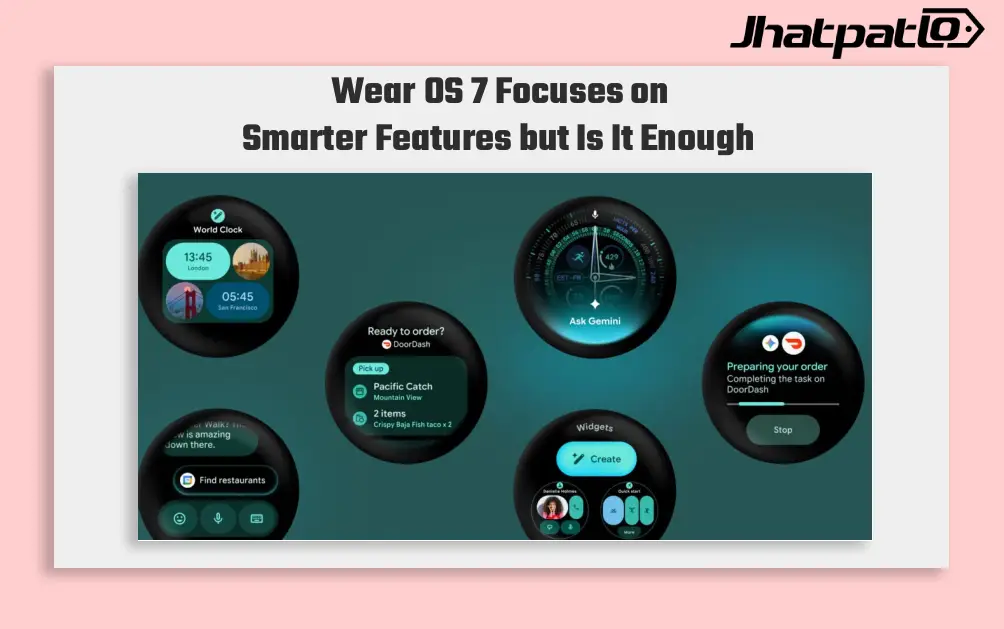
Wear OS 7 focuses on everyday smartwatch use
Google used I/O 2026 to present Wear OS 7 as a usability update rather than a routine redesign. The update brings Live Updates, redesigned Wear Widgets, Gemini-linked voice actions and up to 10 percent better battery life, with the changes aimed at making Android smartwatches work more like companion devices.
Wear OS has often been compared with Apple Watch on real-time interaction and device continuity, and Google’s latest update targets those gaps directly. The company is also pushing a broader shift toward a more connected Android experience across devices, with wearables getting closer to the core phone interface.
Live Updates and widgets change the watch experience
One of the main additions in Wear OS 7 is Live Updates, which is designed to show real-time information for tasks such as deliveries and app activity. The feature is positioned as a way to surface timely details on the watch without making users dig through apps or constant notifications.
Google is also changing the widget experience with Wear Widgets. The update replaces the older full-screen widget behavior with a more glanceable setup that puts information within easier reach. The company’s focus here is on reducing friction in regular use, especially for users who want quick access to information during the day.
Another part of the update is a more refined approach to media auto-launch controls. According to the provided details, this is meant to cut down notification clutter and improve continuity when media is in use. The changes are not presented as a major visual overhaul. Instead, they are aimed at small but frequent points of friction that affect everyday smartwatch use.
Google also says Wear OS 7 delivers up to 10 percent better battery efficiency compared with Wear OS 6. Battery life remains one of the main concerns for smartwatch users, and the update places that issue near the center of the release. The provided material frames this improvement as part of a broader effort to make Android smartwatches more practical for daily wear.
Gemini integration brings voice actions into Wear OS 7
Wear OS 7 also expands Gemini-linked voice actions through the AppFunctions API. The update is meant to let users carry out tasks by voice through supported apps, rather than relying only on notifications or manual interaction on the watch. This places Gemini more directly into the wearable experience.
The summary for the update says Google is trying to make AI a core part of wearable interactions, not just a smartphone feature. That direction is visible in the way Wear OS 7 combines voice control, real-time information and cross-device continuity. The watch is being positioned less as a secondary screen and more as a device that can handle parts of the task on its own.
Wear OS 7 is also described as part of a wider strategy to bring Wear OS closer to Android’s core experience. The update follows the widget-first design language seen across Android and tries to make the smartwatch interface feel more consistent with the rest of the ecosystem. That consistency is part of the pitch, even if the release itself is focused on practical changes.
In the provided material, Google’s messaging around Wear OS 7 is clear. The update is less about cosmetic upgrades and more about fixing long-standing usability gaps. Real-time updates, smarter widgets, battery improvements and Gemini-powered actions are all presented as pieces of the same shift.
For users, the immediate changes are centered on faster access to information, fewer interface delays and more hands-free control. For Google, the release appears to be another step in making Android watches behave more like true companion devices, with tighter links to phones and more useful actions on the wrist.
Related Products


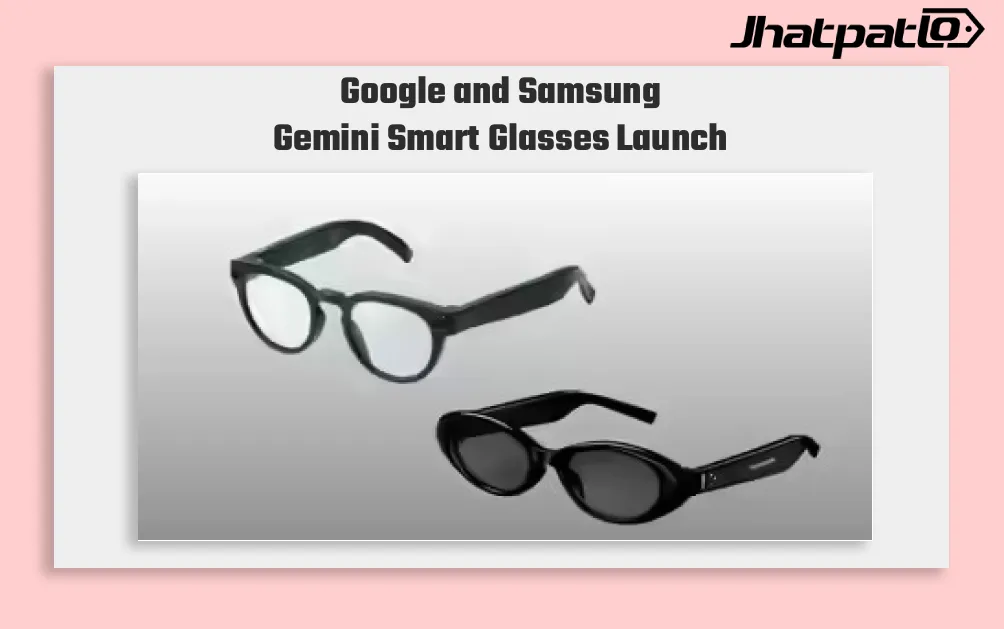
Google and Samsung Take On Meta With Gemini Smart Glasses
Google and Samsung have unveiled Gemini-powered smart glasses in partnership with Gentle Monster and Warby Parker, putting live translation, navigation and other AI tools into a new wearable category. The launch brings Google back into consumer smart eyewear as Meta’s Ray-Ban glasses continue...

Realme Launches Buds Air8 Pro and Watch S5 on May 22
Realme widens its ecosystem push Realme Buds Air8 Pro and Watch S5 Launch in India on May 22, alongside the Realme 16T. The new products place the company’s focus on affordable ecosystem devices, with features such as 55dB adaptive ANC in the earbuds and a claimed 20-day battery life for the...

CMF Watch 3 Pro Launches in India with ChatGPT and 13 Day Battery
CMF Watch 3 Pro launches in India as the successor to the CMF Watch 2 Pro, which arrived two years ago. The new smartwatch goes on sale on May 8 through Flipkart, with a launch offer bringing the price down to ₹6,999 for a limited period. The standard price is ₹7,999, while the orange variant...
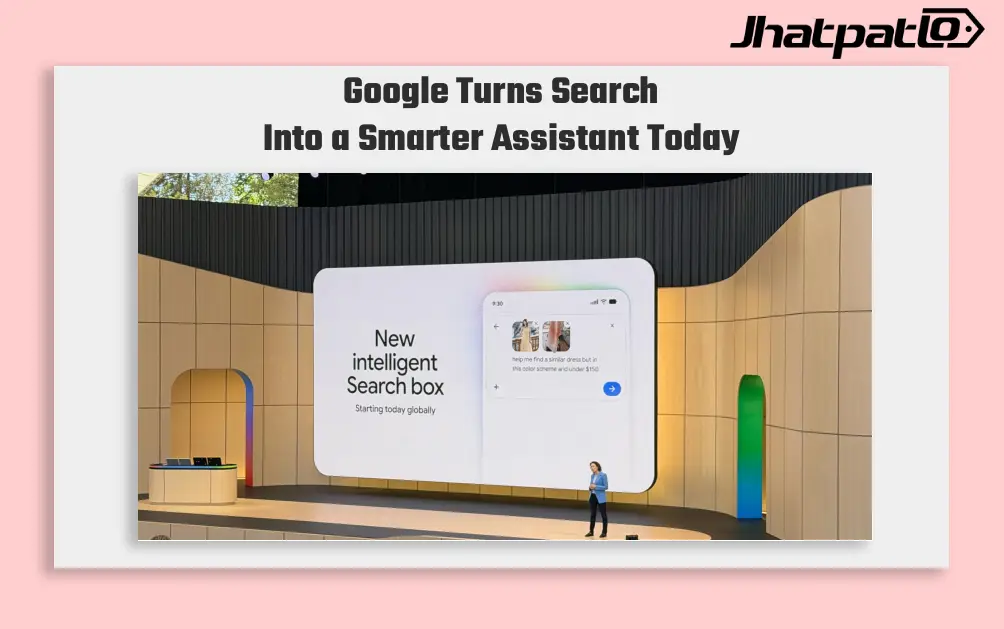
Google Search AI Agents Could End the Era of Blue Links
Google Turns Search Into an AI System Google used I/O 2026 to push Search into a different role, with AI agents that can monitor information, browse on behalf of users and act across tasks. The company also said AI Mode has passed one billion users and that Gemini 3.5 Flash is now the default...

Google Adds Disco Icons to Pixel Phones in Latest Android Customization Push
Google Is Turning Pixel Customization Into a Core Android Feature Google Disco Icons Update for Pixel phones, adding glossy, colorful app icons to Android’s growing set of AI-powered customization tools. The pack joins existing Pixel icon styles including Scribbles, Cookies, Easel, Treasure and...
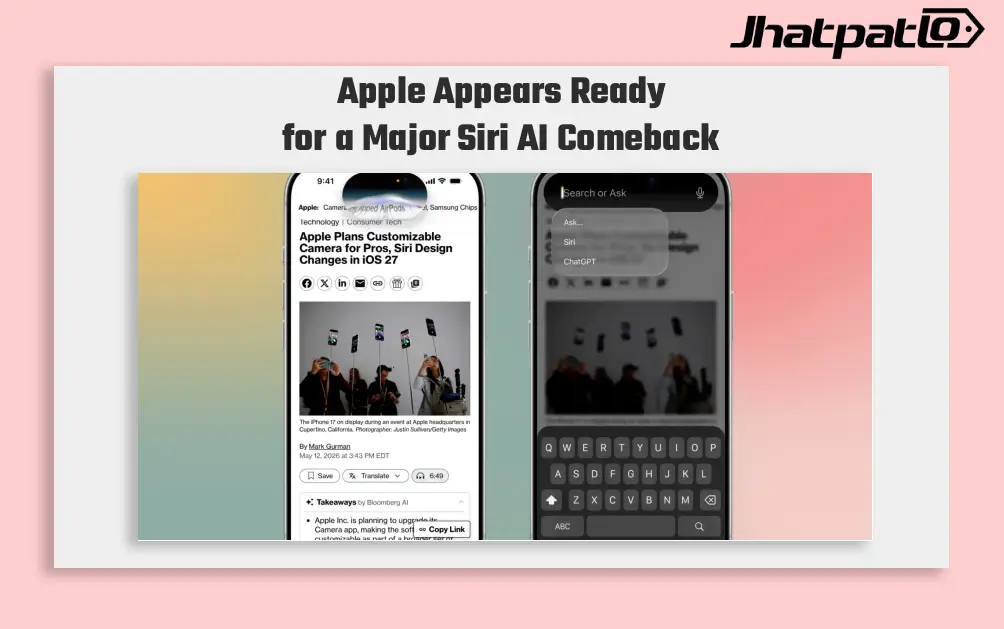
iOS 27 Leak Shows Apple Rebuilding Siri Around AI Search
Apple appears to be reshaping Siri inside iOS 27 Leaked iOS 27 illustrations suggest Apple is preparing a redesigned Siri experience built around AI search, Dynamic Island access and a new Search or Ask interface. The reported changes point to a broader shift in how Apple may place artificial...