


HyperOS 4 Global Rollout Schedule Revealed for Xiaomi Redmi and Poco Phones
HyperOS 4 global rollout schedule starts in early November, with the Xiaomi 17 Ultra and the first Redmi Note 15 phones leading the update wave. The Android 17-based release will expand across roughly 80 devices, so the schedule matters more than any single launch if you are waiting for stable software. Since rollouts usually happen in phases and vary by region, your own phone may receive the update later than the first batch.
That rollout timing gives buyers a clearer picture of when Xiaomi, Redmi and Poco devices are likely to move up to the new software. HyperOS 4 Global Rollout Schedule Revealed for Xiaomi Redmi and Poco Phones. The company is spreading the update in phases, which usually means newer models go first and older phones follow later.
News Highlights
- HyperOS 4 global rollout begins in early November, with Xiaomi’s newest flagship phones and the first Redmi Note 15 models at the front of the queue.
- The update is Android 17-based and is expected to reach about 80 devices in stages, making the release plan broad rather than limited to a few headline phones.
- A second wave in mid-November includes the Xiaomi 15T series, Poco F7 models and tablets such as the Xiaomi Pad 7 Pro and Pad Mini.
- Older devices, including the Xiaomi 13 series, Xiaomi 14T phones and the Redmi Note 14 lineup, are scheduled for December in the final rollout phase.
Xiaomi 15T, Poco F7 and tablets join the mid-November HyperOS 4 stable rollout
The second wave of the HyperOS 4 stable rollout arrives in mid-November and brings in a wider mix of devices. That includes the Xiaomi 15T line, Poco F7 models and tablets such as the Xiaomi Pad 7 Pro and Pad Mini. It is a useful sign that Xiaomi is not limiting the Android 17 update to its most expensive phones.
For many buyers, this middle phase may be the most relevant part of the schedule. These are the newer upper-midrange devices that often sit between flagship launches and mass-market models. By moving them into the update window fairly quickly, Xiaomi is keeping its newer ecosystem from drifting too far behind in the software cycle.
The tablet side of the rollout also stands out. Xiaomi Pad 7 Pro and Pad Mini support in the same wave suggests the company is treating tablets as part of the main HyperOS 4 push, not as an afterthought. That matters for users who rely on the same software experience across phone and tablet.
- Xiaomi 15T phones are included in the mid-November phase of the rollout.
- Poco F7 models are also part of this second wave.
- Xiaomi Pad 7 Pro and Pad Mini are listed among the devices getting the update next.
- The rollout shows Xiaomi is covering both phones and tablets in the same release cycle.
Older Xiaomi 13 and Redmi Note 14 phones are pushed to December
The final phase of the HyperOS 4 global rollout is set for December, and that is where older flagship and popular Redmi models land. The Xiaomi 13 series, Xiaomi 14T phones and the Redmi Note 14 lineup are all included in this last wave. For owners of those devices, the wait is longer, but it still leaves them in the update plan.
This later timing is not unusual for a staged software rollout. Xiaomi appears to be prioritizing its newest devices first, then widening access once the early waves are out. For users on older mainstream phones, that means patience is part of the process, especially if they check for updates often.
There is also a practical side to the delay. The update is likely to be large, with reports suggesting it could exceed 8GB on devices moving up from HyperOS 3. That kind of download is one reason companies tend to spread releases over time instead of pushing them to everyone at once.
So while the December slot is later than many users would like, it still fits the broader pattern of a managed global rollout. Xiaomi is moving from new flagships to upper-midrange devices, then to older phones and popular Redmi models. That keeps the release orderly, even if it does not make the waiting easier.
For Xiaomi, Redmi and Poco owners, the main takeaway is simple: HyperOS 4 is coming in phases, not all at once. If your device is on the list, the rollout schedule gives a rough idea of when the stable build should arrive, but the exact timing will still depend on the model and region.

Related Products








POCO X8 Pro Max on Geekbench as Xiaomi Reveals 8500 Ultra and 9500s
POCO X8 Pro Max Surfaces on Geekbench and Chipset Tease Poco X8 Pro Max has surfaced on the Geekbench benchmarking site as part of a wider reveal around the upcoming Poco X8 series. In parallel, Xiaomi's Poco sub-brand posted on X that the Poco X8 lineup will be powered by two MediaTek chipsets fro...

Poco X8s Snapdragon 7 Gen 4 Surfaces on Geekbench and IMDA
Poco X8s Snapdragon 7 Gen 4 details are now tied to certification and benchmark listings, with 12GB RAM and Android 16 in tow. That combination points to a launch-ready midrange model, likely aimed at the Europe and select global markets where Poco is still expanding. The Poco X8s Snapdra...

POCO F9 Ultra Geekbench Leak Confirms Snapdragon 8 Elite Gen 5
POCO F9 Ultra Geekbench data backs the Snapdragon 8 Elite Gen 5, with a 2,980 single-core score and 10,030 multi-core result. The listing also shows 16GB RAM and Android 16, pointing to a flagship launch window that would put POCO back into the premium Android race. The Geekbench result g...

Poco X8 India launch brings 10,000mAh battery and 100W charging
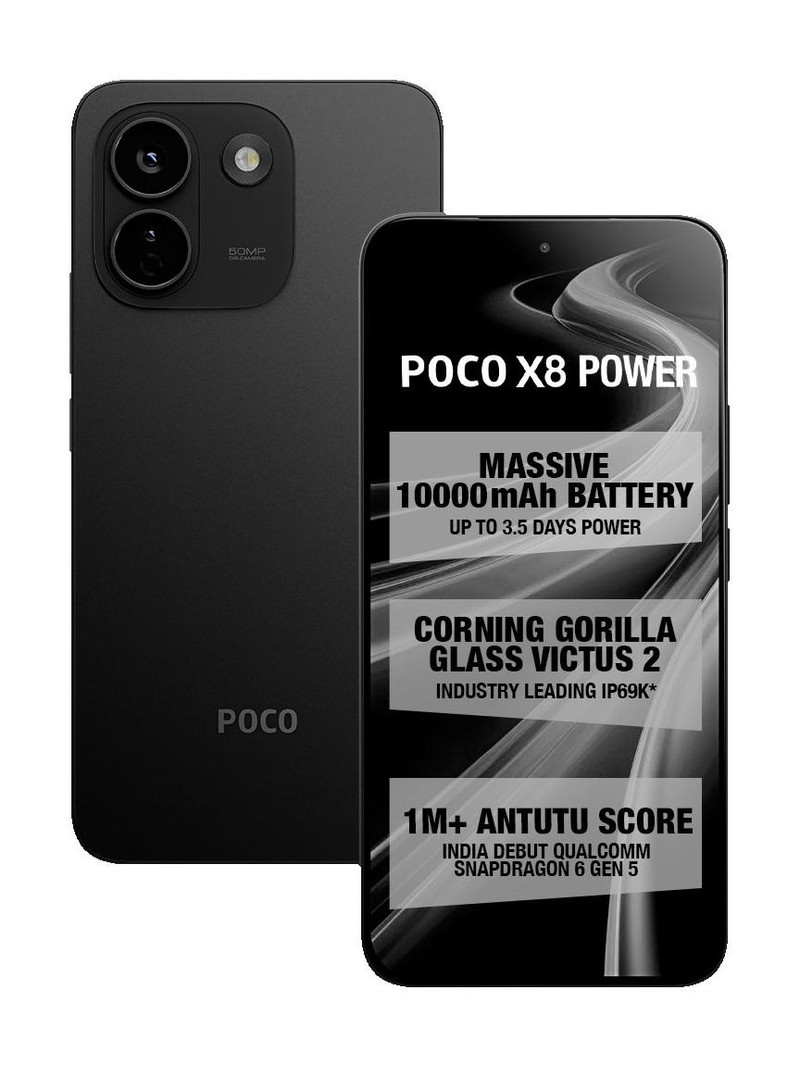
Poco X8 Power will launch in India on September 4, with a 10,000mAh battery, 100W wired charging, and 27W reverse wired charging. The standard Poco X8 will arrive on the same day with a 9,000mAh battery, giving buyers two large-battery options in Poco’s mid-range Android lineup. Poco X8 I...

POCO X9 Pro EEC Certification Points to Global Launch Plans Ahead of Debut
POCO X9 Pro EEC certification is the clearest sign yet that Xiaomi is lining up another global POCO release, with model numbers already appearing on the Eurasian database. The filing does not confirm final names or specs, but it does strengthen the case for a near-term launch in the midrange A...