


Infinix Note Edge review: sleek build with crisp visuals
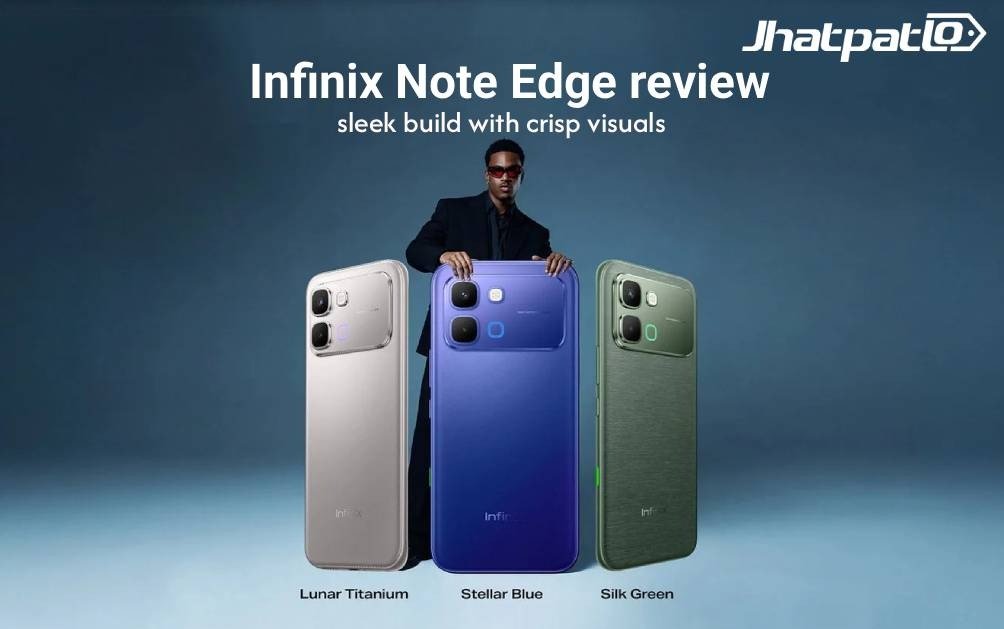
Smartphones keep getting thinner and lighter, but battery life often stays in the background. The Infinix Note Edge aims to solve that by pairing a super-slim 7.2mm chassis with a hefty 6,500mAh battery. After a week of real-world use, here’s a clear, friendly look at what this device brings to the table.
Sleek, premium, and ergonomic
From the outside, the Note Edge feels premium in the hand. It’s impressively slim at 7.2mm and weighs about 185g, which makes it easy to slip into a pocket or grab during a quick commute. The rear panel finishes look refined in Lunar Titanium (silver) or Stellar Blue, though the matte surface can be a touch slippery. A good rubberised case is a smart companion for improved grip. The design prioritizes ease of use and comfort, which matters when daily tasks involve scrolling, typing, and a little gaming here and there.
What you don’t have to worry about: build quality. Gorilla Glass 7i covers the display, and an IP65 rating adds splash and dust protection. Those little touches matter in real life, especially if you’re the kind who keeps a phone on a desk or in a bag where it might brush against small splashes or dust.
Display that catches the eye
The Note Edge sports a 6.78-inch AMOLED panel with a 1.5K resolution (1,208 x 2,644), delivering crisp details and vibrant colours. The 120Hz refresh rate delivers smooth scrolling and snappy transitions, which makes everyday use feel brisk. Curved edges are subtle, which helps cut down on accidental palm touches while still giving the device a premium look from the sides.
The display supports a wide colour gamut (DCI-P3) and peaks around 4,500 nits, which helps readability outdoors in bright sun. What’s a bit quirky is the default 90Hz setting for fresh apps; you’ll need to manually switch some apps to 120Hz in the display settings for that extra bit of fluency. The screen also features up to 2,160Hz PWM dimming to reduce eye strain during long sessions in low light.
In terms of content detail, the 1.5K panel looks noticeably sharper than the 1080p panels on some budget rivals, especially when watching 1440p videos. YouTube supports up to 1440p, but some 4K streams aren’t native in the app on this midrange chip, so you’ll notice the ceiling is a touch lower than premium flagships. Still, the combination of brightness, colour accuracy, and the generally nice viewing angles makes the display a real strength for this price bracket.
Balanced performance for everyday tasks
Under the hood sits the MediaTek Dimensity 7100, a capable midrange chip that handles day-to-day apps with ease. For casual users who live in social media, YouTube, messaging, and light gaming, the phone is perfectly usable. But the edge comes with the hardware’s efficiency and thermals rather than straight-up raw power.
During everyday multitasking, some background apps can cause minor stutter when many tasks are active. It isn’t a dramatic lag, but it’s noticeable if you’re the kind who keeps a dozen apps open at once. In more graphically intense tasks, such as gaming, the Note Edge performs respectably but isn’t a powerhouse. Tests with Call of Duty: Mobile at high graphics settings show smooth gameplay, averaging around 60 FPS over 30 minutes, with only a small temperature rise (about 2°C) after the session. BGMI at high settings delivered solid performance as well, though frame pacing isn’t always perfectly stable. In short: it’s good enough for most daily gaming sessions, just not the go-to choice for hardcore mobile gamers.
Compared to some rivals, like the Redmi Note 15 5G, the Note Edge isn’t the snappiest in heavy-use scenarios. For daily tasks and casual use, most people won’t notice a big difference, but power users might prefer a smoother experience with faster app-switching and fewer micro-lags.
XOS 16 – a fresh and modern take on Android 16
The Note Edge runs XOS 16 on top of Android 16. The skin brings a modern aesthetic with AI-driven features and a lot of customization options. The UI aims for a glassy, depth-based look with helpful widgets and a redesigned quick settings panel. A few highlights include the new Glow Space design language, heavier lockscreen and homescreen personalization, and AI-powered tools like MindHub and SnapMemo. There’s also a Dynamic Bar (a nod to Dynamic Island-style multitasking) and some AI features baked into core apps to streamline everyday use.
Since this is a software-first device, XOS 16 does add practical value: more customization, better multitasking cues, and a sense of future-proofing with promised updates. The Note Edge is confirmed to receive three OS upgrades and five years of security patches, which is competitive in its price segment and helps ease concerns about longevity.
Camera setup that’s presentable but not all-round
On the camera stack, the Note Edge puts a 50MP primary sensor at the back with an f/1.8 aperture. There’s no ultrawide lens on this model, which limits versatility for landscapes or architecture shots. The 13MP front camera can capture video up to 2K at 30fps, which is respectable for selfies and video calls. In daylight, the main camera captures details with punchy colours and solid HDR handling. When the sun’s overhead, exposure management is decent, though sometimes glare and bloom can creep in with strong backlighting.
Low light performance is less forgiving. Without optical image stabilization (OIS), long-exposure and handheld photos tend to lose detail, and noise becomes more noticeable as lighting drops. Overall, the camera is dependable for everyday shooting, but it’s not the standout feature in this price tier. If ultrawide versatility and flagship-style camera performance matter, rivals like the Redmi Note 15 5G or the Nothing Phone (3a) Lite offer stronger options in different lighting scenarios.
Big battery and fast charging in a slim body
The standout spec here is the battery. A massive 6,500mAh cell supports quick charging with a 45W charger included in the box. In real-world usage, endurance is solid: PCMark tests show reliable day-long usage with a few hours left by evening, and with normal daily rhythm, three full cycles around a day-and-a-half isn’t unusual. After some charging sessions, the battery settles into a longer, more predictable routine, which is common in devices with large packs.
Charging speed is decent rather than lightning-fast, but the advantage is clear when you need a quick top-up. In about 80 minutes, the battery goes from near-dead to full, which is convenient for a phone you carry all day. The Note Edge also includes practical battery features like reverse wired charging and bypass charging—handy in certain scenarios and a nice touch for a device in this price range.
Extras that matter in daily life
- The left side houses a One-Tap button that can be mapped to quick actions like toggling the torch, launching the camera, changing sound profiles, or triggering SnapMemo.
- RGB Halo Lighting on the rear under the flashlight adds a playful, notifications-based glow.
- JBL-supported stereo speakers deliver loud, fairly balanced sound with a satisfying bass punch for this category.
- NFC support enables easy tap-to-pay capabilities using UPI and banking apps.
- In-display optical fingerprint sensor offers quick unlock, positioned toward the bottom of the display.
- Haptics are average—good enough for most tasks but not particularly punchy.
Final verdict: is the Infinix Note Edge worth it at Rs 21,999?
In short, the Note Edge nails the key ideas that matter to many buyers in this segment: a sleek, premium-looking design; a vibrant, detailed 1.5K display; a robust battery that lasts and charges quickly; and a modern software experience with AI features. It stands out for those who prize aesthetics and long battery life without wanting to compromise on comfort or everyday usability.
Where the Note Edge diverges from the crowd is in overall performance and camera versatility. If top-tier gaming performance or ultrawide photography are priorities, rivals like the Redmi Note 15 5G or Nothing Phone (3a) Lite may be stronger picks. The Note Edge, however, offers a fresh and modern Android experience with a focus on ergonomics and practical features that fit a busy lifestyle.
Reasons to consider the device include its sleek form factor, crisp display, and rapid charging, all wrapped in a software environment that’s actively evolving. Reasons to pause and compare again include its camera versatility and overall raw performance in heavier tasks. If those trade-offs aren’t deal-breakers, the Infinix Note Edge is a compelling option in its price bracket.
So, when weighing a slim, capable device with strong battery life and a modern software skin, the Note Edge makes a strong case. Which feature would you count as the deal-maker: a great display, long battery life, or a software experience that feels new and fresh? Share your thoughts and experiences—the real-world use case is what ultimately decides the winner for you.
| Key specs at a glance | Infinix Note Edge |
|---|---|
| Display | 6.78" AMOLED, 1.5K, 120Hz |
| Front camera | 13MP |
| Rear camera | 50MP main |
| Battery | 6,500mAh |
| Charge | 45W |
| Chipset | MediaTek Dimensity 7100 |
| OS | XOS 16 on Android 16 |
Related Products



Infinix Note Edge 5G India Launch Set for February 18 on Flipkart
Launch date and availability Infinix has confirmed the India launch of the Note Edge 5G for February 18 at 12pm local time. The device will be sold in India exclusively through Flipkart, with three colour options named Stellar Blue, Silk Green, and Lunar Titanium. A dedicated microsite is now live...

Infinix Note Edge JBL Edition Launches in India with Bundled Speaker
Infinix has launched the Note Edge JBL Edition in India as a limited-run variant with a bundled MagPower Speaker. The phone keeps the same core hardware as the regular Note Edge and is priced at Rs 24,999.Infinix Note Edge JBL Edition Launches in India with Bundled SpeakerInfinix has introduced a ne...

Motorola Edge 70 Fusion Snapdragon 7s Gen 4 Confirmed Ahead of India Launch
Launch context Motorola has confirmed key hardware and software details for the Edge 70 Fusion ahead of its India launch. The teaser and official disclosures indicate the device will be powered by the Snapdragon 7s Gen 4 chipset, with Motorola promising a strong balance of perform...

Motorola Edge 70 Pro Launches in India at Rs 38,999 with Dimensity 8500
Motorola Edge 70 Pro arrives in India Motorola Edge 70 Pro Launches in India, with pricing starting at Rs 38,999 for the 8GB RAM and 256GB storage variant. The new smartphone goes on sale exclusively through Flipkart from April 29, and the launch offer can bring the starting price down to Rs...
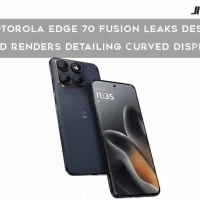
Motorola Edge 70 Fusion Leaks Design and Renders Detailing Curved Display
Once again, official-looking renders of Motorola's Edge 70 Fusion phone appear to have been leaked online, giving us a clearer picture of what the phone will look like. The images are consistent with the previous leaked information and show a narrow profile and curved edges; the back of th...
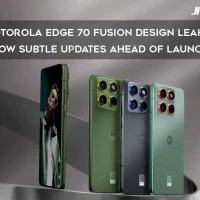
Motorola Edge 70 Fusion Design Leaks Show Subtle Updates Ahead of Launch
The Motorola Edge 70 Fusion design renders have surfaced online showing a handset with a curved display and a centered punch hole for the selfie camera. The rear camera module sits in the upper-left corner and houses three sensors and an LED flash, with the Motorola logo centered on the back. The ba...