


Motorola Edge 70: The Ultra-Slim Phone That Impresses
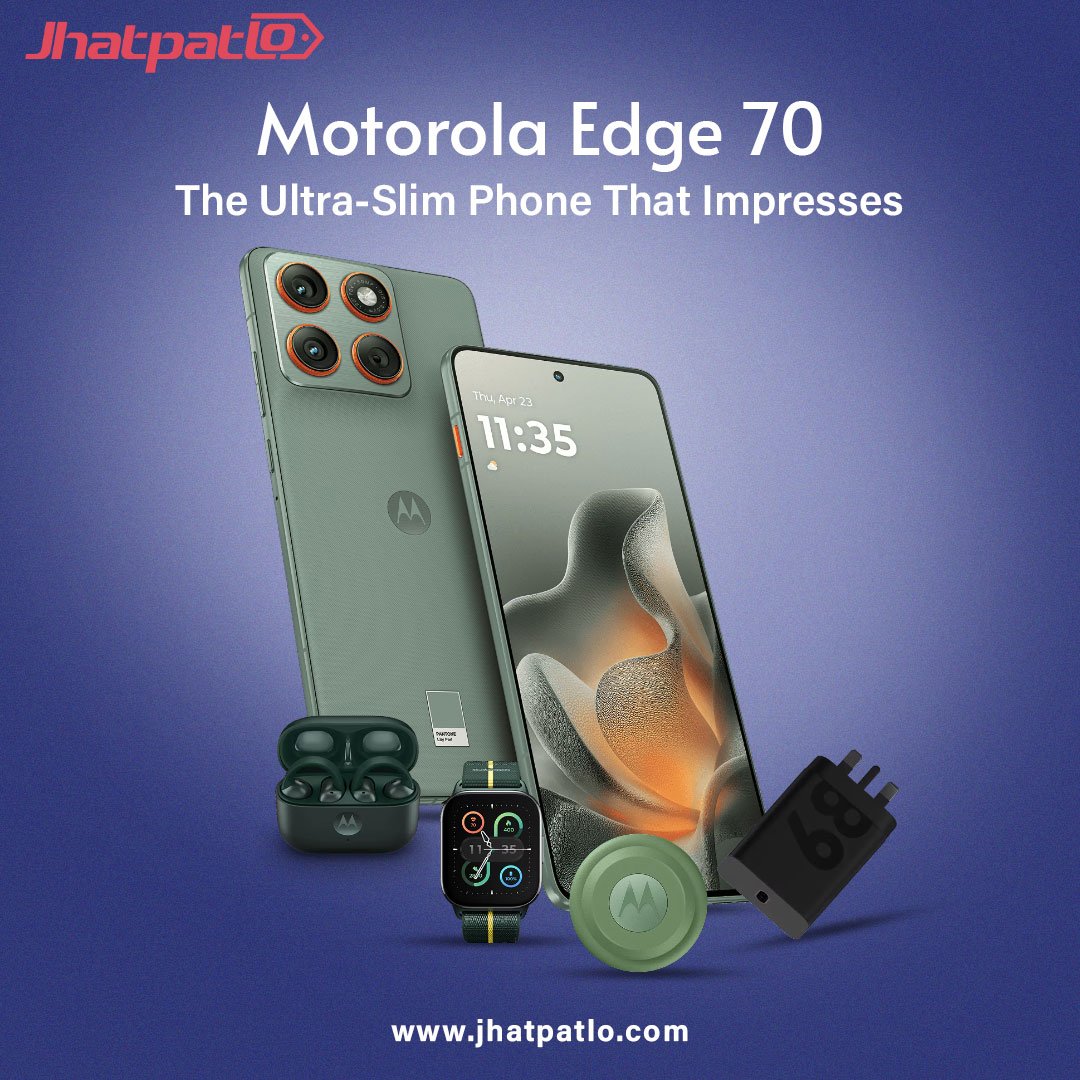
The Moto X70 Air Why the thin-phone myth just got busted
There’s a big lie floating around in tech circles: thin phones must come with weak batteries. Motorola took that claim, stared it down, and asked a question most ignored — can a phone be super thin, featherlight, and still last all day? The Moto X70 Air (sold globally as the Edge 70) answers with a solid yes.
At 5.99 millimeters and about 159 grams, this thing almost vanishes in a pocket. Yet it carries a 4,800 mAh “silicon-carbon” battery. That’s the part worth pausing on. For anyone who’s traded style for endurance before, this flips that trade on its head.
Moto X70 Air build and feel
Holding the X70 Air is a different experience. It’s flat, sleek, and unbelievably comfortable to use one-handed. The frame is aircraft-grade aluminum and the rear uses a nylon-inspired silicone finish that actually feels premium, not cheap. The Pan-tone color options help it stand out without being loud.
Despite the slimness it comes with serious protection — IP68 and IP69 ratings for water and dust, plus MIL-STD-810H toughness. So no, it’s not a glass ornament you’ll baby for fear of a chip. It’s a durable featherweight.
Moto X70 Air screen and media
The display is a 6.7-inch pOLED panel with a smooth 120 Hz refresh rate. Smooth scrolling and gaming are a given, but the headline number is the peak brightness — 4,500 nits. Most phones struggle under harsh sunlight; this one doesn’t. Whether gaming on a patio or checking maps on a bright day, the screen stays readable and punchy.
There are dual Dolby Atmos stereo speakers too, loud and clear enough for videos or quick music. The media experience matches the phone’s clean, premium vibe.
Moto X70 Air performance and software
Under the hood sits the Snapdragon 7 Gen 4 paired with 12 GB of LPDDR5X RAM. It’s not a flagship chipset on paper, but in practice it behaves very close to one for everyday tasks. Apps open fast, multitasking is fluid, and the 3D vapor-chamber cooling helps during longer gaming sessions. Playing demanding titles keeps frame rates stable and temperatures in check — impressive for a sub-6 mm chassis.
The phone runs Android 16 with Hello UI and Moto AI, which means useful on-screen shortcuts and a clean software experience that isn’t bogged down by junk.
Moto X70 Air cameras and battery
Motorola didn’t skimp on imaging. The setup is unusually uniform: a 50 MP main camera with OIS, a 50 MP ultrawide (which doubles as a macro), and a 50 MP front camera. Daylight shots are sharp, colors stay true (Pan-tone validation helps here), and the ultrawide remains consistent with the main sensor — not an afterthought.
The selfie camera can record 4K at 30 fps, which is neat for creators who want high-res front-facing video without carrying extra gear. For a slim phone, the imaging package is refreshingly capable.
Now the number everyone wanted: 4,800 mAh in a 5.99 mm body. In real use — social feeds, streaming, light gaming — expect a full day with some juice left at night (15–20% in typical tests). The efficiency of the Snapdragon 7 Gen 4 helps a lot here.
When it’s time to top up, there’s 68 W wired charging and a welcome 15 W wireless charging option. Many thin phones drop wireless charging to save space; the X70 Air keeps it and that feels like a thoughtful bonus.
What to watch for and a quick verdict
A couple of tradeoffs are worth noting. The Snapdragon 7 Gen 4 is strong but not flagship level — ultra-heavy workflows might show the limit. There’s no dedicated telephoto lens, so long-range zoom shots won’t match phones that include an optical zoom. Storage can’t be expanded with a microSD card, so picking the right storage tier matters.
Priced around $399, the X70 Air brings a premium feel, a stunning outdoors-readable screen, competent cameras, and real battery life — all in a svelte package. For anyone who values design and comfort but still wants dependable daily power, this is a rare, practical pick.
Would a slim phone with real battery life change your next upgrade? Leave a quick thought — which feature would matter most to you: the display, the battery, or the cameras?
Related Products


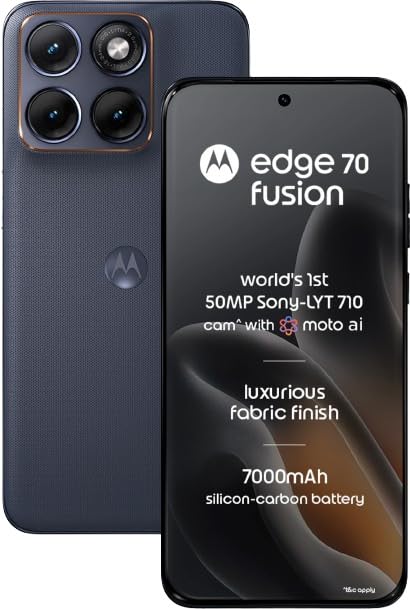
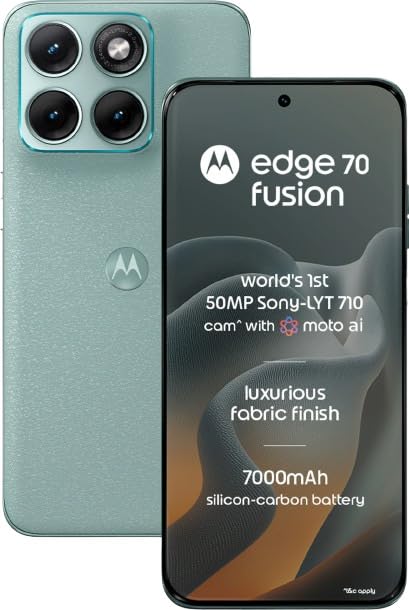

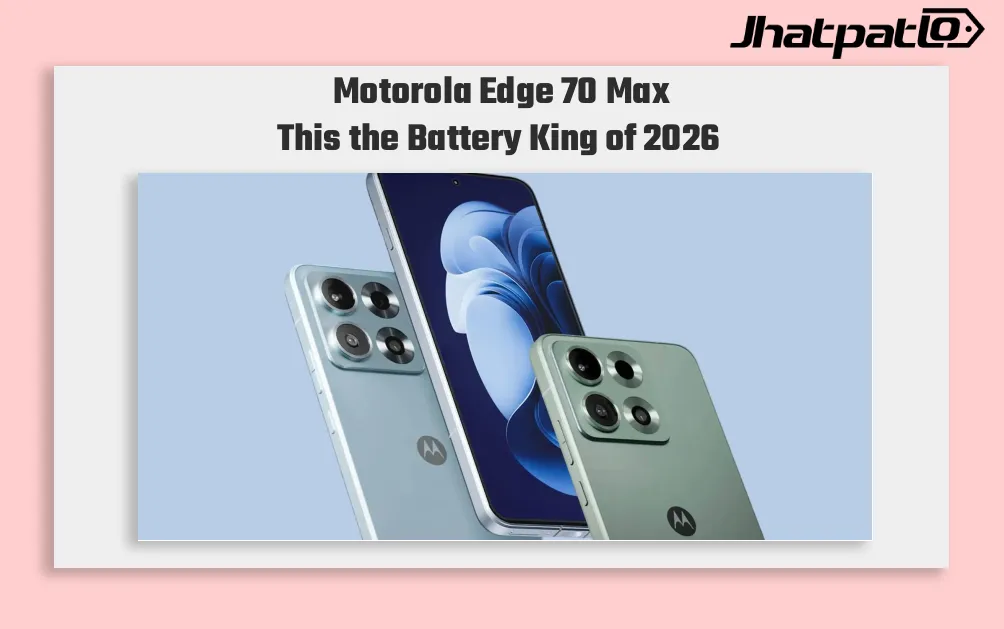
Motorola Edge 70 Max Launch Brings Snapdragon 8 Gen 5 and 7100mAh Battery
Motorola’s Edge 70 Max is shaping up as a launch focused on two things buyers tend to notice first: battery life and speed. Ahead of its July 15 debut in India, the device is being positioned as a flagship with a large battery, a new Snapdragon chip, and a few features that are still uncom...
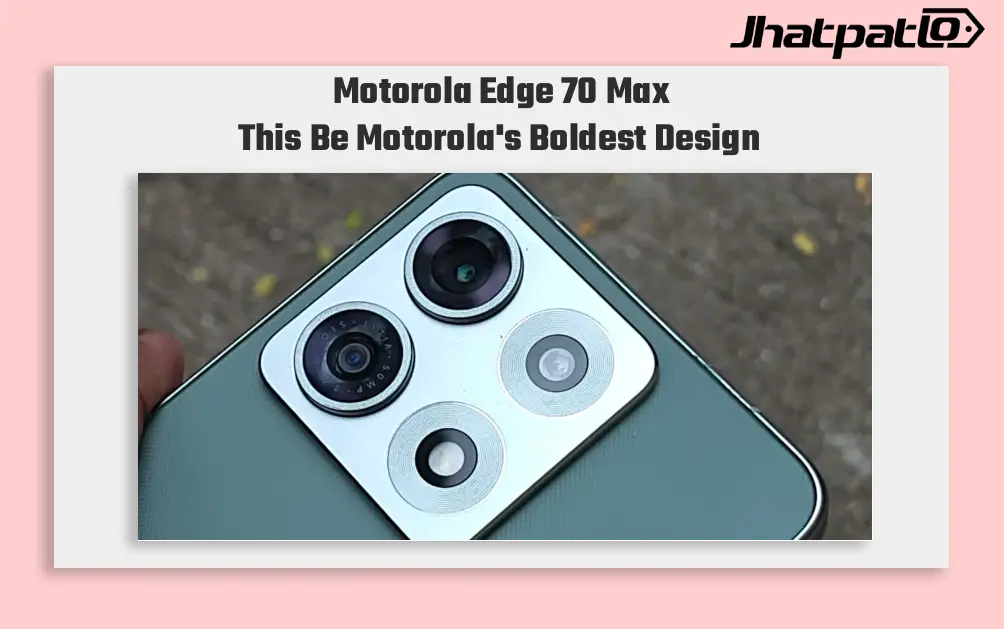
Motorola Edge 70 Max hands-on video reveals pale green design before launch
Fresh hands-on video footage of the Motorola Edge 70 Max gives an early look at the phone before its July 15 India debut. The leak highlights the device’s pale green finish, flat display, slim bezels, and raised square camera island, while later renders point to a large battery, fast charg...

Motorola Edge 70 Max Launching on July 15 With Snapdragon 8 Gen 5
Motorola is getting ready to launch the Edge 70 Max in India on July 15, and the early details make it one of the more interesting premium Android phones to watch this month. The company has already confirmed a 7,000mAh battery, 90W charging, Snapdragon 8 Gen 5, magnetic wireless charging, and a Qua...
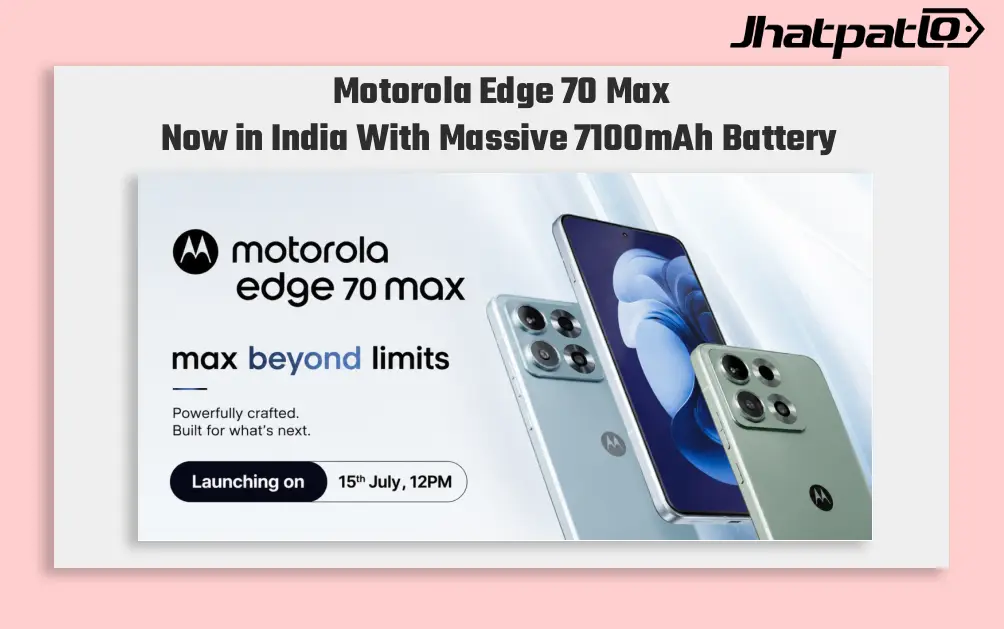
Motorola Edge 70 Max launch brings 7,100mAh battery to India
Motorola has launched the Edge 70 Max in India with a clear focus on battery life, but the phone is not stopping there. It also brings a Snapdragon 8 Gen 5 setup, a 50MP OIS camera, fast charging, and a premium display, giving buyers a flagship-style option without leaning only on enduranc...

Motorola Edge 70 Pro Launches in India at Rs 38,999 with Dimensity 8500
Motorola Edge 70 Pro arrives in India Motorola Edge 70 Pro Launches in India, with pricing starting at Rs 38,999 for the 8GB RAM and 256GB storage variant. The new smartphone goes on sale exclusively through Flipkart from April 29, and the launch offer can bring the starting price down to Rs...

Motorola Edge 70 Fusion Plus Unveiled With Triple Rear Camera and 5200mAh Battery
Overview Motorola has quietly introduced the Edge 70 Fusion Plus, a refreshed member of the Edge 70 family. The device centers on an upgraded camera system while keeping core performance features intact. The Edge 70 Fusion Plus uses a triple rear camera setup headlined by a 50‑megapixel S...