


Wobble One review uncovers hidden strengths and real weaknesses
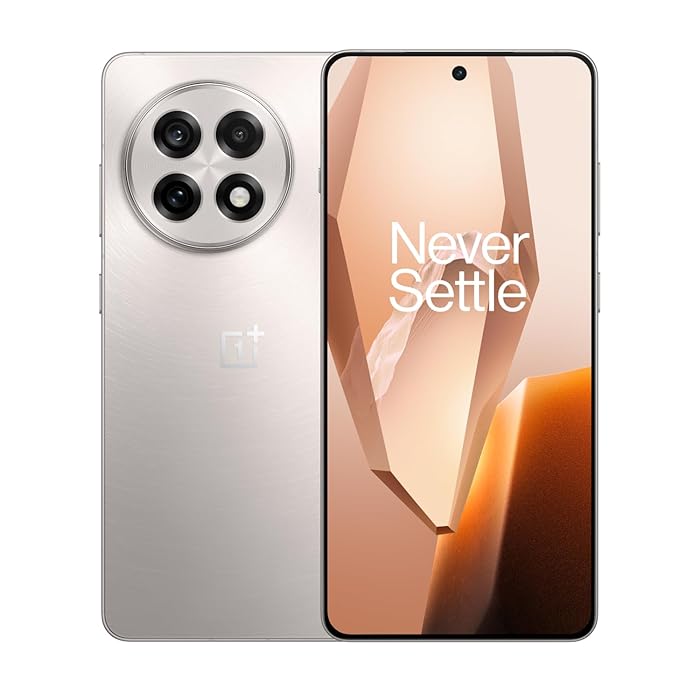
Wobble isn’t exactly a name most people would expect to see on a smartphone box, and that’s part of the fun here. In this Wobble One review, a company better known for TVs has stepped into the phone space with the Wobble One, and it doesn’t feel like a half-baked experiment. It looks premium, feels thoughtfully built, and tries hard to sell itself as a clean, camera-first Android phone with a few useful extras. That’s a bold move in a segment where first impressions disappear fast if the basics are off.
The tricky part is the price. The phone was announced at a more appealing starting point, but by the time it hit shelves, the cost had climbed to Rs 26,999. And once you cross that line, people stop calling something “promising” and start comparing it with phones that already have a track record. So the Wobble One enters the market with pressure on its shoulders. It has to justify itself with more than just good looks.
Quick Highlights
- Premium build with a slippery but classy glass back
- Bright AMOLED display with Dolby Vision support
- Clean software, though it feels a little bare
- Battery life is the biggest weakness
- Good daylight cameras, shaky low-light results
Design that feels more expensive than it is
The first thing you notice about the Wobble One is the camera module. It’s square, prominent, and a little too proud of itself. The design clearly borrows some visual cues from other premium phones, and while that’s not necessarily a bad thing, the camera bump is so large that the phone literally rocks when you place it flat on a table. Yes, the name suddenly makes too much sense. It’s a small annoyance, but it’s also the kind of thing you keep noticing.
The rest of the phone, though, is nicely done. The glass back has a soft, velvety feel that’s genuinely pleasant in the hand, and the aluminium frame gives it the right amount of sturdiness. At around 195 grams and roughly 7.95mm thick, it doesn’t feel awkward or bulky. It sits well in the palm and gives off the sort of premium vibe you’d normally expect from more established brands. That matters, especially in a first-generation device. A debut smartphone can look cheap very quickly if the design is off. This one doesn’t.
There is a catch, of course. The glass back is slippery enough that a case feels less like an accessory and more like a requirement. Also, there’s no official IP rating, so water resistance is not something you should assume here. On the positive side, you do get a 3.5mm headphone jack, which is rare enough these days to feel almost charming. For a lot of people, that alone will be a practical win.
| Smartphone | Thickness | Weight | IP Rating |
|---|---|---|---|
| Wobble One | 7.95 mm | 195 grams | NA |
| Motorola Edge 70 Fusion | 7.99 mm | 193 grams | IP68 + IP69 |
| OnePlus Nord CE 5 5G | 8.17 mm | 199 grams | IP65 |
So, on design alone, the Wobble One makes a good first impression. It feels like a phone that wants to belong in a higher price bracket, and that confidence does show.
Display: easy to like, easy to live with
The Wobble One comes with a 6.67-inch FHD+ AMOLED display with a 120Hz refresh rate, and this is one of the easier parts of the review to sum up: the screen is good. Brightness is solid, outdoor visibility is reasonable, and the viewing angles are excellent. You can tilt the phone, hold it low, or binge a video at some weird angle on the couch, and the display still looks nice.
Colours are punchy and vibrant without becoming cartoonish. That’s a fine line, and Wobble mostly walks it well. Social media, movies, and general scrolling all feel smooth and visually pleasant. The 120Hz refresh rate helps in a very immediate way too. Motion feels fluid, menus glide nicely, and the whole phone has a more premium touch because of that. You might not notice 120Hz in a spec sheet war, but you definitely notice it after a few minutes of use.
There’s also Dolby Vision support, which is a welcome inclusion at this price. YouTube HDR playback works, which is nice, although Netflix doesn’t make the same use of it here. Widevine L1 is present, so full-HD streaming is there across OTT apps. In plain English, the phone does the basics well and adds just enough extra polish to feel a bit special.
The stereo speakers are decent, but not perfectly balanced. The bottom speaker carries most of the sound, while the top one is more of a supporting act than a true partner. So the audio feels slightly lopsided, especially in landscape gaming or video viewing. It’s not awful, just not as refined as the rest of the hardware suggests it should be.
Battery life is where the shine fades
This is the part of the Wobble One that’s hardest to forgive. A 5,000mAh battery in a segment where rivals are often offering 6,000mAh or even 7,000mAh already sounds like a disadvantage. And in actual use, the phone doesn’t do enough to compensate.
In gaming tests, it dropped around 8 percent per hour. During YouTube streaming, it lost roughly 7 percent in an hour. Those numbers are simply below what you’d want at this price. The average in this segment tends to be better, and this is one of those cases where the smaller battery really does show up in daily life. If you’re someone who keeps brightness up, uses mobile data often, and jumps between apps, you’ll probably feel the strain sooner than you’d like.
Real-world usage paints the same picture. Expect around 5 to 5.5 hours of screen-on time if you’re using the phone actively. That’s not terrible in a vacuum, but it’s underwhelming when you consider what the competition offers. The PCMark battery result also landed at around 9.3 hours, which again places it on the weaker side of this category.
Charging isn’t fast enough to fully rescue the situation either. From 20 to 100 percent, it takes about 1 hour and 44 minutes. That’s not disastrous, but it’s not what you want when the battery itself is already behind. The included 33W charger is a nice touch, though, and at least the phone ships with what you need in the box. Still, if you’re away from a charger for long stretches, this is one area where the Wobble One can become mildly annoying, then very annoying, then the kind of annoying you start planning your day around.
Cameras do the friendly thing in daylight, then stumble at night
The Wobble One’s camera system is a mixed bag, but not a hopeless one. The main 50MP Sony LYTIA 600 sensor does a decent job in good lighting. The colours lean warm and natural, which gives photos a more lifelike feel than the overly processed output you often get from budget and midrange phones. Details are respectable in daylight, and the overall look is easy on the eyes. It’s the kind of camera tuning that makes a lot of casual shots look comfortable rather than aggressively sharpened.
That said, the weaknesses show up quickly once the light drops. Low-light performance is poor. Details soften badly, fine textures disappear, and light sources can bloom into hazy flares that wash over the scene. It’s one of those issues you’ll notice the first few times you shoot at night, and then keep noticing after that. The image can still look somewhat natural in colour, but the lack of detail hurts the experience more than you’d expect.
The 8MP ultrawide is fine for quick wide shots, nothing more. The 2MP macro camera feels like a box-ticking extra, which is pretty common but still a little disappointing. On the front, the 50MP selfie camera does a good job in daylight, with decent skin tone handling and sharp enough facial detail. It’s not flawless, but it gets the job done with enough confidence.
One thing that does stand out, and not in a good way, is camera lag. The app doesn’t feel especially quick when taking shots or switching modes. In everyday use, that slow response can be more frustrating than slightly average image quality. Because if a camera makes you miss the moment, good colours only help so much.
Performance and software: smooth enough, but not class-leading
Under the hood, the Wobble One runs on the MediaTek Dimensity 7400 with up to 12GB RAM and 256GB storage. That puts it squarely in the middle of the pack. It’s not slow, but it’s not a performance leader either. The phone feels responsive in regular use, and that’s helped a lot by the clean software approach. Apps open fairly quickly, multitasking works fine, and the overall experience remains calm rather than cluttered.
Benchmark numbers tell the same story. The Wobble One trails competitors like the Motorola Edge 70 Fusion and OnePlus Nord CE 5 5G, so if raw performance is your priority, you should look elsewhere. But day to day, the phone is perfectly usable. It doesn’t feel sluggish in a way that ruins the experience.
Sustained performance is actually fairly decent, with the phone holding about 73 percent of its peak output under stress. That means it doesn’t fall apart under longer sessions, which is a good sign for stability. Gaming is okay for casual players, although there’s no 120fps support in games like BGMI or Call of Duty Mobile, so you’re capped at 90fps there. Temperatures also rise a bit during gaming, around 6 degrees Celsius on average over an hour. Manageable, but warmer than ideal.
The software itself is one of the more interesting parts of the phone. It runs on Android 15 with a very stock-like feel, and that works in its favour. The interface is clean, easy to understand, and light on unnecessary clutter. You also get useful extras like Gemini, Circle to Search, and some AI features in Google Photos. So, if you like the idea of a phone that stays out of your way, the Wobble One gets that part right.
But it’s also a little bare. There isn’t much in the way of deep customization, and the software lacks the kind of clever adaptive touches that stronger Android skins have refined over the years. Small bugs pop up too, like lingering screenshot previews and a volume slider that occasionally misbehaves. None of this is catastrophic, but it does make the phone feel like an early effort rather than a polished statement.
And then there’s the update question. Wobble hasn’t made clear promises about long-term OS or security support, which is honestly a bigger issue than it sounds. When you’re buying a phone in this price range, you’re not just buying the hardware. You’re buying the next few years too. A vague roadmap doesn’t help.
So, is the Wobble One worth it?
The Wobble One is an interesting debut, and that’s probably the fairest way to describe it. It has real strengths. The design feels premium, the display is bright and enjoyable, and the clean software makes daily use easy. There’s a good phone in here, no doubt about it.
But it also has a few flaws that are hard to wave away. Battery life is weak for the segment, low-light camera performance is disappointing, and the lack of a clear software support policy makes the future feel uncertain. At Rs 26,999 for the base version, and going up to Rs 29,999 and Rs 32,999 for higher trims, it ends up in direct competition with more mature devices from Motorola and OnePlus. And those brands simply have more polish where it counts.
That’s the real story here. The Wobble One doesn’t fail because it’s bad. It falls short because the competition is already very good. For a first smartphone, this is a respectable showing and a genuinely encouraging start. But if you’re shopping in this price bracket right now, the safer bets still look stronger overall.
Maybe that changes with the next generation. Maybe Wobble finds its rhythm and fixes the obvious weak spots. For now, though, the Wobble One feels like a promising first chapter rather than a finished story. And honestly, that’s not nothing. Would you take a chance on a debut phone with obvious potential, or play it safe and buy the more polished rival?
Editor’s Rating: 8/10
Reasons to buy: premium, comfortable design; bright and immersive display; clean software; decent daylight cameras.
Reasons not to buy: poor battery life; night photography struggles; some software quirks; no clear update policy.
Related Products



Wobble X and K Series Debut in India With 80W Speakers and Gemini Enhanced Google TV
Indkal Technologies' Wobble brand launched its X and K series TVs in India on Tuesday. The Wobble X series is positioned as a gaming-focused lineup with up to 55-inch Ultra QLED display, powered by a DynamIQ Dual Processor and 80W speakers. The Wobble K series is available up to 65 inches and runs...
Oppo K14x 5G Arrives in India with a 6500mAh Battery and a 50MP Camera
Oppo K14x 5G at a glance Budget smartphones that actually feel solid are finally common, but the Oppo K14x 5G tries to stand out with one standout feature: a very big battery for the under Rs 15,000 range. If you’re after long days without hunting for a charger, this one could be worth a...
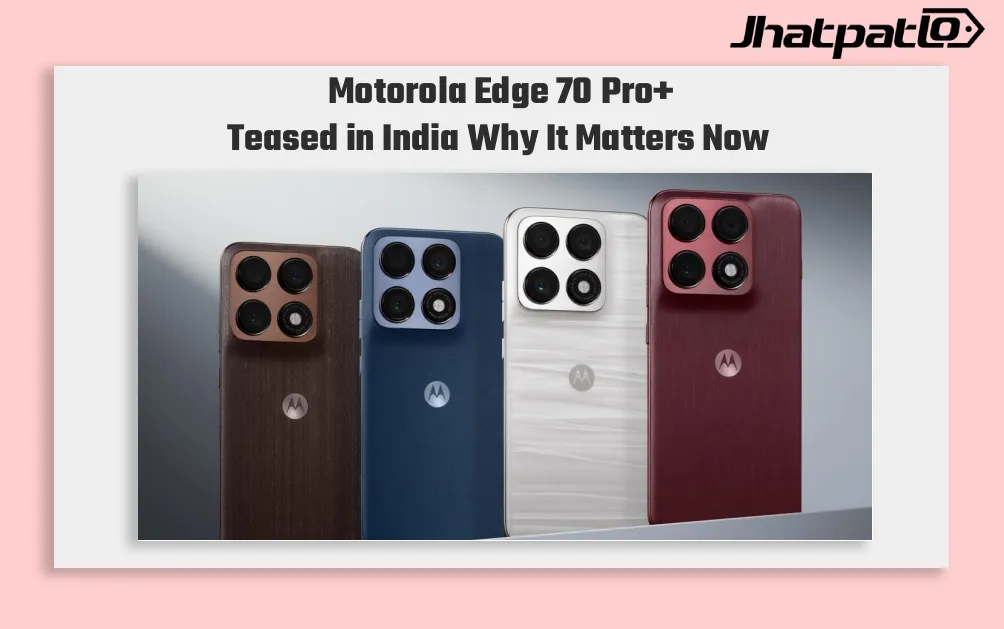
Motorola Edge 70 Pro+ Teased in India With Triple Camera and Textured Finishes
Motorola Edge 70 Pro+ teaser goes live on Flipkart Motorola Edge 70 Pro+ Teased in India through a Flipkart page even before a formal announcement from the company. The listing points to a launch coming within weeks of the standard Motorola Edge 70 Pro, while also showing triple rear cameras,...

Motorola Edge 70 Pro Launches in India at Rs 38,999 with Dimensity 8500
Motorola Edge 70 Pro arrives in India Motorola Edge 70 Pro Launches in India, with pricing starting at Rs 38,999 for the 8GB RAM and 256GB storage variant. The new smartphone goes on sale exclusively through Flipkart from April 29, and the launch offer can bring the starting price down to Rs...
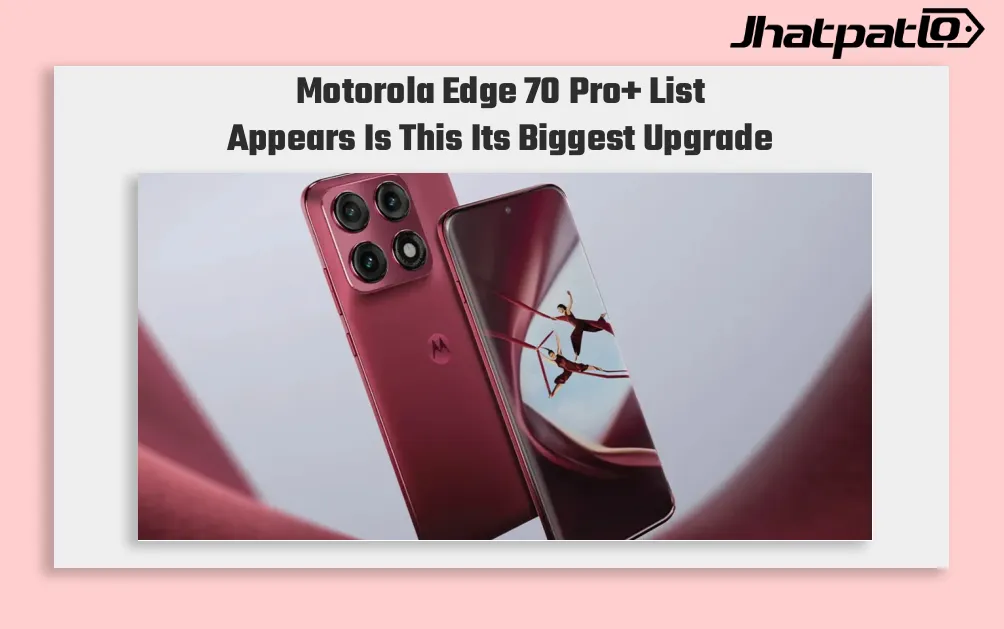
Motorola Edge 70 Pro+ Brings 6500mAh Battery Ahead of India Launch
Motorola Edge 70 Pro+ list appears with battery and camera focus Motorola’s upcoming Edge 70 Pro+ is set for an India launch on June 4, and the reported listing points to a 6,500mAh silicon-carbon battery, triple 50MP cameras, and a periscope zoom lens. The phone is also said to run Android 16 o...
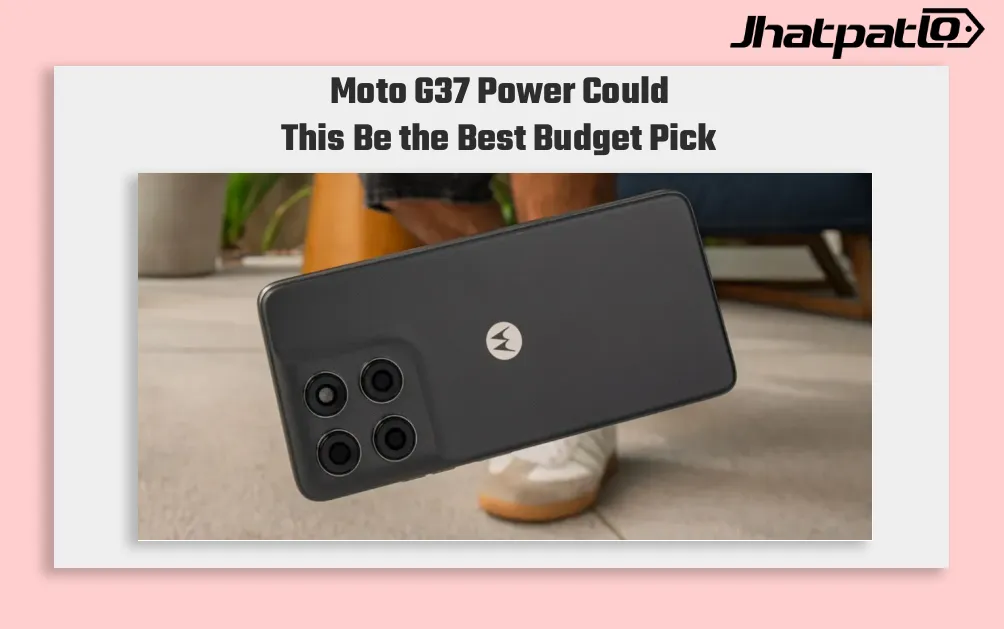
Moto G37 Power Launches in India With 7000mAh Battery and Dimensity 6400
Moto G37 Power arrives with battery first focus Moto G37 Power Launch in India, putting a 7,000mAh battery at the center of its latest budget phone push. The device starts at Rs 14,999 and will go on sale from May 25 through Flipkart. The phone runs on the MediaTek Dimensity 6400 chipset and sh...