


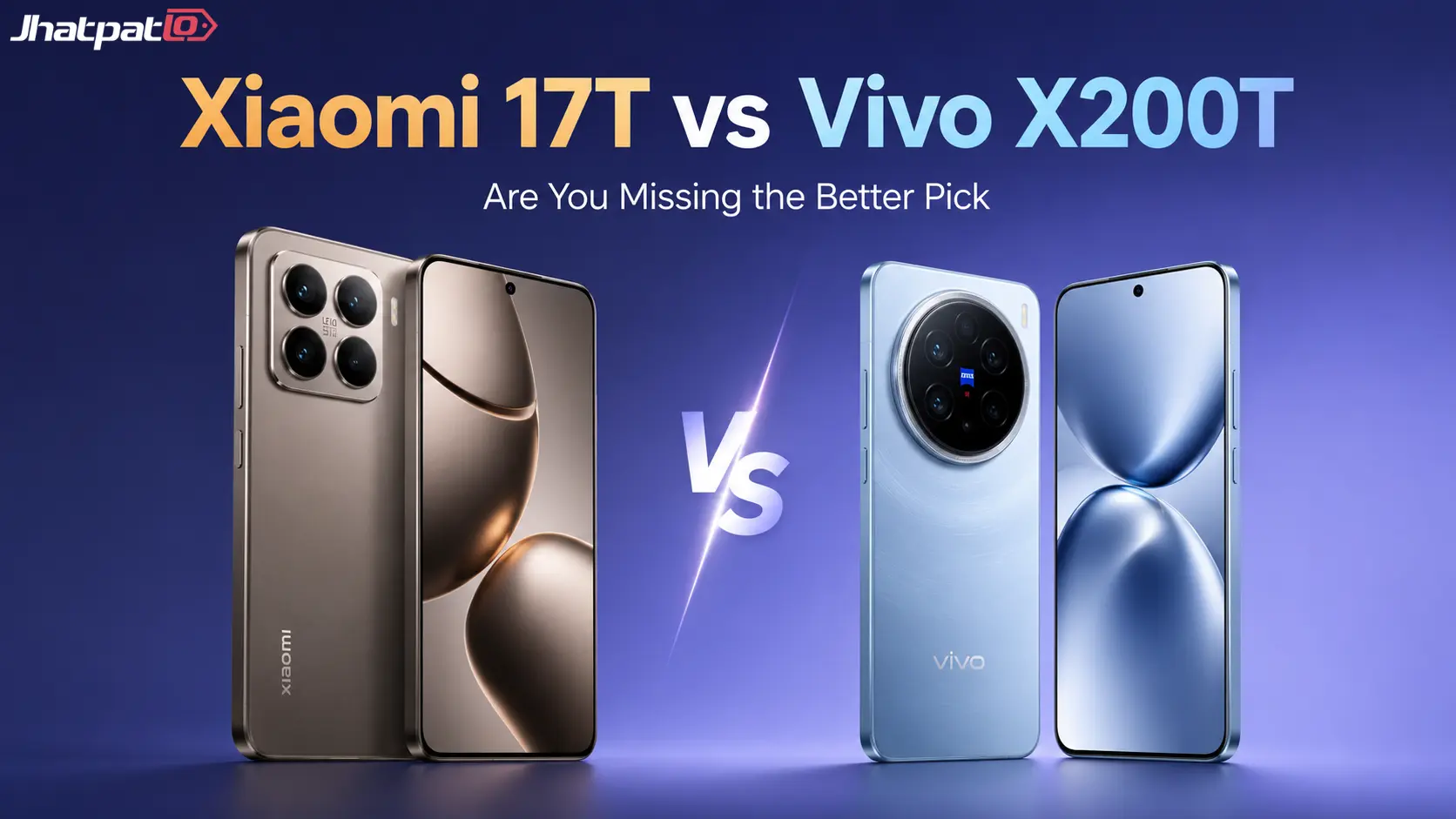
Xiaomi 17T vs Vivo X200T: one looks sharper, the other feels more complete
Introduction
The Xiaomi 17T vs Vivo X200T comparison gets interesting fast, because this isn't really a battle of specs on a page. It's more about which phone keeps making sense after the first few days, once the shiny stuff fades and the little annoyances show up.
Both phones are trying to offer flagship-style camera performance at sub-Rs 60,000, but they’re clearly aiming at slightly different people. If you care about how a phone feels in daily use, that split matters more than it first seems.
Quick Highlights
- Xiaomi feels sharper in portraits and gaming
- Vivo is more complete for everyday camera use
- Vivo charges faster and feels more polished
- Xiaomi’s thermals are easier to live with
What they feel like before you even open the camera
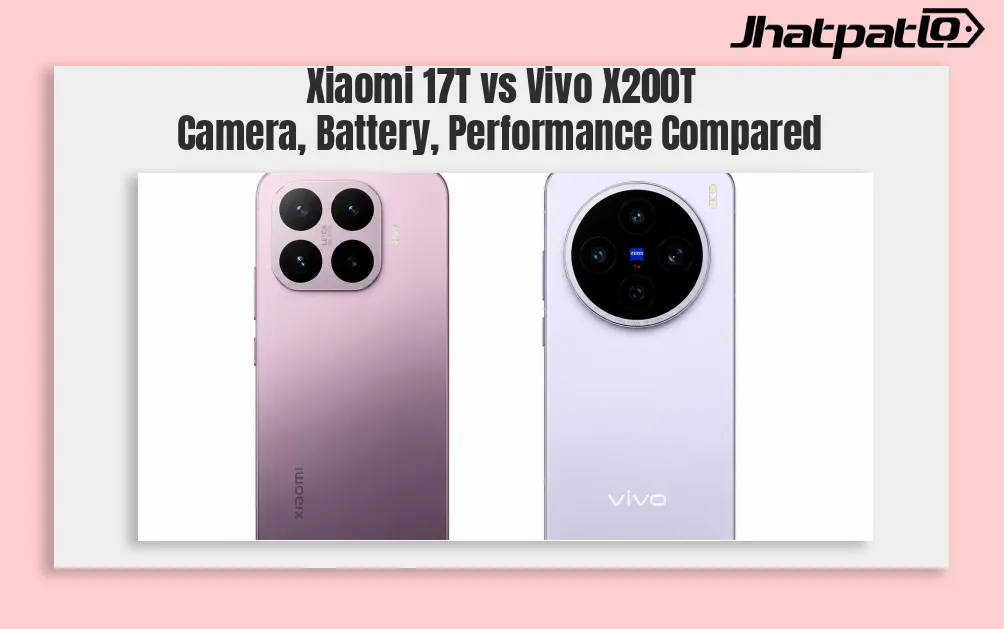
Before you shoot anything, the difference is already there in hand. The Xiaomi 17T and Vivo X200T are close in size and both borrow design cues from their pricier siblings, but they don’t land the same way.
Xiaomi’s plastic frame, Gorilla Glass 7i, and optical fingerprint scanner make it feel like the more affordable phone. Vivo’s aluminium build, ultrasonic scanner, and slimmer shape do a better job hiding the compromises. Still, Xiaomi has the cleaner visual identity, and that can absolutely win people over.
Where the camera story actually splits
This part is not just Leica versus Zeiss, or 5x versus 3x telephoto. It’s really about what each brand thinks a good photo should look like.
Xiaomi keeps things cleaner and more straightforward with its camera app and triple-camera setup, while Vivo leans harder into AI-powered photography tools and heavier processing. So, Xiaomi can feel more natural in some shots, but Vivo is often more dependable when the scene gets tricky.
Daylight, ultrawide, portraits, selfies, night — and the weirdly uneven wins
In daylight, the Vivo X200T usually takes the lead for detail, colour accuracy, and exposure. Xiaomi’s main camera can look a bit too bright, even slightly washed out.
Ultrawide shots are less tidy. Vivo stays closer to reality, but Xiaomi often gives you the cleaner-looking image. Portraits swing back toward Xiaomi, because that 5x periscope helps with sharper detail, better skin tone, and less of Vivo’s beautification haze. Selfies and low light tilt back to Vivo, especially once flare control matters.
| Scenario | Xiaomi 17T | Vivo X200T |
|---|---|---|
| Daylight | Can overexpose | More accurate and detailed |
| Portraits | Sharper, more natural | Softer, more processed |
| Selfies | Solid, but not standout | Clearer, more appealing |
| Night | Pleasing, but behind | Better controlled and cleaner |
Display, audio, and the bits you notice without trying
On paper, the AMOLED panels aren’t far apart, and in normal use the gap is smaller than either brand would like to admit. But Vivo’s 5,000-nit panel is the one that holds up better outdoors.
Xiaomi fights back with 1.5K resolution and louder stereo speakers, which makes it nicer if you care about screen sharpness and audio weight. This is where the comparison starts feeling less like a camera duel and more like everyday comfort.
Performance, software, battery: the less glamorous part, which matters more than it should
The Vivo X200T is the faster phone in benchmarks and feels snappier in regular use, but the Xiaomi 17T behaves better when pushed for longer periods.
- Vivo’s OriginOS 6 feels more polished and feature-rich
- Xiaomi’s HyperOS 3 is better for ecosystem integration
- Vivo charges faster
- Xiaomi has the bigger 6,500mAh battery, but not the best endurance story
Thermals, throttling, and the awkward truth about sustained use
Xiaomi holds up better under heavy gaming and long workloads, even if the Vivo X200T wins the headline benchmark numbers. The Xiaomi 17T’s lower temperature rise and stronger Burnout CPU Throttle result make it the safer pick for sustained performance. Vivo’s raw power is real, but it’s not quite as neat under pressure.
Charging speed changes the mood of the whole phone
The Vivo X200T’s 90W Flash Charging is the kind of thing people remember after the specs fade. Xiaomi’s 67W Hyper Charging v3.0 doesn’t feel bad, but next to a 44-minute full charge, it starts looking leisurely.
FAQ
The questions here usually come from readers trying to decide whether to trust the camera hype, the battery numbers, or the brand reputation they already have in mind.
Q: Is the Xiaomi 17T better for portraits?
Yes, and it’s not especially close. The 5x telephoto camera gives Xiaomi the cleaner portrait look, better detail, and more natural skin tone most of the time.
Q: Does the Vivo X200T have the better all-round camera?
It does. Vivo is more consistent across daylight, selfies, and low light, even if Xiaomi can beat it in a few specific scenes.
Q: Which phone is better for gaming and sustained performance?
The Xiaomi 17T handles long sessions more comfortably. The Vivo X200T is faster in bursts, but Xiaomi’s thermals are easier to live with.
Q: Which one should you buy if charging speed matters most?
Vivo X200T. The 90W charging makes a bigger everyday difference than the battery size gap would suggest.
Conclusion
The Xiaomi 17T wins the parts of the comparison that feel more tactile — portraits, speakers, thermals, and a cleaner-looking design — while the Vivo X200T quietly collects the more convincing overall wins.
If you want the phone that looks better on paper and behaves better in daily use, Vivo is the safer pick; if the sharper portrait story and stronger sustained performance matter more, Xiaomi still has a case.

Aman Dixit
✉ aman79dixit@gmail.comRelated Products



Xiaomi 17T vs Vivo X200T: The Real Difference Isn't the Price
In India’s premium sub-flagship segment, Xiaomi 17T and Vivo X200T arrive at the same starting price but solve different buyer needs. Xiaomi focuses on battery life, storage value and zoom, while Vivo leans on faster performance, quicker charging and longer software support.Xiaomi 17T vs Vivo X200T...
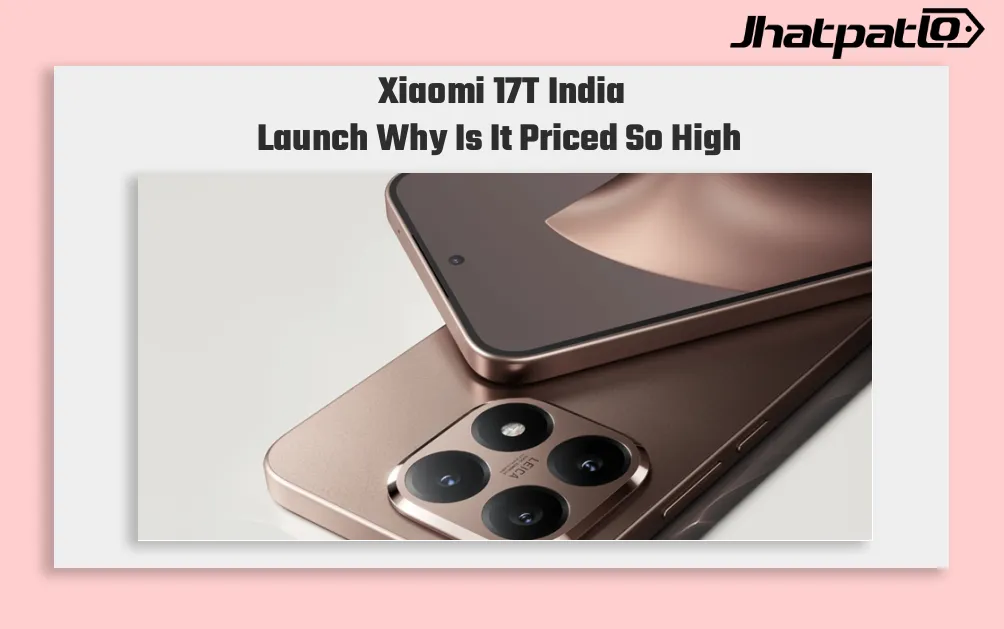
Xiaomi 17T India Launch Puts Camera Focus Above Raw Value
Xiaomi confirms June 4 India launch for 17T Xiaomi 17T India Launch on June 4, and the phone is already drawing attention for the gap between its premium positioning and its chipset choice. The device is expected to use the Dimensity 8500 Ultra, the same processor already seen in lower-priced...
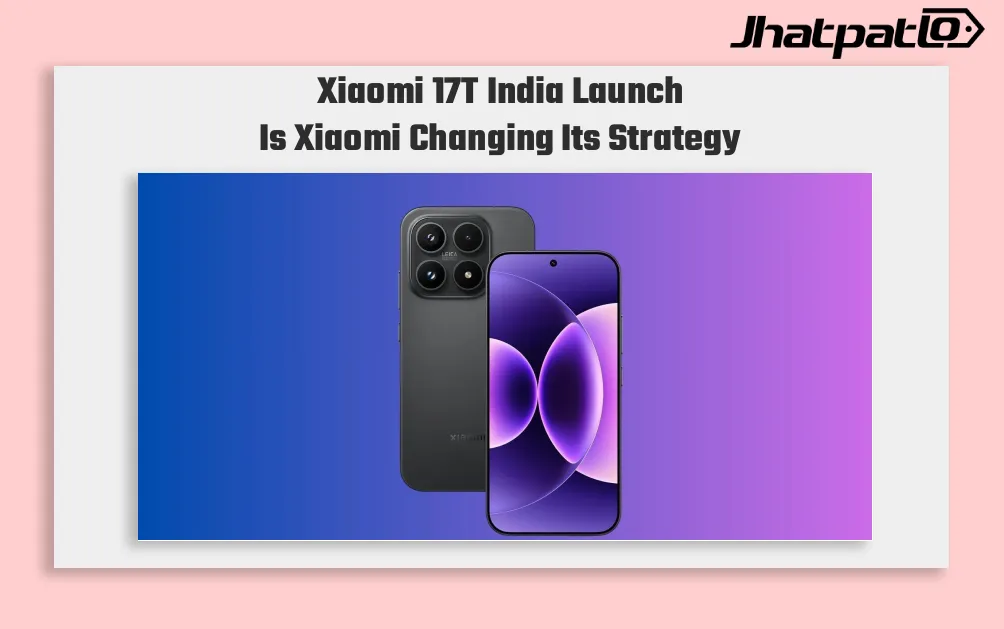
Xiaomi 17T India Launch Set for June 4 After Four Year T Series Gap
Xiaomi brings back the T series in India Xiaomi 17T India Launch for June 4, marking the company’s first T-series release in the country since 2022. The device enters the market as premium mid-range and sub-flagship phones keep moving closer to flagship pricing, giving Xiaomi a chance to retu...
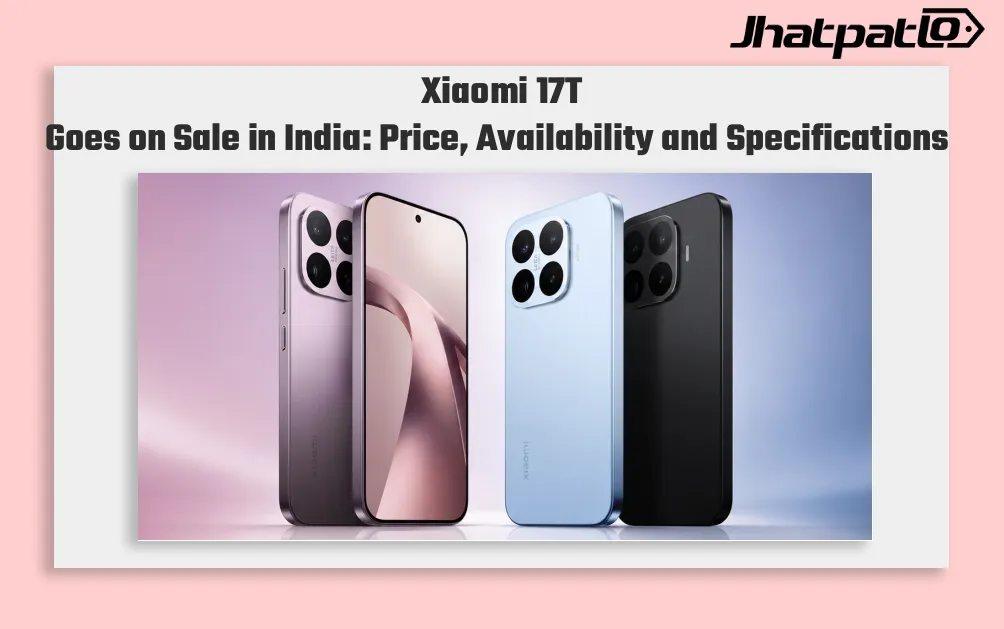
Xiaomi 17T Now on Sale in India With Dimensity 8500 Ultra and 6,500mAh Battery
Xiaomi 17T is now on sale in India through Xiaomi’s online store, Amazon.in, and retail outlets, with pricing starting at Rs 59,999. The phone combines a Dimensity 8500 Ultra chip, Leica-backed cameras, HyperOS 3, and a 6,500mAh battery, putting it in a crowded upper-midrange segment where spe...
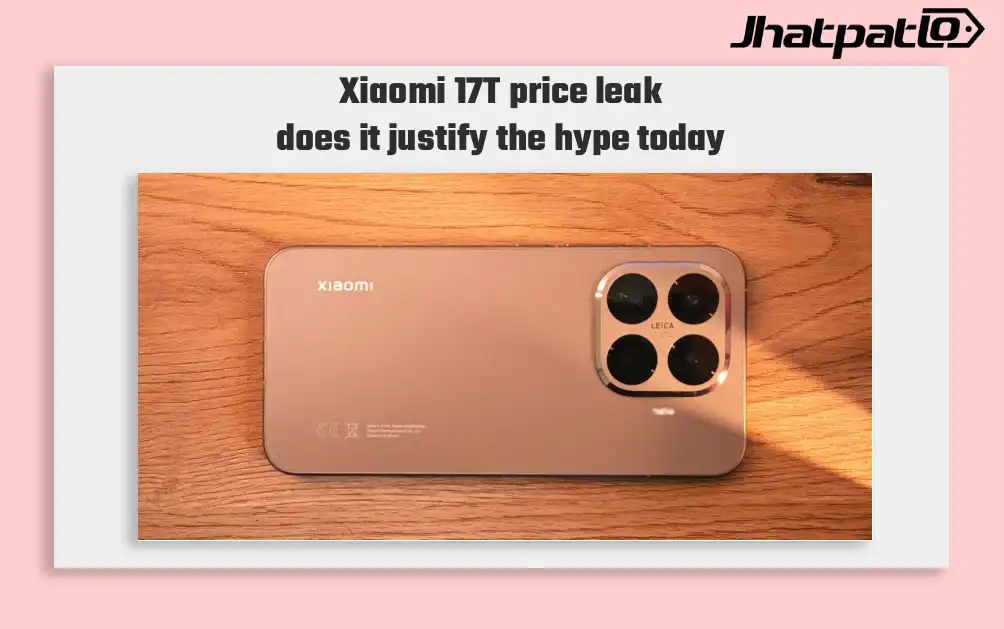
Xiaomi 17T Leaked With 6500mAh Battery 120Hz Display And €749 Price
Xiaomi 17T and 17T Pro specs leak before launch A new leak has listed what appears to be the full specifications and pricing for the Xiaomi 17T and Xiaomi 17T Pro, after the Xiaomi 17T was recently certified in Brazil and spotted in the Geekbench database. The details point to AMOLED displays...

Vivo S60 Leak Shows 7200mAh Battery Focus Before China Launch
Vivo S60 series surfaces on China Telecom before launch The Vivo S60 series has appeared on China Telecom listings just days before its expected China launch on May 29, with the standard Vivo S60 and the S60 Vitality Edition both showing 7200mAh batteries, Android 16, and 6.59-inch displays....