


Xiaomi Pad 9 Pro Max AnTuTu Tops Android Tablet Race
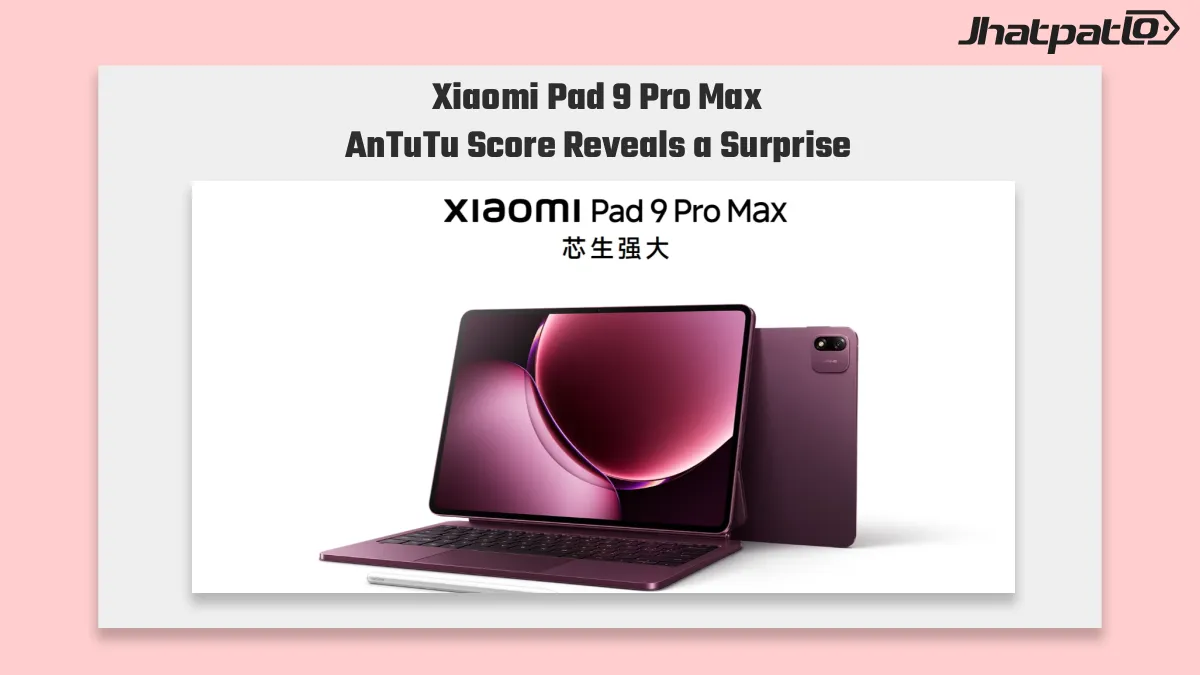
Xiaomi Pad 9 Pro Max AnTuTu results put the 13.3-inch slate ahead with Xring O3, 16GB LPDDR6 RAM and 1TB storage. That benchmark lead matters because it shifts the Android tablet leaderboard 2026 toward Xiaomi in the premium tier.
The Xiaomi Pad 9 Pro Max AnTuTu score puts the tablet in the spotlight in the Android tablet performance race. Its reported benchmark result highlights the processing power, memory speed and thermal performance that matter to users looking for a fast Android tablet.
The result stands out because tablet performance depends on processing power, thermal management and memory speed. The Xiaomi Pad 9 Pro Max AnTuTu score puts the tablet in the spotlight for anyone comparing the fastest Android tablets.
What You Need to Know
- Xiaomi Pad 9 Pro Max has moved to the front of the Android tablet benchmark race, with AnTuTu results placing it ahead of the current field in the premium segment.
- The tablet pairs Xiaomi’s Xring O3 chip with 16GB LPDDR6 RAM and 1TB storage, a combination that points to high-end performance rather than a basic productivity setup.
- The closest rival mentioned in the outline is the iQOO Pad Ultra, which still relies on Snapdragon 8 Elite Extreme Gen 6 and an active cooling fan to remain competitive under heavier loads.
- This is Xiaomi’s second major win tied to its custom silicon effort after the 18 Fold, which adds more weight to the company’s in-house chip strategy.
Xring O3 Tablet Benchmark Beats iQOO Pad Ultra Cooling Fan
The key takeaway from this tablet benchmark comparison is simple: Xiaomi’s Xring O3 appears to have edged past a strong rival without depending on the same cooling approach. The iQOO Pad Ultra is still described as leaning on Snapdragon 8 Elite Extreme Gen 6 and an active cooling fan to stay close in demanding workloads, which tells you how tightly matched the premium tablet field has become.
That matters because benchmark runs are not only about burst speed. In long or repeated loads, thermal behavior can change the result quite a bit. The outline points to Xiaomi delivering a cleaner result, while the iQOO side uses LPDDR5X Ultra memory and extra cooling to keep pace. For anyone watching Android tablet performance, that makes the comparison more than just a headline number.
It also shows how the race is evolving. Tablets are now being judged less like simple media devices and more like portable performance machines. When one model can post a leading AnTuTu result with a custom chip, the conversation shifts toward sustained speed, memory setup, and how much thermal headroom the design offers.
Xiaomi Custom Silicon Tablets Gain Credibility After 18 Fold
This win is more than a single benchmark result. According to the outline, it is Xiaomi’s second high-profile success from its own chip program after the 18 Fold. That kind of follow-up matters because one strong result can be written off, but a second one starts to build a pattern.
The 13.3-inch size of the Xiaomi Pad 9 Pro Max is relevant here too. A larger premium tablet chassis generally provides more room for heat dissipation than a foldable, and that gives custom silicon a better environment to show its strengths. The outline does not claim anything beyond that, but the implication is clear: Xiaomi is no longer testing the waters with in-house chips.
For readers trying to understand the bigger picture, this puts Xiaomi custom silicon tablets in a more serious light. The company now has back-to-back visibility in performance discussions, first with the 18 Fold and now with the Pad 9 Pro Max. In practical terms, that should make buyers and reviewers watch Xiaomi’s chip program more closely in future Android tablet launches.
There is still one important caveat. Benchmark leadership does not automatically mean the same experience in every task, and it does not replace long-term testing across apps, battery life, or heat under mixed workloads. But based on the facts in the outline, Xiaomi has clearly claimed an early advantage in the premium Android tablet race.

Related Products






Xiaomi Pad 8 Price Hiked by Up to ₹3,000 in India
Xiaomi Pad 8 price hike in India has gone up by as much as ₹3,000, affecting the base model, Nano Texture variant, and Pen bundles. The tablet now starts at ₹38,999, while the highest bundles go up to ₹50,999, making the premium mid-range segment a little tighter for buyers. Xiaomi Pad 8...

Xiaomi Pad 9 BIS certification points to India launch
Xiaomi Pad 9 BIS certification has surfaced for model 26103RP65I, the India-specific unit already linked to HyperOS 9 code leaks. The filing does not confirm specs or launch timing, but it is a clear sign the tablet is moving closer to an India debut. The Xiaomi Pad 9 BIS certification co...
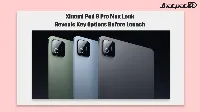
Xiaomi Pad 9 Pro Max leak points to color and memory options before launch
Xiaomi Pad 9 Pro Max leak details point to a large flagship tablet with up to 16GB RAM, 1TB storage, a 120W charger in the box, and a 13-inch soft-light display. The early information also suggests a red finish, a 10000mAh-plus battery, and a 650g weight, placing Xiaomi’s top Pad 9 model i...

Xiaomi Pad 8 price hike raises India tablet costs by up to Rs 3,000
Xiaomi and Redmi tablets in India are getting costlier, with the biggest increase touching the Xiaomi Pad 8 lineup by up to Rs 3,000. The new pricing affects both premium and mid-range models, including Pen bundles and Nano Texture variants, which changes the value equation for buyers watc...

Xiaomi Pad 9 Pro launch brings 144Hz display and Snapdragon 8 Gen 5
Xiaomi Pad 9 Pro launch brings a 12.5-inch 3.2K LCD, 144Hz refresh rate, and Snapdragon 8 Gen 5 to the top of Xiaomi’s China tablet lineup. The standard Xiaomi Pad 9 also arrives with a 144Hz 3.2K display, so the real difference comes down to performance, battery, and higher-end features....