


Apple Reportedly Tests AirPods Cameras for AI Features

Apple is testing AirPods that can interpret the real world through cameras
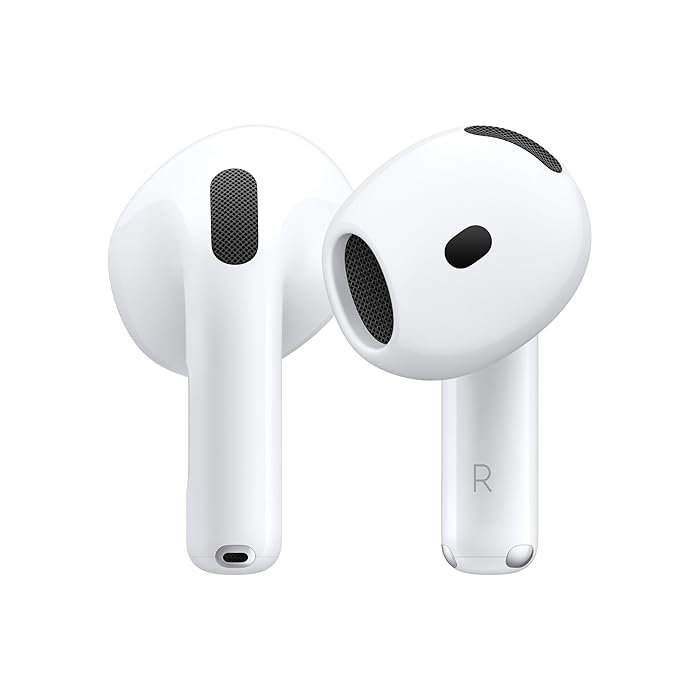
Apple is reportedly testing AirPods with built-in cameras as part of a push toward AI features that rely on environmental context rather than simple voice commands. The cameras are said to be designed for understanding what users are looking at in real time, not for taking photos or recording video.
The work is described as being in late-stage testing, specifically the Design Validation Testing phase. The AirPods prototypes are said to use camera-equipped hardware in a style similar to AirPods Pro, with the visual input feeding into Siri and Apple Intelligence to help the devices understand surroundings and user activity.
This is not being framed as a camera product in the usual sense. The emphasis is on passive AI computing, where the device senses context in the background and reacts without requiring repeated commands. That places AirPods in a different role from standard wireless earbuds, moving them closer to an AI input layer inside Apple’s wider ecosystem.
Apple’s reported work also points to a broader shift in wearable computing. Instead of building a separate device category from scratch, the company appears to be exploring how a mainstream product already worn by millions could be adapted for ambient AI. The approach suggests a move toward intelligence that is embedded in everyday hardware rather than confined to screens or standalone gadgets.
Apple’s wider plan centers on invisible AI inside familiar hardware
The reported AirPods testing comes as Apple continues to build out Apple Intelligence and prepare delayed Siri upgrades. In that context, camera-equipped AirPods would not stand alone. They would fit into a system built around context awareness, with the device using visual information to support more responsive interactions.
According to the supplied material, Apple’s approach is different from much of the wearables market, where smart glasses or separate AI devices have drawn more attention. Here, the idea is to add perception to a product people already use daily. That matters because the change is not only technical. It changes the shape of the interface itself.
One of the clear themes in the input is passive assistance. Instead of waiting for a user to ask Siri what to do, the device may be able to understand what the user is already doing. That could make AI feel less like an app and more like a background layer inside the product. The source material describes this as a shift toward environment-first intelligence.
The article angle also points out that Apple may be trying to avoid a direct contest with smart glasses while still entering the same capability space. By using AirPods, the company would be moving into ambient AI through a familiar wearable rather than through a new visual device. The strategy, as described, is to make intelligence less visible but more constant.
What the reported AirPods testing includes
- AirPods prototypes in late-stage testing
- Design Validation Testing phase mentioned in the input
- Built-in cameras inside AirPods Pro-style hardware
- Cameras intended for environmental understanding, not photo capture
- Visual context feeding Siri and Apple Intelligence
- Possible LED indicator system to show visual data processing
The supplied material also says the early models would likely be expensive and dependent on Apple Intelligence features. It does not give a launch date, and it does not say the product is confirmed for release. For now, the detail is that Apple is testing the idea at an advanced stage.
Another point in the input is privacy. The use of cameras in a familiar wearable could change how users think about sensing and ambient data. The material notes that an LED indicator system is planned to signal visual data processing, which suggests Apple is considering how the feature would be presented while in use.
That leaves AirPods in a new category if the testing moves forward. They would remain audio hardware, but with an added sensing role that extends into AI context awareness. The broader direction is clear from the provided transcript: Apple is exploring how to make everyday wearables function as the company’s most accessible AI interface, with cameras used to understand the world around the user rather than to capture it.
Related Products




iOS 27 Leak Shows Apple Rebuilding Siri Around AI Search
Apple appears to be reshaping Siri inside iOS 27 Leaked iOS 27 illustrations suggest Apple is preparing a redesigned Siri experience built around AI search, Dynamic Island access and a new Search or Ask interface. The reported changes point to a broader shift in how Apple may place artificial...

OpenAI AI Smartphone Could Enter Production in 2027 With MediaTek Chip
OpenAI’s first OpenAI AI smartphone may enter mass production in the first half of 2027, according to analyst Ming-Chi Kuo, marking a move forward from earlier expectations that pointed to a 2028 timeline. The report suggests the company is preparing a custom hardware push built around AI-firs...

Apple Expands AI Wearables Beyond iPhone with Glasses and Pendant in Development
Apple AI Wearables in Development Apple is reportedly pursuing a new wave of AI-centric hardware beyond the iPhone and Vision Pro, with early prototypes already tested internally. A Bloomberg report by veteran tech journalist Mark Gurman outlines a lineup that reportedly includes smart glasses, cam...

Pixel 11 Leak Reveals Pixel Glow LED and Possible Thermometer Removal
A Pixel 11 leak from the Mystic Leaks Telegram channel points to a notable design shift in Google’s upcoming flagship phone lineup. The report says Google may remove the thermometer sensor from Pro models and replace it with a new RGB LED system called Pixel Glow, alongside Tensor G6 chip u...

Safari’s Automatic Tab Feature in iOS 27 Could Change Browsing Today
Safari’s Automatic Tab Grouping Shifts Tab Management Away From Manual Control Apple is reportedly testing a Safari update in iOS 27 that could automatically organize tabs into topic-based groups. The same change is said to be planned for iPadOS 27 and macOS 27, with the feature building on Safa...

Apple AirPods with Built-In Cameras Could Launch in Late 2027
Apple’s camera-equipped AirPods are now tipped for late 2027, according to Bloomberg’s updated timeline. The reports point to Visual Intelligence features and new privacy indicators as Apple continues shaping its AI wearables strategy. Bloomberg’s latest reporting suggests Apple is taking...