


Camera Equipped AirPods Won’t Record Video in Apple’s 2027 Plan

camera equipped AirPods are reportedly being built as AI sensors, not tiny recorders, with Apple aiming to keep them from saving viewable video. That privacy-first approach points to a 2027 launch shaped around real-time context, not wearable footage, in the premium wireless audio segment.
The camera equipped AirPods 2027 may use built-in cameras mainly for AI features rather than video recording. Apple could use the cameras to understand surroundings, provide context-aware assistance, and improve user interactions while prioritizing privacy. This approach may help Apple add smarter features without turning AirPods into a conventional recording device.
For readers tracking Apple’s next hardware move, the key detail is simple: the cameras are expected to support context awareness, not video capture. That changes the purpose of AirPods in a noticeable way, and it also helps explain why Apple is leaning on a no-recording approach across more than one device idea.
News Highlights
- Apple’s camera equipped AirPods are reportedly being designed to read the environment and support AI features, rather than function as miniature video recorders.
- The plan appears tied to a 2027 launch timeline, with the focus on real-time awareness instead of saving viewable footage.
- Reported uses include quick AI queries about objects, rooms, or books, which would make the AirPods more context aware in everyday use.
- Apple is also said to be using the same no-recording camera idea for its unannounced home device and rumored smart glasses.
AirPods with Built in Cameras Could Answer What You’re Looking At
The reported camera system inside AirPods is expected to serve a specific purpose: helping Apple AI understand what a user is looking at. That could mean asking quick questions about a book on a table, an object nearby, or even the layout of a room. In other words, the cameras would act more like sensing tools than traditional image-capturing hardware.
That distinction matters. According to the outline, Apple wants to avoid creating AirPods that save viewable video. Instead, the device would focus on context aware features that support Siri-style assistance in a more ambient way. This fits a broader shift in consumer tech, where devices are increasingly expected to respond to the environment rather than simply record it.
If the reported approach holds, the user experience would likely feel more immediate and less intrusive. The AirPods would not be positioned as a wearable camera product. They would sit in the category of audio hardware with added AI awareness, which is a different use case altogether.
There is still uncertainty around the exact implementation. The outline does not specify camera type, image processing method, or how much of the visual data is analyzed on-device. What is clear is the intended direction: Apple appears to be exploring AirPods as a way to make everyday objects around the user more readable by AI.
Apple Smart Glasses Camera Rumors Point to the Same No-Recording Rule
The same design philosophy is reportedly showing up in Apple’s other hardware plans too. The outline says Apple is applying the no-recording camera sensors idea to its unannounced home device and rumored smart glasses. That suggests the company is not treating this as a one-off feature, but as part of a larger product strategy.
For the home device, the goal seems to be environmental context recognition. That means the cameras would help the system understand what is around it, rather than create a user-facing video product. The same logic would also apply to smart glasses, where the line between useful context and privacy concern can become very thin.
This is probably why the reported emphasis on non-recording matters so much. It keeps Apple’s camera-powered efforts centered on assistance, not surveillance. In practical terms, that could make the idea easier for users to accept, especially if Apple wants to bring cameras into categories people wear or keep in private spaces.
Apple has not detailed these products in the outline, and many specifics remain unconfirmed. Still, the pattern is consistent across the reported devices. Cameras are being framed as tools for recognition and AI support, not as a way to capture shareable video. For Apple, that may be the cleaner path as it builds its next AI hardware category.
Based on the available details, the larger story is not that AirPods are becoming tiny cameras. It is that Apple is experimenting with camera sensors as a background layer for context aware computing. If the reported 2027 plan comes together, the most important change may be what the devices understand, not what they record.

Related Products

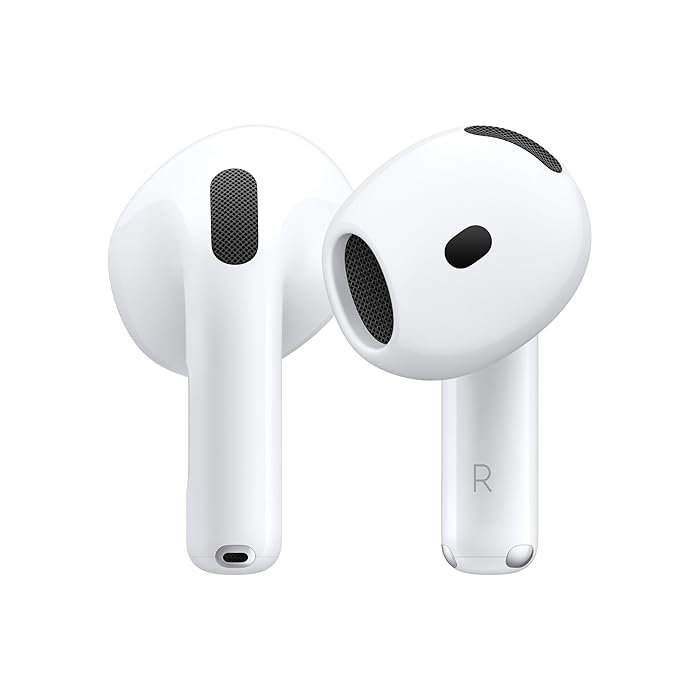




Apple’s Camera-equipped AirPods launch 2027 still delayed after macOS leak
Apple’s camera-equipped AirPods still appear headed for a 2027 launch, even after a macOS Tahoe 26.7 leak made the project look closer than it is. The leaked references point more to testing and software work than a near-term release, with supply chain and software issues still shaping the...

Camera Equipped AirPods Leak Shows Visual Intelligence in macOS Tahoe
Camera equipped AirPods leak shows details surfaced in the macOS Tahoe 26.7 RC, and the demo points to a new kind of Apple wearable AI. In the clip, the earbuds appear to spot a book and suggest saving it, which hints that Siri could use nearby visuals for context rather than just audio....

Apple Reportedly Tests AirPods Cameras for AI Features
Apple is testing AirPods that can interpret the real world through cameras Apple is reportedly testing AirPods with built-in cameras as part of a push toward AI features that rely on environmental context rather than simple voice commands. The cameras are said to be designed for understanding wh...

AirPods 5 with ANC May Debut at Apple’s September 2026 Event
AirPods 5 with ANC is now linked to Apple’s September 2026 event, where the company may split the lineup into a standard model and a pricier version with noise cancellation. If that happens, Apple would give buyers a clearer choice and could strengthen its position in the midrange wireless...

Apple AirPods with Built-In Cameras Could Launch in Late 2027
Apple’s camera-equipped AirPods are now tipped for late 2027, according to Bloomberg’s updated timeline. The reports point to Visual Intelligence features and new privacy indicators as Apple continues shaping its AI wearables strategy. Bloomberg’s latest reporting suggests Apple is taking...