


Haier vs IFB for Tough Stains: Which Washing Machine Handles Grease, Mud, and Heavy Dirt Better?
Introduction
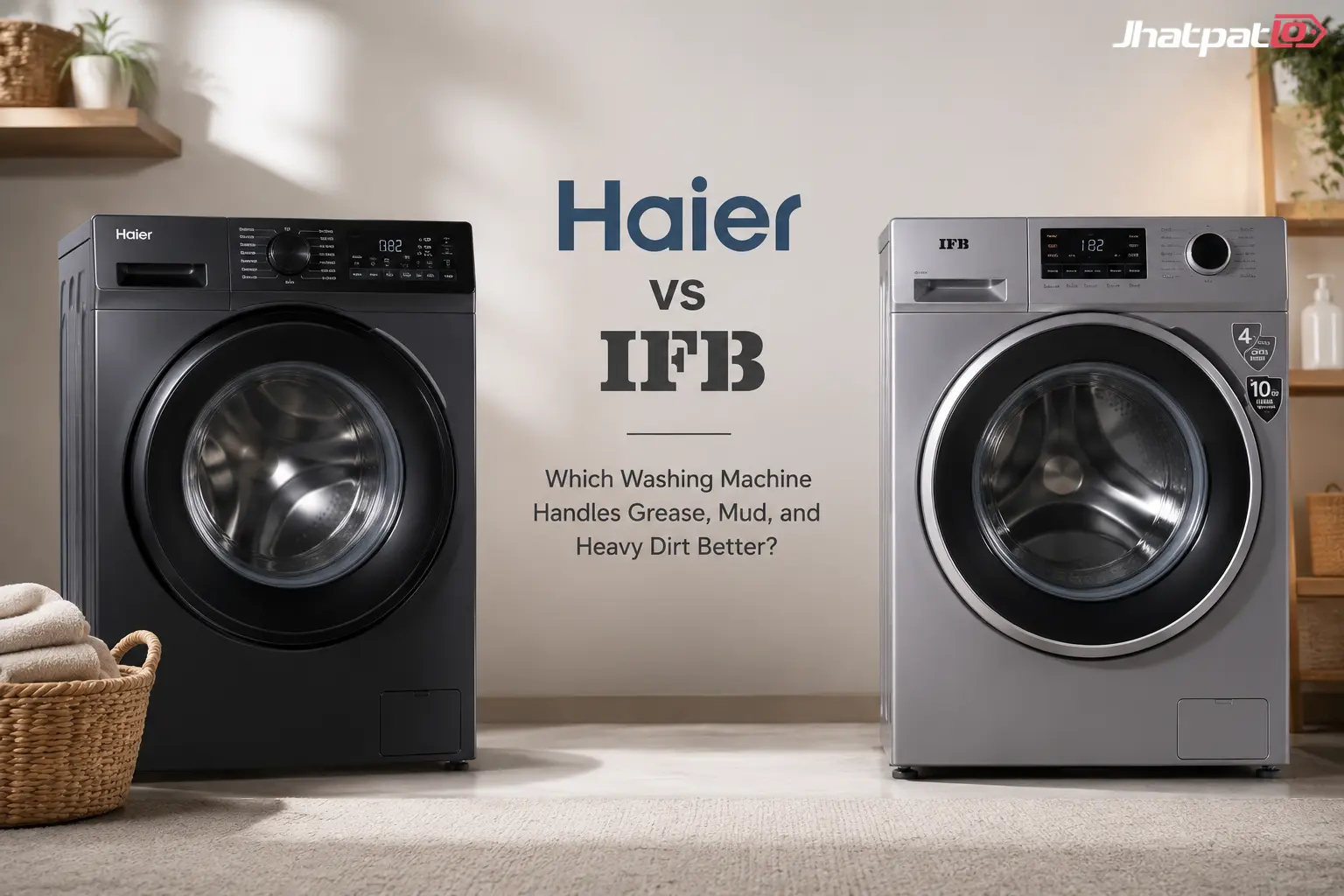
When you’re staring at a pile of clothes with oil splashes, muddy hems, and sweat marks that just won’t quit, the question becomes pretty simple: which machine actually gets the job done? That’s where the Haier vs IFB washing machines comparison gets interesting. Both brands promise help with stubborn laundry, but they don’t take the same route to get there.
The difference shows up in things like steam, 1400 RPM spin drying, and how each brand treats dirt once it’s inside the drum. So if you’ve been wondering whether a stronger wash action or a steam-heavy cycle makes more sense for your home, you’re in the right place.
Quick Highlights
- Haier leans more on strong mechanical wash action.
- IFB leans harder on steam and heat for stubborn stains.
- Mud and dried dirt usually favor Haier.
- Grease, oil, and sweat usually favor IFB.
- Model features matter as much as the brand name.
Now, here’s the thing. The better machine isn’t always the one with the louder feature list. It depends on what keeps showing up in your laundry basket. A home full of school uniforms, kitchen towels, and oily collars has different needs from a home that sees muddy jeans, sports kits, and heavy outdoor wear every week.
Why Haier and IFB win at different kinds of stain removal
Haier and IFB both try to solve stain trouble, but they approach it from different angles. Haier leans on stronger mechanical wash action, while IFB puts more weight on steam, heat, and specialized wash programs. That’s a pretty important split, because stain removal isn’t just about “washing harder.” It’s about how the machine loosens dirt, moves it out of fabric, and finishes the job.
This is where features like Haier’s PuriSteam hygiene wash, 1400 RPM spin drying, and stronger drum motion start to matter. IFB answers with 2x PowerSteam, 9 Swirl handwash motion, Aqua Energie, and hot-steam stain fighter cycles. Same goal, different philosophy.
If your laundry is mostly mud and dried dirt, the mechanical side often does more of the heavy lifting. But if you’re dealing with grease, oil, or sweat, the steam side starts looking very appealing. And if you’ve ever tried to scrub out a kitchen stain that seemed permanently bonded to a shirt, you already know why that matters.
Haier’s stronger agitation is better for mud, dried food, and outdoor grime
Haier’s cleaner pitch is basically physical force. Stronger pulsators, faster spin, and drum motion help knock loose dirt from cotton, denim, and heavily worn clothes. That kind of wash action can be especially useful when stains are dry, gritty, or layered into the fabric instead of sitting on top of it.
The raw examples are pretty easy to picture: ketchup, turmeric, mud, and dried grime are the kinds of messes that often respond well to this style. If you pair that with pre-soak, the cycle gets even more effective. It’s a bit like loosening dried paint before scrubbing a wall. You’re not magically dissolving the mess, but you are making it much easier to remove.
IFB’s steam-based wash is better for oil, grease, and sweat
IFB’s cleaner pitch is heat and steam, which open fabric fibers and help detergent reach stains that agitation alone struggles with. That matters a lot when the stain has that slick, stubborn quality — the kind you get from cooking oil, body sweat, or mixed kitchen residue.
The brand’s PowerSteamWash technology is aimed right at those problems. It specifically helps with oily kitchen marks, greasy stains, sweat marks, and synthetic fabrics. There’s also the 99.99% germ and allergen elimination rate mentioned for IFB’s steam approach, which will matter more to some households than others, especially if hygiene is a big concern.
So if your clothing problems are more “sticky and greasy” than “dusty and dirty,” IFB usually has the more convincing answer.
Which models stand out in the Haier vs IFB washing machines lineup
The comparison gets much clearer when you stop talking about the brand in general and look at the actual machines. That’s because stain-removal strategy changes by capacity, loading style, and the tech stack inside each unit. A front-load machine and a top-load machine can feel like different tools altogether, even if the brand is the same.
There are six models in play here: four front-load options and two top-load options. Once you line up the specs, the differences are hard to miss.
Front-load models: steam, spin speed, app controls, and warranty
These four machines show the clearest split between Haier’s drying and drum advantages and IFB’s steam, app, and handwash-style motion. If you’re trying to compare them without getting lost in the details, the table below helps a lot.
| Model | Type & Capacity | Stain/removal tech and key spec | Warranty / note |
|---|---|---|---|
| Haier HW80-IM12929C | Front Load, 8 kg | PuriSteam; in-built heater; steam wash for germs | 4 Year Comprehensive Warranty; 12 Year Motor Warranty; ASIN B09QT66RXS |
| IFB SENATOR GXN 8012 CMS | Front Load, 8 kg | 2x PowerSteam, DeepClean, 9 Swirl handwash motion, WiFi/app control, hard water treatment | 4 Year Comprehensive Warranty; 10 Year Motor Warranty; ASIN B0D8HYQDQG |
| Haier EFL90-DM14IBIEBK | Front Load, 9 kg | 1400 RPM spin, pillow-shaped drum, steam refresh, child lock, shock protection | 2 Year Comprehensive Warranty; 12 Year Motor Warranty; ASIN B0D45WX1HR |
| IFB EXECUTIVE MXN 9014K CMS | Front Load, 9 kg | 9 Swirl Motion, PowerSteam, Aqua Energie, WiFi, app-unlocked programs, 4.6 star rating | 4 Year Comprehensive Warranty; 10 Year Motor Warranty; ASIN B0F8QV7RCR |
One clear pattern repeats here. Haier’s 9 kg front loader is the faster dryer with 1400 RPM, while IFB’s 9 kg front loader is the more feature-heavy one with app-unlocked cycles like jeans, linen, and inner wear. That matters more than it sounds like it would, because a machine that fits your daily laundry habits is usually the one you end up loving.
Top-load models: simplicity versus dedicated stain programs
The top-load pair gives you a cleaner contrast between easy everyday use and more aggressive stain handling. If you prefer something straightforward and fast to load, Haier keeps things simple. If you want the machine to push harder on stain treatment, IFB comes in with a more specialized approach.
| Model | Type & Capacity | Wash system | Warranty / note |
|---|---|---|---|
| Haier ETL80-HC5S8 | Top Load, 8 kg | Oceanus Wave Drum, magic filter, simple push-button controls | 2 Year Comprehensive Warranty; 10 Year Motor Warranty; ASIN B0GQT3W35R |
| IFB TL-SIBS 10.0KG AQUA | Top Load, 10 kg | Triadic Pulsator, Dedicated Stain Fighter cycle, 13 wash programs, hot steam, in-built heater | 4 Year Comprehensive Warranty; 10 Year Motor Warranty; ASIN B0B38MM267 |
Haier keeps things simple and budget-friendly. IFB pushes capacity, stain cycles, and hot steam much harder. If you like a machine that doesn’t ask much from you, Haier is easy to live with. But if you want extra help on tough marks, IFB’s top-load option has more tools under the hood.
How each brand handles stain removal in practice
The interesting part is how consistent the real-world split is once you look beyond the spec sheet. Haier is stronger on mud, dried dirt, and faster drying, while IFB is better on grease, oil, kitchen stains, and sweat. That isn’t just marketing language. It’s tied to how the washers actually move water, heat, and fabric around during the cycle.
And yes, the model notes reinforce it. Haier’s stronger drum motion, 525 mm drum, and 1400 RPM on the 9 kg model tilt it toward heavy dirt and faster finishing. IFB’s steam cycles, 3D Wash Technology, and water-softening support lean more toward stain loosening and fabric care.
What Haier does well when the load is dirty, heavy, or bulky
Haier is a good match for homes that deal with outdoor play clothes, sports gear, blankets, bedsheets, and winter quilts. These are the kinds of loads that need room, movement, and strong rinsing. A machine that can move a bulky load around properly often does better than one that just sounds advanced on paper.
The 8 kg front load emphasizes a spacious drum and PuriSteam hygiene wash, while the 9 kg front load adds faster drying. The top-load version is easier to load without bending, which is a real convenience in daily life, but it gives up steam wash and higher spin speed. So if your priority is practical dirt removal and less damp laundry afterward, Haier deserves a serious look.
What IFB does well when stains are oily, greasy, or mixed with sweat
IFB is a stronger fit for households that see kitchen towels, shirts, inner wear, school uniforms, and stubborn marks that respond better to heat. Steam helps here because it softens residue before the detergent and wash motion get to work. That makes a difference on stains that cling to fibers instead of sitting loosely on top.
The 8 kg front load adds 2x PowerSteam before and after wash, while the 9 kg front load brings 9 Swirl Motion, Aqua Energie, and app-only wash programs. The 10 kg top load adds 13 wash programs and a dedicated stain fighter cycle, which is a nice bonus if your laundry pile is always a mixed bag of sweat, food, and everyday wear.
It’s worth saying plainly: IFB doesn’t just offer one “stain wash” idea. It offers a lot of support systems around the wash, especially when the mess is greasy or the water quality is less than ideal.
How to choose between these washing machines without overthinking it
The most useful filter here is not brand loyalty. It’s stain type, household size, and whether you care more about speed, steam, or convenience. That’s the part people sometimes skip, and then they end up buying a machine that’s technically good but slightly wrong for their life.
A practical way to think about it is this: 6–7 kg works well for 1–2 people, 8–9 kg fits families of 3–5, and larger homes usually need something bigger. You should also check the 5-Star BEE rating, inverter motor, hard-water filter compatibility, and the actual installation space. A great washer that doesn’t fit your laundry area is still a bad purchase.
Use this short checklist before you decide
- Capacity: 6–7 kg for 1–2 people; 8–9 kg for families of 3–5.
- Space: measure the installation area, doorway width, and door-swing radius.
- Setup: check 5-Star BEE rating, inverter motor, and hard-water filter compatibility.
- Stains: choose in-built heater/steam for grease; choose high RPM spin for heavy dirt and quicker drying.
- Support: confirm the warranty and local service availability.
If you want the shortest possible decision rule, it’s this: choose the machine that matches your mess, not the one with the flashiest feature label. That sounds obvious, but people ignore it all the time. A family that washes a lot of muddy school clothes won’t benefit as much from steam-heavy stain programs as a family that does a lot of cooking and laundry with oily collars. Likewise, a home that wants quicker drying after every cycle will feel the difference in a high-speed Haier model almost immediately.
There’s also a comfort factor. Some people like a simple machine with a clear control layout and fewer steps. Others enjoy app control, extra wash modes, and more tailored programs. Neither approach is wrong. The best choice is the one you’ll actually use without frustration.
FAQ
These are the kinds of questions people usually ask once they already know the brands work differently. The answer usually depends on the stain, but a few clear patterns do show up.
Q: Is Haier better for tough stains than IFB?
Not universally. Haier is stronger for mud, dried dirt, and heavier outdoor grime, while IFB is better for oil, grease, kitchen stains, and sweat. So the better pick depends on what kind of tough stain you see most often.
Q: Does IFB’s steam wash really help with oil stains?
Yes, because heat and steam break down greasy stains more effectively than agitation alone, especially on kitchen towels, shirts, and synthetic fabrics. That’s exactly where IFB tends to stand out.
Q: Which is better for drying clothes faster, Haier or IFB?
Haier has the edge here, especially the 9 kg front load with 1400 RPM spin drying, which leaves clothes less damp after the cycle. If quicker drying is important in your routine, that matters a lot.
Q: Is the 10 kg IFB top load good for large families?
Yes. The TL-SIBS 10.0KG AQUA is built for larger households, with 13 wash programs, a dedicated stain fighter cycle, and hot steam with an in-built heater. It’s one of the more practical large-capacity options in the comparison.
Conclusion
For stain removal, the cleaner answer is simple: IFB is the better pick for grease, kitchen mess, and sweat, while Haier is the stronger choice for mud, dried dirt, and faster drying. That’s really the heart of the Haier vs IFB washing machines debate.
If your laundry is mostly heavy outdoor wear, Haier makes more sense. If it’s mostly oily, food-based, or needs steam-backed hygiene, IFB is the more convincing buy. And honestly, that’s the kind of decision that feels good later, because the machine is working with your real life instead of fighting it.

Related Products



Mijia Washing Machine Pro brings Super Electrolysis tech to Xiaomi’s 10kg washer
Xiaomi has introduced a new 10kg washer in China under the Mijia name, and the main story is the cleaning system. The Mijia Washing Machine Pro combines Super Electrolysis tech, automatic detergent dosing, and AI-assisted wash control in a model priced below premium smart appliances. Here’...
Amazon Great Freedom Sale 2026 refrigerator deals slash prices on Haier LG Samsung
Amazon Great Freedom Sale 2026 is pushing large refrigerators into a sharper price band, with Samsung’s 653L side-by-side model listed at Rs. 67,990, down from Rs. 1,13,000. The sale also brings LG, Haier and Godrej models into view, along with bank discounts, Amazon Pay rewards and no-cos...
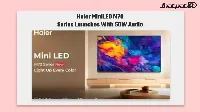
Haier MiniLED M70 Series TVs Launch in India with 50W Audio
Haier has launched its MiniLED M70 Series TVs in India, with prices starting at Rs 39,190. The lineup spans 43 inches to 85 inches and combines Google TV, Dolby Vision, HDR10+, and an AI picture quality engine, making MiniLED technology more accessible in the mid-premium TV segment. Haier...
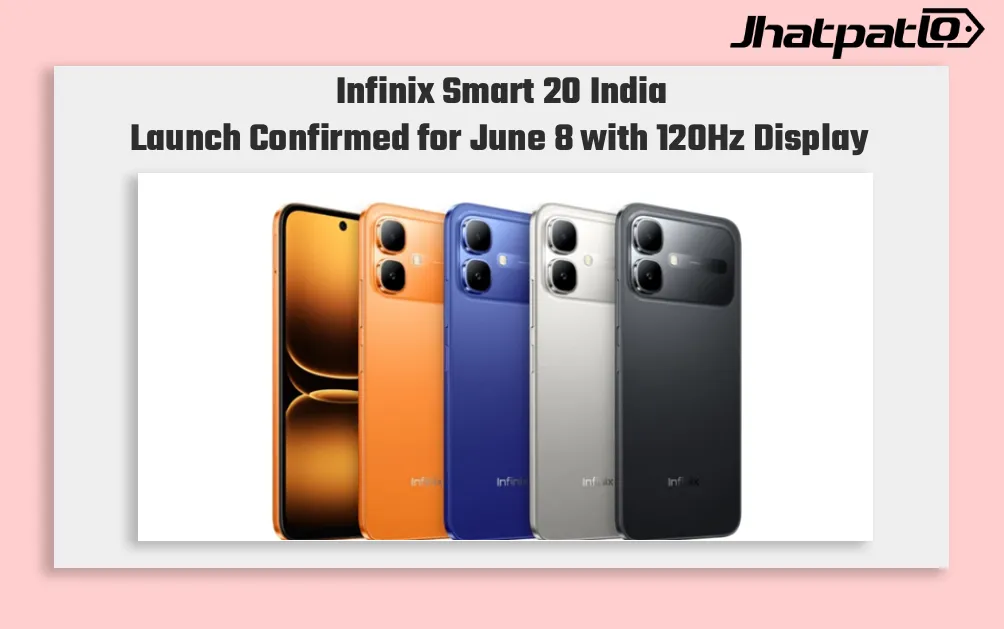
Infinix Smart 20 India Launch Brings 120Hz Display and Big Battery
Infinix is set to launch the Smart 20 in India on June 8, with Flipkart availability confirmed right after launch. The phone will enter the budget segment with a 6.78-inch display, 120Hz refresh rate, Helio G81 chip and 5,200mAh battery.Infinix Smart 20 Brings Helio G81 Chip and 5,200mAh BatteryInfi...
Itel A100 Launch Confirmed in India Soon With Color Options Battery Capacity and Durability Teased
Itel A100 Teased Ahead of India Launch The Itel A100 is confirmed to launch in India soon, with official teasers outlining the phone’s design, colour options and core specs. Itel, a Transsion Holdings sub-brand, announced the upcoming A-series entry through a post on X, noting the launch is imm...
itel A100 Launches in India With Durable Design Under Rs 7,000
Itel A100 Debuts in India With Rugged Build itel on Monday announced the A100 in India, a budget smartphone built to emphasize durability and design. The device arrives after the launch of the A100c, the brand’s first phone release for 2026. It is pitched at the sub-Rs 10,000 segmen...