


HyperOS 4 Soft Light Glass Effect and Biggest Upgrades You Need to Know
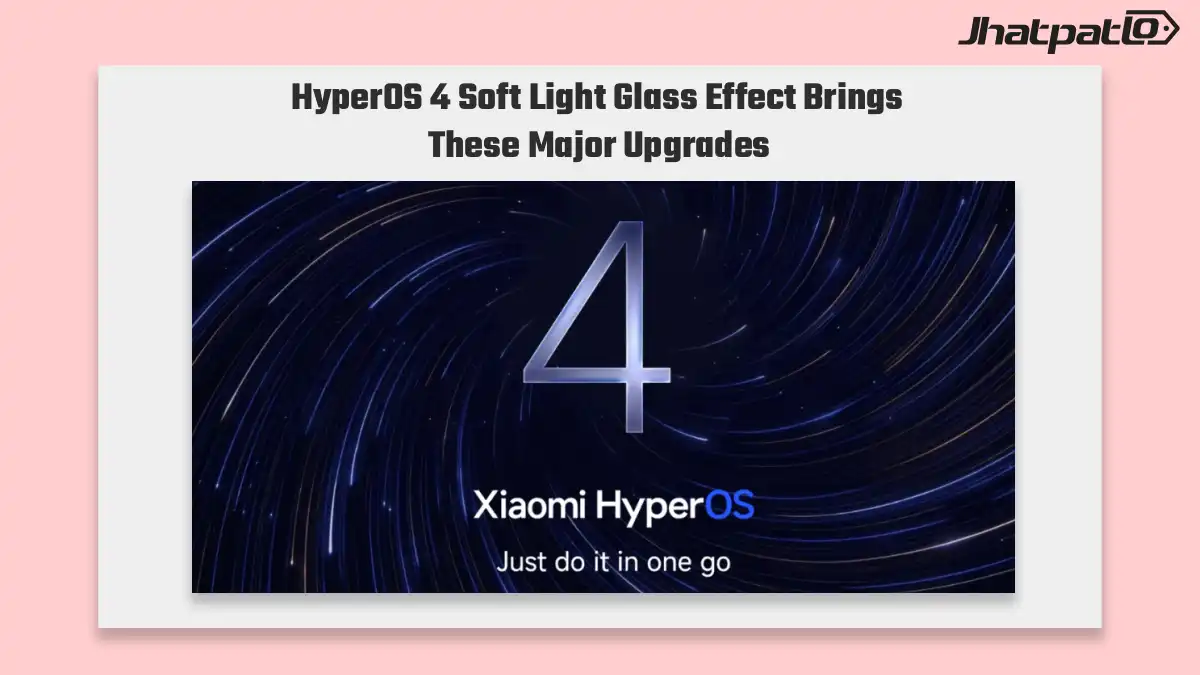
Xiaomi's HyperOS 4 is bringing a visible UI refresh, a stronger AI assistant, and claimed performance gains across everyday tasks. The biggest changes include the new Soft Light Glass effect, Super XiaoAi 2.0, and improvements to app launch speed, scrolling, and camera startup.
The HyperOS 4 Soft Light Glass effect gives Xiaomi’s latest software update a more refined visual experience, with softer transparency, smoother animations, and a cleaner interface. Alongside the new design, HyperOS 4 introduces AI-powered upgrades, faster app launches, and a redesigned lock screen that makes everyday interactions feel more responsive. These changes make the update more than a visual refresh, adding practical improvements to Xiaomi’s overall user experience.
News Highlights
- HyperOS 4 introduces the Soft Light Glass effect across the lock screen, Control Centre, icons, folders, and widgets, creating a more layered look with blur and refraction effects.
- Xiaomi is limiting the deepest version of the new visual style to Snapdragon 8 Elite, Dimensity 9500, and Xring O1 devices, so the full effect will not appear on every phone.
- Super XiaoAi 2.0 adds long-memory AI, screen recognition, multi-step commands, and Expert Mode, with support for tasks like calendar access and report drafting.
- Xiaomi says HyperOS 4 also improves performance, including 17% faster app launches after extended use, 14.4% fewer redundant CPU instructions, and up to 90% smoother gallery scrolling.
The new version of HyperOS is not just about a fresh coat of paint. Xiaomi is pairing a major visual redesign with an upgraded assistant and performance changes that are meant to be noticeable in daily use. For users comparing Android skins, the most important updates are easy to spot: design, AI, and speed.
Super XiaoAi 2.0 adds long-memory AI and cross-app control
Super XiaoAi 2.0 is one of the more significant additions in HyperOS 4. Xiaomi says the assistant is built on MiMo V2.5 and moves beyond simple voice replies. It now includes screen recognition, multi-step commands, and a new Expert Mode, which makes it more useful for complex tasks.
In practical terms, that means the assistant can work with what is already on the screen and respond with more context. Xiaomi says it can pull calendar data, draft reports, and trigger actions based on on-screen content. That puts HyperOS 4 in the same broader AI race that other major Android brands are also chasing, especially as users expect assistants to do more than answer basic questions.
HyperOS 4 performance gains focus on app launch speed and scrolling
Xiaomi is also making a strong performance case for HyperOS 4. The company says Xiaomi AI memory preloading increases available memory by 27.2%, which helps the system stay more responsive over time. It also claims app launches are 17% faster after extended use.
Another part of the update is HyperCore, which Xiaomi says cuts redundant CPU instructions by 14.4%. That is the kind of detail that usually matters most in everyday use, even if it is not always visible at first glance. The smoother feel should show up in places people notice quickly, like browsing photos, opening apps, and moving through the interface.
Xiaomi also points to specific gains in visual performance. Gallery scrolling is said to be up to 90% smoother, and Camera startup is faster. For users comparing phones with different Android skins, these are the kinds of improvements that can shape the overall impression of the software more than a long feature list does.
HyperOS 4 Soft Light Glass effect brings Xiaomi's biggest UI refresh
The most obvious change in HyperOS 4 is the Soft Light Glass effect. Xiaomi is extending it across the lock screen, Control Centre, icons, folders, and widgets, using dynamic refraction and translucent blur layers to create a more glass-like appearance. The result is a UI that looks more layered and more reflective than before.
There is also a clear difference between device tiers. Xiaomi is reserving the deepest version of the effect for Snapdragon 8 Elite, Dimensity 9500, and Xring O1 phones. That means the visual gap between flagship devices and midrange models is likely to be easy to notice. In other words, the most polished version of HyperOS 4 will not be available everywhere.
For Xiaomi, this appears to be the headline visual change in the update. It is the kind of redesign that gives the system a new identity without changing the basic way users navigate it. Taken together with the assistant upgrade and the performance claims, HyperOS 4 looks like a broader reset rather than a single feature update.

Related Products




HyperOS 4 Global Beta Test Opens for Xiaomi 17 and 17 Ultra
Xiaomi has opened the HyperOS 4 Global Beta Test in Global and EEA markets, but only for a very small first wave of devices. The Xiaomi 17, Xiaomi 17 Ultra and Leica Leitzphone are included right now, so this is clearly an early access rollout for users comfortable testing unfinished software....

Redmi Note 17 Pro Max 10,000mAh Battery Phone Debuts in Japan
Redmi Note 17 Pro Max goes official in Japan with a 10,000mAh battery, 100W charging, and 27W reverse wired charging. Xiaomi is clearly leaning into endurance here, while also pairing the phone with a large AMOLED display and Android 16-based HyperOS 3 for buyers who want long battery life...

HyperOS 4 global beta lands on Xiaomi 17 Ultra and Xiaomi 17
Xiaomi has opened the HyperOS 4 global beta for a first group of premium phones, led by the Xiaomi 17 Ultra and Xiaomi 17. The rollout is limited, first OTA builds are going out through Xiaomi Community, and users in Global and EEA regions are getting the earliest access. For early adopte...

Redmi 17 4G Leak Points to 7,500mAh Battery and Helio G91 Ultra
Redmi 17 4G leak specs suggest Xiaomi is focusing on battery life first, with a 7,500mAh cell and 45W wired charging. The same leak also points to a MediaTek Helio G91 Ultra chip, which places the phone in budget territory with a clear endurance-first angle. Redmi 17 4G leak specs al...

Xiaomi 18 Pro Geekbench listing reveals Snapdragon 8 Elite Gen 6
The Xiaomi 18 Pro has appeared in a Geekbench listing with Snapdragon 8 Elite Gen 6 data, and the numbers point to a 3+3+2-core sample, a 5.01 GHz peak clock, and scores of 3,220 and 9,646. The leak also suggests Xiaomi’s standard Pro model is trailing the Extreme chip in raw benchmark pac...