


Google and Samsung Take On Meta With Gemini Smart Glasses
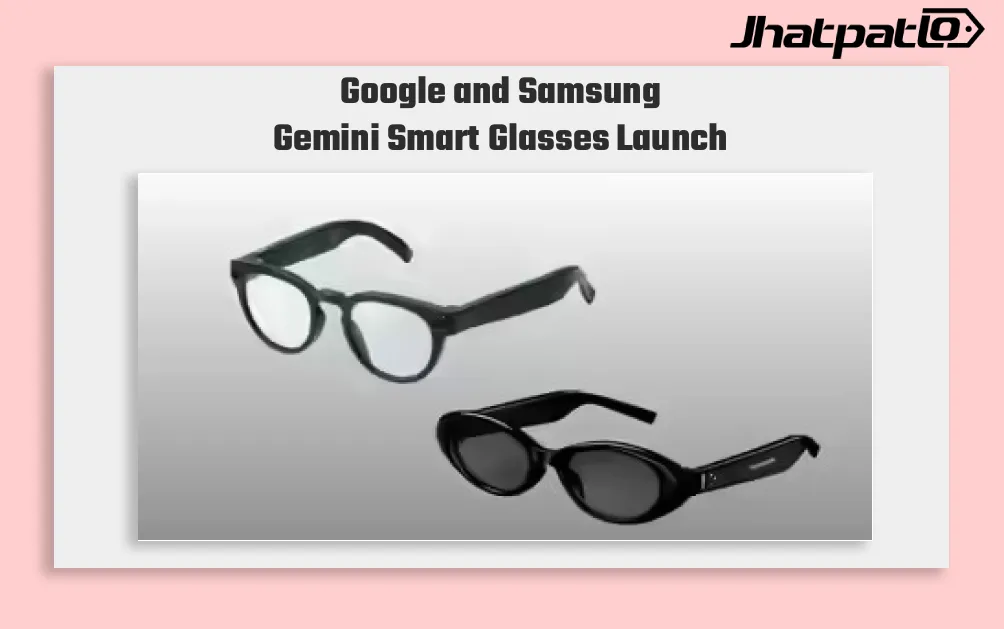
Google and Samsung have unveiled Gemini-powered smart glasses in partnership with Gentle Monster and Warby Parker, putting live translation, navigation and other AI tools into a new wearable category. The launch brings Google back into consumer smart eyewear as Meta’s Ray-Ban glasses continue to build momentum.
Google and Samsung Are Positioning AI Glasses as Everyday Devices
Google and Samsung have introduced Gemini smart glasses as part of a wider push into AI wearables, with the companies framing the product as a practical companion to a smartphone rather than a replacement for it. The glasses are being tied to real-time translation, navigation, message summaries and visual search, with Gemini providing contextual assistance through the device.
The launch places Google back into consumer smart eyewear after earlier efforts in the category, this time with AI at the centre instead of an AR-first pitch. The partnership with Gentle Monster and Warby Parker also signals a focus on design and mainstream wearability, according to the material provided. That matters because earlier smart glasses often struggled to move beyond the sense that they were experimental or awkward to wear in public.
In this version of the category, the glasses are presented as something users can keep on during daily tasks. The product is built around hands-free smartphone interaction, with the phone still part of the setup. The idea is not to cut the phone out, but to make it less necessary to check it constantly.
- Gemini-powered contextual assistance
- Real-time translation
- Navigation support
- Message summaries
- Visual search
- Hands-free smartphone interaction
- Partnerships with Gentle Monster and Warby Parker
The broader shift is clear in the way the devices are being described. Google is not selling them as a one-off accessory or a camera product with AI added later. Instead, the glasses are being pushed as part of a larger move toward always-available AI devices, where Gemini can sit closer to the user throughout the day.
Meta’s Early Lead Has Turned Smart Glasses Into a Real Category
The launch comes as Meta’s Ray-Ban smart glasses have already helped normalize camera-equipped eyewear for consumers. That early traction appears to have turned smart glasses into a real market, one that other big tech companies are now treating as worth entering more seriously. Google and Samsung are arriving with Gemini-powered alternatives that lean on the same basic hardware idea, but put their own AI system at the centre.
The competition now looks less like a hardware race and more like a fight over which assistant works better in daily use. The provided material points to live translation and AI-assisted image editing as examples of how the category can move beyond social capture and camera tricks. In that framing, the glasses become a test of ecosystem strength as much as industrial design.
For consumers, that means future comparisons may not stop at the device itself. Buyers looking at Meta Ray-Bans and Gemini smart glasses may end up weighing the usefulness of Meta AI against Gemini, along with how each system handles tasks in the real world. The source material does not suggest a final answer yet, but it does show the market changing direction. Smart glasses are no longer being treated as speculative.
They are now part of the broader AI hardware race.
The Real Test Will Be Everyday Utility
The launch puts the spotlight on whether Gemini can make smart glasses useful beyond novelty. The product direction described in the material focuses on practical, repeated use: translation, navigation, summaries, and searching what the user sees. That is a different pitch from older wearable efforts that leaned too heavily on future-facing ideas.
Google’s move also suggests a wider strategy around embedding Gemini across ambient devices rather than limiting it to phones and apps. Samsung’s role in the launch adds another layer, though the supplied information does not spell out a separate hardware roadmap beyond the smart glasses themselves. What is clear is that both companies are trying to make AI feel more present, and less tied to a screen.
The next phase, based on the information provided, will depend on how these glasses fit into daily routines once they are out in the market. The material says the launch is set for this fall. Until then, the main development is that Google and Samsung have entered a category Meta helped build, with Gemini now positioned as the central feature in the contest for consumer smart eyewear.
Related Products



Samsung App Update References Glasses in New Galaxy Smart Glasses Clue
Samsung update points to Galaxy Glasses Samsung’s latest One UI app update has accidentally pointed to the company’s smart glasses project, and this Samsung Galaxy Glasses Update makes that signal even clearer. A changelog in the Nearby Device Scanning app explicitly refers to “Glasses,” rein...
Wear OS 7 Adds Live Updates and Smarter Widgets for Android Watches
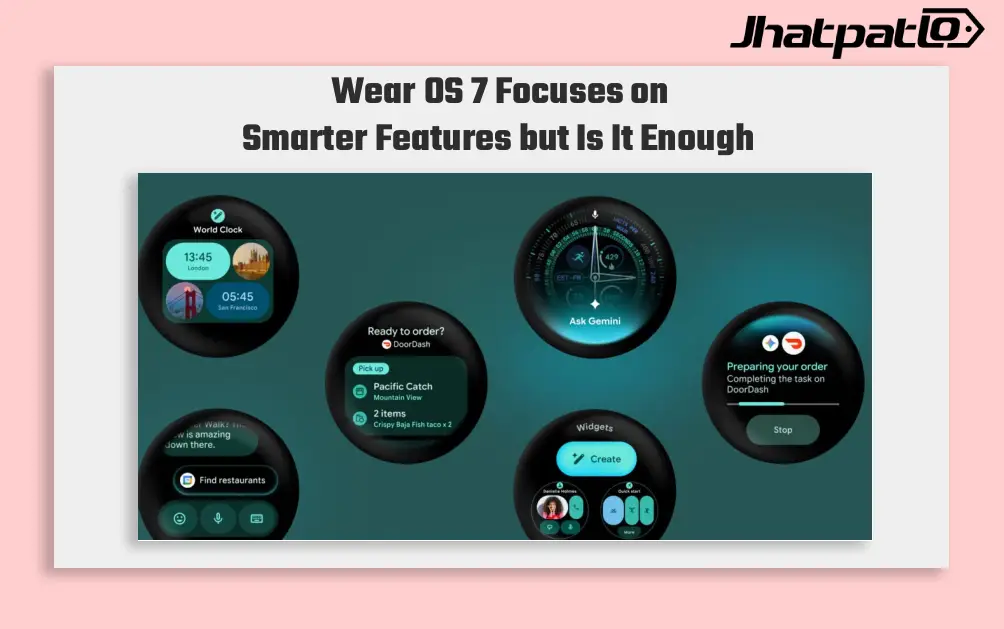
Wear OS 7 focuses on everyday smartwatch use Google used I/O 2026 to present Wear OS 7 as a usability update rather than a routine redesign. The update brings Live Updates, redesigned Wear Widgets, Gemini-linked voice actions and up to 10 percent better battery life, with the changes aimed at...
Google Search AI Agents Could End the Era of Blue Links
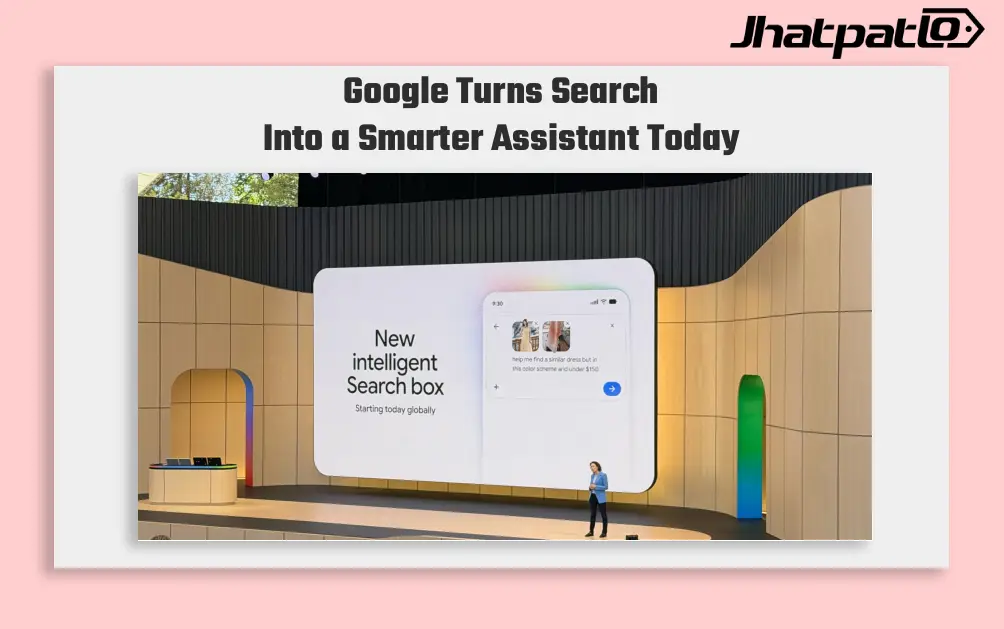
Google Turns Search Into an AI System Google used I/O 2026 to push Search into a different role, with AI agents that can monitor information, browse on behalf of users and act across tasks. The company also said AI Mode has passed one billion users and that Gemini 3.5 Flash is now the default...
iOS 27 Leak Shows Apple Rebuilding Siri Around AI Search
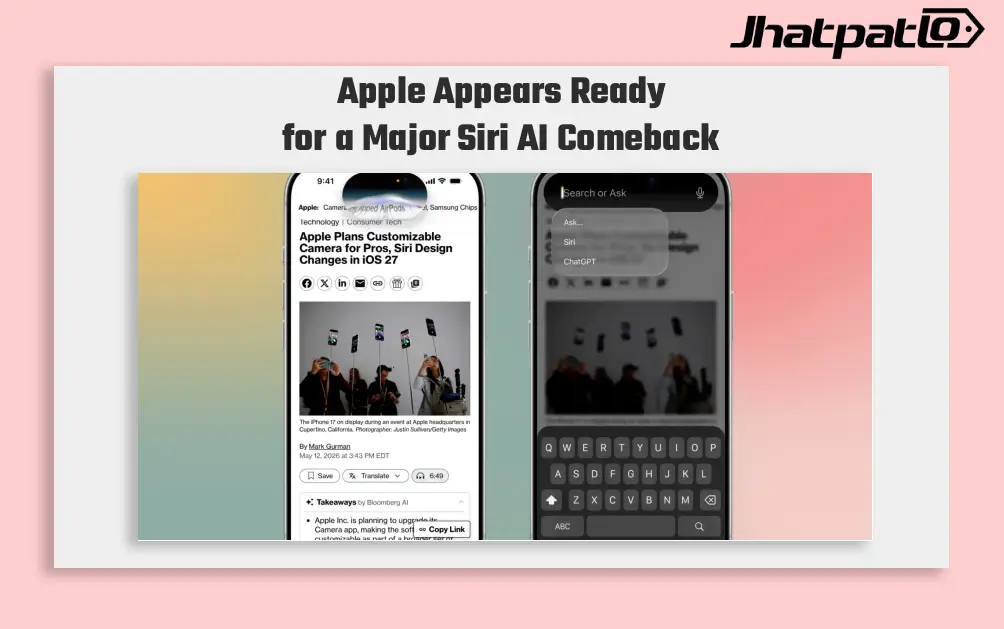
Apple appears to be reshaping Siri inside iOS 27 Leaked iOS 27 illustrations suggest Apple is preparing a redesigned Siri experience built around AI search, Dynamic Island access and a new Search or Ask interface. The reported changes point to a broader shift in how Apple may place artificial...
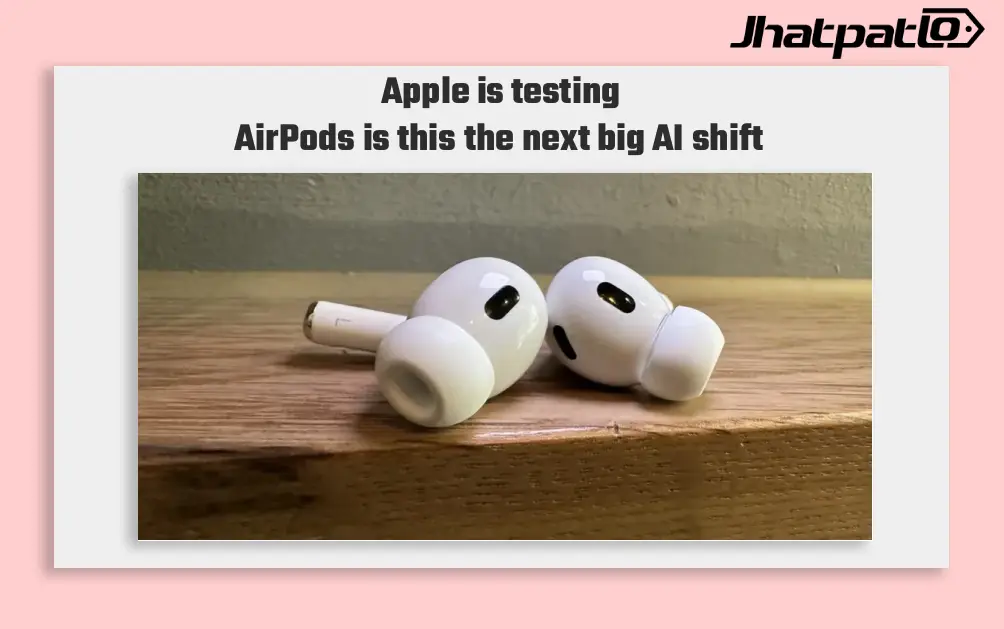
Apple Reportedly Tests AirPods Cameras for AI Features
Apple is testing AirPods that can interpret the real world through cameras Apple is reportedly testing AirPods with built-in cameras as part of a push toward AI features that rely on environmental context rather than simple voice commands. The cameras are said to be designed for understanding wh...

Sarvam Kaze AI Smart Glasses Debut at AI Impact Summit Set for May India Launch
Overview Sarvam AI unveiled its first pair of smart glasses at the AI Impact Summit 2026, held at New Delhi's Bharat Mandapam. The Indian tech firm used the event to announce a shift into hardware manufacturing, with Sarvam Kaze as the initial product in its hardware lineup. The...