


Google Search AI Agents Could End the Era of Blue Links
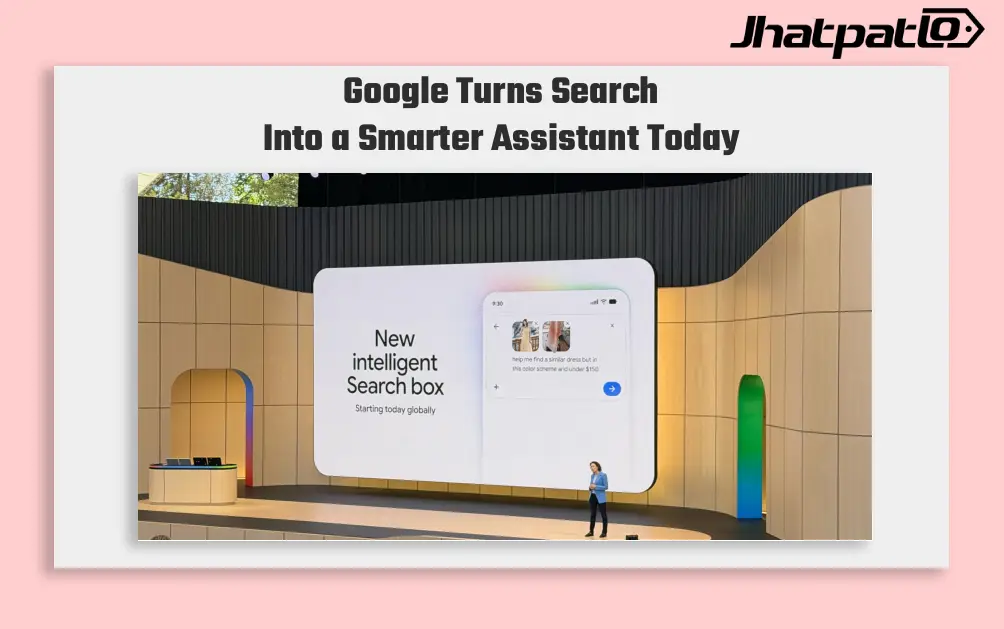
Google Turns Search Into an AI System
Google used I/O 2026 to push Search into a different role, with AI agents that can monitor information, browse on behalf of users and act across tasks. The company also said AI Mode has passed one billion users and that Gemini 3.5 Flash is now the default AI Mode globally.
The update moves Search beyond the familiar list of web links. Google is folding in multimodal input, ongoing information monitoring and task execution, while some of the more advanced features are tied to paid AI subscriptions and are starting in the US.
For years, Search was built around discovery. Users typed a query, got a page of results and clicked through to websites. Google’s latest changes point in another direction. At I/O 2026, the company said Search is being repositioned as an AI system that can keep track of topics in the background, handle follow-up context and carry out actions rather than only surface pages.
The core shift is in how people interact with the product. Search now accepts images, files, videos and even Chrome tabs as inputs, extending it well beyond plain text queries. Google also said there is continuity between AI Overviews and AI Mode, so users can move from a summary into a more conversational experience without starting over. That makes Search feel more persistent, less like a one-time lookup and more like an ongoing assistant layered over the web.
Google’s own figures point to how quickly the AI layer has grown. The company said AI Mode has surpassed one billion users. It also said Gemini 3.5 Flash is now the default AI Mode globally. Those changes were presented as part of the same Search overhaul, which is meant to make the product more proactive and more capable of handling complex requests.
One part of that overhaul is information agents that can monitor topics continuously in the background. Rather than waiting for a user to repeat a query, these agents are designed to keep watch over selected information and surface updates when needed. The transcript does not give every operational detail, but the direction is clear: Google wants Search to stay active even when the user is not manually searching.
That is where the pressure on publishers and websites becomes more visible. If users get more of what they need directly inside Search, they may spend less time clicking through to source pages. The raw content frames this as a major concern for the wider web ecosystem, especially because Google is reducing the need for users to visit websites directly. No traffic figures were provided, but the product change itself is the point.
AI Agents Push Search Into Task Automation
Google is also extending Search beyond discovery and into task completion. The company has described booking agents that can gather pricing, availability and reservation details. It also revived Duplex-style capabilities so Search can call businesses. In practical terms, this pushes the product closer to an assistant that can help finish a task instead of simply pointing a user to a place where the task might be completed.
- Gemini 3.5 Flash becomes the default AI Mode globally
- AI Mode has surpassed one billion users
- Search accepts images, files, videos and Chrome tabs
- AI Overviews and AI Mode now carry conversational continuity
- Information agents can monitor topics in the background
- Booking agents can aggregate pricing, availability and reservations
- Duplex capabilities allow Search to call businesses
- Some features are limited to AI Pro and Ultra subscribers
- Rollout begins in the US before wider expansion
The subscription piece matters because Google is tying some of the more advanced capabilities to AI Pro and Ultra plans. That creates a clearer separation between standard search and a premium automation layer. The company’s rollout is starting in the US first, with wider expansion to follow, according to the provided material.
Search is also being used for more than travel or shopping. The transcript says agents will automate monitoring for shopping, sports, finance and listings. That broadens the scope of the product and shows Google is trying to make Search useful across a larger set of routine tasks. It is no longer just about answering a query. It is about acting on one.
Related Products


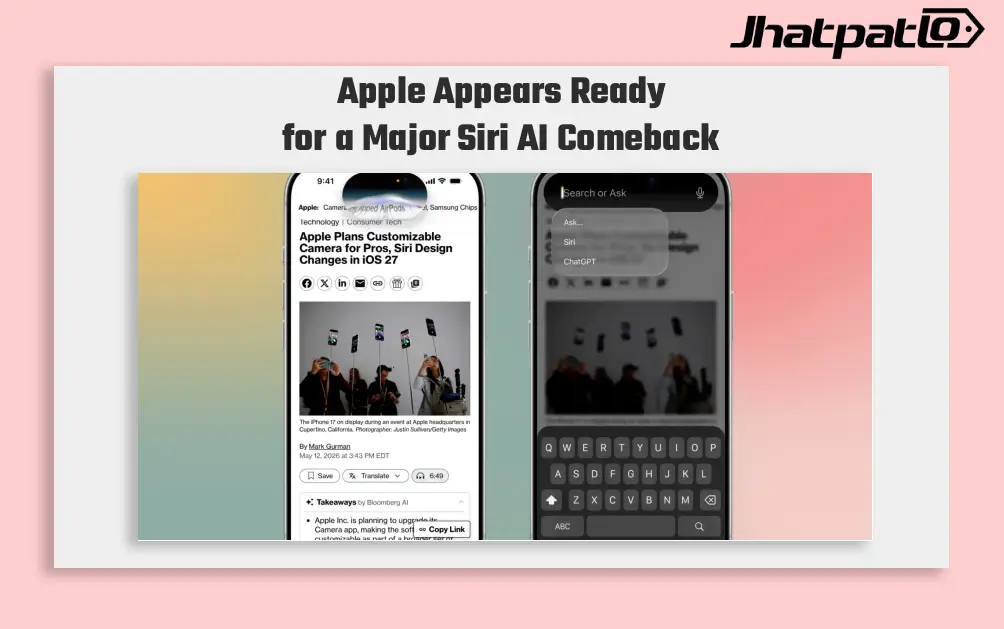
iOS 27 Leak Shows Apple Rebuilding Siri Around AI Search
Apple appears to be reshaping Siri inside iOS 27 Leaked iOS 27 illustrations suggest Apple is preparing a redesigned Siri experience built around AI search, Dynamic Island access and a new Search or Ask interface. The reported changes point to a broader shift in how Apple may place artificial...

Safari’s Automatic Tab Feature in iOS 27 Could Change Browsing Today
Safari’s Automatic Tab Grouping Shifts Tab Management Away From Manual Control Apple is reportedly testing a Safari update in iOS 27 that could automatically organize tabs into topic-based groups. The same change is said to be planned for iPadOS 27 and macOS 27, with the feature building on Safa...

Google and Samsung Take On Meta With Gemini Smart Glasses
Google and Samsung have unveiled Gemini-powered smart glasses in partnership with Gentle Monster and Warby Parker, putting live translation, navigation and other AI tools into a new wearable category. The launch brings Google back into consumer smart eyewear as Meta’s Ray-Ban glasses continue...
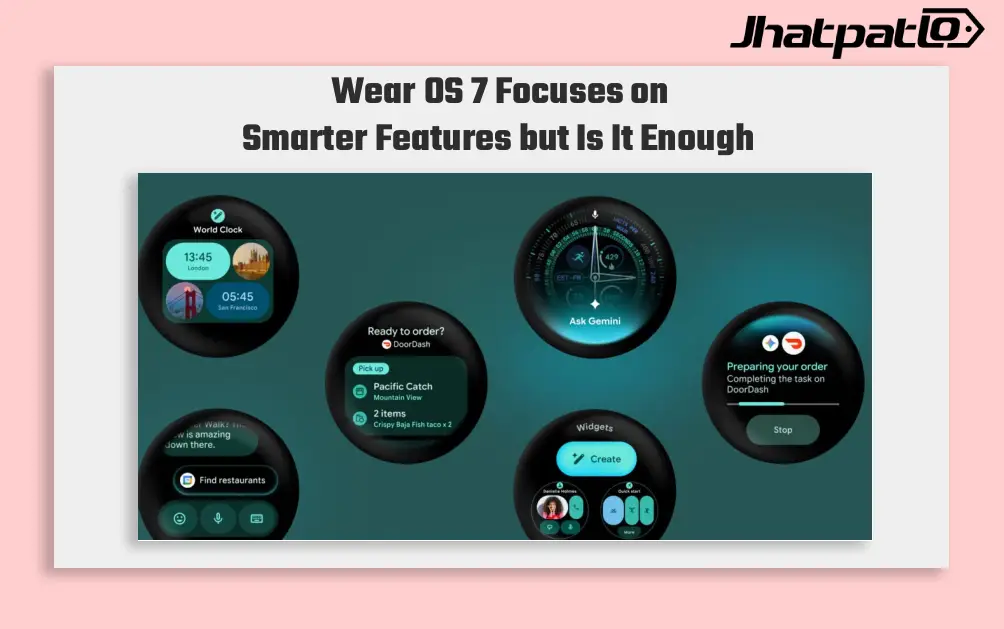
Wear OS 7 Adds Live Updates and Smarter Widgets for Android Watches
Wear OS 7 focuses on everyday smartwatch use Google used I/O 2026 to present Wear OS 7 as a usability update rather than a routine redesign. The update brings Live Updates, redesigned Wear Widgets, Gemini-linked voice actions and up to 10 percent better battery life, with the changes aimed at...
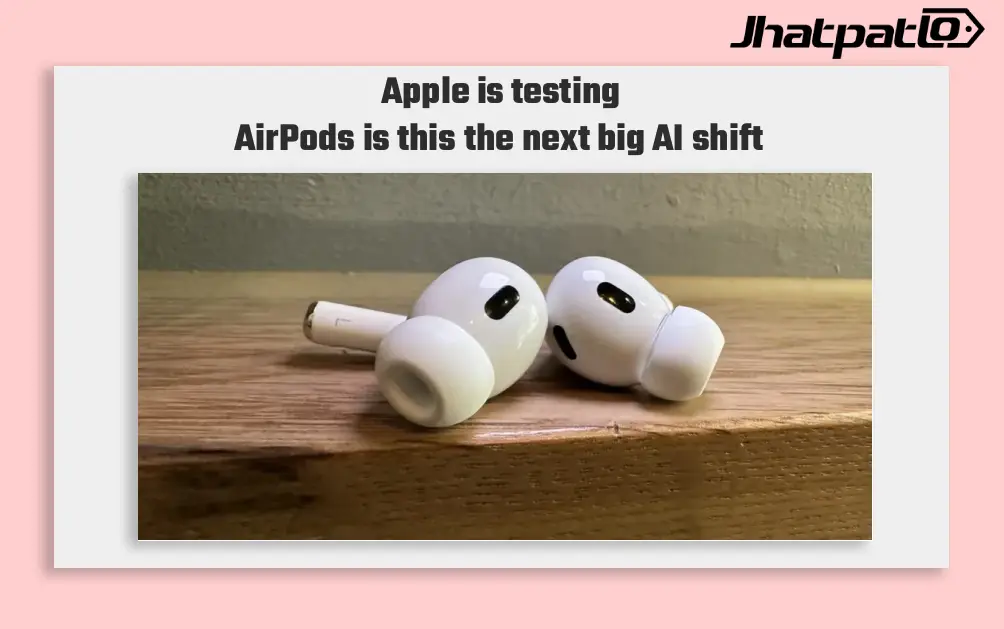
Apple Reportedly Tests AirPods Cameras for AI Features
Apple is testing AirPods that can interpret the real world through cameras Apple is reportedly testing AirPods with built-in cameras as part of a push toward AI features that rely on environmental context rather than simple voice commands. The cameras are said to be designed for understanding wh...
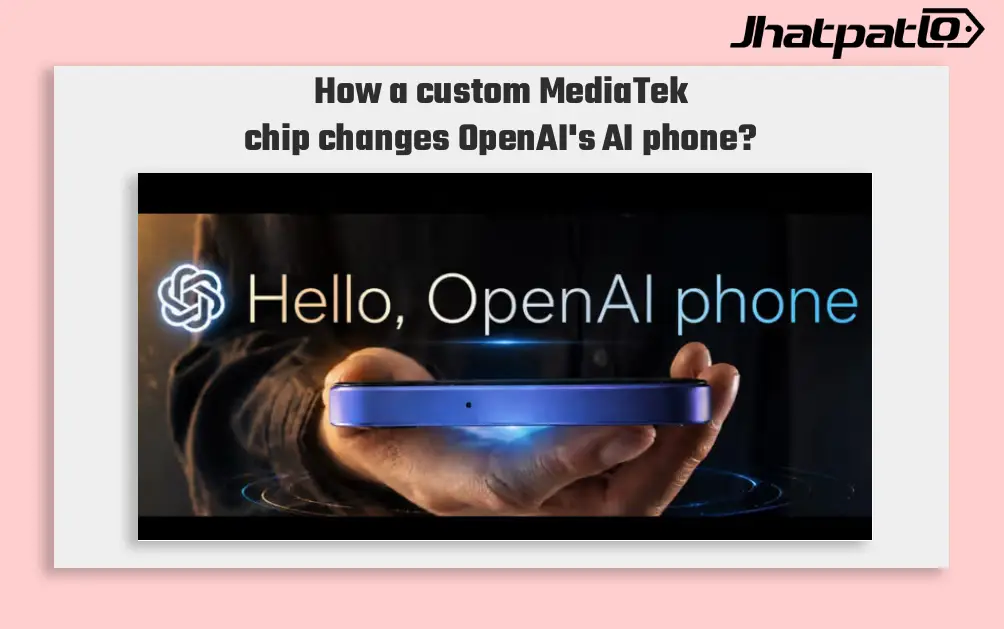
OpenAI AI Smartphone Could Enter Production in 2027 With MediaTek Chip
OpenAI’s first OpenAI AI smartphone may enter mass production in the first half of 2027, according to analyst Ming-Chi Kuo, marking a move forward from earlier expectations that pointed to a 2028 timeline. The report suggests the company is preparing a custom hardware push built around AI-firs...